
 Previzualizare
 Trimite prin felicitare
 Distribuie
 Detalii despre lucrare
 Ghid
Ghid

 Descarcă imaginea
 Produse similare
 Radiografie
 Galerie foto
 Întrebări și răspunsuri
 Statistici
John Bright (1811–1889)

- 237.0 x 147.0 cm


 Vezi mai mult
Obțineți un fișier gata de imprimare care depășește cu mult calitatea previzualizării web. Fiecare imagine digitală pe care o vindem provine dintr-un master de înaltă rezoluție din baza noastră de date — având, de regulă, o lățime între 5.000 și 15.000 de pixeli — astfel încât să puteți printa în format mare, să decupați strâns sau să reproduceți detalii fine cu încredere.
Niciun fișier nu părăsește studioul nostru fără să fie tratat. Un expert digital verifică nuanțele de culoare în raport cu pictura originală și le corectează acolo unde este necesar, apoi îmbunătățește claritatea și detaliile folosind instrumente profesionale de retușare — rămânând întotdeauna fidel gestului pictural și stilului artistului. Rezultatul este o imagine care seamănă cu tabloul propriu-zis, nu cu o scanare filtrată.
Aprobați înainte de finalizare: expertul nostru vă va trimite imaginea prin e-mail în termen de 72 de ore pentru revizuire. Nu sunteți mulțumit? Solicitați îmbunătățiri sau corecturi, ori cereți o restituire a plății dacă calitatea nu este pe măsura așteptărilor.
Aceasta este calitatea pe care se bazează editorii, studiourile de design, galeriile și tipăriturile.
Imagine Digitală
Descărcați un fișier la rezoluție înaltă pentru afișare personală, imprimare și proiecte creative. ( Comută pe versiunea Print Comandă pictură realizată manual)
Inclus în fiecare comandă de imagini digitale
Livrare digitală de expertiză, garantată
Când alegeți OriginalUniqueArt.com, nu primiți doar o simplă imagine – primiți o operă de artă digitală îmbunătățită profesional, creată cu precizie și susținută de o garanție de satisfacție. Iată tot ceea ce primești odată cu comanda ta, în mod automat:

Livrare rapidă prin e-mail
Fișierul imaginii digitale la rezoluție înaltă vă va fi trimis prin e-mail în termen de 72 de ore de la finalizarea comenzii – gata pentru utilizare imediată.

Fișier digital optimizat prin IA
Opera ta de artă este optimizată profesional prin intermediul unor instrumente AI avansate și al editării manuale, asigurând un nivel maxim de detalii, claritate și acuratețe a culorilor.

Retransmitere gratuită pe viață
Ai șters sau ai pierdut din greșeală fișierul? Nu îți face griji – ți-l vom retrimite oricând, gratuit.

Fără taxe de import – Întotdeauna
Bucură-te instant de noua ta operă de artă, fără taxe vamale, taxe de import sau costuri de livrare – descărcările digitale sunt întotdeauna fără taxe.

Garanția acurateții culorilor
Asigurăm o reflectare cât mai fidelă a culorilor originale în imaginea ta digitală, prin utilizarea unor instrumente profesionale și a proceselor de gestionare a culorii.

Garanție de satisfacție de 100 de zile
Dacă nu sunteți mulțumit de imaginea digitală achiziționată, o vom revizui sau vă vom returna 100% în termen de 100 de zile – fără nicio întrebare.

Garanție de returnare 100% a banilor
Nu ești mulțumit? Primești rambursarea integrală în termen de 100 de zile de la primirea fișierului digital – fără nicio întrebare.

Reduceri pentru comenzi în volum
Cumpără 3 imagini, economisește 10% - Cumpără 5, economisește 15% - Cumpără 10+, economisește 20%. Ideal pentru proiecte creative, galerii și agenții.
A Portrait of Moral Resolve: John Bright by Lowes Cato Dickinson
Lowes Cato Dickinson’s 1873 portrait of John Bright stands as a testament to Victorian England's fascination with capturing the dignity and intellect of prominent figures. Located at Touchstones Rochdale, this oil on canvas masterpiece offers more than just a likeness; it embodies the spirit of a man deeply committed to social reform and moral conviction.
Subject Matter and Composition
The painting depicts John Bright seated in a chair, dressed impeccably in dark attire—a suit complemented by a crisp white shirt. Dickinson meticulously rendered Bright’s features: a prominent beard and mustache indicative of his age, conveying wisdom and experience. His gaze is directed inward, suggesting contemplation and profound thought – an expression that speaks volumes about his inner life.
Stylistic Considerations: Realism Infused with Pre-Raphaelite Sensibility
Dickinson’s approach aligns closely with the tenets of Pre-Raphaelitism, prioritizing accuracy and detail alongside a subtle infusion of Romantic idealism. Unlike many portraits of the era that prioritized idealized beauty, Dickinson focused on portraying Bright realistically, capturing the nuances of his appearance and environment. The soft lighting illuminates Bright's face without harsh shadows, enhancing the sense of intimacy and conveying sincerity.
Setting and Symbolism
The backdrop is a dimly lit room furnished with a desk and books—a deliberate choice that underscores Bright’s intellectual pursuits and professional life as a barrister. This setting symbolizes his dedication to reason and knowledge, aligning perfectly with the broader Victorian ethos of moral seriousness. Dickinson's restrained palette emphasizes textures and tones rather than vibrant hues, contributing to the painting’s contemplative mood.
Legacy and Emotional Impact
“John Bright” transcends mere representation; it captures a man grappling with weighty ethical dilemmas—a figure who championed universal suffrage and advocated for social justice. Dickinson's masterful technique conveys not only Bright’s physical presence but also his inner character, inviting viewers to contemplate the importance of moral courage and intellectual integrity. It remains an enduring symbol of Victorian idealism and continues to inspire admiration for its artistic merit.
Întrebări și răspunsuri
Cine a creat "John Bright (1811–1889)" și în ce stil este realizată?
"John Bright (1811–1889)" a fost creat de Lowes Cato Dickinson, în stilul Pre-Raphaelite Realism. Artistul și mișcarea definesc tradiția acestei opere.
Cât de luminoasă este, în ansamblu, lucrarea "John Bright (1811–1889)"?
În general, "John Bright (1811–1889)" este înregistrată ca având o umbră adâncă. Luminozitatea percepută descrie cât de deschisă sau întunecată pare lucrarea.
Cine a creat "John Bright (1811–1889)" și în ce an?
Lowes Cato Dickinson a creat "John Bright (1811–1889)" în 1873.
Biografie artist
A Life Etched in Portraits: The World of Lowes Cato Dickinson
Lowes Cato Dickinson, born in Kilburn, London, in 1819, was a figure deeply embedded within the artistic and social currents of Victorian England. Coming from a family intimately connected to the art world—his father, Joseph Dickinson, being a respected lithographer and publisher on Bond Street—Dickinson’s path seemed preordained. Yet, his journey wasn't merely one of inheritance but of active engagement with the evolving aesthetic sensibilities and progressive social movements of his time. One of eleven siblings, he received his early education at Topsham School and Dr Lord's School in Tooting, grounding him in a solid foundation before fully immersing himself within the family business following his father’s death in 1849. He then joined forces with his brothers, Gilbert Bell Dickinson and William Robert Dickinson, to continue the legacy of Dickinson Brothers on Bond Street, a firm that quickly became synonymous with quality art publishing and photography. This early exposure wasn't simply about commerce; it was an apprenticeship in visual culture, shaping his eye for detail and composition—qualities that would define his later work as a portraitist.The Pre-Raphaelite Circle and the Call of Social Reform
Dickinson’s artistic development took a significant turn with a three-year sojourn in Italy around 1850. This period proved formative, exposing him to the masterpieces of the Renaissance and influencing his evolving style. He absorbed the stylistic principles championed by Dante Gabriel Rossetti and John Ruskin—a fervent desire for truth to nature combined with an emotional intensity that would become hallmarks of his oeuvre. The Pre-Raphaelite Brotherhood’s emphasis on rejecting academic conventions and celebrating medieval art profoundly impacted Dickinson's artistic vision. Beyond aesthetics, however, was a burgeoning sense of social responsibility. He became deeply involved in the Christian socialist movement, recognizing the urgent need for moral reform amidst the rapid industrialization of Victorian Britain. This conviction fueled his dedication to establishing the Working Men’s College in London—a pioneering institution committed to providing accessible education to underprivileged individuals and embodying his belief in the transformative potential of knowledge. The collaboration with fellow Pre-Raphaelites like Frederic Denison Maurice solidified Dickinson's position within this influential artistic milieu, fostering dialogues about art’s role in shaping societal values.A Portraitist of Victorian Society
Lowes Cato Dickinson distinguished himself as a remarkably skilled portrait painter during the Victorian era—a period characterized by social stratification and burgeoning industrial growth. Unlike many artists preoccupied with grand historical narratives or mythological themes, Dickinson focused on capturing the essence of his subjects—prominent figures who exerted considerable influence over British society. His technique was particularly noteworthy: he eschewed elaborate backgrounds, concentrating instead on meticulously rendering the faces of his sitters with painstaking detail. This approach allowed him to convey personality and character through subtle shading and nuanced expressions—a testament to his artistic sensitivity. He achieved renown for his distinctive method – often completing portraits solely by focusing on facial features, entrusting the depiction of clothing and accessories to other artists. This collaborative strategy maximized Dickinson’s ability to communicate inner life and psychological depth. Among his celebrated commissions were portraits of Queen Victoria herself—a symbol of imperial grandeur—members of Parliament representing diverse political viewpoints, and luminaries from science and literature like Arthur Cayley and James Clerk Maxwell. He also undertook significant projects for charitable organizations and educational institutions, reflecting his unwavering commitment to social betterment. His most iconic portrait remains that of Mr. Gladstone—captured within the hallowed halls of Downing Street—a masterpiece embodying both formal elegance and psychological insight. Dickinson’s enduring legacy resides not only in the beauty of his artworks but also in their contribution to documenting Victorian society—preserving memories of individuals who shaped Britain's cultural landscape.Legacy and Enduring Influence
Dickinson’s influence extended far beyond the canvases he adorned with faces. His meticulous attention to detail and profound understanding of human psychology established him as a singular figure within Victorian portraiture. The Working Men’s College continues to honor his memory through the annual Lowes Dickinson Award—a prestigious prize recognizing excellence in student art endeavors. Furthermore, his children bequeathed funds for establishing a travel scholarship—promoting artistic exploration and fostering connections between cultures. His papers—carefully archived at Princeton, Oxford, and Cambridge Universities—provide invaluable insights into Victorian art history and social thought. Lowes Cato Dickinson’s life exemplifies the harmonious convergence of artistic talent, intellectual curiosity, and unwavering devotion to humanitarian ideals—a testament to his enduring contribution to British culture and a beacon for future generations striving to capture the spirit of their own time.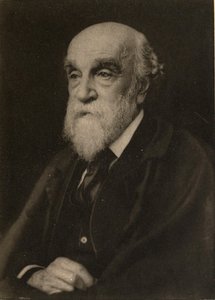
Lowes Cato Dickinson
1819 - 1908 , Regatul Unit al Marii Britanii și Irlandei
Detalii rapide
- Artistic Movement Or Style: Pre-Raphaelite
- Artists Or Movements Influenced By This Artist: ['Christian Socialism']
- Artists Who Influenced This Artist:
- John Ruskin
- Dante Gabriel Rossetti
- Date Of Birth: November 27, 1819
- Date Of Death: 1908
- Full Name: Lowes Cato Dickinson
- Nationality: British
- Notable Artworks:
- Gladstone's Cabinet (1868)
- Goldsworthy Lowes Dickinson
- Place Of Birth: Kilburn, United Kingdom