
 Previzualizare
 Trimite prin felicitare
 Distribuie
 Detalii despre lucrare
 Ghid
Ghid

 Descarcă imaginea
 Produse similare
 Radiografie
 Galerie foto
 Q&A
Q&A Statistici
James Anthony Froude

- 76.0 x 64.0 cm


 Vezi mai mult
Giclée / Imprimare artistică
Printuri giclée sau pe canvas de calitate muzeală, cu proces de producție rapid și opțiuni flexibile de finisare. ( Comandă pictură realizată manual Comută pe Imagine Digitală)




P118B lei10

P118H lei10

P118W lei10

P438Z lei10

P508JH lei12

P508YH lei12

P805H lei10

P805Z lei10

P919BZ lei10

P919G lei10

P919XJ lei10

P959ZH lei10

P968JZ lei12

W106C lei8

W218G lei10

W218JH lei8

W218Y lei10

W307PJ lei10

W316G lei10

W316PJ lei8

W316Y lei10

W398PJ lei8

W4111J lei10

W500HY lei15

W500JH lei15

W692G lei12

W849H lei8

W940BG lei15

W953PJ lei8




Alegeți dintre dimensiunile noastre prestabilite, care respectă proporțiile originale ale operei de artă.

Introduceți lățimea și înălțimea necesare pentru a se potrivi ramei sau peretelui dumneavoastră. O printare poate fi doar tăiată, niciodată extinsă dincolo de dimensiunea imaginii originale, astfel încât o dimensiune cu o formă diferită va pierde o parte din imagine. Vă trimitem o simulare digitală pentru aprobare înainte de a imprima orice. Imaginea afișată pe această pagină nu prezintă tăierea reală — doar simularea arată acest lucru.
Livrare în întreaga lume () în 2 săptămâni, în loc de cele 4/5 săptămâni standard. (1 Noiembrie)

Livrare expres gratuită la nivel mondial

Pânză de in de înaltă calitate

Asigurare completă pentru transport

Garanție de rambursare a taxelor vamale

Garanția fidelității culorilor

Politica de retur în 100 de zile (doar pentru defecte de fabricație)

Garanție de rambursare 100%

Ofertă pentru comenzi multiple
 Opțiunea cu sticlă este disponibilă doar pentru dimensiuni de sub 110 cm

James Anthony Froude
Giclée / Imprimare artistică
Dimensiune reproducere
-


Preț total calculat
lei 379
A Portrait of Reflection: James Anthony Froude by Lowes Cato Dickinson
Lowes Cato Dickinson’s 1890 portrait of James Anthony Froude is more than a simple likeness; it's a carefully constructed tableau of Victorian intellect and understated melancholy. The painting, housed within the hallowed halls of the University of Oxford, immediately draws the viewer in with its formal composition and rich palette – a testament to Dickinson’s mastery of oil paint and his ability to capture both physical presence and inner character.
Dickinson, a prominent figure in Victorian portraiture and a committed Christian socialist, was deeply embedded within the artistic and social currents of his time. His work often reflected these influences, as seen here in Froude’s dignified bearing and the subtle suggestion of contemplative thought. The painting wasn't merely commissioned; it felt like an attempt to immortalize a significant public figure, reflecting the esteem held for Froude’s historical writings and intellectual contributions.
The Anatomy of Form: Technique and Style
Dickinson’s technique is characterized by a meticulous attention to detail and a skillful manipulation of light and shadow. The portrait utilizes a one-point perspective, directing the viewer's gaze directly onto Froude’s face – an element that immediately establishes intimacy despite the formal setting. Notice how Dickinson builds up layers of paint to create texture in the fabric of Froude’s suit, subtly suggesting its weight and quality. The use of directional lighting, originating from the upper left, casts dramatic shadows across his features, emphasizing the lines of age and wisdom while simultaneously lending a sense of depth and volume.
The brushstrokes themselves are remarkably controlled, creating a smooth surface that reflects light beautifully. Dickinson’s choice of muted browns for the background provides a grounding element, preventing the focus from being solely on Froude himself. The overall effect is one of quiet dignity and restrained emotion – hallmarks of Dickinson's style.
Symbolism and Context: A Victorian Mind
Froude’s posture—slightly turned away, a hand resting loosely in his pocket—suggests a man lost in thought. He embodies the intellectual rigor of the late 19th century, grappling with complex historical questions and philosophical inquiries. The painting speaks to the era's fascination with history, morality, and the role of the individual within society – themes that were central to Froude’s own work.
Furthermore, the portrait is situated within a broader context of Victorian social reform movements. Dickinson was a staunch supporter of Christian socialism, advocating for improved working conditions and greater opportunities for the less fortunate. His decision to paint Froude, a prominent historian and public figure, could be interpreted as an attempt to elevate these ideals through artistic representation.
Emotional Resonance: A Glimpse into the Soul
Despite its formal presentation, “James Anthony Froude” possesses a profound emotional resonance. There’s a subtle melancholy in the subject's gaze, hinting at the weight of years and the complexities of human experience. The painting isn’t simply a record of appearance; it’s an invitation to contemplate the inner life of a man who shaped the intellectual landscape of his time. It is a poignant reminder of the enduring power of portraiture to capture not just likeness, but also spirit.
Întrebări și răspunsuri
„James Anthony Froude” are o previzualizare în realitate augmentată?
Poți vizualiza "James Anthony Froude" de Lowes Cato Dickinson pe propriul tău perete folosind pagina Previzualizare în AR a operei de artă, prin intermediul realității augmentate pe un dispozitiv compatibil.
Ce tehnică a fost utilizată pentru "James Anthony Froude" și în ce an a fost creată?
Tehnica utilizată pentru "James Anthony Froude" de Lowes Cato Dickinson este Oil On Canvas, iar lucrarea datează din 1890.
Ce nivel de saturație a culorilor are "James Anthony Froude" de Lowes Cato Dickinson?
"James Anthony Froude" de Lowes Cato Dickinson prezintă o saturație de Subtle Color.
Biografie artist
A Life Etched in Portraits: The World of Lowes Cato Dickinson
Lowes Cato Dickinson, born in Kilburn, London, in 1819, was a figure deeply embedded within the artistic and social currents of Victorian England. Coming from a family intimately connected to the art world—his father, Joseph Dickinson, being a respected lithographer and publisher on Bond Street—Dickinson’s path seemed preordained. Yet, his journey wasn't merely one of inheritance but of active engagement with the evolving aesthetic sensibilities and progressive social movements of his time. One of eleven siblings, he received his early education at Topsham School and Dr Lord's School in Tooting, grounding him in a solid foundation before fully immersing himself within the family business following his father’s death in 1849. He then joined forces with his brothers, Gilbert Bell Dickinson and William Robert Dickinson, to continue the legacy of Dickinson Brothers on Bond Street, a firm that quickly became synonymous with quality art publishing and photography. This early exposure wasn't simply about commerce; it was an apprenticeship in visual culture, shaping his eye for detail and composition—qualities that would define his later work as a portraitist.The Pre-Raphaelite Circle and the Call of Social Reform
Dickinson’s artistic development took a significant turn with a three-year sojourn in Italy around 1850. This period proved formative, exposing him to the masterpieces of the Renaissance and influencing his evolving style. He absorbed the stylistic principles championed by Dante Gabriel Rossetti and John Ruskin—a fervent desire for truth to nature combined with an emotional intensity that would become hallmarks of his oeuvre. The Pre-Raphaelite Brotherhood’s emphasis on rejecting academic conventions and celebrating medieval art profoundly impacted Dickinson's artistic vision. Beyond aesthetics, however, was a burgeoning sense of social responsibility. He became deeply involved in the Christian socialist movement, recognizing the urgent need for moral reform amidst the rapid industrialization of Victorian Britain. This conviction fueled his dedication to establishing the Working Men’s College in London—a pioneering institution committed to providing accessible education to underprivileged individuals and embodying his belief in the transformative potential of knowledge. The collaboration with fellow Pre-Raphaelites like Frederic Denison Maurice solidified Dickinson's position within this influential artistic milieu, fostering dialogues about art’s role in shaping societal values.A Portraitist of Victorian Society
Lowes Cato Dickinson distinguished himself as a remarkably skilled portrait painter during the Victorian era—a period characterized by social stratification and burgeoning industrial growth. Unlike many artists preoccupied with grand historical narratives or mythological themes, Dickinson focused on capturing the essence of his subjects—prominent figures who exerted considerable influence over British society. His technique was particularly noteworthy: he eschewed elaborate backgrounds, concentrating instead on meticulously rendering the faces of his sitters with painstaking detail. This approach allowed him to convey personality and character through subtle shading and nuanced expressions—a testament to his artistic sensitivity. He achieved renown for his distinctive method – often completing portraits solely by focusing on facial features, entrusting the depiction of clothing and accessories to other artists. This collaborative strategy maximized Dickinson’s ability to communicate inner life and psychological depth. Among his celebrated commissions were portraits of Queen Victoria herself—a symbol of imperial grandeur—members of Parliament representing diverse political viewpoints, and luminaries from science and literature like Arthur Cayley and James Clerk Maxwell. He also undertook significant projects for charitable organizations and educational institutions, reflecting his unwavering commitment to social betterment. His most iconic portrait remains that of Mr. Gladstone—captured within the hallowed halls of Downing Street—a masterpiece embodying both formal elegance and psychological insight. Dickinson’s enduring legacy resides not only in the beauty of his artworks but also in their contribution to documenting Victorian society—preserving memories of individuals who shaped Britain's cultural landscape.Legacy and Enduring Influence
Dickinson’s influence extended far beyond the canvases he adorned with faces. His meticulous attention to detail and profound understanding of human psychology established him as a singular figure within Victorian portraiture. The Working Men’s College continues to honor his memory through the annual Lowes Dickinson Award—a prestigious prize recognizing excellence in student art endeavors. Furthermore, his children bequeathed funds for establishing a travel scholarship—promoting artistic exploration and fostering connections between cultures. His papers—carefully archived at Princeton, Oxford, and Cambridge Universities—provide invaluable insights into Victorian art history and social thought. Lowes Cato Dickinson’s life exemplifies the harmonious convergence of artistic talent, intellectual curiosity, and unwavering devotion to humanitarian ideals—a testament to his enduring contribution to British culture and a beacon for future generations striving to capture the spirit of their own time.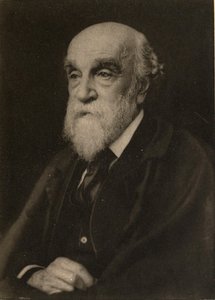
Lowes Cato Dickinson
1819 - 1908 , Regatul Unit al Marii Britanii și Irlandei
Detalii rapide
- Artistic Movement Or Style: Pre-Raphaelite
- Artists Or Movements Influenced By This Artist: ['Christian Socialism']
- Artists Who Influenced This Artist:
- John Ruskin
- Dante Gabriel Rossetti
- Date Of Birth: November 27, 1819
- Date Of Death: 1908
- Full Name: Lowes Cato Dickinson
- Nationality: British
- Notable Artworks:
- Gladstone's Cabinet (1868)
- Goldsworthy Lowes Dickinson
- Place Of Birth: Kilburn, United Kingdom
Articole similare

Sir Alfred James Munnings: Cele Mai Iubite 25 de Capodopere – Artă Excepțională pentru Decorul Casei Tale
Descoperă cele mai frumoase 25 de picturi ale lui Alfred James Munnings! Explorează capodoperele impresionismului britanic, scene rurale vibrante și arta ecvestră. Reproduceri de artă de calitate muzeală pentru decorul casei tale pe OriginalUniqueArt.com

The Enduring Legacy of Oil on Canvas: Technique, History & Aesthetic Impact
Explore the rich history & techniques of oil painting – from Renaissance masters to Impressionism. Discover pigments, layering methods, and why this timeless medium endures. Expert insights for artists & art enthusiasts.

Oil on Canvas: A Historical & Technical Exploration of a Timeless Artistic Medium
Explore the rich history & enduring techniques of oil painting on canvas. Discover the science behind its longevity, conservation practices, and contemporary relevance. Expert insights for art enthusiasts.
James Sant: Capturing Victorian Childhood & the Evolving Landscape of British Genre Painting
Explore the life & art of James Sant (1820-1916), renowned Victorian portraitist to Queen Victoria. Discover his captivating depictions of childhood, landscapes, and aristocratic society. Learn about his legacy & find fine art reproductions.

Top 25 de Capodopere James Abbott McNeill Whistler: Artă, Istorie și Decor Excepțional
Descoperă top 25 de picturi James Abbott McNeill Whistler, maeștri ai impresionismului și esteticismului. Explorează nocturnele, portretele și capodoperele sale pline de atmosferă pe OriginalUniqueArt.com! Reproduceri artă de calitate superioară pentru decorul perfect.


