

 Vezi în context
 Trimite
 Distribuie
 Detalii
 Ghidul

 Descarcă
 Produse similare
 Radiografie
 Diaporama
 Statistici
Henry Wilkinson Cookson


 Citește mai mult
Giclée / Imprimare artistică
Printuri giclée sau pe canvas de calitate muzeală, cu proces de producție rapid și opțiuni flexibile de finisare. ( Comandă pictură realizată manual Treci la imagine digitală)




P118B lei10

P118H lei10

P118W lei10

P438Z lei10

P508JH lei12

P508YH lei12

P805H lei10

P805Z lei10

P919BZ lei10

P919G lei10

P919XJ lei10

P959ZH lei10

P968JZ lei12

W106C lei8

W218G lei10

W218JH lei8

W218Y lei10

W307PJ lei10

W316G lei10

W316PJ lei8

W316Y lei10

W398PJ lei8

W4111J lei10

W500HY lei15

W500JH lei15

W692G lei12

W849H lei8

W940BG lei15

W953PJ lei8




Alegeți dintre dimensiunile noastre prestabilite, care respectă proporțiile originale ale operei de artă.

Introduceți lățimea și înălțimea de care aveți nevoie, pentru a se potrivi ramei sau peretelui dumneavoastră. O printare poate fi doar tăiată, niciodată extinsă dincolo de dimensiunea imaginii originale, astfel încât o dimensiune cu o formă diferită va pierde o parte din imagine. Vă trimitem o simulare digitală pentru aprobare înainte de a imprima orice. Imaginea afișată pe această pagină nu prezintă tăierea reală — doar simularea arată acest lucru.
Livrare în întreaga lume () în 2 săptămâni, în loc de cele 4/5 săptămâni standard. (23 Octombrie)

Livrare expres gratuită la nivel mondial

Pânză de in premium

Asigurare completă pentru transport

Garanție de rambursare a taxelor vamale

Garanția fidelității culorilor

Politica de retur în 100 de zile (doar pentru defecte)

Garanție de rambursare 100%

Reducere pentru comenzi multiple
 Opțiunea cu sticlă este disponibilă doar pentru dimensiuni de sub 110 cm

Henry Wilkinson Cookson
Giclée / Imprimare artistică
Dimensiune reproducere
-


Preț total
lei 370
Descoperirea unei Epoci: Portraitul lui Henry Wilkinson Cookson de Lowes Cato Dickinson
Henry Wilkinson Cookson este mai mult decât o simplă pictură; este o fereastră către Londra victoriană și înțelegerea unei figuri importante în lumea academiei britanice. Acest portret impresionant, realizat în anul 1875 de Lowes Cato Dickinson, nu doar surprinde fizicul unui bărbat distinse, ci și emoțiile și gândurile unei persoane marcate de timpul său. În calitate de artist contemporan cu Peterhouse College, Dickinson a fost martor la schimbările sociale și culturale ale vremii și aceste influențe sunt evidente în stilul și abordarea sa artistică.- Stil și Tehnică: Pictura este caracterizată printr-o tehnică realistă clasică, reprezentând adevărul vizual cu meticulozitate impresionistă. Dickinson aplică uleiuri pe lemn într-un mod atent la detalii, folosind lumina și umbra pentru a crea un efect tridimensional puternic și pentru a accentua textura pielii și a îmbrăcămintei subiectului.
- Context Istoric: Londra în timpul lui Dickinson era o lume în schimbare, dominată de progresism intelectual și moral. Cookson reprezintă figura unui profesor universitar angajat în cercetări și educație, simbol al unei societăți preocupate de dezvoltarea intelectuală și spirituală.
- Detalii Vizuale: În cadrul imaginii putem observa un bărbat îmbrăcat într-o rochie roșie peste o cămaș neagră, completată de un cravată albă și elegantă. Această alegere vestimentară reflectă statutul social și profesional al subiectului și este în concordanță cu atmosfera sofisticată a vremii.
- Simbolism: Culorile folosite sunt puternic simbolice – culoarea roșie evocă puterea și statutul, în timp ce albastrul poate reprezenta inteligența și stabilitatea emoțională. În plus, expresia facială serioasă a lui Cookson transmite concentrarea și gândirea profundă.
Întrebări și răspunsuri
Când a fost creată „Henry Wilkinson Cookson” și la ce curent artistic aparține?
„Henry Wilkinson Cookson” a fost creat în 1875, fiind o operă a mișcării Victorian Portraiture. Data și stilul ancorează lucrarea în istoria artei.
Cum se combină contrastul și armonia în "Henry Wilkinson Cookson"?
În "Henry Wilkinson Cookson", un Delicat contrast este împletuit cu o Unitate cromatică puternică armonie.
Ce dimensiune de tipar pentru "Henry Wilkinson Cookson" de Lowes Cato Dickinson se potrivește cu camera recomandată?
Într-o Living Room, pentru "Henry Wilkinson Cookson", recomandăm o dimensiune de tipar de Mare.
Biografie artist
A Life Etched in Portraits: The World of Lowes Cato Dickinson
Lowes Cato Dickinson, born in Kilburn, London, in 1819, was a figure deeply embedded within the artistic and social currents of Victorian England. Coming from a family intimately connected to the art world—his father, Joseph Dickinson, being a respected lithographer and publisher on Bond Street—Dickinson’s path seemed preordained. Yet, his journey wasn't merely one of inheritance but of active engagement with the evolving aesthetic sensibilities and progressive social movements of his time. One of eleven siblings, he received his early education at Topsham School and Dr Lord's School in Tooting, grounding him in a solid foundation before fully immersing himself within the family business following his father’s death in 1849. He then joined forces with his brothers, Gilbert Bell Dickinson and William Robert Dickinson, to continue the legacy of Dickinson Brothers on Bond Street, a firm that quickly became synonymous with quality art publishing and photography. This early exposure wasn't simply about commerce; it was an apprenticeship in visual culture, shaping his eye for detail and composition—qualities that would define his later work as a portraitist.The Pre-Raphaelite Circle and the Call of Social Reform
Dickinson’s artistic development took a significant turn with a three-year sojourn in Italy around 1850. This period proved formative, exposing him to the masterpieces of the Renaissance and influencing his evolving style. He absorbed the stylistic principles championed by Dante Gabriel Rossetti and John Ruskin—a fervent desire for truth to nature combined with an emotional intensity that would become hallmarks of his oeuvre. The Pre-Raphaelite Brotherhood’s emphasis on rejecting academic conventions and celebrating medieval art profoundly impacted Dickinson's artistic vision. Beyond aesthetics, however, was a burgeoning sense of social responsibility. He became deeply involved in the Christian socialist movement, recognizing the urgent need for moral reform amidst the rapid industrialization of Victorian Britain. This conviction fueled his dedication to establishing the Working Men’s College in London—a pioneering institution committed to providing accessible education to underprivileged individuals and embodying his belief in the transformative potential of knowledge. The collaboration with fellow Pre-Raphaelites like Frederic Denison Maurice solidified Dickinson's position within this influential artistic milieu, fostering dialogues about art’s role in shaping societal values.A Portraitist of Victorian Society
Lowes Cato Dickinson distinguished himself as a remarkably skilled portrait painter during the Victorian era—a period characterized by social stratification and burgeoning industrial growth. Unlike many artists preoccupied with grand historical narratives or mythological themes, Dickinson focused on capturing the essence of his subjects—prominent figures who exerted considerable influence over British society. His technique was particularly noteworthy: he eschewed elaborate backgrounds, concentrating instead on meticulously rendering the faces of his sitters with painstaking detail. This approach allowed him to convey personality and character through subtle shading and nuanced expressions—a testament to his artistic sensitivity. He achieved renown for his distinctive method – often completing portraits solely by focusing on facial features, entrusting the depiction of clothing and accessories to other artists. This collaborative strategy maximized Dickinson’s ability to communicate inner life and psychological depth. Among his celebrated commissions were portraits of Queen Victoria herself—a symbol of imperial grandeur—members of Parliament representing diverse political viewpoints, and luminaries from science and literature like Arthur Cayley and James Clerk Maxwell. He also undertook significant projects for charitable organizations and educational institutions, reflecting his unwavering commitment to social betterment. His most iconic portrait remains that of Mr. Gladstone—captured within the hallowed halls of Downing Street—a masterpiece embodying both formal elegance and psychological insight. Dickinson’s enduring legacy resides not only in the beauty of his artworks but also in their contribution to documenting Victorian society—preserving memories of individuals who shaped Britain's cultural landscape.Legacy and Enduring Influence
Dickinson’s influence extended far beyond the canvases he adorned with faces. His meticulous attention to detail and profound understanding of human psychology established him as a singular figure within Victorian portraiture. The Working Men’s College continues to honor his memory through the annual Lowes Dickinson Award—a prestigious prize recognizing excellence in student art endeavors. Furthermore, his children bequeathed funds for establishing a travel scholarship—promoting artistic exploration and fostering connections between cultures. His papers—carefully archived at Princeton, Oxford, and Cambridge Universities—provide invaluable insights into Victorian art history and social thought. Lowes Cato Dickinson’s life exemplifies the harmonious convergence of artistic talent, intellectual curiosity, and unwavering devotion to humanitarian ideals—a testament to his enduring contribution to British culture and a beacon for future generations striving to capture the spirit of their own time.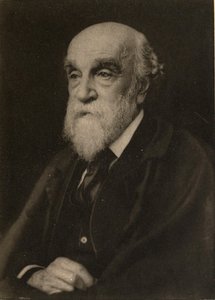
Lowes Cato Dickinson
1819 - 1908 , Regatul Unit al Marii Britanii și Irlandei
Informații rapide
- Artistic Movement Or Style: Pre-Raphaelite
- Artists Or Movements Influenced By This Artist: ['Christian Socialism']
- Artists Who Influenced This Artist:
- John Ruskin
- Dante Gabriel Rossetti
- Date Of Birth: November 27, 1819
- Date Of Death: 1908
- Full Name: Lowes Cato Dickinson
- Nationality: British
- Notable Artworks:
- Gladstone's Cabinet (1868)
- Goldsworthy Lowes Dickinson
- Place Of Birth: Kilburn, United Kingdom
Articole conexe

The Enduring Legacy of Oil on Canvas: Technique, History & Aesthetic Impact
Explore the rich history & techniques of oil painting – from Renaissance masters to Impressionism. Discover pigments, layering methods, and why this timeless medium endures. Expert insights for artists & art enthusiasts.

Moștenirea Durabilă a Picturii în Ulei: Tehnică, Istorie și Practică Contemporană
Descoperă istoria fascinantă și tehnicile esențiale ale picturii în ulei. Ghid complet pentru artiști, de la materiale până la creații contemporane. Îmbunătățește-ți abilitățile artistice!

The Enduring Power of Painting: A Historical & Contemporary Exploration of Form and Emotion
Explore the rich history & enduring techniques of oil painting with OriginalUniqueArt. Discover masterpieces, learn about art collecting, and find authentic handmade reproductions crafted by skilled artists.

The Timeless Charm of Oil on Board: Reimagining Texture and Light through the Impressionist Lens
Discover the profound intimacy of oil on panel. Explore how Impressionist masters used rigid supports to capture light, texture, and impasto depth through exquisite, handmade oil reproductions for discerning collectors.

Oil on Canvas: A Historical & Technical Exploration of a Timeless Artistic Medium
Explore the rich history & enduring techniques of oil painting on canvas. Discover the science behind its longevity, conservation practices, and contemporary relevance. Expert insights for art enthusiasts.


