
 Previzualizare
 Trimite prin felicitare
 Distribuie
 Detalii despre lucrare
 Ghid
Ghid

 Descarcă imaginea
 Produse similare
 Radiografie
 Galerie foto
 Statistici
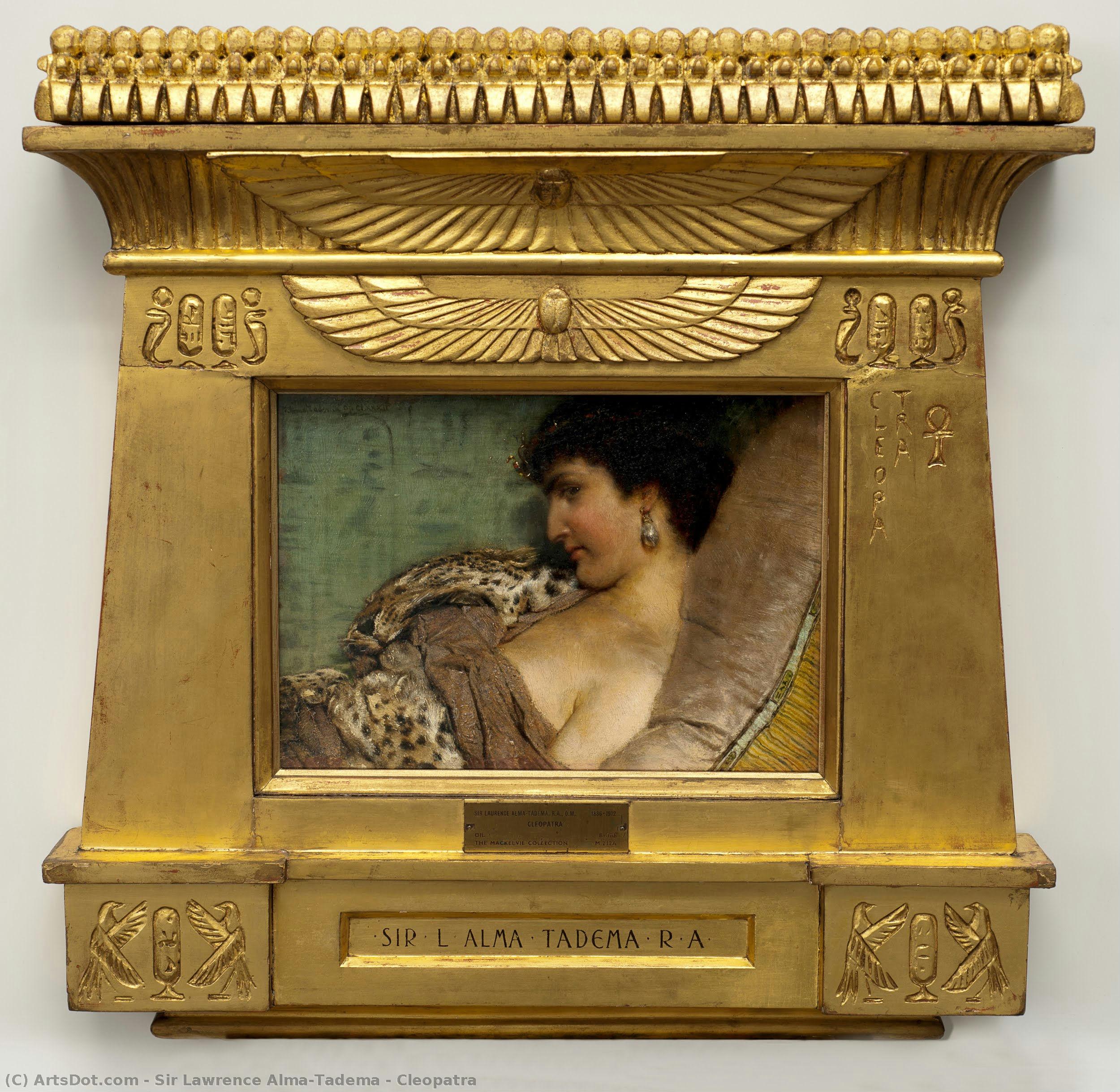
Cleopatra
 Acrylic On Canvas
- WallArt
- Victorian Romanticism
 1877
1877 46.0 x 44.0 cm
 Auckland Art Gallery Toi o Tāmaki
 Vezi mai mult
Giclée / Imprimare artistică
Printuri giclée sau pe canvas de calitate muzeală, cu proces de producție rapid și opțiuni flexibile de finisare. ( Comandă pictură realizată manual Comută pe Imagine Digitală)




P118B lei10

P118H lei10

P118W lei10

P438Z lei10

P508JH lei12

P508YH lei12

P805H lei10

P805Z lei10

P919BZ lei10

P919G lei10

P919XJ lei10

P959ZH lei10

P968JZ lei12

W106C lei8

W218G lei10

W218JH lei8

W218Y lei10

W307PJ lei10

W316G lei10

W316PJ lei8

W316Y lei10

W398PJ lei8

W4111J lei10

W500HY lei15

W500JH lei15

W692G lei12

W849H lei8

W940BG lei15

W953PJ lei8




Alegeți dintre dimensiunile noastre prestabilite, care respectă proporțiile originale ale operei de artă.

Introduceți lățimea și înălțimea necesare pentru a se potrivi ramei sau peretelui dumneavoastră. O printare poate fi doar tăiată, niciodată extinsă dincolo de dimensiunea imaginii originale, astfel încât o dimensiune cu o formă diferită va pierde o parte din imagine. Vă trimitem o simulare digitală pentru aprobare înainte de a imprima orice. Imaginea afișată pe această pagină nu prezintă tăierea reală — doar simularea arată acest lucru.
Livrare în întreaga lume () în 2 săptămâni, în loc de cele 4/5 săptămâni standard. (27 Octombrie)

Livrare expres gratuită la nivel mondial

Pânză de in de înaltă calitate

Asigurare completă pentru transport

Garanție de rambursare a taxelor vamale

Garanția fidelității culorilor

Politica de retur în 100 de zile (doar pentru defecte de fabricație)

Garanție de rambursare 100%

Ofertă pentru comenzi multiple
 Opțiunea cu sticlă este disponibilă doar pentru dimensiuni de sub 110 cm

Cleopatra
Giclée / Imprimare artistică
Dimensiune reproducere
-


Preț total calculat
lei 371
A Portrait of Power and Intrigue: Exploring Alma Tadema’s Cleopatra
Lawrence Alma-Tadema's "The Meeting of Antony and Cleopatra," completed in 1877, transcends mere depiction; it embodies the opulent drama of Shakespeare’s iconic tale. More than just a visual record of history, this monumental oil painting delves into psychological complexities and artistic innovation—a testament to Tadema’s mastery of capturing both grandeur and subtle emotion. The artwork's enduring fascination stems from its meticulous attention to detail and its ability to convey the palpable tension between ambition and desire.- Subject Matter: The scene portrays Antony and Cleopatra seated at a banquet table, immediately after Cleopatra unveils her audacious gesture—dissolving an earring in wine as a challenge to Antony’s prowess. This moment encapsulates the crux of Shakespeare's narrative and Tadema brilliantly translates it onto canvas.
- Style & Technique: Tadema adhered rigorously to academic conventions, prioritizing realism and meticulous observation. His technique involved layering thin glazes over toned ground, achieving remarkable luminosity and capturing the textures of fabrics—the sumptuous silks and velvets adorning Cleopatra’s attire are particularly noteworthy. The artist skillfully employs chiaroscuro – dramatic contrasts between light and dark – to sculpt the figures and heighten the theatrical atmosphere.
- Historical Context: Painted during the Victorian era, “The Meeting” reflects a fascination with classical antiquity and Roman decadence. Tadema meticulously researched historical costumes and interiors, striving for accuracy that would impress discerning audiences. The painting speaks to anxieties about social morality alongside an appreciation for beauty and luxury—a characteristic blend of Victorian sensibilities.
- Symbolism: Cleopatra’s gesture is laden with symbolic significance. It represents her defiance of convention and her calculated manipulation of Antony's ego, highlighting her intelligence and cunning. The wine symbolizes indulgence and the ephemeral nature of pleasure, mirroring the doomed romance at its core. Furthermore, the opulent setting underscores the vast disparity between power and vulnerability.
- Emotional Impact: Tadema’s masterful composition compels viewers to contemplate the psychological dynamics between Antony and Cleopatra. The gaze exchanges convey unspoken desires and anxieties—a subtle yet powerful portrayal of human emotion. The painting evokes a sense of grandeur, mystery, and ultimately, tragedy, cementing its place as one of Alma-Tadema's most celebrated achievements.
A Closer Examination: Detail and Composition
The artist’s dedication to realism is evident in every brushstroke. Observe the painstaking rendering of Cleopatra’s jewelry—the pearl earring, painstakingly dissolved in wine—a symbol of her audacious challenge. Tadema's use of color palettes contributes significantly to the painting's mood; cool blues and greens dominate the background, contrasting sharply with the warm hues of Antony’s robes and Cleopatra’s skin tones. The positioning of the figures—Cleopatra seated centrally, Antony slightly angled—creates a dynamic interplay between dominance and vulnerability.Alma Tadema’s Legacy: Influence and Recognition
Lawrence Alma-Tadema remains an influential figure in Victorian art history. His meticulous approach to depicting classical subjects established him as a pioneer of academic painting, influencing generations of artists. Despite fading popularity during the 20th century, Tadema's work experienced a revival in recent decades, appreciated for its artistic merit and its ability to transport viewers back to a bygone era. Reproductions of “The Meeting” continue to adorn homes and galleries worldwide—a testament to the painting’s enduring beauty and narrative power.Exploring Reproduction Options
OriginalUniqueArt offers high-quality reproductions of Alma Tadema's "The Meeting of Antony and Cleopatra," meticulously crafted to capture the essence of the original masterpiece. Choose from a range of sizes and framing options to elevate your interior décor and immerse yourself in the captivating world of Victorian art history. Discover the timeless allure of this iconic painting today!Întrebări și răspunsuri
Cine este autorul și din ce an este "Cleopatra"?
Lourens Alma Tadema a creat "Cleopatra" în 1877.
"Cleopatra" de Lourens Alma Tadema face parte din domeniul public?
"Cleopatra" de Lourens Alma Tadema este în domeniul public (în domeniul public – drepturile de autor au expirat). Acest statut reglementează modul în care imaginea lucrării poate fi reprodusă.
Ce amplasare se potrivește formatului lucrării "Cleopatra" de Lourens Alma Tadema?
Cu formatul său Square, o reproducere a operei „Cleopatra” este recomandată pentru un Living Room.
Biografie artist
Early Life and Artistic Beginnings
Lourens Alma Tadema, mai târziu Lawrence Alma Tadema, s-a născut în Dronryp, Friesland, Țările de Jos, pe 8 ianuarie 1836. Tatăl său, Pieter Jiltes Tadema, notar local, avea trei băieți din prima căsătorie și mama sa, Hinke Dirks Brouwer, era sora jumătate a soției sale primului soț. Familia Tadema s-a mutat în Leeuwarden în 1838, unde Pieter a obținut o poziție mai profitabilă ca notar. Tatăl său a murit când Laurens avea patru ani, lăsând-o pe mama sa cu cinci copii: Laurens, sora sa și trei băieți din primul soț al lui Pieter. Hinke Brouwer avea aspirații artistice și a decis să includă lecțiile de desen în educația copiilor. A primit primele sale instruiri de artă de la un maestru local angajat să le predea pe cei mai mari dintre frații săi jumătate. Era intenționat ca Laurens să devină avocat, dar în 1851 a suferit o criză fizică și mentală. Diagnosticit cu consumție, fiind dat doar câteva luni de viață, i-au fost permise să își petreacă zilele rămase la eliberare, desenând și pictând. Lăsat pe seama propriei sale inițiative, a recuperat sănătatea și a decis să urmeze o carieră în artă. În 1852 s-a înscris la Academia Regală din Antwerpen, unde a studiat maeștri olandezi și flamande timpurii, absorbând în același timp detaliile minuțioase cerute de acuratețea istorică. În cei patru ani petrecuți ca student înregistrat la Academie, Laurens a câștigat mai multe premii respectabile. Înainte de a pleca din școală, spre sfârșitul anului 1855, a devenit asistentul pictorului Louis Jan de Taeye, cursurile despre istorie și costume istorice pe care le-a apreciat foarte mult la Academie. De Taeye i-a prezentat cărți care au influențat dorința sa de a reprezenta subiecte merovingiene devreme în carieră. I s-a încurajat să descrie acuratețe istorică în picturile sale, o trăsătură pentru care artistul a devenit cunoscut. Laurens Tadema a luat această critică foarte în serios și aceasta l-a determinat să își îmbunătățească tehnica și să devină cel mai bun pictor din lume al marmurei și al granitelor varioate.Exploring Antiquity: Merovingian Mysteries and Egyptian Visions
Laurens Alma Tadema’s artistic trajectory began with explorations of Merovingian themes—the Frankish dynasty that ruled after the fall of the Western Roman Empire. These early works, though demonstrating his burgeoning talent for historical detail and narrative composition, didn’t achieve the widespread acclaim he would later find. He was encouraged to depict historic accuracy in his paintings, a trait for which the artist became known. However Merovingian subjects did not have a wide international appeal, so he switched to themes of life in ancient Egypt, then to the classical world of Greece and Rome. This transition wasn’t arbitrary; it reflected a growing public appetite for romanticized visions of antiquity, fueled by archaeological discoveries and a Victorian fascination with moral lessons drawn from the past.The Architect of Atmosphere: Detail and Light
What truly set Alma Tadema apart was his unparalleled ability to create atmosphere. He wasn't just painting objects; he was capturing the very *feeling* of sunlight on marble, the coolness of mosaic floors underfoot, the gentle murmur of fountains in a Roman atrium. This mastery stemmed from an obsessive attention to detail and a deep understanding of materials. He meticulously researched ancient architecture, furniture, and clothing, ensuring that every element within his compositions was historically plausible. But beyond accuracy, he possessed a remarkable talent for rendering light and texture. His marble gleamed with a lifelike luminosity, his fabrics flowed with graceful realism, and his water shimmered with captivating clarity. This dedication to verisimilitude wasn’t merely about technical skill; it was about creating an illusion of reality so convincing that viewers felt transported to another time and place. He even went as far as to build miniature models of the settings he intended to paint, ensuring perfect perspective and architectural accuracy.The Roman Ideal: Opulence and Grandeur
Alma-Tadema’s most celebrated works depict scenes from the Roman Empire—a period that held an enduring fascination for Victorian England. He didn't simply recreate historical events; instead, he constructed idealized visions of Roman life, filled with luxurious interiors, elaborate costumes, and a pervasive sense of leisure and decadence. His paintings are not portraits of history but rather carefully crafted fantasies, designed to evoke the grandeur and sophistication of a bygone era. The use of rich colors, intricate patterns, and meticulously rendered details—from the folds of silk drapery to the gleam of polished marble—created an immersive experience for the viewer, transporting them to a world of opulent beauty.Influence and Legacy
Despite a somewhat belated recognition during his lifetime, Alma-Tadema’s work gained considerable popularity in the 20th century, particularly after World War II. His meticulous realism and atmospheric effects were admired by critics and collectors alike, establishing him as one of the most important figures in Victorian painting. He influenced generations of artists with his dedication to detail and his ability to capture the essence of a bygone era. Today, his paintings are exhibited in major museums around the world, and his legacy continues to inspire artists and art lovers who appreciate the beauty and technical skill of classical representation. His depictions of Roman life profoundly influenced popular perceptions of antiquity, shaping how generations imagined the world of emperors, gladiators, and philosophers.Laura Theresa Alma-Tadema
Laura Theresa Alma-Tadema, Lady Alma-Tadema (născută 16 aprilie 1852, Londra, Regatul Unit al Marii Britanii și Irlandei – decedată pe 15 august 1909, Hindhead, Anglia, Regatul Unit al Marii Britanii și Irlandei) a fost o pictoriță engleză specializată în realizarea picturilor de scene domestice și a unor scene cu femei și copii. Optsprezece dintre picturile ei au fost expuse la Royal Academy. Soțul ei, Lawrence Alma-Tadema, a fost și el pictor.
Lourens Alma Tadema
1836 - 1912 , Olanda
Detalii rapide
- Artistic Movement Or Style: Pictură victoriană
- Artists Or Movements Influenced By This Artist: ['Romanticism']
- Artists Who Influenced This Artist: ['Louis Jan de Taeye']
- Date Of Birth: 8 ianuarie 1836
- Date Of Death: 25 iunie 1912
- Full Name: Lourens Alma Tadema
- Nationality: Olandez
- Notable Artworks:
- A Kiss
- Ask Me No More
- A Coign of Vantage
- Place Of Birth: Dronryp, Olanda
Articole similare
Sebastiano del Piombo: Bridging Venetian Colorism & Roman Grand Manner Portraiture
Explore the captivating art of Sebastiano del Piombo, a Renaissance master bridging Venetian colorism & Roman grandeur. Discover his iconic portraits and lasting influence on art history. Learn more at OriginalUniqueArt.

Bartolomeo Pinelli: Neoclassical Linearity & Roman Topography of Memory
Explore the captivating world of Bartolomeo Pinelli, a master Italian engraver renowned for his evocative Roman scenes & historical narratives. Discover his art and legacy with OriginalUniqueArt.

Sir Lawrence Alma-Tadema: A Study in Victorian Aestheticism & Classical Antiquity
Explore the captivating world of Sir Lawrence Alma-Tadema, a master of Victorian Aestheticism. Discover his stunning depictions of ancient Rome, artistic techniques, and enduring legacy with OriginalUniqueArt.

Golden Hour on the Nile: Symbolism & Artistic Legacy of Egyptian Sunsets
Explore the rich symbolism of Egyptian sunset paintings & their artistic legacy. Discover how color, ritual, and landscape shaped ancient beliefs – a guide for discerning collectors.
Timeless Grandeur: Capturing the Majesty of Roman Architecture through the Lens of Art History
Explore the profound beauty of Roman architecture through art history. From Piranesi's evocative engravings to classical masterpieces, discover how the grandeur of ancient Rome continues to inspire collectors and art enthusiasts worldwide.


