
 Previzualizare
 Trimite
 Distribuie
 Detalii despre lucrare

 Descarcă
 Produse similare
 Radiografie
 Diapozitive automate
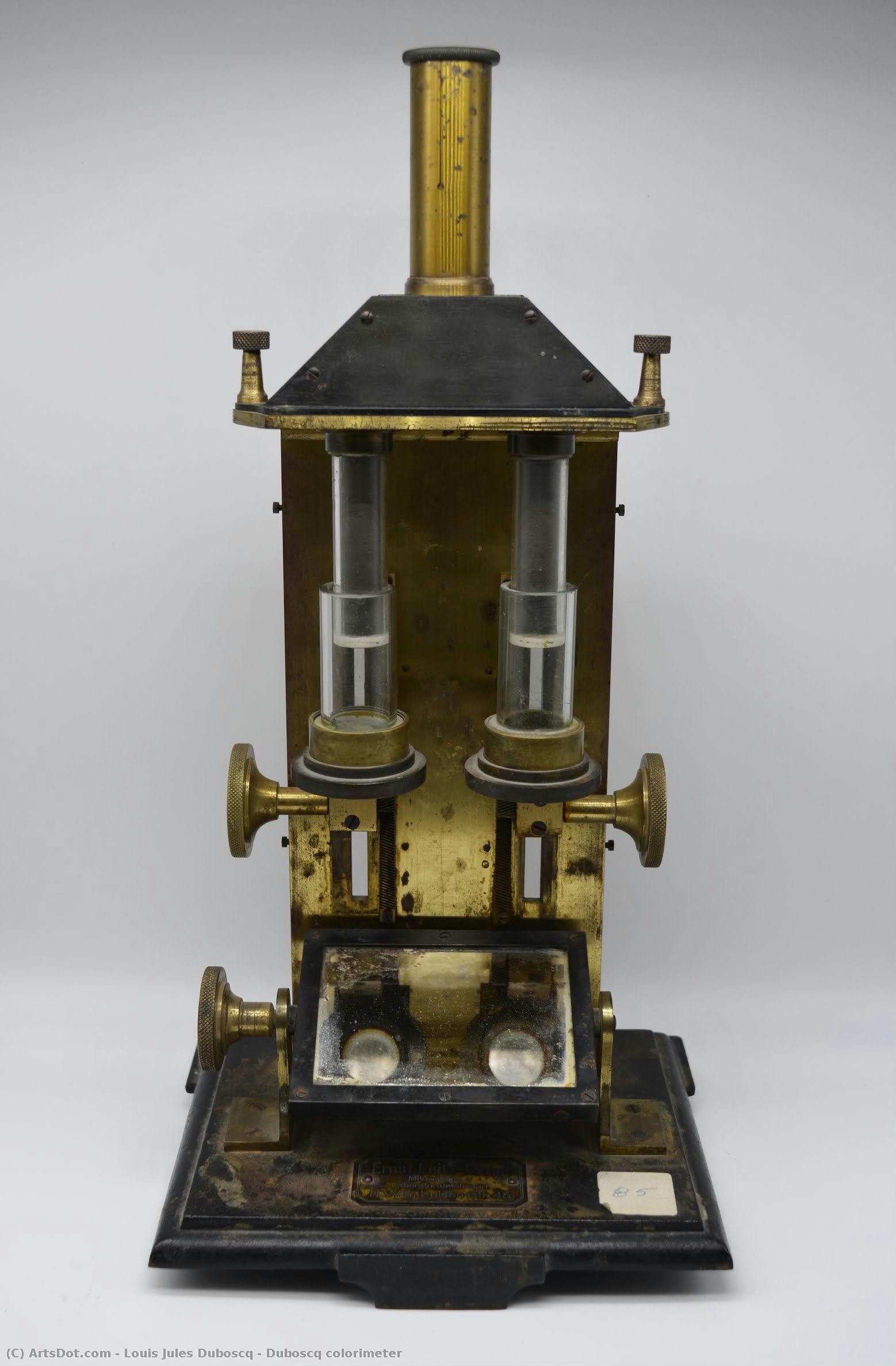
Duboscq colorimeter

 Vezi mai mult
Achiziționați o imagine digitală de înaltă rezoluție, îmbunătățită, mult superioară previzualizării online.
Fiecare fișier este pregătit cu meticulozitate de specialiștii noștri interni, utilizând instrumente avansate și retușare manuală expertă. Ne asigurăm că fiecare imagine beneficiază de o claritate excepțională, o acuratețe precisă a culorilor și detalii fine.
Fișierul final este livrat prin e-mail în termen de 72 de ore, optimizat pentru utilizare imediată în medii profesionale, editoriale și de imprimare. Aceasta este aceeași calitate în care au încredere studiouri de design, edituri și galerii de top.
Imagine Digitală
Descărcați un fișier la rezoluție înaltă pentru afișare personală, imprimare și proiecte creative. ( Comandă printul Comandă pictură lucrată manual)
Inclus în fiecare comandă de imagini digitale
Livrare digitală de expertiză, garantată
Când alegeți OriginalUniqueArt.com, nu primiți doar o simplă imagine – primiți o operă de artă digitală îmbunătățită profesional, creată cu precizie și susținută de o garanție de satisfacție. Iată tot ceea ce primești odată cu comanda ta, în mod automat:

Livrare rapidă prin e-mail
Fișierul imaginii digitale la rezoluție înaltă vă va fi trimis prin e-mail în termen de 72 de ore de la finalizarea comenzii – gata pentru utilizare imediată.

Fișier digital optimizat prin IA
Opera ta de artă este optimizată profesional prin intermediul unor instrumente AI avansate și al editării manuale, asigurând un nivel maxim de detalii, claritate și acuratețe a culorilor.

Retransmitere gratuită pe viață
Ai șters sau ai pierdut din greșeală fișierul? Nu îți face griji – ți-l vom retrimite oricând, gratuit.

Fără taxe de import – Întotdeauna
Bucură-te instant de noua ta operă de artă, fără taxe vamale, taxe de import sau costuri de livrare – descărcările digitale sunt întotdeauna fără taxe.

Garanția acurateții culorilor
Asigurăm o reflectare cât mai fidelă a culorilor originale în imaginea ta digitală, prin utilizarea unor instrumente profesionale și a proceselor de gestionare a culorii.

Garanție de satisfacție de 60 de zile
Dacă nu sunteți mulțumit de imaginea digitală achiziționată, o vom revizui sau vă vom returna 100% în termen de 60 de zile – fără nicio explicație necesară.

Garanție de returnare 100% a banilor
Nu ești mulțumit? Obține o rambursare completă în termen de 60 de zile de la primirea fișierului tău digital – fără întrebări.

Reduceri pentru comenzi în volum
Cumpără 3 imagini, economisește 10% - Cumpără 5, economisește 15% - Cumpără 10+, economisește 20%. Ideal pentru proiecte creative, galerii și agenții.
Descriere obiect de colecție
Biografie artist
A Legacy of Light: Louis Jules Duboscq and the Precision of Vision
Louis Jules Duboscq, born in 1817 in the quiet village of Villaines-sous-Bois near Paris, was not merely an instrument maker; he was a sculptor of light itself. In an era defined by burgeoning scientific curiosity and a thirst for precise observation, Duboscq emerged as a pivotal figure, crafting optical instruments that didn’t just aid perception but fundamentally altered the way the world was seen and understood. His story is one interwoven with apprenticeship, innovation, and a dedication to quality that resonated throughout 19th-century France and beyond.
Duboscq's path began in 1834 when he entered the workshop of Jean-Baptiste-François Soleil, a renowned instrument maker. This wasn’t simply a trade learned; it was an immersion into a world of lenses, mirrors, and meticulous calibration. The relationship deepened personally in 1839 with his marriage to Rosalie Jeanne Josephine, one of Soleil's daughters, solidifying his connection to the family business and its established reputation. Upon Soleil’s retirement, Duboscq inherited not just a workshop but a legacy—a foundation upon which he would build his own extraordinary achievements.
The Architect of Observation: Instruments and Innovations
Duboscq's genius lay in his ability to translate theoretical concepts into tangible tools. He didn’t invent entirely new fields, but rather perfected existing instruments and adapted them for emerging scientific needs. His repertoire was remarkably diverse, encompassing the construction of stereoscopes – notably refining David Brewster’s design and popularizing its use – colorimeters, polarimeters, heliostats, and saccharimeters. Each instrument bore the hallmark of Duboscq's meticulous craftsmanship; they were not mass-produced commodities but objects of precision, valued by leading scientists for their accuracy and reliability.
The stereoscope, in particular, became synonymous with his name. It offered a revolutionary experience – the illusion of three-dimensional depth from two flat images—captivating audiences and opening new avenues for artistic representation and scientific study. His colorimeter allowed for precise measurement of colors, crucial for advancements in chemistry and medicine. The heliostat, used to track the sun’s movement, found application in astronomical observations and solar energy experiments. Duboscq's instruments weren’t confined to laboratories; they were tools that extended human vision into realms previously inaccessible.
A Patron of Progress: Collaboration with Leading Scientists
Duboscq wasn’t an isolated artisan working in a vacuum. He actively cultivated relationships with the foremost scientific minds of his time, becoming a trusted partner and collaborator. His instruments were sought after by luminaries like Louis Pasteur, Jamin, Babinet, Bertin, Crova, Violle, and Becquerel—names that define the landscape of 19th-century science. He even designed Leon Foucault’s electromagnetic regulator, demonstrating his versatility and ability to contribute to cutting-edge research.
This collaborative spirit wasn't merely about supplying tools; it was a reciprocal exchange of ideas. Scientists provided feedback on instrument performance, suggesting improvements and new applications, while Duboscq, in turn, benefited from exposure to the latest discoveries and challenges. This synergy fueled innovation and cemented his position at the heart of scientific progress.
Recognition and Enduring Influence
Duboscq’s contributions were widely acknowledged during his lifetime. He received numerous accolades, including medals at the World's Fair in London (1851) and Paris (1855 & 1856), testaments to the exceptional quality of his work. In 1853, he published Practical Rules For Photography, sharing his expertise and further solidifying his reputation as a leading authority in optical technology.
His appointment as an Officer of the Legion of Honour was a fitting recognition of his service to science and industry. However, perhaps his most lasting legacy lies not just in the instruments he created but in the company he built—Duboscq-Soleil, later evolving into Duboscq-Pellin and ultimately Pellin. This continuity ensured that the tradition of precision craftsmanship and innovation continued long after his death in 1886.
Louis Jules Duboscq’s story is a compelling reminder that scientific advancement isn't solely driven by grand theories but also by the skilled hands and meticulous minds of those who build the tools that make discovery possible. He was, in essence, an architect of observation—a master craftsman whose instruments illuminated the path to a deeper understanding of the world around us.

louis jules duboscq
1817 - 1886 , France
Detalii rapide
- Artistic Movement Or Style: Pioneering Photography
- Artists Who Influenced This Artist: ['Jean-Baptiste Soleil']
- Date Of Birth: March 5, 1817
- Date Of Death: 1886
- Full Name: Louis Jules Duboscq
- Nationality: French
- Notable Artworks:
- Stereoscope
- Colorimeter
- Polarimeter
- Heliostat
- Saccharimeter
- Place Of Birth: Villaines-sous-Bois, France

