
 Previzualizare
 Trimite
 Distribuie
 Detalii despre lucrare

 Descarcă
 Produse similare
 Radiografie
 Diapozitive automate
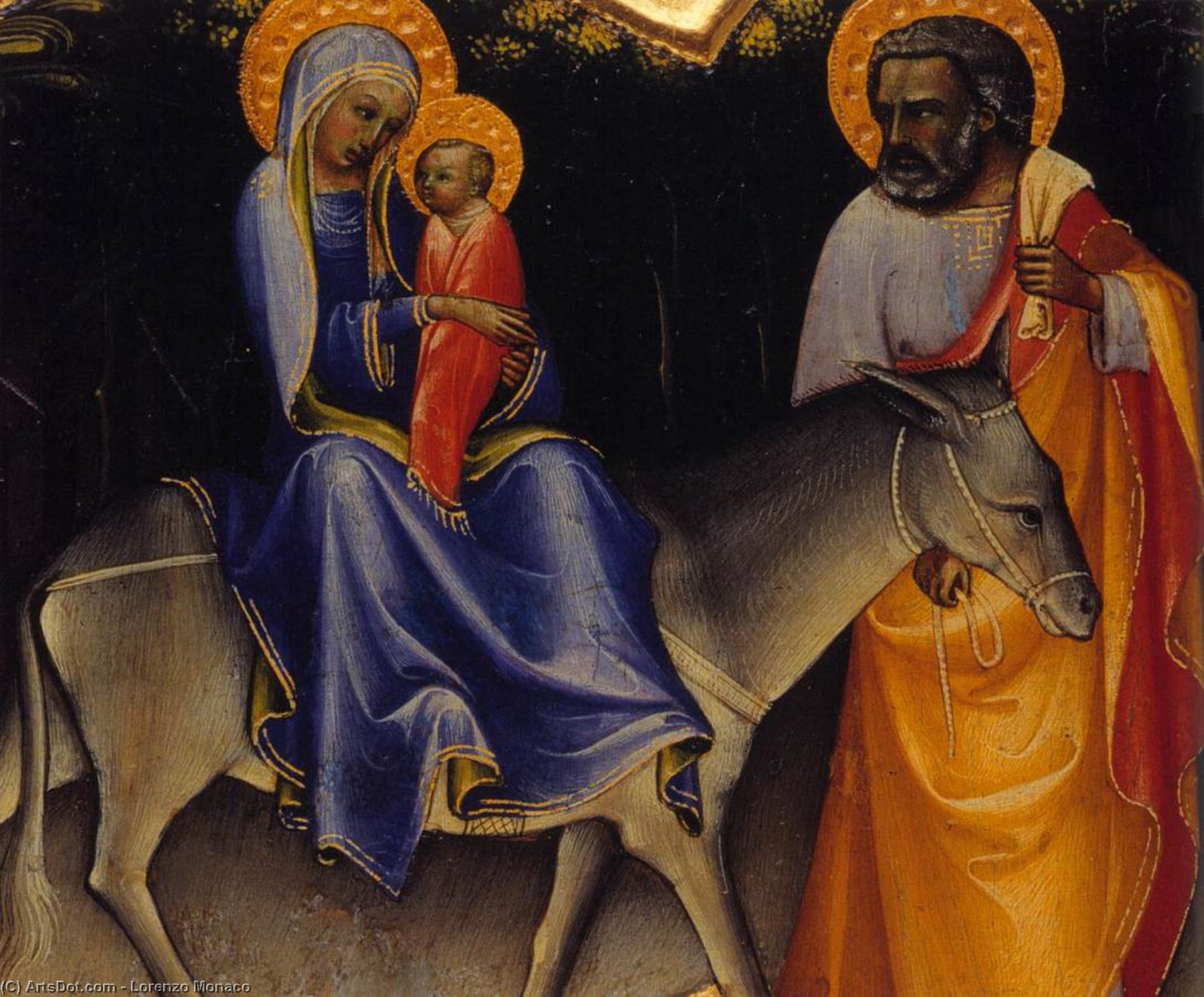
Zborul în Egipt (detaliu)


 Vezi mai mult
Reproducere pictată manual în ulei
Pictură în ulei pe pânză, realizată manual de artiștii noștri la dimensiunea și ramele dorite de dumneavoastră, pe comandă. ( Comandă printul Cumpără imaginea)




P118B $10

P118H $10

P118W $10

P438Z $10

P508JH $12

P508YH $12

P805H $10

P805Z $10

P919BZ $10

P919G $10

P919XJ $10

P959ZH $10

P968JZ $12

W106C $8

W218G $10

W218JH $8

W218Y $10

W307PJ $10

W316G $10

W316PJ $8

W316Y $10

W398PJ $8

W4111J $10

W500HY $15

W500JH $15

W692G $12

W849H $8

W940BG $15

W953PJ $8




Alegeți dintre dimensiunile noastre prestabilite, care respectă proporțiile originale ale operei de artă.

Puteți introduce propriile dimensiuni pentru a se potrivi unui anumit cadru sau spațiu. Dacă dimensiunea selectată nu corespunde proporțiilor imaginii originale, vom decupa opera de artă sau vom extinde pictura cu elemente suplimentare pictate manual. O simulare digitală vă va fi trimisă pentru aprobare înainte de începerea producției.
Vă rugăm să rețineți că previzualizarea de pe ecran nu reflectă decuparea sau extinderea reală. Doar macheta va arăta cu exactitate compoziția finală.
Deși sunt disponibile dimensiuni personalizate, vă recomandăm să selectați o dimensiune din lista predefinită pentru a păstra proporțiile originale.
După plasarea comenzii, echipa OriginalUniqueArt.com va contacta clientul prin e-mail pentru instrucțiuni și îi va furniza o previzualizare a machetei
Livrare în întreaga lume () în 3-4 săptămâni, în loc de cele 5 săptămâni standard. (20 August). Fără compromisuri în ceea ce privește calitatea.

Livrare expres gratuită la nivel mondial

Pânză de in de înaltă calitate

Asigurare completă pentru transport

Garanție de rambursare a taxelor vamale

Garanția fidelității culorilor

Politica de retur în 60 de zile (doar pentru defecte)

Garanție de rambursare 100%

Ofertă pentru comenzi multiple
 Opțiunea cu sticlă este disponibilă doar pentru dimensiuni de sub 110 cm

Zborul în Egipt (detaliu)
Tehnică de reproducere
Dimensiune reproducere
-


Preț total calculat
$ 300
Descriere operă de artă
Lorenzo Monaco: A Florentine Monk's Vision – The Flight Into Egypt (Detail)
The painting “The Flight into Egypt” by Lorenzo Monaco stands as a testament to the burgeoning Renaissance spirit, encapsulating the final vestiges of Gothic elegance while simultaneously embracing the stylistic innovations that would define the era. Executed around 1405-1410, this exquisite panel depicts the biblical narrative of Mary and Joseph’s perilous journey to Egypt—a scene brimming with spiritual significance and rendered with meticulous detail. More than just a depiction of an iconic story, it represents Monaco's masterful assimilation of artistic traditions, marking him as one of the last prominent figures upholding Giotto’s legacy before Masaccio ushered in a new dawn for Florentine art.- Style & Technique: Monaco skillfully blends elements of Gothic and Proto-Renaissance styles. The tempera technique—characterized by its luminosity and durability—allowed for nuanced tonal gradations, particularly evident in the depiction of the dark forest backdrop. This careful layering contributes to a palpable sense of atmosphere, mirroring the psychological depth favored by artists like Masaccio who were pioneering realism.
- Composition & Symbolism: The painting’s geometric structure is deliberately crafted to convey harmony and balance. Monaco employs a central axis—reinforced by the donkey's posture—drawing the viewer's eye towards Mary and Jesus, symbolizing divine grace and protection. The forest setting itself carries symbolic weight, representing obscurity and spiritual pilgrimage, mirroring the Holy Family’s arduous quest for refuge.
- Historical Context: Monaco’s work emerged during a period of profound artistic transformation in Florence. Giotto's influence remained paramount, yet artists like Monaco were actively experimenting with perspective and naturalism—anticipating the revolutionary advancements that would characterize Masaccio’s frescoes in Santa Maria Novella. This transitional phase reflects the broader intellectual currents of the Quattrocento, driven by humanist ideals and a renewed interest in classical antiquity.
- Detailed Observation: Consider the artist's meticulous attention to detail – the folds of Mary’s robe, the expressive faces of Joseph and Jesus, and the subtle textures of the donkey’s fur—all contribute to an immersive experience for the viewer. Monaco’s masterful rendering captures not only the visual appearance but also the emotional essence of the biblical tale.
- Emotional Impact: “The Flight Into Egypt” evokes a profound sense of serenity amidst adversity. The muted palette and soft lighting convey compassion and tenderness, emphasizing Mary's unwavering devotion to her son. Monaco’s artistic vision transcends mere representation; it aspires to communicate spiritual truth—a hallmark of Renaissance art that continues to resonate with audiences today.
Biografie artist
A Florentine Monk’s Vision: The World of Lorenzo Monaco
Lorenzo Monaco, born Piero di Giovanni around 1370 in Siena, occupies a fascinating and pivotal position in the transition from the Gothic grace of the Trecento to the burgeoning Renaissance ideals of the Quattrocento. Though biographical details remain scarce, his artistic journey reveals a compelling story of adaptation, innovation, and deeply felt spirituality. Apprenticed in Florence, he absorbed the lessons of masters like Giotto, Spinello Aretino, and Agnolo Gaddi – artists who established a foundation of narrative clarity and emotional resonance. However, it was his embrace of monastic life in 1390, joining the Camaldolese order at Santa Maria degli Angeli, that truly shaped both his artistic identity and earned him the name by which he is best known: Lorenzo Monaco, or “Lawrence the Monk.” This commitment to a contemplative existence profoundly influenced the character of his work, imbuing it with an introspective quality and a focus on devotional themes.Early Influences and Gothic Elegance
Lorenzo Monaco’s formative years were steeped in the artistic traditions of Siena and Florence—a crucible where Gothic sensibilities mingled with nascent Renaissance impulses. His training under Giotto, Spinello Aretino, and Agnolo Gaddi instilled within him a profound understanding of narrative storytelling and emotional expression – techniques that would characterize his entire oeuvre. These masters championed clarity of form and psychological depth, prioritizing the conveyance of spiritual truth over mere visual spectacle. Monaco’s early paintings demonstrate this influence vividly; they are marked by refined elegance, delicate linearism, and a palette initially restrained in its chromatic range. The International Gothic style prevailed throughout Europe during this period, shaping Monaco's aesthetic sensibilities and informing his compositional choices. He skillfully incorporated elements of Ghiberti’s sculptural innovations and Starnina’s meticulous attention to detail, absorbing the stylistic refinements that signaled the waning days of the Trecento.The Camaldolese Order and Artistic Transformation
Joining the Camaldolese order in 1390 proved to be a transformative experience for Monaco—a decision that irrevocably altered his artistic trajectory and cemented his reputation as “Lawrence the Monk.” This monastic vocation instilled within him a deep reverence for faith and contemplation, shaping not only his spiritual life but also the very essence of his art. Unlike many artists of his time who pursued worldly ambitions, Monaco dedicated himself to prayer and scholarship, prioritizing intellectual pursuits alongside artistic creation. The contemplative atmosphere of Santa Maria degli Angeli fostered an inner harmony that permeated his paintings—a subtle yet unmistakable resonance of monastic spirituality. This influence is particularly evident in his later works, where he eschewed flamboyant ornamentation for understated elegance and prioritized symbolic representation over literal depiction.Stylistic Evolution: From Gothic to Quattrocento
Over time, Monaco’s artistic style underwent a gradual metamorphosis—reflecting the broader shifts occurring within Florentine art during the Quattrocento. While retaining the foundational principles of Gothic elegance—namely, elongated figures draped in sinuous garments and delicate linearism—he subtly incorporated elements that foreshadowed the Renaissance aesthetic. He embraced sharper edges and brilliant colors – particularly the luxurious hues of gold and lapis lazuli – a stylistic hallmark of the burgeoning Renaissance movement. Furthermore, Monaco’s use of light became increasingly sophisticated, capturing ethereal effects that conveyed spiritual illumination rather than merely illuminating form. His gestures are often understated, hinting at inner emotion rather than overtly displaying it—a characteristic that distinguishes him from many of his contemporaries who sought to impress viewers with grand spectacle. This stylistic evolution represents a crucial step in the artistic continuum, bridging the gap between Gothic tradition and Renaissance innovation.Legacy: A Singular Voice Amidst Change
Lorenzo Monaco stands apart as one of the last significant exponents of Giotto’s style—preserving its legacy while simultaneously integrating elements that anticipate the transformative innovations championed by Masaccio and Filippo Brunelleschi in perspective and naturalism. He demonstrated that artistic excellence could flourish within established conventions, enriching them with individual expression and spiritual depth. Unlike many artists of his time who prioritized technical virtuosity above all else, Monaco consistently sought to convey profound theological narratives with clarity and grace—a testament to his unwavering commitment to faith and artistry. Giorgio Vasari recognized Monaco’s talent while acknowledging his untimely death from an unidentified infection around 1425—leaving behind a legacy that continues to inspire admiration for its refined elegance and spiritual resonance. His paintings remain invaluable windows into a pivotal moment in art history—a time of transition, experimentation, and the enduring power of faith expressed through artistic vision.
Lorenzo Monaco
1370 - 1425 , Italia
Detalii rapide
- Artistic Movement Or Style: Gótico internacional
- Artists Or Movements Influenced By This Artist: ['Fra Angelico']
- Artists Who Influenced This Artist:
- Giotto
- Spinello Aretino
- Agnolo Gaddi
- Date Of Birth: c. 1370
- Date Of Death: c. 1425
- Full Name: Lorenzo Monaco
- Nationality: Italiano
- Notable Artworks:
- Pietà
- Coronación de la Virgen
- Adoración de los Magos
- Place Of Birth: Siena, Italia
Articole similare
Jacob Henricus Maris: A Master of Dutch Atmospheric Realism & the Intimate Landscape
Explore the captivating world of Jacob Henricus Maris, a leading figure of the Dutch Hague School. Discover his atmospheric landscapes, signature brushstrokes & lasting influence on 19th-century art. Learn more at OriginalUniqueArt.
Top 25 de Capodopere Uffizi: O Călătorie Artistică prin Florența Renașterii
Descoperă top 25 de capodopere renascentiste din Galleria degli Uffizi, Florența! Explorează poveștile lui Botticelli, Leonardo da Vinci și Rafael. Reproduceri artă de calitate muzeală pentru decorațiuni interioare unice pe OriginalUniqueArt.com
Fra Angelico: Cele Mai Frumoase Capodopere – Artă Sacră pentru Decorul Casei Tale
Descoperă cele mai frumoase 25 de picturi Fra Angelico, capodopere ale artei renascentiste. Fresce religioase pline de culoare și emoție, perfecte pentru decorul casei tale. Reproduceri de artă de calitate muzeală pe OriginalUniqueArt.com! Explorează colecția online.

Mary Vaux Walcott: Botanical Precision & Artistic Vision in American Conservation
Discover the exquisite botanical watercolors of Mary Vaux Walcott, celebrated as the 'Audubon of Botany.' Explore her life, art, and lasting impact on American conservation through detailed illustrations & Smithsonian contributions.
Giotto di Bondone: Cele Mai Remarcabile 25 de Capodopere – Artă, Istorie și Decorațiuni Interioare
Descoperă cele mai frumoase 25 de opere ale lui Giotto di Bondone! Explorează frescele Renașterii timpurii, picturile iconice și poveștile din spatele capodoperelor. Găsește inspirație pentru decorul casei tale cu OriginalUniqueArt.com – artă clasică de calitate muzeală.



