

 Previzualizare
 Trimite prin felicitare
 Distribuie
 Detalii despre lucrare
 Ghid
Ghid

 Descarcă imaginea
 Produse similare
 Radiografie
 Galerie foto
 Q&A
Q&A Statistici
Moses
 Tempera On Panel
- WallArt
- Early Renaissance
 1408
1408- Renaissance
 63.0 x 45.0 cm
 Muzeul Metropolitan de Artă
 Vezi mai mult
Giclée / Imprimare artistică
Printuri giclée sau pe canvas de calitate muzeală, cu proces de producție rapid și opțiuni flexibile de finisare. ( Comandă pictură realizată manual Comută pe Imagine Digitală)




P118B lei10

P118H lei10

P118W lei10

P438Z lei10

P508JH lei12

P508YH lei12

P805H lei10

P805Z lei10

P919BZ lei10

P919G lei10

P919XJ lei10

P959ZH lei10

P968JZ lei12

W106C lei8

W218G lei10

W218JH lei8

W218Y lei10

W307PJ lei10

W316G lei10

W316PJ lei8

W316Y lei10

W398PJ lei8

W4111J lei10

W500HY lei15

W500JH lei15

W692G lei12

W849H lei8

W940BG lei15

W953PJ lei8




Alegeți dintre dimensiunile noastre prestabilite, care respectă proporțiile originale ale operei de artă.

Introduceți lățimea și înălțimea necesare pentru a se potrivi ramei sau peretelui dumneavoastră. O printare poate fi doar tăiată, niciodată extinsă dincolo de dimensiunea imaginii originale, astfel încât o dimensiune cu o formă diferită va pierde o parte din imagine. Vă trimitem o simulare digitală pentru aprobare înainte de a imprima orice. Imaginea afișată pe această pagină nu prezintă tăierea reală — doar simularea arată acest lucru.
Livrare în întreaga lume () în 2 săptămâni, în loc de cele 4/5 săptămâni standard. (30 Octombrie)

Livrare expres gratuită la nivel mondial

Pânză de in de înaltă calitate

Asigurare completă pentru transport

Garanție de rambursare a taxelor vamale

Garanția fidelității culorilor

Politica de retur în 100 de zile (doar pentru defecte de fabricație)

Garanție de rambursare 100%

Ofertă pentru comenzi multiple
 Opțiunea cu sticlă este disponibilă doar pentru dimensiuni de sub 110 cm

Moses
Giclée / Imprimare artistică
Dimensiune reproducere
-


Preț total calculat
lei 375
A Divine Encounter in Gold and Tempera
In the quiet, hallowed halls of the Metropolitan Museum of Art, there exists a window into the spiritual fervor of the early fifteenth century. Lorenzo Monaco’s Moses, painted in 1408, is far more than a mere depiction of a biblical patriarch; it is a luminous portal to the late Gothic soul. As one gazes upon this masterpiece, the first sensation is often one of profound stillness. The figure of Moses does not merely sit; he presides. Seated upon a throne-like chair that suggests both regal authority and sacred stability, he anchors the composition with an unwavering presence. The artist, a Camaldolese monk, infused the panel with a contemplative depth that transcends the boundaries of time, inviting every viewer—whether an art historian or a modern collector—to partake in a moment of silent meditation.
The technique employed by Lorenzo Monaco is a testament to the exquisite craftsmanship of the Florentine tradition. Utilizing tempera, a medium requiring meticulous, layer-by-layer application, the artist achieved a texture that feels both delicate and enduring. The most striking feature, however, is the masterful integration of gold leaf. This precious element does not merely decorate the background; it breathes life into the scene, creating a celestial radiance that seems to emanate from within the painting itself. This use of light serves to dissolve the physical boundaries of the architectural structure behind Moses, replacing the mundane world with a shimmering, divine atmosphere that elevates the subject from a historical figure to an eternal icon.
Symbolism and the Weight of Commandment
Every element within this composition is heavy with theological significance. The two tablets held firmly in Moses' hands are the focal point of his narrative identity, bearing pseudo-Hebrew script that symbolizes the Ten Commandments. These stones represent the intersection of divine law and human existence, a theme that resonates deeply with the religious landscape of the early Renaissance. The way Moses grips these tablets suggests not just the delivery of a message, but the immense responsibility of a leader chosen by God. His facial expression, characterized by a thoughtful and somber gaze, mirrors the gravity of the laws he carries.
The architectural elements surrounding the figure add a layer of structural majesty to the work. The throne and the subtle hints of a temple or palace setting provide a sense of place that is both grounded and otherworldly. For those looking to integrate such a piece into a curated interior, the painting offers a unique balance of grandeur and intimacy. It possesses the ability to anchor a room with its historical weight while providing a sophisticated focal point through its rich textures and warm, golden tones. To possess a reproduction of this work is to bring a fragment of Florentine history and a sense of timeless peace into one's personal sanctuary.
A Legacy for the Modern Collector
Lorenzo Monaco stands at a pivotal crossroads in art history, acting as a bridge between the flowing, emotive lines of the Gothic era and the structured, humanistic clarity of the Renaissance. His ability to marry the spiritual intensity of his monastic life with the burgeoning technical innovations of his time makes Moses a singular achievement. This painting is not merely an object of study; it is an emotional experience. It captures the tension between the earthly weight of leadership and the ethereal light of divine revelation.
For interior designers and art enthusiasts, this work offers unparalleled inspiration. Its palette of deep tones and brilliant golds complements both classical and contemporary settings, providing a sense of continuity and cultural depth. Whether displayed in a library, a study, or a grand living space, a high-quality reproduction of this masterpiece serves as a profound reminder of the enduring power of sacred art to move the human spirit.
Întrebări și răspunsuri
Este "Moses" reprezentativ pentru temele abordate de obicei de Lorenzo Monaco?
Printre temele consacrate ale lui Lorenzo Monaco, giotto and agnolo gaddi, late gothic style, ten commandments narrative, biblical patriarch representation, monastic spiritual influence – „Moses” oferă o perspectivă proprie asupra moses, man, throne, tablets, gold leaf, architecture, robes.
Care este nuanța dominantă în "Moses"?
"Moses" tinde spre o nuanță de Golden Yellow Range.
Care sunt proporțiile lui "Moses" de Lorenzo Monaco și ce dimensiuni are?
Formatul lucrării „Moses” este Portrait, iar dimensiunile originale sunt 63 x 45 cm. Ambele informații sunt utile atunci când planificați o reproducere.
Biografie artist
A Florentine Monk’s Vision: The World of Lorenzo Monaco
Lorenzo Monaco, born Piero di Giovanni around 1370 in Siena, occupies a fascinating and pivotal position in the transition from the Gothic grace of the Trecento to the burgeoning Renaissance ideals of the Quattrocento. Though biographical details remain scarce, his artistic journey reveals a compelling story of adaptation, innovation, and deeply felt spirituality. Apprenticed in Florence, he absorbed the lessons of masters like Giotto, Spinello Aretino, and Agnolo Gaddi – artists who established a foundation of narrative clarity and emotional resonance. However, it was his embrace of monastic life in 1390, joining the Camaldolese order at Santa Maria degli Angeli, that truly shaped both his artistic identity and earned him the name by which he is best known: Lorenzo Monaco, or “Lawrence the Monk.” This commitment to a contemplative existence profoundly influenced the character of his work, imbuing it with an introspective quality and a focus on devotional themes.Early Influences and Gothic Elegance
Lorenzo Monaco’s formative years were steeped in the artistic traditions of Siena and Florence—a crucible where Gothic sensibilities mingled with nascent Renaissance impulses. His training under Giotto, Spinello Aretino, and Agnolo Gaddi instilled within him a profound understanding of narrative storytelling and emotional expression – techniques that would characterize his entire oeuvre. These masters championed clarity of form and psychological depth, prioritizing the conveyance of spiritual truth over mere visual spectacle. Monaco’s early paintings demonstrate this influence vividly; they are marked by refined elegance, delicate linearism, and a palette initially restrained in its chromatic range. The International Gothic style prevailed throughout Europe during this period, shaping Monaco's aesthetic sensibilities and informing his compositional choices. He skillfully incorporated elements of Ghiberti’s sculptural innovations and Starnina’s meticulous attention to detail, absorbing the stylistic refinements that signaled the waning days of the Trecento.The Camaldolese Order and Artistic Transformation
Joining the Camaldolese order in 1390 proved to be a transformative experience for Monaco—a decision that irrevocably altered his artistic trajectory and cemented his reputation as “Lawrence the Monk.” This monastic vocation instilled within him a deep reverence for faith and contemplation, shaping not only his spiritual life but also the very essence of his art. Unlike many artists of his time who pursued worldly ambitions, Monaco dedicated himself to prayer and scholarship, prioritizing intellectual pursuits alongside artistic creation. The contemplative atmosphere of Santa Maria degli Angeli fostered an inner harmony that permeated his paintings—a subtle yet unmistakable resonance of monastic spirituality. This influence is particularly evident in his later works, where he eschewed flamboyant ornamentation for understated elegance and prioritized symbolic representation over literal depiction.Stylistic Evolution: From Gothic to Quattrocento
Over time, Monaco’s artistic style underwent a gradual metamorphosis—reflecting the broader shifts occurring within Florentine art during the Quattrocento. While retaining the foundational principles of Gothic elegance—namely, elongated figures draped in sinuous garments and delicate linearism—he subtly incorporated elements that foreshadowed the Renaissance aesthetic. He embraced sharper edges and brilliant colors – particularly the luxurious hues of gold and lapis lazuli – a stylistic hallmark of the burgeoning Renaissance movement. Furthermore, Monaco’s use of light became increasingly sophisticated, capturing ethereal effects that conveyed spiritual illumination rather than merely illuminating form. His gestures are often understated, hinting at inner emotion rather than overtly displaying it—a characteristic that distinguishes him from many of his contemporaries who sought to impress viewers with grand spectacle. This stylistic evolution represents a crucial step in the artistic continuum, bridging the gap between Gothic tradition and Renaissance innovation.Legacy: A Singular Voice Amidst Change
Lorenzo Monaco stands apart as one of the last significant exponents of Giotto’s style—preserving its legacy while simultaneously integrating elements that anticipate the transformative innovations championed by Masaccio and Filippo Brunelleschi in perspective and naturalism. He demonstrated that artistic excellence could flourish within established conventions, enriching them with individual expression and spiritual depth. Unlike many artists of his time who prioritized technical virtuosity above all else, Monaco consistently sought to convey profound theological narratives with clarity and grace—a testament to his unwavering commitment to faith and artistry. Giorgio Vasari recognized Monaco’s talent while acknowledging his untimely death from an unidentified infection around 1425—leaving behind a legacy that continues to inspire admiration for its refined elegance and spiritual resonance. His paintings remain invaluable windows into a pivotal moment in art history—a time of transition, experimentation, and the enduring power of faith expressed through artistic vision.
Lorenzo Monaco
1370 - 1425 , Italia
Detalii rapide
- Artistic Movement Or Style: Gótico internacional
- Artists Or Movements Influenced By This Artist: ['Fra Angelico']
- Artists Who Influenced This Artist:
- Giotto
- Spinello Aretino
- Agnolo Gaddi
- Date Of Birth: c. 1370
- Date Of Death: c. 1425
- Full Name: Lorenzo Monaco
- Nationality: Italiano
- Notable Artworks:
- Pietà
- Coronación de la Virgen
- Adoración de los Magos
- Place Of Birth: Siena, Italia
Articole similare

Gold Leaf & Gilding: The Sacred Art of Byzantine and Renaissance Masterpieces
Explore the profound history of gold leaf and gilding in Byzantine and Renaissance art. Discover how this sacred technique transformed religious iconography into celestial phenomena through light, symbolism, and unparalleled craftsmanship.

Gold Leaf & Gilding: The Master Craft of Byzantine and Renaissance Art
Explore the sacred art of gold leaf and gilding in Byzantine and Renaissance masterpieces. Discover the techniques of goldbeating, the symbolism of divine light, and how these luminous textures continue to inspire museum-quality hand-painted reproductions today.

The Magic of Gold Leaf: Unveiling the Sacred Art of Byzantine & Renaissance Gilding
Explore the transcendent beauty of gold leaf in Byzantine and Renaissance art. Discover how ancient gilding techniques created a celestial glow that continues to inspire luxury interiors and fine art collectors today.
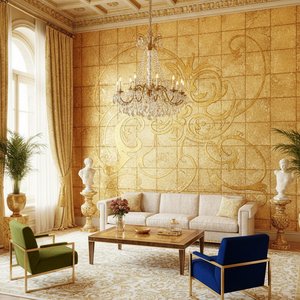
Gilded Splendor: Elevating Luxury Interiors with the Timeless Radiance of Gold Leaf Artistry
Transform your interiors with the timeless radiance of gold leaf art. Discover museum-quality, hand-painted oil reproductions and bespoke gilded commissions. From Byzantine splendor to Klimt’s brilliance, explore exquisite pieces curated for the most discerning luxury collectors.

Gilded Elegance: How Gold Background Artworks Transform Luxury Interiors with Timeless Radiance
Discover how gold background artworks infuse luxury interiors with timeless radiance. Explore the artistry of gold leaf, from Byzantine traditions to modern impasto textures, and learn to curate a sophisticated home with premium, hand-painted gilded masterpieces.


