

 Vezi în context
 Trimite
 Distribuie
 Detalii
 Ghidul

 Descarcă
 Produse similare
 Radiografie
 Diaporama
 Statistici
Ode to Kinshasa


 Citește mai mult
Lucrarea de artă afișată pe această pagină este protejată de legile privind drepturile de autor, ceea ce înseamnă că nu putem crea sau vinde în mod legal o reproducere identică. Această protecție este garantată prin acorduri internaționale, precum Convenția de la Berna și de legile naționale, inclusiv cele prevăzute de Legea dreptului de autor din S.U.A. – Titlul 17. Toate drepturile rezervate. Orice reproducere neautorizată este interzisă.
Ca alternativă respectuoasă și legală, oferim tablouri pictate manual, personalizate, inspirate de original. Artistii noștri experimentați și profesioniști studiază cu atenție stilul, starea de spirit și esența artistică a originalului pentru a crea o piesă nouă și unică, care evocă aceeași emoție – rămânând, în același timp, o creație originală în sine.
Această metodă respectă pe deplin reglementările privind drepturile de autor, deoarece nu implică copierea sau duplicarea operei protejate. În schimb, este o reinterpretare creativă – o pictură nouă, influențată de original, dar care nu este identică cu acesta.
Reproducere pictată manual în ulei
Pictură în ulei pe pânză, realizată manual de artiștii noștri la dimensiunea și ramele dorite de dumneavoastră, pe comandă. ( Comută pe versiunea Print Treci la imagine digitală)




P118B lei10

P118H lei10

P118W lei10

P438Z lei10

P508JH lei12

P508YH lei12

P805H lei10

P805Z lei10

P919BZ lei10

P919G lei10

P919XJ lei10

P959ZH lei10

P968JZ lei12

W106C lei8

W218G lei10

W218JH lei8

W218Y lei10

W307PJ lei10

W316G lei10

W316PJ lei8

W316Y lei10

W398PJ lei8

W4111J lei10

W500HY lei15

W500JH lei15

W692G lei12

W849H lei8

W940BG lei15

W953PJ lei8




Alegeți dintre dimensiunile noastre prestabilite, care respectă proporțiile originale ale operei de artă.

Introduceți lățimea și înălțimea de care aveți nevoie, pentru a se potrivi ramei sau peretelui dumneavoastră. Această lucrare este pictată manual, așa că pentru o dimensiune cu o formă diferită, artistul poate picta puțin mai mult în jurul imaginii sau poate tăia puțin din margini — dumneavoastră decideți. Vă vom trimite o simulare digitală pentru aprobare înainte de a începe pictarea. Imaginea afișată pe această pagină nu reprezintă rezultatul real — doar simularea este reprezentativă.
După plasarea comenzii, echipa OriginalUniqueArt.com va contacta clientul prin e-mail pentru instrucțiuni și îi va furniza o previzualizare a machetei
Livrare în întreaga lume () în 3-4 săptămâni, în loc de cele 5 săptămâni standard. (24 Octombrie). Fără compromisuri în ceea ce privește calitatea.

Livrare expres gratuită la nivel mondial

Pânză de in premium

Asigurare completă pentru transport

Garanție de rambursare a taxelor vamale

Garanția fidelității culorilor

Politica de retur în 100 de zile (doar pentru defecte)

Garanție de rambursare 100%

Reducere pentru comenzi multiple
 Opțiunea cu sticlă este disponibilă doar pentru dimensiuni de sub 110 cm

Ode to Kinshasa
Tip de reproducere
Dimensiune reproducere
-


Preț total
lei 1389
Ode to Kinshasa: A Celebration of African Heritage Through Cubist Vision
Lois Mailou Jones’s *Ode to Kinshasa* isn't merely a painting; it’s a testament to resilience, cultural pride, and the transformative power of artistic exploration. Completed in 1972, shortly after Jones embarked on her groundbreaking research trip to Africa—specifically Zaire (now Democratic Republic of Congo)—the artwork embodies the spirit of liberation that characterized the nation's newfound independence from Belgian colonial rule. This pivotal moment profoundly influenced Jones’s creative process, prompting her to synthesize European artistic traditions with vibrant African imagery and symbolism.- Subject Matter: The centerpiece of *Ode to Kinshasa* is a stylized depiction of an African warrior—a figure steeped in tradition and imbued with palpable energy—charging toward the viewer’s gaze. This dynamic posture immediately establishes a connection between the artwork's subject and its audience, inviting contemplation on themes of courage, determination, and confrontation.
- Style & Technique: Jones skillfully employs cubism, a revolutionary artistic movement pioneered by Pablo Picasso and Georges Braque in the early 20th century. Cubist principles—fragmentation, multiple perspectives, and geometric abstraction—are expertly applied to render the warrior’s form and surroundings. The artist utilizes a collage technique incorporating Japanese paper and gold foil, adding textural richness and visual complexity to the composition.
African Influences: Echoes of Tradition
Jones's artistic journey began with her fascination for African masks—a motif that would recur throughout her oeuvre. Her meticulous observation of mask designs during her research expedition in Zaire served as a catalyst for incorporating geometric patterns and stylized representations into *Ode to Kinshasa*. The diamond shape, prominent within the painting’s background, directly references traditional Kuba cloth weaving techniques prevalent in central Africa—a symbol of wealth, prestige, and artistic craftsmanship. Similarly, the triangular form echoes architectural elements found across the continent.
Symbolism Beyond Representation
Beyond its literal depiction of a warrior, *Ode to Kinshasa* operates on multiple symbolic levels. The single eye positioned at the center of the composition represents vigilance and awareness—a deliberate nod to Jones’s lifelong engagement with the African mask tradition. This visual element underscores the importance of observation and contemplation as pathways to understanding cultural heritage. Furthermore, the bold use of color—particularly vibrant oranges and yellows—evokes associations with warmth, vitality, and optimism—reflecting the hopeful spirit of Zaire's independence.
Emotional Resonance: A Portrait of Liberation
*Ode to Kinshasa* transcends mere visual representation; it communicates a profound emotional resonance. The painting’s energetic dynamism captures the fervor of liberation—the palpable excitement surrounding Zaire’s emergence from colonial subjugation. Jones's masterful technique conveys not only the physical form of the warrior but also his inner resolve and unwavering determination to confront adversity. Ultimately, *Ode to Kinshasa* stands as a powerful reminder that art can serve as a conduit for cultural pride and an affirmation of humanity’s capacity for courage and resilience.
Întrebări și răspunsuri
Care este utilizarea recomandată pentru o printă a lucrării "Ode to Kinshasa"?
O reproducere a operei "Ode to Kinshasa" de Lois Mailou Jones este recomandată pentru Accent. Această sugestie derivă din subiectul, atmosfera și culorile lucrării.
Ce tip de operă de artă este "Ode to Kinshasa" de Lois Mailou Jones?
"Ode to Kinshasa" de Lois Mailou Jones este clasificată ca WallArt. Această categorie descrie tipul de operă de artă din care este compusă originalul.
Unde pot vedea o previzualizare a „Ode to Kinshasa”?
O previzualizare a operei "Ode to Kinshasa" de Lois Mailou Jones este disponibilă pe pagina de Previzualizare a lucrării.
Biografie artist
A Life Immersed in Color and Culture
Lois Mailou Jones, a name synonymous with groundbreaking artistry and unwavering dedication to African American representation, was born in Boston, Massachusetts, on November 3, 1905. From her earliest years, she was nurtured in an environment that valued creativity; her parents, Thomas Vreeland Jones, a lawyer, and Carolyn Adams Jones, a cosmetologist, encouraged her innate talent for drawing and painting, particularly with the fluid grace of watercolors. Summers spent on Martha's Vineyard proved formative, introducing young Lois to a constellation of influential figures – sculptor Meta Warrick Fuller, composer Harry T. Burleigh, and novelist Dorothy West – who would subtly shape her artistic sensibilities. This early exposure instilled in her not only an appreciation for art but also a sense of cultural pride and the importance of mentorship, values she would carry throughout her life. Her formal education began at the High School of Practical Arts in Boston (1919-1923), followed by night classes at the Boston Museum of Fine Arts, secured through a hard-earned scholarship. A pivotal apprenticeship with costume designer Grace Ripley further broadened her artistic horizons, sparking an early fascination with African masks and their potential for symbolic expression. Even as a teenager, Jones demonstrated remarkable ambition, holding her first solo exhibition on Martha’s Vineyard at the age of seventeen. She continued to hone her skills at the School of the Museum of Fine Arts in Boston (1923-1927), consistently winning the Susan Minot Lane Scholarship, and supplemented her studies with courses at the Boston Normal Art School, culminating in a graduate degree in design from the Design Art School of Boston in 1928.From Textile Design to Artistic Independence
Jones’s initial professional path led her into the world of textile design, working for both F. A. Foster Company in Boston and Schumacher Company in New York City. However, a transformative summer at Harvard University in 1928 ignited a deeper desire – to fully dedicate herself to painting. This decision coincided with the burgeoning Harlem Renaissance, an intellectual and artistic movement that profoundly impacted her work. The influence of artist Aaron Douglas became particularly significant; his stylized depictions of African American life and incorporation of African motifs resonated deeply with Jones’s own emerging aesthetic vision. Her seminal work, The Ascent of Ethiopia, stands as a testament to this period, reflecting both Douglas's stylistic influence and her growing commitment to celebrating African heritage. She explored the interplay between geometric abstraction and organic forms, mirroring the dynamism of Caribbean landscapes and the richness of African traditions. This exploration would continue throughout her career, resulting in paintings that are characterized by bold color palettes and intricate textural surfaces.Exploring Diverse Influences and Artistic Evolution
Jones’s artistic journey was marked by constant experimentation and adaptation. Initially drawn to Impressionism's luminous qualities, she gradually embraced Cubist techniques, incorporating fragmented perspectives and multiple viewpoints into her compositions. This stylistic shift reflected not only her evolving understanding of visual representation but also her engagement with broader intellectual currents—particularly Surrealism—which encouraged her to delve into the subconscious realm and explore dreamlike imagery. Her travels throughout Europe, Africa, and the Caribbean provided invaluable inspiration for her artistic endeavors. She meticulously documented landscapes, cultures, and traditions, translating these observations into canvases brimming with color and texture. The vibrant hues of Haitian art, particularly those found in textiles and decorative arts, became a recurring element in her paintings, demonstrating her willingness to embrace new aesthetic vocabularies and challenge conventional artistic boundaries.A Dedicated Educator and Advocate for Artistic Recognition
Beyond her prolific output as an artist, Lois Mailou Jones played a crucial role in fostering the development of African American art and artists. She established the art department at Palmer Memorial Institute in North Carolina in 1928, demonstrating remarkable versatility by also coaching basketball, teaching folk dancing, and providing musical accompaniment for church services. Her unwavering belief in the transformative power of education fueled her passion for nurturing young talent and empowering aspiring artists to overcome obstacles. At Howard University in Washington, D.C., she served as Professor of Design and Watercolor Painting from 1930 until her retirement in 1977, shaping generations of students and advocating tirelessly for greater visibility within the art world. She championed the importance of cultural heritage and artistic expression as tools for social justice, reminding audiences that “art is not merely decoration; it’s a way of seeing.”A Legacy Enduring Through Vibrant Color and Bold Vision
Lois Mailou Jones's enduring legacy rests on her unwavering commitment to artistic integrity and her profound contribution to African American art history. Her paintings continue to captivate viewers with their expressive color palettes, intricate textural surfaces, and evocative depictions of cultural landscapes. She challenged conventions, embraced innovation, and championed the voices of artists from marginalized communities—a testament to her vision as an artist and a humanist. Her work remains a vibrant celebration of beauty, culture, and the enduring power of artistic expression.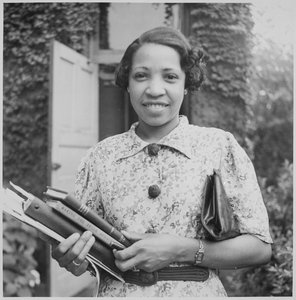
Lois Mailou Jones
1905 - 1998 , Statele Unite ale Americii
Informații rapide
- Artistic Movement Or Style: Harlem Renaissance, Impressionism
- Artists Or Movements Influenced By This Artist: ['David Driskell']
- Artists Who Influenced This Artist:
- Aaron Douglas
- Meta Warrick Fuller
- Date Of Birth: November 3, 1905
- Full Name: Lois Mailou Jones
- Nationality: American
- Notable Artworks:
- Jeune Fille Française
- Les Fétiches
- Initiation, Liberia
- The Ascent of Ethiopia
- Place Of Birth: Boston, USA
Articole conexe

Deconstructing Reality: Cubism's Evolution, Impact & Enduring Legacy
Explore the revolutionary world of Cubism with expert insights from OriginalUniqueArt. Discover Picasso & Braque's groundbreaking techniques, its philosophical roots, and lasting impact on modern art. Expert appraisal & custom reproductions available.

Jean Dominique Antony Metzinger: Pioneering Cubism & the Evolution of Abstract Form
Explore the life & work of Jean Metzinger, a pivotal Cubist painter and theorist. Discover his innovations in proto-Cubism, 'Du Cubisme,' and Crystal Cubism – a journey through modern art's evolution.
Deconstructing Reality: Cubism's Revolutionary Impact on 20th-Century Art
Explore the revolutionary world of Cubism with OriginalUniqueArt. Discover Picasso & Braque's groundbreaking techniques, its philosophical roots, and lasting impact on modern art. Expert insights for collectors.

Cubism Unveiled: How Picasso and Braque Redefined Reality Through Geometric Abstraction
Explore the revolutionary world of Cubism. Discover how masters Pablo Picasso and Georges Braque dismantled reality through geometric abstraction to redefine modern art history.

Cubism Unveiled: How Picasso and Braque Redefined Modern Art through Geometric Revolution
Explore the revolutionary world of Cubism. Discover how Pablo Picasso and Georges Braque dismantled perspective to redefine modern art through geometric innovation and analytical mastery. An essential guide for art students, collectors, and history enthusiasts.