

 Vezi în context
 Trimite
 Distribuie
 Detalii
 Ghidul

 Descarcă
 Produse similare
 Radiografie
 Diaporama
 Statistici
Pietà \n(copy from Michelangelo)
 1560
1560 174.0 x 180.0 cm
 Citește mai mult
Giclée / Imprimare artistică
Printuri giclée sau pe canvas de calitate muzeală, cu proces de producție rapid și opțiuni flexibile de finisare. ( Comandă pictură realizată manual Treci la imagine digitală)




































Alegeți dintre dimensiunile noastre prestabilite, care respectă proporțiile originale ale operei de artă.

Puteți introduce propriile dimensiuni pentru a se potrivi unui anumit cadru sau spațiu. Dacă dimensiunea selectată nu corespunde proporțiilor imaginii originale, vom decupa lucrarea de artă sau vom extinde imaginea cu margini oglindite sau cu o culoare uniformă. Un mockup digital va fi trimis pentru aprobarea dumneavoastră înainte de începerea producției.
Vă rugăm să rețineți că previzualizarea de pe ecran nu reflectă decuparea sau extinderea reală. Doar mockup-ul va arăta cu exactitate compoziția finală.
Deși dimensiunile personalizate sunt disponibile, vă recomandăm să selectați o dimensiune din lista predefinită pentru a păstra proporțiile originale.
Livrare în întreaga lume () în 2 săptămâni, în loc de cele 4/5 săptămâni standard. (25 Septembrie)

Livrare expres gratuită la nivel mondial

Pânză de in premium

Asigurare completă pentru transport

Garanție de rambursare a taxelor vamale

Garanția fidelității culorilor

Politica de retur în 100 de zile (doar pentru defecte)

Garanție de rambursare 100%

Reducere pentru comenzi multiple
 Opțiunea cu sticlă este disponibilă doar pentru dimensiuni de sub 110 cm

Pietà \n(copy from Michelangelo)
Giclée / Imprimare artistică
Dimensiune reproducere
-


Preț total
$ 80
Biografie artist
A Sculptor Shaped by Habsburg Patronage and Florentine Tradition
Leone Leoni, known to history as Pompeo Leoni, was a master of form whose hands breathed life into metal and stone during the height of the Italian Renaissance. Born in Menaggio, Lombardy, around 1509, Leoni’s journey from a skilled goldsmith to a celebrated sculptor of monarchs is a testament to the transformative power of technical precision and ambitious patronage. While his name might not resonate with the same immediate pop-culture recognition as Michelangelo, his influence was deeply embedded in the visual language of the 16th century, particularly through his ability to capture the psychological gravity of the Habsburg dynasty.
His artistic foundation was laid in the meticulous world of goldsmithing, a craft that demanded an intimate understanding of material manipulation and delicate ornamentation. This early training proved indispensable; the precision required for fine metalwork would later define the exquisite detail found in his monumental bronze works. His formative years took him to Ferrara, where he served at the mint. It was here, amidst the rhythmic striking of coins, that Leoni mastered the art of the commemorative medal. These small, portable masterpieces—often featuring Latin inscriptions and profound symbolic depth—became a hallmark of his style, allowing him to immortalize rulers in a medium that was both intimate and enduring.
The Grandeur of Imperial Portraiture
Leoni’s career reached its zenith through his association with the most powerful figures of Europe. His time in Milan, under the patronage of Vincenzo Gonzaga, Duke of Alba, provided the stage for his most significant sculptural achievements. He possessed a rare talent for translating the political might of the Habsburgs into tangible, emotive art. One of his most profound contributions to the era was his ability to blend Mannerist elegance with a striking realism that honored the humanist ideals of the age.
His work often focused on the intersection of individual identity and imperial legacy. Notable examples include:
- The Medal of Charles V and Isabella of Portugal: A 1546 bronze masterpiece that showcases his ability to use aged patina and Renaissance realism to convey the weight of sovereignty.
- Portraits of Ippolita Gonzaga: Through bronze coins and reliefs, Leoni captured the likeness of Mantua's queen, blending Florentine artistic influences with a sense of regal dignity.
- Monumental Bronze Works: His ability to scale his goldsmithing precision up to large-scale sculpture allowed him to create works that commanded space in the courts of Europe.
Legacy and Historical Significance
The artistry of Leone Leoni is characterized by a unique tension between the stylized, dramatic forms of Mannerism and a profound commitment to realistic representation. His work does not merely depict a face; it depicts a status, an era, and a political philosophy. By bridging the gap between the delicate art of the engraver and the monumental scale of the sculptor, he created a cohesive visual legacy that served the propaganda needs of the Renaissance courts while maintaining high aesthetic integrity.
Though Leoni passed away in Milan in 1590, his impact remained etched in the very fabric of European history. His medals and sculptures acted as ambassadors of power, traveling across borders and through generations. Today, we look to his oeuvre not just as a collection of beautiful objects, but as a vital historical record—a window into the complex power dynamics, the humanist spirit, and the breathtaking craftsmanship of the 16th century.
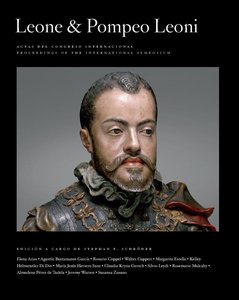
leone leoni (pompeo leoni)
1509 - 1590 , Italy
Informații rapide
- Artistic Movement Or Style: Mannerist
- Artists Or Movements Influenced By This Artist: ['Baroque']
- Artists Who Influenced This Artist: ['Michelangelo Buonarroti']
- Date Of Birth: 1509
- Full Name: Leone Leoni (Pompeo Leoni)
- Nationality: Italian
- Notable Artworks:
- The Emperor Charles V Restraining Fury
- Memorial Medal of Giorgio Vasari
- Hippolyta Gonzaga
- Place Of Birth: Menaggio, Italy
