Text size

() ·

A painting made for you, by hand

Studies of embryos

Reproducere pictată manual în ulei

Pictură în ulei pe pânză, pictată manual de artiștii noștri la dimensiunea și ramele dorite de dumneavoastră, pe comandă. ( Comută pe versiunea Print Comută pe Imagine Digitală)

Descriere obiect de colecție

Explore Leonardo da Vinci's groundbreaking 'Studies of Embryos,' a rare glimpse into his anatomical investigations and the intersection of art & science during the Renaissance. Witness meticulous drawings revealing fetal development.

Biografie artist

Explorează-l pe Leonardo da Vinci (1452-1519): geniul Renașterii din spatele Mona Lisa și a Sfântei Cine: Descoperă tehnica sfumato, studiile anatomice și invențiile sale revoluționare!

from ·

Chapter 1

How large should it be?

Slide to change the size; the picture on the left shows the frame at its real width. The proportions of the original are kept.

Standard
personalizat
CM
INCH

Alegeți dintre dimensiunile noastre prestabilite, care respectă proporțiile originale ale operei de artă.

lățime
înălțime

Introduceți lățimea și înălțimea necesare pentru a se potrivi ramei sau peretelui dumneavoastră. Această lucrare este pictată manual, așa că, pentru o dimensiune cu o formă diferită, artistul poate picta puțin mai mult în jurul imaginii sau poate tăia puțin din margini — dumneavoastră decideți. Vă vom trimite o simulare digitală pentru aprobare înainte de a începe pictarea. Imaginea afișată pe această pagină nu reprezintă rezultatul real — doar simularea este reprezentativă.

Chapter 2

How should it arrive?

Choose the edges of the stretched canvas

Choose your frame

Corner sample of the WhiteWrap canvas edge finish, stretched on lemn masiv bars
White lei1
Corner sample of the BlurSideWrap canvas edge finish, stretched on lemn masiv bars
Blurside lei1
Corner sample of the ExtendedWrap canvas edge finish, stretched on lemn masiv bars
Extended lei1
Corner sample of the P118B picture frame: polistiren turnat, 5 cm wide and 3 cm thick
P118B lei10
Corner sample of the P118H picture frame: polistiren turnat, 5 cm wide and 3 cm thick
P118H lei10
Corner sample of the P118W picture frame: polistiren turnat, 5 cm wide and 3 cm thick
P118W lei10
Corner sample of the P438Z picture frame: polistiren turnat, 5.5 cm wide and 3.5 cm thick
P438Z lei10
Corner sample of the P508JH picture frame: polistiren turnat, 7 cm wide and 3.5 cm thick
P508JH lei12
Corner sample of the P508YH picture frame: polistiren turnat, 7 cm wide and 3.5 cm thick
P508YH lei12
Corner sample of the P805H picture frame: polistiren turnat, 5 cm wide and 3.5 cm thick
P805H lei10
Corner sample of the P805Z picture frame: polistiren turnat, 5 cm wide and 3.5 cm thick
P805Z lei10
Corner sample of the P919BZ picture frame: polistiren turnat, 7 cm wide and 3.5 cm thick
P919BZ lei10
Corner sample of the P919G picture frame: polistiren turnat, 7 cm wide and 3.5 cm thick
P919G lei10
Corner sample of the P919XJ picture frame: polistiren turnat, 7 cm wide and 3.5 cm thick
P919XJ lei10
Corner sample of the P959ZH picture frame: polistiren turnat, 5 cm wide and 3 cm thick
P959ZH lei10
Corner sample of the P968JZ picture frame: polistiren turnat, 6 cm wide and 4 cm thick
P968JZ lei12
Corner sample of the W106C picture frame: lemn masiv, 5 cm wide and 3 cm thick
W106C lei8
Corner sample of the W218G picture frame: lemn masiv, 5 cm wide and 3 cm thick
W218G lei10
Corner sample of the W218JH picture frame: lemn masiv, 5 cm wide and 3 cm thick
W218JH lei8
Corner sample of the W218Y picture frame: lemn masiv, 5 cm wide and 3 cm thick
W218Y lei10
Corner sample of the W307PJ picture frame: lemn masiv, 6 cm wide and 3 cm thick
W307PJ lei10
Corner sample of the W316G picture frame: lemn masiv, 6 cm wide and 3 cm thick
W316G lei10
Corner sample of the W316PJ picture frame: lemn masiv, 6 cm wide and 3 cm thick
W316PJ lei8
Corner sample of the W316Y picture frame: lemn masiv, 6 cm wide and 3 cm thick
W316Y lei10
Corner sample of the W398PJ picture frame: lemn masiv, 5 cm wide and 3 cm thick
W398PJ lei8
Corner sample of the W4111J picture frame: lemn masiv, 6.5 cm wide and 3.5 cm thick
W4111J lei10
Corner sample of the W500HY picture frame: lemn masiv, 7 cm wide and 5 cm thick
W500HY lei15
Corner sample of the W500JH picture frame: lemn masiv, 7 cm wide and 5 cm thick
W500JH lei15
Corner sample of the W692G picture frame: lemn masiv, 8 cm wide and 4 cm thick
W692G lei12
Corner sample of the W849H picture frame: lemn masiv, 5 cm wide and 3 cm thick
W849H lei8
Corner sample of the W940BG picture frame: lemn masiv, 7.5 cm wide and 4.5 cm thick
W940BG lei15
Corner sample of the W953PJ picture frame: lemn masiv, 6 cm wide and 3.5 cm thick
W953PJ lei8
Corner sample of the H24-GOLD picture frame: lemn sculptat cu gesso, 10 cm wide and 6 cm thick
H24-GOLD lei30
Corner sample of the H24-SILVER picture frame: lemn sculptat cu gesso, 10 cm wide and 6 cm thick
H24-SILVER lei30
Corner sample of the H36-GOLD picture frame: lemn sculptat cu gesso, 15 cm wide and 6.5 cm thick
H36-GOLD lei45
Corner sample of the H36-SILVER picture frame: lemn sculptat cu gesso, 15 cm wide and 6.5 cm thick
H36-SILVER lei45

Moulding: . Overall size with the frame: .

Chapter 3

Who paints it, and should anything change?

Examples of what can be changed: Replace face with customer photo; Add pet (e.g., replace cat with dog); Include hidden message in background; Change background landscape or elements.
After order, OriginalUniqueArt.com team will email client for instructions and provide a mockup preview

Livrare în întreaga lume () în 3-4 săptămâni, în loc de cele 5 săptămâni standard. (1 Noiembrie). Fără compromisuri în ceea ce privește calitatea.

Chapter 4

The finishing touches

A nameplate, as in a museum?

Detalii plăcuță din bronz gravat

This elegant plaque features the artist's name and the title of the artwork, finely engraved for a timeless presentation.

It is made from bronze with a refined, elegant finish. The text is precisely laser-engraved for a sharp and permanent result. Measuring 9x2 cm, the plaque is compact yet easy to read. It's built to be durable and scratch-resistant, offering a professional, museum-quality look. Mounting is simple thanks to the included adhesive backing.

Detalii plăcuță din acril transparent

The plaque includes essential engraved details such as the artist's name, the title of the artwork, the date it was created, the type of media used-like oil on canvas or watercolor-a brief description of the piece, and a QR code that links to the complete artwork information.

It is crafted from clear acrylic, offering a sleek, modern appearance. The text is UV-engraved in black to ensure strong visual contrast. With a size of 10x15 cm, it ensures optimal readability. It comes equipped with two metal hooks for secure wall mounting. The plaque is designed to be weather-resistant, making it suitable for various environments, and it includes interactive features that work seamlessly with smartphone scanning.

Detalii placă din acril negru

This elegant plaque includes engraved information such as the artist's name, the title of the artwork, the date it was created, the type of media used (like oil on canvas or watercolor), a short description of the artwork, and a QR code for quick access to more information.

The plaque itself is made from refined black acrylic with a premium finish. The text is laser-engraved in white for high contrast and readability. Its size is 10x15 cm, designed to be easy to read. It comes with two metal hooks for professional mounting. The design is sleek and fits any interior style. It is also weather-resistant and durable, with built-in digital integration for mobile compatibility.

A protective varnish?

When do you need it?

Chapter 5

Your painting, as you ordered it

Studies of embryos

Tehnică de reproducere

Dimensiune reproducere

-

Selecție de artiști de elită

Mai multe detalii, rafinament și timp suplimentar de execuție

-

Ramă pentru reproducere artistică

-

-

Pentru opere de artă sau reproduceri care depășesc 105 cm (aproximativ 41 de inch) pe oricare dintre laturi, cadrul va fi livrat demontat, sub formă de kit. Această metodă asigură o livrare sigură și previne deteriorarea în timpul transportului.

Este necesară asamblarea profesională – acest produs nu este de tip DIY (de făcut singur).
Kitul trebuie asamblat, iar pânza întinsă, de către un legător de cadre experimentat, utilizând adeziv pentru lemn (neinclus în colet), o cheie pentru întinderea pânzei și cleme pentru a menține barele la unghi drept în timp ce adezivul se usucă. Asamblarea incorectă sau tensiunea neuniformă a pânzei pot deteriora permanent opera de artă și nu sunt acoperite de garanția noastră.

  • Toate barele din lemn masiv sunt incluse, tăiate cu precizie la dimensiunea necesară.

  • Asamblat cu șuruburile incluse, plus adeziv pentru lemn pentru îmbinările de colț, care nu este furnizat și trebuie achiziționat de către tâmplarul dumneavoastră.

  • Sunt necesare unelte profesionale care nu sunt incluse: o șipte de întindere a pânzei (tensionator) și cleme pentru a menține barele la unghi drept în timp ce adezivul se usucă.

Important:
Îmbinările de colț necesită adeziv pentru lemn, barele trebuie fixate cu clești de strângere până când adezivul este complet uscat, iar întinderea pânzei pe cadrul asamblat necesită un clește pentru întins pânza. Niciunul dintre aceste elemente nu este inclus în kit. Vă rugăm să consultați un încadrator profesionist cu experiență înainte de a comanda această dimensiune.

Etichetă de prezentare

-

-

Lac de protecție

Lac lucios (intensifică nuanțele și oferă protecție împotriva luminii și a umidității)

-

Personalizează opera mea de artă

Exemple de elemente ce pot fi personalizate: Înlocuirea feței cu fotografia clientului; Adăugarea unui animal de companie (de exemplu, înlocuirea unei pisici cu un câine); Includerea unui mesaj ascuns în fundal; Modificarea peisajului sau a elementelor din fundal.

-

Livrare rapidă

Livrare la nivel mondial () în 3-4 săptămâni, în loc de cele 5 săptămâni standard. (1 Noiembrie). Fără compromisuri când vine vorba de calitate.

-

Livrare rapidă

Livrare la nivel mondial () în 5 săptămâni. (8 Noiembrie).

Inclus

Preț total calculat

lei 1423

Preț total lei 1423

Opțiunea cu sticlă este disponibilă doar pentru dimensiuni de sub 110 cm

Included with every order

  • Livrare expres gratuită la nivel mondial
  • Pânză de in de înaltă calitate
  • Asigurare completă pentru transport
  • Garanție de rambursare a taxelor vamale
  • Garanția fidelității culorilor
  • Politica de retur în 100 de zile (doar pentru defecte de fabricație)
  • Garanție de rambursare 100%
  • Ofertă pentru comenzi multiple

Leonardo da Vinci’s Embryological Studies: A Window into Renaissance Anatomy and the Soul

Leonardo da Vinci's "Studies of Embryos," housed within the Royal Library in Windsor, isn’t merely a scientific illustration; it’s a profoundly intimate meditation on life’s genesis. Completed around 1509, this remarkable wash-on-paper work transcends the boundaries of art and science, offering an unparalleled glimpse into the mind of a true Renaissance polymath – a man obsessed with understanding not just how things *looked*, but how they *became*. The painting's unassuming size—305 x 220 cm—belies the monumental significance contained within its delicate lines and subtle washes. It’s a testament to Leonardo’s relentless pursuit of knowledge, driven by an almost spiritual curiosity about the miraculous process of human development.

The composition itself is deceptively simple yet remarkably complex. At its heart lies a central image: a fetal form nestled within a shell-like container – a deliberate choice that immediately evokes notions of protection, vulnerability, and nascent potential. Surrounding this focal point are numerous smaller drawings, meticulously arranged, depicting various stages of embryonic development. These aren’t static representations; they're dynamic sequences illustrating the astonishing transformations occurring within the womb. Notice how Leonardo doesn’t shy away from anatomical detail – the delicate bones, the burgeoning organs, the subtle shifts in form – yet he renders them with a remarkable sensitivity and reverence, suggesting an almost loving regard for this fragile life.

The Anatomical Precision of a Visionary

What truly distinguishes these studies is Leonardo’s unparalleled anatomical understanding. He wasn't simply copying existing knowledge; he was actively engaged in observation and experimentation. The painting reflects his deep engagement with the field, informed by his own clandestine dissections – a practice considered highly controversial at the time. Crucially, these weren’t sterile academic exercises. Leonardo’s meticulous annotations, visible alongside the drawings, reveal a mind grappling with profound questions about the mechanics of life and death. The work is deeply rooted in the anatomical knowledge of the era, yet it surpasses it through Leonardo's unique perspective.

The influence of Marcantonio della Torre, an anatomist who died in Pisa in 1511, is particularly evident. Leonardo had studied the works of Della Torre and incorporated his findings into these drawings, demonstrating a collaborative spirit within the scientific community of the time. However, Leonardo’s own observations went far beyond mere transcription; he challenged established theories and proposed innovative interpretations based on his direct investigations. The meticulous detail—the careful shading, the precise rendering of musculature—is indicative of a man driven by an almost obsessive need for accuracy, reflecting the core principles of Renaissance humanism.

Symbolism and the Human Condition

Beyond its scientific value, “Studies of Embryos” is rich in symbolic meaning. The shell itself represents protection, nurturing, and the cyclical nature of life – a potent metaphor for the womb as the cradle of humanity. The careful arrangement of the smaller drawings around the central figure can be interpreted as a visual representation of time’s passage, charting the journey from conception to birth. Leonardo wasn't simply documenting biological processes; he was exploring fundamental questions about human existence—our origins, our potential, and our ultimate destiny.

Interestingly, the painting’s creation coincided with a period of intense intellectual ferment in Europe. The Renaissance witnessed a renewed interest in classical learning, coupled with a burgeoning spirit of scientific inquiry. Leonardo's work embodies this synthesis – a harmonious blend of art and science that sought to understand the world through observation, reason, and imagination. His relentless pursuit of knowledge, his willingness to challenge established dogma, and his profound sensitivity to the beauty and complexity of life continue to inspire artists and scientists alike.

A Legacy of Innovation

Leonardo da Vinci’s “Studies of Embryos” stands as a pivotal work in the history of art and science. It represents a radical departure from traditional artistic conventions, demonstrating a commitment to anatomical accuracy and scientific observation that was unprecedented at the time. His meticulous drawings laid the groundwork for future studies in embryology, profoundly influencing generations of scientists and artists. The painting’s enduring appeal lies not only in its technical brilliance but also in its profound exploration of the human condition—a testament to Leonardo's genius as a visionary artist and a relentless seeker of knowledge.

Întrebări și răspunsuri

Este "Studies of embryos" una dintre cele mai populare opere ale lui Leonardo Da Vinci?

Nivelul de popularitate înregistrat pentru "Studies of embryos" de Leonardo Da Vinci este Iconice.

Ce dimensiuni are originalul "Studies of embryos"?

Dimensiunile înregistrate pentru "Studies of embryos" de Leonardo Da Vinci sunt 305 x 220 cm. Reproducerile pot fi comandate în alte dimensiuni, păstrând aceleași proporții.

În ce an a fost creat "Studies of embryos" de Leonardo Da Vinci?

Opera "Studies of embryos" de Leonardo Da Vinci a fost creată în 1509.

More about this painting

Previzualizare Previzualizare AR Comută pe versiunea Print Comută pe Imagine Digitală Trimite prin felicitare
Detalii despre lucrare Ghid Adaugă la favorite Descarcă imaginea Produse similare Radiografie Galerie foto Q&A Statistici

In numbers

  • 1509the year it was painted
  • 29frames to choose from
  • standard sizes, in its own proportions
  • 5weeks to paint and deliver it
Leonardo Da Vinci

Leonardo Da Vinci

1452 - 1519, Italia

Quick facts about Leonardo Da Vinci

  • Artistic Movement Or Style: Renașterea înaltă
  • Artists Or Movements Influenced By This Artist: ['Arta Renașterii']
  • Artists Who Influenced This Artist: ['Andrea del Verrocchio']
  • Date Of Birth: 15 aprilie 1452
  • Date Of Death: 2 mai 1519
  • Full Name: Leonardo di ser Piero da Vinci
  • Nationality: Italian
  • Notable Artworks:
    • Mona Lisa
    • Cina cea de taină
  • Place Of Birth: Vinci, Italia

Biografie artist

Viața și moștenirea lui Leonardo da Vinci

Leonardo di ser Piero da Vinci, născut în 1452 în apropierea satului toscan Vinci, rămâne, fără îndoială, cea mai universal recunoscută figură a Renașterii – un adevărat polimat a cărui curiozitate insațiabilă l-a propulsat dincolo de limitele disciplinelor, lăsând o amprentă indelebilă asupra artei, științei și ingineriei. Numele său a devenit sinonim cu geniul, fiind o mărturie a amplitudinii sale extraordinare și a gândirii vizionare. Născut din afara căsătoriei, fiul lui Piero da Vinci, un notar, și a Caterinei, o femeie din țărănimea locală, viața timpurie a lui Leonardo a fost neconvențională, însă i-a oferire acces atât la lumea practică, cât și la acea apreciere a naturii care avea să îi modeleze profund viziunea artistică. Deși a primit o educație de bază în citire, scriere și aritmetică, ucenicia sa sub Andrea del Verrocchio în Florența a fost cea care a aprins cu adevărat scânteia creativă. În atelierul lui Verrocchio, Leonardo nu învăța doar să picteze sau să sculpteze; el era imersat într-o lume a abilităților tehnice, stăpânind prelucrarea metalelor, tâmplăria, desenul și subtilitățile creației artistice – o fundație pe care și-a construit ulterior geniul multifacetat. Chiar și în această perioadă formativă, au început să circule zvonuri despre talentul său excepțional, poveștile sugerând că însăși Verrocchio a renunțat la pictură după ce a fost martor la capacitatea superioară a lui Leonardo.

Inovațiile milaneze și înflorirea artistică

În 1482, Leonardo a început un nou capitol, intrând în serviciul lui Ludovico Sforza, Duce de Milano. Aceasta nu a fost doar o numire artistică; Leonardo a funcționat ca inginer militar, arhitect, sculptor și designer pentru curte – o dovadă a abilităților sale diverse. El a conceput fortificații inovatoare, a proiectat decoruri de scenă elaborate și chiar a schițat planuri pentru mașinării fantastice. Totuși, tocmai în această perioadă a început lucrul la una dintre cele mai iconice capodopere ale sale: Ultima Cină. Pictată ca frescă în refectoriul mănăstirii Santa Maria delle Grazie, opera transcende simpla reprezentare; este o explorare profundă a emoției umane și a drama psihologică, surprinzând momentul precis în care Hristos își anunță trădarea. Compoziția, inovatoare pentru acea vreme, și utilizarea magistrală a perspectivei vor influența profund arta occidentală pentru secolele ce vor veni. Deși multe proiecte sculpturale au rămas nefinalizate în timpul perioadei sale milaneze, spiritul inventiv al lui Leonardo a continuat să înflorească, punând bazele viitoarelor explorări științifice.

Revenirea florentină și căutarea perfecțiunii

În urma invaziei franceze asupra Milanului în 1499, Leonardo s-a întors la Florența, un oraș care trăia vârful dezvoltării artistice. Deși a realizat mai puține lucrări finalizate în acest timp, impactul lor a fost imens. Tocmai aici a început lucrarea la ceea ce avea să devină, probabil, cea mai celebră pictură din lume: Mona Lisa (La Gioconda). Zâmbetul enigmatic și privirea captivantă a subiectului au fascinat privitorii generații întregi, în timp ce tehnica revoluționară de *sfumato* a lui Leonardo – amestecarea subtilă a luminii și umbrei pentru a crea contururi difuze și o perspectivă atmosferică – a contribuit semnificativ la calitatea eterică a picturii. Această perioadă a adus, de asemenea, o rafinare continuă a studiilor sale anatomice, condusă de o dorință neclintită de a înțelege forma umană cu precizie științifică. El a disecat cadavre, documentând meticulos mușchi, oase și organe într-o serie de desene incredibil de detaliate, care erau cu secole înaintea timpului lor.

O moștenire dincolo de artă: Știință, invenție și influență durabilă

Anii săi din urmă au fost marcați de călătoriile între Florența, Milano și Roma, fiind mereu căutat pentru expertiza sa, dar lăsând adesea proiecte incomplete – o reflectare, poate, a intelectului său neliniștit și a vastității intereselor sale. În 1516, a acceptat invitația regelui Francis I de a locui și de a lucra la Château du Clos Lucé, lângă Amboise, în Franța, unde și-a petrecut ultimii ani. A murit acolo în 1519, lăsând în urmă o moștenire vastă care se extinde mult dincolo de domeniul artei. Caietele sale dezvăluie lucrări pionierale în anatomie, optică, hidraulică, geologie și cartografie – și concepu conceptul unor invenții cu secole înainte de vreme, inclusiv mașinării de zbor, tancuri și armament avansat. Impactul lui Leonardo da Vinci asupra istoriei artei este imens. El a ridicat statutul artiștilor de la meșteșugari pricepuți la figuri intelectuale, demonstrând că creația artistică poate fi informată de cercetarea științifică și de o înțelegere profundă a lumii naturale. Picturile sale sunt celebrate pentru realismul lor, profunzimea psihologică și tehnicile inovatoare. El rămâne un simbol al curiozității umane, al creativității și al căutării neîncetate a cunoașterii – o adevărată întrunire a spiritului Renașterii, a cărui moștenire continuă să inspire uimire și fascinație la secole după moartea sa.

Realizări cheie și impact durabil

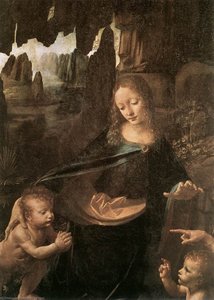
  • Pictură: Mona Lisa, Ultima Cină, Fecioara din Stânci, Anunțarea
  • Desen și schiță: Studii anatomice extinse, Proiecte de inginerie (mașinării de zată, armament), Ilustrații botanice
  • Știință și Inginerie: Lucrări pionierale în anatomie, optică, hidraulică, geologie și cartografie. A conceput invenții cu secole înainte de vreme.