- Acasă

- Imprimare pe pânză
- Lasar Segall
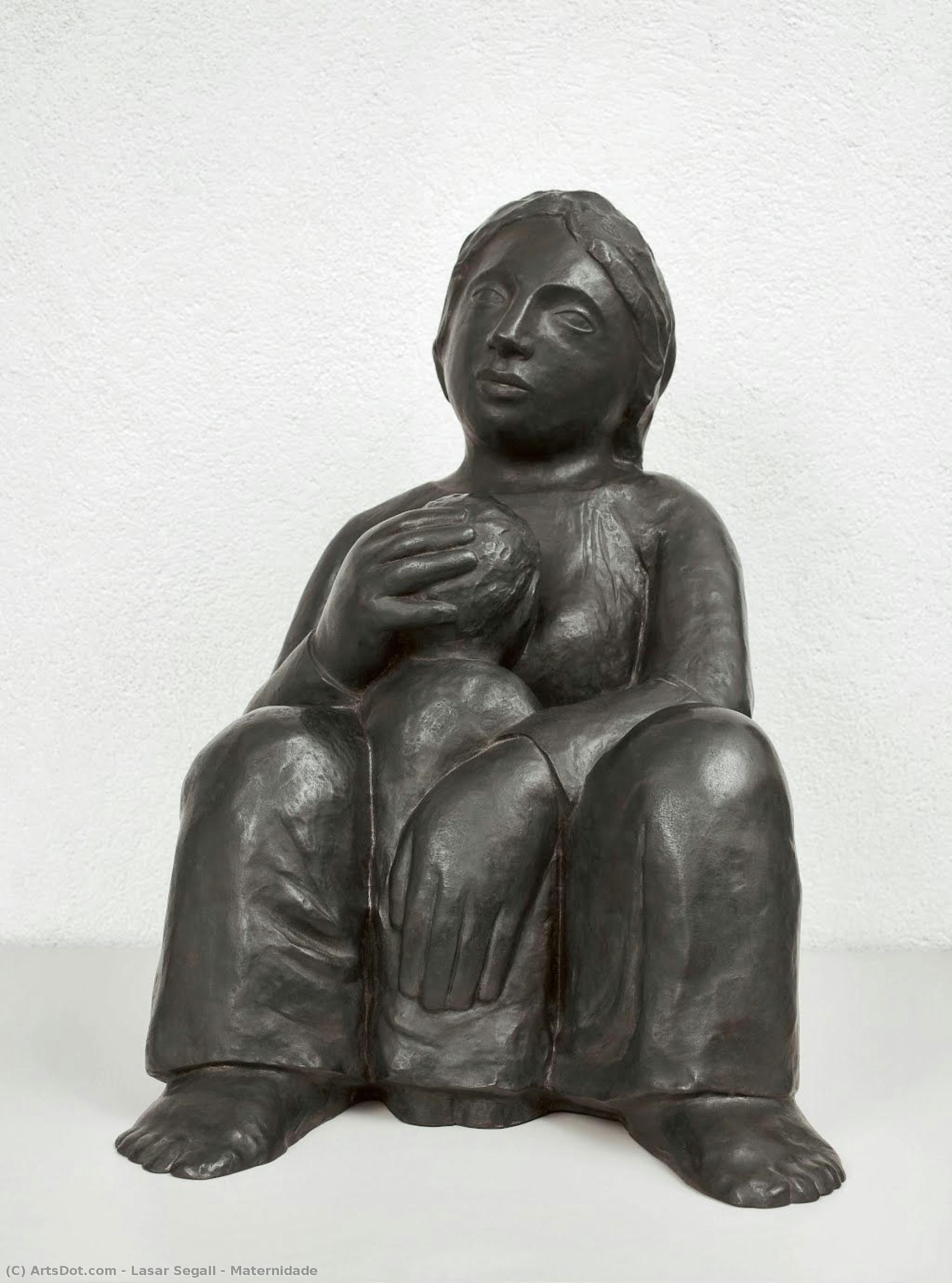
- Maternitate
 Comandă reproducere pictată Cumpără imaginea
 Trimite
 Distribuie
 Detalii despre lucrare
 Adaugă la favorite

 Descarcă
 Similare
 Radiografie
 Diaporama
Maternitate
 Ulei pe pânză
- Artă de perete
 Renașterea
 5.0 x 44.0 cm
 Museu Lasar Segall
 Vezi mai mult
Giclée / Imprimare artistică
Print giclée sau pe canvas de calitate muzeală, cu producție rapidă și opțiuni flexibile de finisare.




P118B $10

P118H $10

P118W $10

P438Z $10

P508JH $12

P508YH $12

P805H $10

P805Z $10

P919BZ $10

P919G $10

P919XJ $10

P959ZH $10

P968JZ $12

W106C $8

W218G $10

W218JH $8

W218Y $10

W307PJ $10

W316G $10

W316PJ $8

W316Y $10

W398PJ $8

W4111J $10

W500HY $15

W500JH $15

W692G $12

W849H $8

W940BG $15

W953PJ $8




Alegeți dintre dimensiunile noastre prestabilite, care respectă proporțiile originale ale operei de artă.

Puteți introduce propriile dimensiuni pentru a se potrivi unui anumit cadru sau spațiu. Dacă dimensiunea selectată nu corespunde proporțiilor imaginii originale, vom decupa lucrarea de artă sau vom extinde imaginea cu margini oglindite sau cu o culoare uniformă. Un mockup digital va fi trimis pentru aprobarea dumneavoastră înainte de începerea producției.
Vă rugăm să rețineți că previzualizarea de pe ecran nu reflectă decuparea sau extinderea reală. Doar mockup-ul va arăta cu exactitate compoziția finală.
Deși dimensiunile personalizate sunt disponibile, vă recomandăm să selectați o dimensiune din lista predefinită pentru a păstra proporțiile originale.
Livrare în întreaga lume () în 2 săptămâni, în loc de cele 4/5 săptămâni standard. (18 Iulie)

Livrare expres gratuită la nivel mondial

Pânză de in de înaltă calitate

Asigurare completă pentru transport

Garanție de rambursare a taxelor vamale

Garanția fidelității culorilor

Politica de retur de 60 de zile (doar pentru defecte)

Garanție 100% de rambursare

Reducere la comenzi multiple
 Opțiunea cu sticlă este disponibilă doar pentru dimensiuni de sub 110 cm

Maternitate
Giclée / Imprimare artistică
Dimensiune reproducere
-


Preț total calculat
-
Descriere obiect de colecție
Lasar Segall’s “Maternidade”: O Coração da Vulnerabilidade
“Maternidade” (Maternidade), pintada em 1935 pelo artista lituano-brasileiro Lasar Segall, é muito mais do que uma simples representação de uma mulher e um filho; é uma exploração profundamente comovente da conexão humana, do deslocamento e da força duradoura dos laços familiares. Executada em óleo sobre tela, esta obra exemplifica o estilo distintivo de Segall – uma combinação poderosa de Expressionismo, Cubismo e simbolismo pessoal enraizado nas suas próprias experiências como refugiado e artista navegando por profundas convulsões sociais. A obra é um testemunho da capacidade humana de encontrar beleza e significado mesmo em meio ao sofrimento e à incerteza.
Uma Composição Direta e Intensa
A composição da pintura é notavelmente direta. Uma mulher, retratada com uma solidez deliberada mas imbuída de uma fragilidade inegável, envolve o seu filho recém-nascido nos seus braços. O rosto do menino permanece em grande parte obscurecido, aumentando o sentido de mistério e enfatizando o abraço protetor da mãe. Segall utiliza magistralmente a cor – tons terrosos, verdes desbotados e toques de ocra – que contribuem significativamente para a atmosfera sombria, mas reconfortante da pintura. Estas cores evocam um sentimento de ancoragem, refletindo a conexão primária entre mãe e filho, ao mesmo tempo que sugerem as dificuldades enfrentadas por aqueles deslocados das suas casas. A paleta de cores é cuidadosamente escolhida para evocar emoções profundas e criar uma sensação de calma e segurança.
Um Reflexo do Deslocamento e da Resiliência
A vida de Segall está inextricavelmente ligada à obra de arte. Fugindo da perseguição na Lituânia no início do século XX, ele acabou por estabelecer-se no Brasil, levando consigo um profundo sentimento de perda e um compromisso em retratar a condição humana com honestidade implacável. “Maternidade” pode ser interpretada como uma meditação poderosa sobre esta experiência – um testemunho da resiliência do espírito humano e da necessidade duradoura de conexão em meio ao caos. A pintura transmite emoções cruas que apelam diretamente aos temas universais da maternidade, proteção e o vínculo profundo entre gerações. A obra é um lembrete pungente das lutas enfrentadas por aqueles que foram forçados a deixar as suas casas e procurar refúgio num novo país.
A Influência do Cubismo e o Simbolismo Pessoal
A influência do Cubismo é evidente nas formas fragmentadas e nas múltiplas perspetivas de Segall, sugerindo sutilmente a natureza fracturada da identidade e da experiência frequentemente associada ao deslocamento. No entanto, ao contrário de algumas obras cubistas focadas na abstração intelectual, o uso de Segall desta técnica serve para intensificar o impacto emocional da cena, aumentando a empatia do espectador pelos personagens dentro dela. Além disso, a obra está repleta de significado simbólico. A postura da mulher – protetora, envolvente, quase escultórica – sugere um forte e seguro contra o mundo, enquanto o seu olhar transmite tanto ternura como uma determinação silenciosa. O menino representa não apenas as gerações futuras, mas também a continuação da vida, um símbolo de esperança em meio à adversidade. A obra é uma celebração do amor incondicional e da força dos laços familiares.
Um Legado Duradouro
“Maternidade” permanece uma obra poderosa e atemporal – um lembrete pungente da nossa humanidade compartilhada e da importância de valorizar aqueles que estão mais próximos de nós. A obra de Segall continua a inspirar e comover, oferecendo uma janela para as emoções humanas fundamentais e a capacidade do arte de transcender o tempo e o espaço.
Biografie artist
A Life Forged in Displacement: The Journey of Lasar Segall
Lasar Segall’s life was a testament to the power of art born from displacement and suffering, a narrative etched onto canvas with raw emotion and innovative technique. Born on July 21, 1891, in Vilnius, Lithuania—then part of the Russian Empire—Segall inherited a profound connection to his Jewish heritage through his father, a Torah scribe. This early immersion in tradition would become a recurring undercurrent throughout his artistic explorations, even as he navigated a world increasingly defined by upheaval and change. His formative years were steeped in the anxieties of a society grappling with political unrest and religious persecution, themes that would later dominate his work. The seeds of an artist acutely sensitive to human vulnerability were sown early, nurtured by a childhood shadowed by uncertainty.From Berlin to Brazil: A Blossoming Artistic Voice
At fifteen, Segall embarked on a journey that would irrevocably shape his artistic trajectory, moving to Berlin in 1906 to study at the Königliche Akademie der Künste. This immersion into the vibrant German art scene proved pivotal, exposing him to new ideas and techniques while simultaneously solidifying his commitment to self-expression. He continued his studies in Dresden, becoming a “Meisterschüler” at the Kunstakademie, where he began developing a distinctive style characterized by troubled figures inhabiting claustrophobic spaces, their features often exaggerated to convey profound emotional distress. These early works were not merely representations of form; they were visceral expressions of alienation and suffering, influenced by African tribal art and foreshadowing the Expressionist movement that would soon claim him as one of its own. Segall’s involvement with the Dresden Secession Gruppe in 1919, alongside artists like Otto Dix and Conrad Felixmüller, marked a significant step toward artistic independence and a rejection of conventional norms. However, the turbulence of post-war Europe fueled his desire for a new beginning. In 1923, he made the momentous decision to relocate to São Paulo, Brazil, joining siblings who had already established themselves in the country. This move proved transformative, not only offering him refuge but also exposing him to a culture brimming with vibrant colors, diverse influences, and a unique energy that would infuse his art with new life.Brazilian Rhythms and Modernist Visions
Brazil became more than just a haven for Segall; it was a catalyst for artistic reinvention. He quickly embraced the country’s multifaceted identity, drawing inspiration from its bustling cities, lush landscapes, and diverse population. The red-light districts of Rio de Janeiro, the lives of plantation workers, and the vibrant energy of the favelas all found their way onto his canvases. His participation in the pivotal Semana de Arte Moderna (Modern Art Week) in 1922 solidified his position as a leading figure in the Brazilian modernist movement, challenging traditional artistic conventions and paving the way for a new era of creative expression. While retaining elements of Expressionism, Segall’s style evolved towards a more Cubist-influenced approach, reflecting the dynamic forms and bold colors of Brazilian life. He became a Brazilian citizen, fully immersing himself in the cultural landscape while continuing to explore universal themes of human suffering, displacement, and identity.A Legacy of Empathy and Social Commentary
The mature phase of Segall’s career was marked by a deepening exploration of portraiture, landscapes imbued with social commentary, and a continued commitment to portraying the marginalized and oppressed. His portraits, such as “Portrait of Lucy” (1937) and “Lucy with Flower” (1942), are particularly poignant, capturing not just physical likeness but also the inner lives and emotional complexities of his subjects. These works demonstrate an extraordinary ability to convey empathy and understanding through expressive brushwork and a keen sensitivity to human emotion. His landscapes often served as vehicles for social critique, reflecting on the realities of poverty, inequality, and injustice in Brazil. Throughout his life, Segall remained deeply connected to his Jewish heritage and experiences as an immigrant, themes that consistently resurfaced in his art. He died on August 2, 1957, leaving behind a rich artistic legacy that continues to resonate with audiences today. The Museu Lasar Segall in São Paulo, housed in his former residence and studio, stands as a testament to his enduring influence and provides invaluable insight into the life and work of this remarkable artist—a pivotal figure who bridged European traditions with Brazilian realities, leaving an indelible mark on the landscape of modern art. His work remains a powerful reminder of the importance of empathy, social consciousness, and artistic integrity.
Lasar Segall
1891 - 1957 , Lithuania
Detalii rapide
- Artistic Movement Or Style: Expressionism, Modernism
- Artists Or Movements Influenced By This Artist: ['Brazilian modern artists']
- Artists Who Influenced This Artist: ['African tribal art']
- Date Of Birth: July 21, 1891
- Date Of Death: August 2, 1957
- Full Name: Lasar Segall
- Nationality: Lithuanian-Brazilian
- Notable Artworks:
- Lucy with Flower
- Portrait of Lucy
- Place Of Birth: Vilnius, Lithuania
Articole conexe
Top 10 Capodopere '07-Modern: Artă, Istorie și Decor de Lux | OriginalUniqueArt.ro
Descoperă Top 10 capodopere '07-Modern! Explorează poveștile din spatele picturilor celebre de Van Gogh, Monet, Picasso și alți artiști iconici. Găsește inspirație pentru decorul casei tale cu reproduceri arta de lux pe OriginalUniqueArt.ro!

Umberto Boccioni: Dynamism, Futurist Ideals & the Evolution of Modern Sculpture
Explore the revolutionary art of Umberto Boccioni, a leading figure of Futurism. Discover his iconic sculptures & paintings, and delve into the movement's impact on modern art history with OriginalUniqueArt.
Figurative Expressionism: Emotional Intensity & Subjective Reality in 20th-Century Art
Explore the powerful world of Figurative Expressionism with OriginalUniqueArt. Discover key artists like Kirchner & Beckmann, understand its emotional depth, and learn how to collect this influential 20th-century art movement.
Capodopere în ulei pe pânză: 10 opere care au revoluționat arta | OriginalUniqueArt.ro
Descoperă cele mai importante 10 capodopere în ulei pe pânză care au schimbat istoria artei! Explorează poveștile lui Van Gogh, Da Vinci și alți pictori renumiți. Reproduceri de artă de calitate muzeală pentru decorul perfect. Explorează colecția completă online pe OriginalUniqueArt.com!

The Enduring Allure of Marble in Art History: From Classical Sculpture to Modern Abstraction
Explore the captivating history of marble sculpture from ancient Greece to modern art. Discover renowned artists like Canova & Michelangelo, carving techniques, and investment insights at OriginalUniqueArt.


