

 Previzualizare
 Trimite prin felicitare
 Distribuie
 Detalii despre lucrare
 Ghid
Ghid

 Descarcă imaginea
 Produse similare
 Radiografie
 Galerie foto
 Statistici
Dansul Vrindelor Înfloritoare


 Vezi mai mult
Giclée / Imprimare artistică
Printuri giclée sau pe canvas de calitate muzeală, cu proces de producție rapid și opțiuni flexibile de finisare. ( Comandă pictură realizată manual Comută pe Imagine Digitală)




P118B lei10

P118H lei10

P118W lei10

P438Z lei10

P508JH lei12

P508YH lei12

P805H lei10

P805Z lei10

P919BZ lei10

P919G lei10

P919XJ lei10

P959ZH lei10

P968JZ lei12

W106C lei8

W218G lei10

W218JH lei8

W218Y lei10

W307PJ lei10

W316G lei10

W316PJ lei8

W316Y lei10

W398PJ lei8

W4111J lei10

W500HY lei15

W500JH lei15

W692G lei12

W849H lei8

W940BG lei15

W953PJ lei8




Alegeți dintre dimensiunile noastre prestabilite, care respectă proporțiile originale ale operei de artă.

Introduceți lățimea și înălțimea necesare pentru a se potrivi ramei sau peretelui dumneavoastră. O printare poate fi doar tăiată, niciodată extinsă dincolo de dimensiunea imaginii originale, astfel încât o dimensiune cu o formă diferită va pierde o parte din imagine. Vă trimitem o simulare digitală pentru aprobare înainte de a imprima orice. Imaginea afișată pe această pagină nu prezintă tăierea reală — doar simularea arată acest lucru.
Livrare în întreaga lume () în 2 săptămâni, în loc de cele 4/5 săptămâni standard. (25 Octombrie)

Livrare expres gratuită la nivel mondial

Pânză de in de înaltă calitate

Asigurare completă pentru transport

Garanție de rambursare a taxelor vamale

Garanția fidelității culorilor

Politica de retur în 100 de zile (doar pentru defecte de fabricație)

Garanție de rambursare 100%

Ofertă pentru comenzi multiple
 Opțiunea cu sticlă este disponibilă doar pentru dimensiuni de sub 110 cm

Dansul Vrindelor Înfloritoare
Giclée / Imprimare artistică
Dimensiune reproducere
-


Preț total calculat
lei 370
Dansul Maidenei Încoronate de Ghirlande
„Dansul Maidenei Încoronate de Ghirlande” este o pictură realizată de Koloman Moser în anul 1898 și reprezintă un simbol puternic al esteticii Secessioniste Viennese. Opera lui Moser, aflată în colecția Muzeului Aplicatelor Arti din Viena (MAK), este una dintre cele mai importante creații ale acestui artist și reflectă influențele clasicismului greco-roman asupra artei moderne austriece. În centrul imaginii se află o clădire impresionantă, probabil Clădirea Secession în sine, simbol al unei noi direcții estetice și culturale care sfida tradițiile academice ale vremii. În prim plan sunt reprezentate femei îmbrăcate în rochii elegante și fluide, ghirlande de flori și plante fiind aplicate cu grijă pe corpuri și pe arhitectură. Compoziția este atent echilibrată și dominată de linii drepte și geometrice caracteristice stilului Secessionist, subliniind astfel claritatea și simplitatea formei.- Stil: Secessionist Viennese – O mișcare artistică inovatoare care pune accent pe forme geometrice simplificate și pe utilizarea culorilor puternice pentru exprimarea emoțiilor și a ideilor estetice.
- Tehnica: Pictură ulei pe lemn – Moser folosește această tehnică tradițională pentru a obține o culoare bogată și luminoasă, precum și pentru a reprezenta în mod realist textura lemnului și a suprafețelor arhitecturale.
- Istoric Context: Opera lui Moser aparține unei perioade marcate de schimbări sociale și culturale semnificative în Austria-Ungaria, când intelectualii și artiștii au început să își îndrepte atenția către problemele contemporane și să promoveze ideea unei arte independente de influențele religioase și academice.
- Simbolism: Ghirlandele reprezintă fertilitatea și renașterea, simboluri importante în cultura greco-romană și în simbolistica creștină, fiind aplicate cu grijă pe femei pentru a accentua astfel eleganța și frumusețea lor.
Întrebări și răspunsuri
Ce atmosferă ar aduce într-o încăpere o reproducere a operei "Dansul Vrindelor Înfloritoare" de Koloman Moser?
Atmosfera Elegant a operei "Dansul Vrindelor Înfloritoare" de Koloman Moser se potrivește perfect spațiului recomandat: un Living Room.
Ce reprezintă "Dansul Vrindelor Înfloritoare" de Koloman Moser și ce atmosferă transmite?
„Dansul Vrindelor Înfloritoare” surprinde architecture, vienna, ornamentation, geometric, floral, symbolism, secessionist style, având o atmosferă Elegant.
Unde pot vedea o previzualizare pentru „Dansul Vrindelor Înfloritoare”?
Pentru o previzualizare a unei reproduceri a operei "Dansul Vrindelor Înfloritoare" de Koloman Moser, accesați pagina de Previzualizare în spațiu a lucrării.
Biografie artist
Early Life and Artistic Roots
Koloman Moser, a name synonymous with Viennese Art Nouveau and the innovative spirit of the early 20th century, was born on March 30, 1868, in Vienna, Austria-Hungary – a city that would profoundly shape his artistic vision. His birthplace, nestled within the heart of the Habsburg Empire, provided him with an environment steeped in tradition yet simultaneously receptive to new ideas and influences. His family background played a crucial role in nurturing his nascent artistic sensibilities; his father, Josef Moser, was a respected administrator for the prestigious Theresianum, an aristocratic academy renowned for its diverse range of craft workshops – an exposure that undoubtedly ignited young Koloman’s fascination with materials, techniques, and the tangible beauty of creation. Secretly, he pursued drawing lessons, demonstrating a quiet determination to hone his skills outside the formal curriculum, foreshadowing the multifaceted nature of his future career. This early immersion in both academic rigor and hands-on craftsmanship would become a defining characteristic of his artistic approach.A Multifaceted Career: Graphic Art, Fashion, and Architecture
Moser’s artistic journey transcended simple categorization, manifesting as a remarkable convergence of disciplines. He wasn't merely a painter; he was a designer, an architect, a craftsman, and a visionary. His impact on graphic art is particularly noteworthy – he designed postage stamps with striking geometric patterns, created elegant vignettes for magazines, and masterfully employed typography to convey both information and aesthetic appeal. Beyond the printed page, Moser’s talent extended into the realm of fashion, where his designs incorporated flowing lines and intricate details, reflecting the elegance of the Art Nouveau movement. He also contributed significantly to applied arts, designing stained glass windows for the Kirche am Steinhof (1904), porcelains, ceramics, blown glass, tableware, silver, and jewelry – a testament to his commitment to integrating art into everyday life. His architectural designs, most notably the apse mosaic and glass windows of the same church, stand as masterpieces of Art Nouveau architecture, seamlessly blending artistic vision with functional design principles. These works demonstrate his ability to create spaces that are both visually stunning and inherently practical.The Wiener Werkstätte: A Collaborative Utopia
In 1903, Koloman Moser joined forces with Josef Hoffmann and Fritz Wärndorfer to establish the Wiener Werkstätte – a collaborative workshop dedicated to producing aesthetically pleasing household goods through the union of artists and craftsmen. This venture embodied the “Gesamtkunstwerk” (total work of art) philosophy, demanding that every element of an object—from its initial design to its final production—be meticulously considered. Moser’s involvement in the Wiener Werkstätte solidified his commitment to functional beauty and elevated the status of applied arts within Viennese society. The workshop became a crucible for innovation, pushing the boundaries of design and challenging conventional notions of craftsmanship.Influences and Artistic Evolution
Moser's artistic development was shaped by a confluence of influential movements. Art Nouveau, with its emphasis on organic forms and flowing lines, provided a foundational aesthetic framework. He also drew inspiration from Symbolism, embracing evocative imagery and exploring the emotional depths of his subjects. Crucially, he found resonance in Japanese woodblock prints, which informed his use of flat planes of color, simplified forms, and a deliberate sense of restraint. Over time, his style evolved, becoming increasingly abstract and geometric while retaining an underlying elegance and refinement. His work reflected a constant dialogue between tradition and innovation, resulting in a uniquely Viennese aesthetic that continues to captivate audiences today.Legacy and Enduring Influence
Koloman Moser’s legacy extends far beyond the confines of his lifetime. His designs were immortalized on the Austrian 100 Euro commemorative coin (2005), recognizing his enduring influence on art and design. He died in Vienna in 1918, leaving behind a substantial body of work that continues to inspire artists and designers worldwide. His contributions fundamentally shaped the course of modern art and design, emphasizing the importance of integrating beauty into everyday objects and spaces—a principle that remains profoundly relevant in our contemporary world.
Koloman Moser
1868 - 1918 , Croația
Detalii rapide
- Artistic Movement Or Style: Secesiunea Viena
- Artists Or Movements Influenced By This Artist: ['Secesiunea Viena']
- Artists Who Influenced This Artist: ['Wiener Werkstätte']
- Date Of Birth: 30 martie 1868
- Date Of Death: 18 oct 1918
- Full Name: Koloman Moser
- Nationality: Austrian
- Notable Artworks:
- Decorarea fațadei
- Dansatoare
- Cele trei femei ghemuite
- Regele broasca
- Clashul titanilor
- Cele trei gracii
- Lumina
- Place Of Birth: Viena, Croația
Articole similare
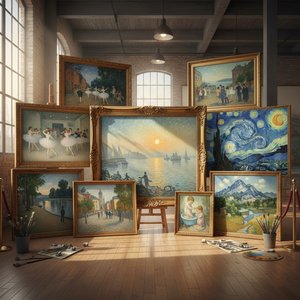
Top 10 Capodopere Impresioniste: Arta care a Schimbat Decorul și Istoria
Descoperă top 10 capodopere impresioniste de la Monet, Renoir și Degas! Explorează istoria artei impresioniste, culorile vibrante și tehnicile inovatoare. Reproduceri tablouri de calitate muzeală pe OriginalUniqueArt.com.

Top 10 Capodopere Impresioniste: Peisaje care au Definit Arta Modernă | OriginalUniqueArt.ro
Descoperă top 10 capodopere impresioniste care au revoluționat arta! Monet, Manet, Renoir și alți maeștri ai peisajului. Reproduceri de tablouri de calitate muzeală pentru un decor inspirat. Explorează colecția completă pe OriginalUniqueArt.com!

Top 10 Capodopere Impresioniste: Peisaje care au Schimbat Arta | OriginalUniqueArt.ro
Descoperă top 10 capodopere impresioniste care au revoluționat arta! Monet, Manet, Renoir și alți maeștri ai peisajului. Reproduceri de tablouri canvas de calitate muzeală pentru un decor inspirat. Explorează colecția completă pe OriginalUniqueArt.com!
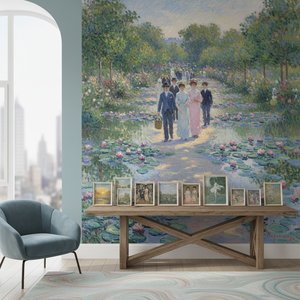
Top 10 Capodopere Impresioniste: Artă, Istorie și Decor de Lux | .ro
Descoperă top 10 capodopere impresioniste de la Monet, Manet, Renoir și alți artiști geniali. Explorează istoria, tehnicile și emoțiile din spatele picturilor celebre. Reproduceri tablouri de lux pe .ro! Explorează colecția online.
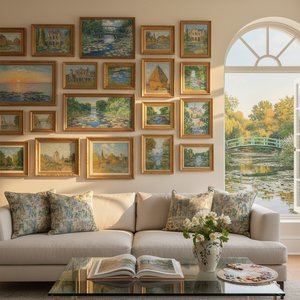
Claude Monet: Cele Mai Iconice Lucrări – O Călătorie Prin Frumusețea Impresionismului | OriginalUniqueArt.ro
Descoperă cele mai frumoase lucrări Claude Monet – o călătorie prin impresionism, nufăr și peisaje iconice. Află povestea fiecărui tablou și adu atmosfera artistică în casa ta cu reproduceri de calitate superioară pe OriginalUniqueArt.com!
