

 Vezi în context
 Trimite
 Distribuie
 Detalii
 Ghidul

 Descarcă
 Produse similare
 Radiografie
 Diaporama
 Statistici
Autoportret
 Acrilic pe pânză întinsă
- Artă de perete
- Yōga Movement
 1917
1917 51.0 x 73.0 cm
 Aichi Prefectural Museum of Art
 Citește mai mult
Giclée / Imprimare artistică
Printuri giclée sau pe canvas de calitate muzeală, cu proces de producție rapid și opțiuni flexibile de finisare. ( Comandă pictură realizată manual Treci la imagine digitală)




P118B $10

P118H $10

P118W $10

P438Z $10

P508JH $12

P508YH $12

P805H $10

P805Z $10

P919BZ $10

P919G $10

P919XJ $10

P959ZH $10

P968JZ $12

W106C $8

W218G $10

W218JH $8

W218Y $10

W307PJ $10

W316G $10

W316PJ $8

W316Y $10

W398PJ $8

W4111J $10

W500HY $15

W500JH $15

W692G $12

W849H $8

W940BG $15

W953PJ $8




Alegeți dintre dimensiunile noastre prestabilite, care respectă proporțiile originale ale operei de artă.

Puteți introduce propriile dimensiuni pentru a se potrivi unui anumit cadru sau spațiu. Dacă dimensiunea selectată nu corespunde proporțiilor imaginii originale, vom decupa lucrarea de artă sau vom extinde imaginea cu margini oglindite sau cu o culoare uniformă. Un mockup digital va fi trimis pentru aprobarea dumneavoastră înainte de începerea producției.
Vă rugăm să rețineți că previzualizarea de pe ecran nu reflectă decuparea sau extinderea reală. Doar mockup-ul va arăta cu exactitate compoziția finală.
Deși dimensiunile personalizate sunt disponibile, vă recomandăm să selectați o dimensiune din lista predefinită pentru a păstra proporțiile originale.
Livrare în întreaga lume () în 2 săptămâni, în loc de cele 4/5 săptămâni standard. (26 Septembrie)

Livrare expres gratuită la nivel mondial

Pânză de in premium

Asigurare completă pentru transport

Garanție de rambursare a taxelor vamale

Garanția fidelității culorilor

Politica de retur în 100 de zile (doar pentru defecte)

Garanție de rambursare 100%

Reducere pentru comenzi multiple
 Opțiunea cu sticlă este disponibilă doar pentru dimensiuni de sub 110 cm

Autoportret
Giclée / Imprimare artistică
Dimensiune reproducere
-


Preț total
$ 80
Kohno Michisei’s Self-Portrait: A Window Into Taishō Japonism
The painting “Self-Portrait” by Kohno Michisei (1895–1950) stands as a remarkable testament to the confluence of Western artistic influences and deeply rooted Japanese traditions during the Taishō period (1912–1926). More than just a depiction of an individual, it’s a carefully constructed visual statement reflecting the artist's intellectual engagement with European art history—specifically Albrecht Dürer’s iconic self-portrait—and his profound connection to the spiritual landscape of Nagano Prefecture, where he spent formative years. This essay delves into the intricacies of Michisei’s artistic vision and explores its enduring relevance for contemporary audiences.- Subject Matter & Composition: Michisei presents himself with deliberate composure against a backdrop dominated by monumental oak leaves—a motif borrowed directly from Dürer's celebrated masterpiece. The artist’s gaze is direct, unwavering, conveying both intellectual curiosity and a quiet introspection. Surrounding him are symbolic objects – notably two clocks – which subtly underscore themes of time and mortality, common preoccupations within Western Renaissance art but also resonating with Buddhist concepts prevalent in Japanese culture.
- Stylistic Influences: Michisei’s technique exemplifies the hallmark of Yōga (Western-style painting), achieved through meticulous observation and painstaking rendering. However, he skillfully incorporates elements characteristic of Japonism—the fascination for Japanese aesthetics that gripped European artists during the Belle Époque—resulting in a harmonious blend of styles. The artist's masterful use of chiaroscuro creates depth and drama, mirroring the dramatic lighting employed by Rembrandt and other Baroque masters.
- Historical Context: Created in 1917, “Self-Portrait” emerged from a period marked by significant artistic experimentation and intellectual ferment within Japan. Artists like Michisei sought to transcend the academic formalism of the Meiji era (1868–1912) and forge new paths toward expressive art—a reaction against the prevailing naturalism championed by the Imperial Academy. The painting’s exhibition at the Bunten, Tokyo’s prestigious annual salon, solidified Michisei's position as a leading figure in this vanguard movement.
- Symbolism & Emotional Resonance: Beyond its technical prowess, “Self-Portrait” communicates profound psychological insight. The artist’s gaze invites contemplation on themes of identity and self-awareness—a preoccupation central to Renaissance humanist thought. Furthermore, the inclusion of oak leaves symbolizes resilience and longevity, mirroring the enduring spirit of Nagano Prefecture and reflecting Michisei's own philosophical outlook.
- Contemporary Relevance: Today, “Self-Portrait” continues to captivate viewers with its masterful execution and evocative imagery. Its exploration of selfhood—a timeless concern—remains powerfully relevant in an era increasingly focused on introspection and personal narrative. Reproductions of this artwork offer a unique opportunity to engage with the artistic legacy of the Taishō period and appreciate Michisei’s contribution to the broader canon of Japanese art history.
Biografie artist
**early life and career**
kohno michisei, also known as kono petoru tsusei, was a renowned japanese painter, illustrator, and printmaker born in 1895 in japan. his work is characterized by its association with the yōga movement of the early 20th century, making him a representative figure of the taishō period in japanese art.**artistic style and influences**
kohno's artistic style was deeply influenced by western techniques, which he incorporated into his traditional japanese art. this blend of styles is reflective of the yōga movement, which sought to modernize japanese art while maintaining its cultural essence. his work often featured elements of the japonism art movement, a french term that refers to the popularity and influence of japanese art and design among western european artists in the nineteenth century.**notable works and techniques**
* **the ukiyo-e art movement**: kohno's work was also influenced by ukiyo-e, a genre of japanese art that flourished from the 17th through 19th centuries. this is evident in his use of woodblock prints and paintings depicting various subjects. * **one hundred famous views of edo**: inspired by the works of ando hiroshige, kohno's own landscapes series, though not as widely known, showcased his skill in capturing the essence of japanese scenery.**legacy and museum collections**
kohno michisei's work can be found in various museum collections, including the gulbenkian museum foundation in lisbon, portugal. this renowned art museum houses one of the world's most important private art collections, featuring works from ancient egypt to the early 20th century.- key dates: born in 1895, japan; passed away in 1950
- art movement: yōga movement, japonism art movement, ukiyo-e
- notable works: influenced by ando hiroshige's landscapes series
- museum collections: the gulbenkian museum foundation, lisbon, portugal
**conclusion**
kohno michisei's contribution to the yōga movement and his influence on japanese art are undeniable. his work, though lesser known compared to some of his contemporaries, remains a vital part of japan's artistic heritage. as an artist who bridged traditional and modern techniques, kohno michisei's legacy continues to inspire artists and art enthusiasts alike.
kohno michisei
1895 - 1950 , Japan
Informații rapide
- Artistic Movement Or Style: Yōga, Japonism
- Artists Or Movements Influenced By This Artist:
- Kishida Ryūsei
- Kokugakai
- Artists Who Influenced This Artist:
- Albrecht Dürer
- Michelangelo
- Date Of Birth: June 10, 1895
- Date Of Death: March 31, 1950
- Full Name: Kohno Michisei (Kono Petoru Tsusei)
- Nationality: Japanese
- Notable Artworks:
- Self-Portrait (1917)
- Adam and Eve painting
- Place Of Birth: Isezaki, Gunma Prefecture, Japan
Articole conexe

The Enduring Power of Painting: A Historical & Contemporary Exploration of Form and Emotion
Explore the rich history & enduring techniques of oil painting with OriginalUniqueArt. Discover masterpieces, learn about art collecting, and find authentic handmade reproductions crafted by skilled artists.

Moștenirea Durabilă a Picturii în Ulei: Tehnică, Istorie și Practică Contemporană
Descoperă istoria fascinantă și tehnicile esențiale ale picturii în ulei. Ghid complet pentru artiști, de la materiale până la creații contemporane. Îmbunătățește-ți abilitățile artistice!
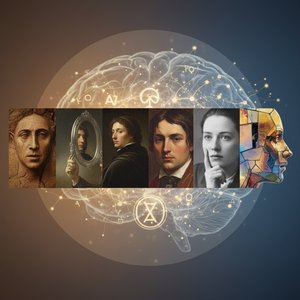
Reflecting the Self: A History of Portraiture & Psychological Insight
Explore the fascinating history of self-portraiture from Renaissance masters like Dürer & Rembrandt to modern interpretations. Discover the psychological insights and artistic techniques behind these iconic works. Expert analysis for art enthusiasts.

The Enduring Legacy of Oil on Canvas: Technique, History & Aesthetic Impact
Explore the rich history & techniques of oil painting – from Renaissance masters to Impressionism. Discover pigments, layering methods, and why this timeless medium endures. Expert insights for artists & art enthusiasts.

Oil on Canvas: A Historical & Technical Exploration of a Timeless Artistic Medium
Explore the rich history & enduring techniques of oil painting on canvas. Discover the science behind its longevity, conservation practices, and contemporary relevance. Expert insights for art enthusiasts.
