
 Previzualizare
 Trimite
 Distribuie
 Detalii despre lucrare

 Descarcă
 Produse similare
 Radiografie
 Diapozitive automate
Nude Study for Mosaic, Wisconsin State Capitol,


 Vezi mai mult
Reproducere pictată manual în ulei
Pictură în ulei pe pânză, realizată manual de artiștii noștri la dimensiunea și ramele dorite de dumneavoastră, pe comandă. ( Comandă printul Cumpără imaginea)




































Alegeți dintre dimensiunile noastre prestabilite, care respectă proporțiile originale ale operei de artă.

Puteți introduce propriile dimensiuni pentru a se potrivi unui anumit cadru sau spațiu. Dacă dimensiunea selectată nu corespunde proporțiilor imaginii originale, vom decupa opera de artă sau vom extinde pictura cu elemente suplimentare pictate manual. O simulare digitală vă va fi trimisă pentru aprobare înainte de începerea producției.
Vă rugăm să rețineți că previzualizarea de pe ecran nu reflectă decuparea sau extinderea reală. Doar macheta va arăta cu exactitate compoziția finală.
Deși sunt disponibile dimensiuni personalizate, vă recomandăm să selectați o dimensiune din lista predefinită pentru a păstra proporțiile originale.
După plasarea comenzii, echipa OriginalUniqueArt.com va contacta clientul prin e-mail pentru instrucțiuni și îi va furniza o previzualizare a machetei
Livrare în întreaga lume () în 3-4 săptămâni, în loc de cele 5 săptămâni standard. (20 August). Fără compromisuri în ceea ce privește calitatea.

Livrare expres gratuită la nivel mondial

Pânză de in de înaltă calitate

Asigurare completă pentru transport

Garanție de rambursare a taxelor vamale

Garanția fidelității culorilor

Politica de retur în 60 de zile (doar pentru defecte)

Garanție de rambursare 100%

Ofertă pentru comenzi multiple
 Opțiunea cu sticlă este disponibilă doar pentru dimensiuni de sub 110 cm

Nude Study for Mosaic, Wisconsin State Capitol,
Tehnică de reproducere
Dimensiune reproducere
-


Preț total calculat
$ 300
Descriere operă de artă
The Grace of Graphite: A Study in Classical Form
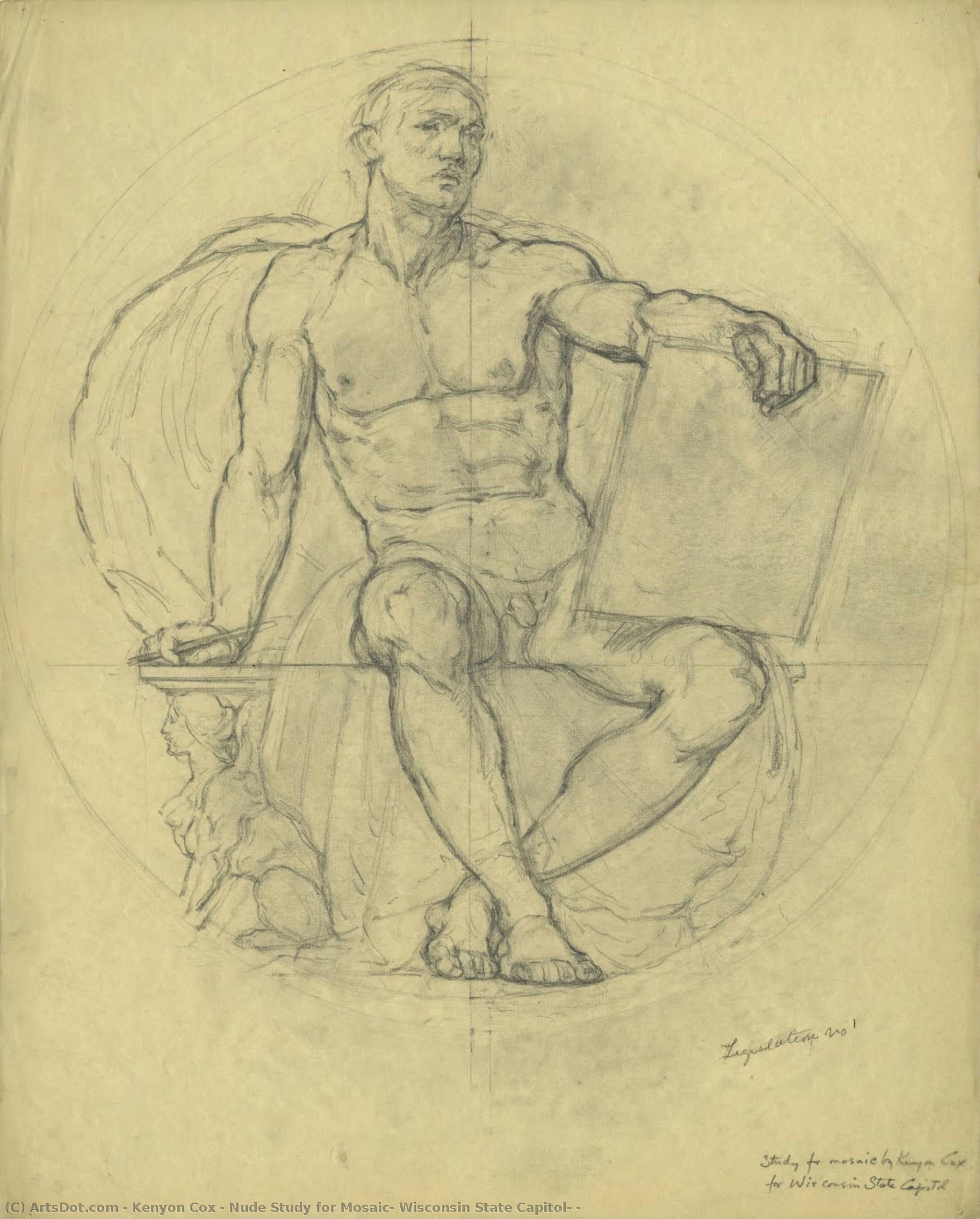
In the quiet, focused strokes of Kenyon Cox’s 1912 masterpiece, Nude Study for Mosaic, Wisconsin State Capitol, we find a profound meditation on the human anatomy. This exquisite pencil sketch serves as more than just a preparatory drawing; it is a window into the rigorous discipline of classical realism. The artwork captures a nude male figure seated in an armchair, rendered with such precision that the weight of his limbs and the subtle tension of his muscles feel almost tangible. Presented within a large circular frame, the composition directs the viewer’s gaze inward, creating an intimate encounter with the subject. Through the masterful use of graphite, Cox achieves a breathtaking sense of three-dimensionality, where light and shadow dance across the skin to reveal the underlying skeletal and muscular architecture.
The technique employed here is a testament to the artist's profound training at the prestigious École des Beaux-Arts. Every line serves a purpose, defining the contours of the body with anatomical accuracy while utilizing soft shading to build volume. The texture of the pencil strokes adds a tactile quality to the piece, reminding us of the raw, manual labor involved in the creation of fine art. There is a rhythmic beauty in the way the shadows deepen around the folds of the chair and the musculature of the torso, suggesting a light source that descends from above to illuminate the idealized form. This meticulous rendering of light and shadow creates a sense of depth that transcends the two-dimensional surface of the paper.
A Legacy of Strength and Symbolism
Beyond its technical brilliance, this study carries a heavy weight of historical and symbolic significance. Created as a preparatory work for the monumental mosaic project within the Wisconsin State Capitol, the drawing was intended to capture the essence of strength, stability, and timelessness. The male figure, depicted in a state of poised repose, embodies the classical ideals of the Renaissance—a period that Cox deeply admired and sought to emulate in his American academic style. In this context, the nude form is not merely an object of study but a symbol of the enduring human spirit and the foundational strength upon which civic institutions are built.
For the discerning collector or interior designer, this artwork offers a unique opportunity to introduce a sense of historical gravity and sophisticated elegance into a space. The grayscale palette and classical subject matter make it an incredibly versatile piece, capable of anchoring a room with its quiet authority. Whether placed in a contemporary gallery setting or a more traditional study, the Nude Study for Mosaic invites contemplation and serves as a conversation piece that celebrates the intersection of fine art history and anatomical perfection. It is a timeless tribute to the beauty of the human form, preserved through the delicate yet powerful medium of graphite.
Biografie artist
Kenyon Cox: Life and Legacy
Early Life and Education
- Born: October 27, 1856, in Warren, Ohio.
- Parents: Jacob Dolson Cox and Helen Finney Cox.
- Kenyon Cox initially studied at the Art Academy of Cincinnati (formerly the McMicken School of Art). However, he quickly recognized the limited artistic opportunities available in the city.
- Following a visit to the Centennial Exposition in Philadelphia, he decided to pursue further education at the Pennsylvania Academy of Fine Arts, hoping it would lead to studies in Europe.
Parisian Training and Influences
- In 1877, Cox moved to Paris, joining a wave of American artists seeking artistic inspiration. He believed Paris was experiencing a “second renaissance” in art.
- Influential Teachers: Carolus-Duran, Jean-Léon Gérôme, and Alexandre Cabanel at the École des Beaux-Arts.
- He initially studied under Carolus-Duran but became frustrated with what he perceived as a “vulgarity” in Duran’s style.
- Travels throughout France and Italy exposed him to the works of Renaissance masters, profoundly shaping his artistic vision.
Career in New York and Artistic Style
- In 1882, Cox returned to New York City, where he established himself as a painter and illustrator.
- Illustration Work: He became well-known for his magazine illustrations, which reached a wider audience than his paintings.
- Art Criticism: Cox also wrote unsigned art criticisms for the New York Evening Post, supplementing his income.
- His artistic style leaned towards realism, with a focus on landscapes, portraits, and genre studies. He was known for idealized nudes and traditional treatments of classical themes.
Teaching and Institutional Involvement
- Art Students League of New York: Cox became a highly influential instructor at the Art Students League, shaping generations of artists. He designed the League’s logo featuring the motto “Nulla Dies Sine Linea” (No Day Without a Line).
- Elected an Associate Academician of the National Academy of Design in 1900 and a full Academician in 1903.
- Founding Member: He was one of the founders and secretary of the National Free Arts League.
- Leadership Roles: Served as president of the National Society of Mural Painters from 1915 to 1919, and held memberships in various prestigious art organizations.
Major Achievements and Historical Significance
- Cox’s work represented a commitment to classical ideals at a time when modern art movements were emerging. He advocated for careful drawing, modulated color, and the use of allegory and symbolism.
- His writings, such as “Two Ways of Painting,” articulated his views on figurative art versus abstract or representational styles.
- Legacy: Though not a radical innovator, Kenyon Cox played a crucial role in maintaining traditional artistic standards and educating aspiring artists. His influence extended through his teaching and his contributions to the American art establishment.
- Death: March 17, 1919.

Kenyon Cox
1856 - 1919
Detalii rapide
- Birth Date: 1856
- Birth Place: Warren, Ohio
- Death Date: 1919
- Influenced By:
- Carolus-Duran
- Jean-Léon Gérôme
- Alexandre Cabanel
- Movement: Realism
- Name: Kenyon Cox
- Nationality: American
- Notable Works:
- Louise Howland King (Mrs. Kenyon Cox)
- Fields
- Lengthening Shadows
- Augustus Saint-Gaudens
- An Eclogue
Articole similare
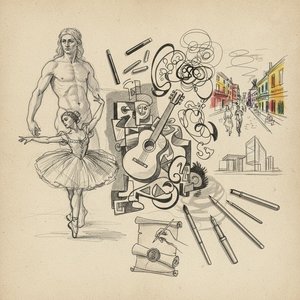
The Eloquent Line: Exploring the Artistic Significance of Sketches Across Movements and Media
Explore the profound artistic significance of sketches throughout history. From Renaissance masters to modern innovators like Van Gogh & Guston, discover how these foundational works reveal technique, emotion, and vision. Learn more at OriginalUniqueArt.

The Enduring Allure of the Nude: A Historical & Artistic Exploration of the Human Form
Explore the captivating history of nude art! Discover iconic paintings & artists from classical to modern eras. Uncover symbolism, techniques & find museum-quality reproductions at OriginalUniqueArt.

Top 10 Capodopere Neoclasice: Artă, Istorie și Decorațiuni Interioare de Lux
Descoperă top 10 capodopere neoclasice de la David, Ingres și Canova! Explorează istoria artei, tehnicile artistice și semnificația culturală a picturilor și sculpturilor clasice. Găsește reproducerea perfectă pentru decorul tău pe OriginalUniqueArt.com.
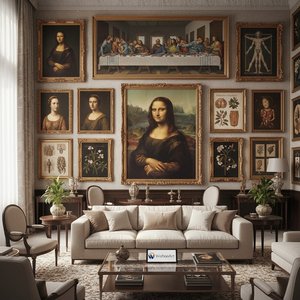
Leonardo da Vinci: Cele Mai Iubite Capodopere – Artă, Istorie și Inspirație pentru Decor
Descoperă cele mai frumoase 25 de capodopere ale lui Leonardo da Vinci! Explorează istoria, tehnicile și semnificația picturilor iconice precum Mona Lisa sau Ultima Cină. Găsește reproduceri de artă de calitate muzeală și idei inspirate pentru decor pe OriginalUniqueArt.com.

The Eloquent Form: A Historical & Aesthetic Exploration of the Nude in Art
Explore the captivating history of the nude in art! From ancient Greece to modern masters, discover its evolving symbolism, techniques & enduring beauty. Expert insights for collectors and enthusiasts.

