
 Previzualizare
 Trimite
 Distribuie
 Detalii despre lucrare

 Descarcă
 Produse similare
 Radiografie
 Diapozitive automate
Confrontation

 Vezi mai mult
Achiziționați o imagine digitală de înaltă rezoluție, îmbunătățită, mult superioară previzualizării online.
Fiecare fișier este pregătit cu meticulozitate de specialiștii noștri interni, utilizând instrumente avansate și retușare manuală expertă. Ne asigurăm că fiecare imagine beneficiază de o claritate excepțională, o acuratețe precisă a culorilor și detalii fine.
Fișierul final este livrat prin e-mail în termen de 72 de ore, optimizat pentru utilizare imediată în medii profesionale, editoriale și de imprimare. Aceasta este aceeași calitate în care au încredere studiouri de design, edituri și galerii de top.
Imagine Digitală
Descărcați un fișier la rezoluție înaltă pentru afișare personală, imprimare și proiecte creative. ( Comandă printul Comandă pictură lucrată manual)
Inclus în fiecare comandă de imagini digitale
Livrare digitală de expertiză, garantată
Când alegeți OriginalUniqueArt.com, nu primiți doar o simplă imagine – primiți o operă de artă digitală îmbunătățită profesional, creată cu precizie și susținută de o garanție de satisfacție. Iată tot ceea ce primești odată cu comanda ta, în mod automat:

Livrare rapidă prin e-mail
Fișierul imaginii digitale la rezoluție înaltă vă va fi trimis prin e-mail în termen de 72 de ore de la finalizarea comenzii – gata pentru utilizare imediată.

Fișier digital optimizat prin IA
Opera ta de artă este optimizată profesional prin intermediul unor instrumente AI avansate și al editării manuale, asigurând un nivel maxim de detalii, claritate și acuratețe a culorilor.

Retransmitere gratuită pe viață
Ai șters sau ai pierdut din greșeală fișierul? Nu îți face griji – ți-l vom retrimite oricând, gratuit.

Fără taxe de import – Întotdeauna
Bucură-te instant de noua ta operă de artă, fără taxe vamale, taxe de import sau costuri de livrare – descărcările digitale sunt întotdeauna fără taxe.

Garanția acurateții culorilor
Asigurăm o reflectare cât mai fidelă a culorilor originale în imaginea ta digitală, prin utilizarea unor instrumente profesionale și a proceselor de gestionare a culorii.

Garanție de satisfacție de 60 de zile
Dacă nu sunteți mulțumit de imaginea digitală achiziționată, o vom revizui sau vă vom returna 100% în termen de 60 de zile – fără nicio explicație necesară.

Garanție de returnare 100% a banilor
Nu ești mulțumit? Obține o rambursare completă în termen de 60 de zile de la primirea fișierului tău digital – fără întrebări.

Reduceri pentru comenzi în volum
Cumpără 3 imagini, economisește 10% - Cumpără 5, economisește 15% - Cumpără 10+, economisește 20%. Ideal pentru proiecte creative, galerii și agenții.
Subject and Composition
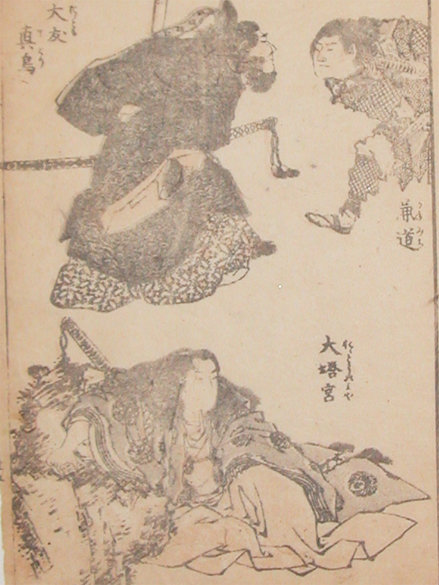
This captivating Japanese ink drawing captures a dynamic scene filled with expressive figures engaged in a moment of social or theatrical interaction. The composition guides the viewer’s eye across the scene, emphasizing the gestures and postures of the three main characters. Each figure is rendered with fluid, confident lines that convey movement and emotion, suggesting a narrative rich with cultural significance. The minimal background directs focus solely on the characters, inviting viewers to interpret the story behind their interaction.Artistic Style and Technique
Created in the traditional Japanese ink drawing style, this artwork exemplifies the mastery of Edo period aesthetics. Employing monochromatic black ink on a light background, the artist skillfully uses line work, shading, and cross-hatching to create depth and texture. Delicate strokes highlight facial features and clothing details, while bolder outlines define the figures’ contours. The technique emphasizes spontaneity and expressiveness, characteristic of ukiyo-e sketches and Japanese ink painting, capturing a moment of immediacy and vitality.Historical Context and Cultural Significance
Originating from Japan’s Edo period, this piece reflects the era’s artistic focus on storytelling, social roles, and everyday life. Artists of this period often depicted scenes of entertainment, ceremonial encounters, or theatrical performances, emphasizing human interaction and societal customs. The style’s simplicity and elegance serve to elevate the narrative, making it accessible yet profound. Such works offer a glimpse into the cultural fabric of historical Japan, blending artistic refinement with social commentary.Symbolism and Emotional Impact
The expressive gestures and stylized features evoke a sense of immediacy and emotional depth, drawing viewers into the scene. The seated figure with a stylized face may symbolize a character of importance or a symbolic role within the narrative, adding layers of meaning. The artwork’s monochrome palette enhances its contemplative quality, inviting viewers to reflect on themes of communication, social hierarchy, and human connection. Its understated elegance makes it a powerful piece that resonates emotionally, inspiring admiration and introspection.Perfect for Collection and Interior Design
This high-quality reproduction is an ideal addition for art collectors, interior designers, and enthusiasts seeking to enrich their space with authentic Japanese artistry. Its timeless style complements a variety of decor themes, from minimalist modern to traditional Asian-inspired interiors. Whether displayed in a living room, office, or gallery setting, this piece offers a sophisticated focal point that sparks conversation and appreciation for Japan’s rich artistic heritage. An exquisite choice for those who value cultural depth, artistic mastery, and emotional resonance.Biografie artist
A Life Etched in Ink: The World of Katsushika Hokusai
Katsushika Hokusai, a name that resonates deeply within the world of art and inextricably linked to the iconic image of *The Great Wave off Kanagawa*, was far more than simply a printmaker. Born in Edo (modern-day Tokyo) around 1760, his life unfolded as an extraordinary journey—a relentless pursuit of artistic mastery, characterized by constant evolution, shifting names, and an insatiable curiosity that propelled him through nearly nine decades. From humble beginnings as the son of a mirror maker, Hokusai’s initial inclination towards art wasn't immediately nurtured; however, he pursued his passion with unwavering dedication, reportedly beginning to draw at the tender age of six. This steadfast commitment would ultimately define a career of unparalleled scope and influence, leaving behind a legacy that continues to captivate and inspire audiences worldwide. His father, Nakajima Ise, while not an artist himself, recognized and perhaps subtly encouraged this nascent talent, providing the foundational support for a transformative artistic odyssey. Hokusai’s early life wasn't defined by privilege, but rather shaped by ambition and a profound desire to capture the essence of the world around him—a driving force that fueled his relentless creative exploration.From Apprenticeship to Innovation: The Blossoming of a Style
Hokusai’s formal artistic training commenced at twelve when he entered the prestigious studio of Katsukawa Shunshō, a leading master of *ukiyo-e* – “pictures of the floating world.” This vibrant genre, flourishing during the Edo period, served as a mirror reflecting the diverse facets of Japanese society—depicting scenes from everyday life: captivating actors performing in Kabuki theatre, elegant courtesans, breathtaking landscapes, and glimpses into the bustling urban culture. Under Shunshō’s tutelage, Hokusai meticulously absorbed the intricate techniques of woodblock printing – a demanding process requiring exceptional precision and artistic skill. Yet, he possessed an innate restlessness, a spirit that yearned to transcend mere replication; even in his early works, evidence of this rebellious streak emerged—a desire to push boundaries, experiment with new subjects, and forge a uniquely personal visual language. He began exploring diverse themes, venturing beyond the traditional confines of *ukiyo-e* by illustrating books and creating single-sheet prints, constantly refining his skills and developing a distinctive style that would soon set him apart. This period also marked the beginning of a series of name changes—a common practice among Japanese artists of the time, signifying periods of artistic evolution or affiliations with different schools.Mount Fuji and the Floating World: Defining Masterpieces
Hokusai’s artistic output was astonishingly prolific; tens of thousands of woodblock prints, paintings, and illustrated books bear his signature. While he embraced a wide range of subjects—from serene landscapes to dynamic scenes of daily life—it was his series *Thirty-Six Views of Mount Fuji* (circa 1831) that cemented his enduring fame. This monumental collection wasn’t simply a depiction of a majestic mountain; it was a profound exploration of perspective, composition, and the raw power of nature. The iconic *Great Wave off Kanagawa*, with its towering crests and perilous depths, embodies both the breathtaking beauty and the terrifying unpredictability of the sea—a testament to Hokusai’s masterful command of line and color. Beyond *Fuji*, works such as *Fireworks at Ryōgoku Bridge* (1790) demonstrated his remarkable ability to capture dynamic scenes with an extraordinary sense of energy and detail, showcasing a keen eye for capturing fleeting moments in time. His *Hokusai Manga* – a collection of sketches and studies encompassing people, animals, landscapes, and fantastical creatures—was groundbreaking in its scope and influence, foreshadowing the development of modern manga as an art form. These works weren’t isolated achievements; they were milestones in a continuous artistic journey, each building upon the last to create a body of work that is both deeply rooted in Japanese tradition and remarkably innovative.A Legacy Beyond Borders: Hokusai's Enduring Influence
Hokusai’s impact extended far beyond Japan’s borders. As Japan cautiously opened its doors to the West during the late 19th century, *ukiyo-e* prints flooded European markets, sparking a phenomenon known as *Japonisme*. Artists like Claude Monet, Edgar Degas, and Vincent van Gogh were profoundly influenced by Hokusai’s bold compositions, vibrant colors, and unconventional perspectives. Van Gogh, in particular, was deeply moved by *The Great Wave*, famously recreating it in his own paintings—a testament to its enduring power. Hokusai's influence wasn’t limited to Impressionism; it permeated various modern art movements, shaping the way artists approached composition, color, and subject matter. His emphasis on capturing fleeting moments, his dynamic use of line, and his ability to find beauty in everyday life resonated with a generation of artists seeking new forms of expression. Even today, Hokusai’s work continues to inspire and challenge artists around the world, solidifying his place as one of the most important figures in art history—a testament to his unwavering dedication and artistic genius. He continued painting until his death in 1849 at the age of 89, leaving behind a vast body of work that remains a powerful reminder of the transformative potential of art.- Major Influences: Ukiyo-e traditions, Chinese landscape painting, everyday life in Edo.
- Key Characteristics: Bold lines, vibrant colors, dynamic compositions, keen observation of nature.

Hokusai
1760 - 1849 , Japonia
Detalii rapide
- Artistic Movement Or Style: Ukiyo-e
- Artists Or Movements Influenced By This Artist:
- Impressionism
- Van Gogh
- Artists Who Influenced This Artist:
- Pictură chineză
- Viața de zi cu zi
- Date Of Birth: 31 Oct 1760
- Date Of Death: 10 Mai 1849
- Full Name: Katsushika Hokusai
- Nationality: Japonez
- Notable Artworks:
- Valul Mare
- Muntele Fuji
- Hokusai Manga
- Place Of Birth: Tokyo, Japonia

