
 Previzualizare
 Trimite prin felicitare
 Distribuie
 Detalii despre lucrare
 Ghid
Ghid

 Descarcă imaginea
 Produse similare
 Radiografie
 Galerie foto
 Q&A
Q&A Statistici
Pietà

- 161.0 x 144.0 cm


 Vezi mai mult
Giclée / Imprimare artistică
Printuri giclée sau pe canvas de calitate muzeală, cu proces de producție rapid și opțiuni flexibile de finisare. ( Comandă pictură realizată manual Comută pe Imagine Digitală)




P118B lei10

P118H lei10

P118W lei10

P438Z lei10

P508JH lei12

P508YH lei12

P805H lei10

P805Z lei10

P919BZ lei10

P919G lei10

P919XJ lei10

P959ZH lei10

P968JZ lei12

W106C lei8

W218G lei10

W218JH lei8

W218Y lei10

W307PJ lei10

W316G lei10

W316PJ lei8

W316Y lei10

W398PJ lei8

W4111J lei10

W500HY lei15

W500JH lei15

W692G lei12

W849H lei8

W940BG lei15

W953PJ lei8




Alegeți dintre dimensiunile noastre prestabilite, care respectă proporțiile originale ale operei de artă.

Introduceți lățimea și înălțimea necesare pentru a se potrivi ramei sau peretelui dumneavoastră. O printare poate fi doar tăiată, niciodată extinsă dincolo de dimensiunea imaginii originale, astfel încât o dimensiune cu o formă diferită va pierde o parte din imagine. Vă trimitem o simulare digitală pentru aprobare înainte de a imprima orice. Imaginea afișată pe această pagină nu prezintă tăierea reală — doar simularea arată acest lucru.
Livrare în întreaga lume () în 2 săptămâni, în loc de cele 4/5 săptămâni standard. (1 Noiembrie)

Livrare expres gratuită la nivel mondial

Pânză de in de înaltă calitate

Asigurare completă pentru transport

Garanție de rambursare a taxelor vamale

Garanția fidelității culorilor

Politica de retur în 100 de zile (doar pentru defecte de fabricație)

Garanție de rambursare 100%

Ofertă pentru comenzi multiple
 Opțiunea cu sticlă este disponibilă doar pentru dimensiuni de sub 110 cm

Pietà
Giclée / Imprimare artistică
Dimensiune reproducere
-


Preț total calculat
lei 379
The Heart of Sorrow: An Exploration of Valdés Leal’s Pietà
Juan de Valdés Leal's 1657 “Pietà” is not merely a depiction of grief; it’s an immersion into the profound sorrow and spiritual weight of Christian iconography. Born in Seville during the height of the Spanish Baroque, Leal was deeply influenced by the traditions of theatrical sculpture, particularly the evocative “pasos”—elaborate processions featuring religious figures rendered with intense emotion—a practice common in Spain. This painting transcends simple representation, aiming instead to evoke a visceral response from the viewer, mirroring the agony of Mary Magdalene cradling the lifeless body of Christ.
The subject itself – the Pietà – has resonated through Western art for centuries. It’s a timeless image: the Virgin Mary, serene yet heartbroken, holding her son after his crucifixion. Leal masterfully captures this essence, moving beyond the idealized beauty often associated with depictions of the Madonna. Instead, we see a woman marked by sorrow, her expression a complex blend of grief and acceptance. The composition is deliberately tight, drawing our focus entirely to the central figures – a deliberate choice that intensifies the emotional impact. The diagonal line created by Christ’s body, sloping from left to right, guides the eye through the scene, mirroring the descent into despair.
Baroque Drama: Technique and Composition
Leal's mastery lies in his skillful deployment of Baroque techniques. The painting is dominated by *chiaroscuro*, a dramatic contrast between light and dark that sculpts the figures and imbues the scene with an almost theatrical quality. Light focuses intensely on Mary Magdalene and Christ’s body, casting deep shadows around them – these aren't merely stylistic choices; they symbolize the darkness of sin and suffering. The artist employs impasto—thickly applied paint—to create a richly textured surface, adding depth and physicality to the figures. Brushstrokes are bold and expressive, conveying movement and emotion with every mark.
The flattened perspective, characteristic of Baroque art, prioritizes emotional impact over strict realism. Leal doesn’t strive for photographic accuracy; instead, he uses color and form to create a heightened sense of drama and immediacy. The muted palette—primarily dark browns, reds, and blues—contributes to the somber atmosphere, reinforcing the theme of loss and mourning. The use of strong lines further emphasizes the dynamism of the scene, preventing it from feeling static or lifeless.
Symbolism and Spiritual Resonance
Beyond its visual power, the “Pietà” is rich in symbolism. The image directly references Christian iconography, but Leal imbues it with a distinctly Spanish sensibility. The gruesome details of Christ’s suffering—a hallmark of Spanish religious art—are not presented gratuitously; they serve to heighten the spiritual fervor and underscore the sacrifice made for humanity's salvation. Mary Magdalene’s posture – cradling the body with unwavering devotion – represents faith, loyalty, and acceptance of God’s will.
The scene as a whole speaks to universal themes of grief, loss, and redemption. It invites contemplation on mortality, suffering, and the enduring power of love and compassion. Leal's “Pietà” is more than just a religious painting; it’s a profound meditation on the human condition, rendered with breathtaking skill and emotional intensity.
Întrebări și răspunsuri
Cum este descrisă atmosfera din "Pietà" de Juan de Valdés Leal?
Ambianta generală a operei "Pietà" de Juan de Valdés Leal este Dramatic. Această stare descrie atmosfera generală a lucrării.
Cât de accentuat este contrastul în "Pietà" de Juan de Valdés Leal?
"Pietà" de Juan de Valdés Leal prezintă un contrast Gentle între zonele luminoase și cele întunecate.
Ce paletă și ce culoare dominantă definesc "Pietà"?
"Pietà" de Juan de Valdés Leal utilizează o paletă de culori Earthy, având culoarea Gray (#938366) ca nuanță dominantă.
Biografie artist
primii ani și formarea artistică
juan de valdés leal, un pictor și gravor spaniol de renume, s-a născut pe 4 mai 1622, în Sevilla, Spania. Această figură emblematică a reușit să devină pictor, sculptor și arhitect, demonstrând o versatilitate remarcabilă în universul artistic. Încă din primii săi ani de maturitate, în jurul vârstei de douăzeci de ani, el a studiat sub îndrumarea lui antonio del castillo în Córdoba, perfecționându-și tehnica într-o epocă barocă plină de intensitate.opere memorabile și colaborări
lucrările remarcabile ale lui valdés leal includ:- istoria profetului elia pentru biserica carmelitilor
- martiriul sfântului andrew pentru biserica san francesco din córdoba
- triumful crucii pentru la caridad în sevillă aceste opere demonstrează capacitatea sa de a surprinde subiecte sumbre și dramatice, explorând adesea teme precum vanitas, trecerea neîncetată a timpului și mortalitatea. colaborarea sa cu bartolomé esteban murillo, un confrate artist cu un stil liniștit și senin, a condus la înființarea academiei de artă din sevillă în anul 1656.
viața personală și moștenirea artistică
valdés leal s-a căsătorit cu isabella carasquilla, de asemenea pictoriță, în anul 1647. împreună, aceștia au avut cinci copii, dintre care câțiva au devenit și ei artiști, printre ei lucas, maria și laura. valdés leal a trecut în neființă pe 15 octombrie 1690, în sevillă, lăsând în urmă o moștenire profundă în lumea artei.descoperirea operelor sale la OriginalUniqueArt.com
pentru a explora mai multe dintre lucrările lui valdés leal, vizitați https://OriginalUniqueArt.com/@/juan de valdés leal, unde puteți găsi:- 165 de opere de artă create de juan de valdés leal
- reproducții de calitate muzeală ale picturilor sale
- stilul artei baroce, caracteristic epocii wikipedia: juan de valdés leal
descoperă mai multe la OriginalUniqueArt.com
- museo de bellas artes de asturias (spania): explorează colecția muzeului, care prezintă artă europeană din secolul al XII-lea până la începutul secolului XX.
- muzeul artelor frumoase din sevillă, spania: află detalii despre istoria muzeului, colecția sa și informații pentru vizitatori. experimentează lumea artei alături de OriginalUniqueArt.com

Juan de Valdés Leal
1622 - 1690 , Spania
Detalii rapide
- Artistic Movement Or Style: Baroque painting
- Artists Who Influenced This Artist:
- Antonio del Castillo
- Francisco Herrera the Elder
- Date Of Birth: May 4, 1622
- Date Of Death: October 15, 1690
- Full Name: Juan de Nisa Valdés Leal
- Nationality: Spanish
- Notable Artworks:
- History of the Prophet Elias
- Martyrdom of St. Andrew
- Triumph of the Cross
- Place Of Birth: Seville, Spain
Articole similare

Drama Barocă: Cum să Aduceți Splendoare și Emoție în Interioarele Contemporane
Descoperiți cum să integrați splendoarea stilului baroc în locuința dumneavoastră! Ghid complet cu elemente de design, culori și inspirație pentru interioare luxoase și pline de emoție.

Cu privire la noi
Descoperă povestea noastră! Aduceți arta de talie mondială în viața dumneavoastră prin selecție expertă, creații personalizate și previzualizări gratuite. Aprobate de persoane fizice și companii din 2000.
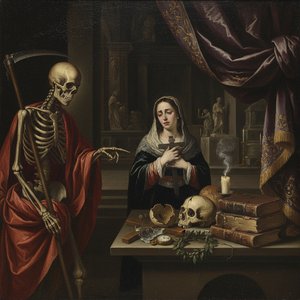
Juan de Valdés Leal: Baroque Realism, Memento Mori & Theatricality of Spanish Grief
Explore the powerful Baroque realism of Juan de Valdés Leal (1622-1690). Discover his somber masterpieces, iconic 'In Ictu Oculi', and profound explorations of mortality. Museum-quality reproductions available at OriginalUniqueArt.

Goya: Cele Mai Iconice Capodopere – Artă Spaniolă pentru Decor Rafinat | OriginalUniqueArt.ro
Descoperă cele mai frumoase 25 de picturi ale lui Francisco Goya! Explorează capodoperele romantice, portretele impresionante și gravurile puternice. Reproduceri artă spaniolă de calitate muzeală pentru un decor rafinat. Explorează colecția completă online pe OriginalUniqueArt.com

The Dramatic Flourish: Exploring the Baroque Movement's Enduring Legacy in Art History
Explore the dramatic world of Baroque art! Discover iconic artists like Caravaggio & Rubens, defining techniques, and its lasting impact on art history. Expert insights for collectors & enthusiasts at OriginalUniqueArt.
