

 Previzualizare
 Trimite
 Distribuie
 Detalii despre lucrare

 Descarcă
 Produse similare
 Radiografie
 Diapozitive automate
St Damian
 Acrylic On Canvas
- WallArt
- Baroque
 1665
1665 110.0 x 83.0 cm
 Muzeul Hermitaj
 Vezi mai mult
Reproducere pictată manual în ulei
Pictură în ulei pe pânză, realizată manual de artiștii noștri la dimensiunea și ramele dorite de dumneavoastră, pe comandă. ( Comandă printul Cumpără imaginea)




P118B $10

P118H $10

P118W $10

P438Z $10

P508JH $12

P508YH $12

P805H $10

P805Z $10

P919BZ $10

P919G $10

P919XJ $10

P959ZH $10

P968JZ $12

W106C $8

W218G $10

W218JH $8

W218Y $10

W307PJ $10

W316G $10

W316PJ $8

W316Y $10

W398PJ $8

W4111J $10

W500HY $15

W500JH $15

W692G $12

W849H $8

W940BG $15

W953PJ $8




Alegeți dintre dimensiunile noastre prestabilite, care respectă proporțiile originale ale operei de artă.

Puteți introduce propriile dimensiuni pentru a se potrivi unui anumit cadru sau spațiu. Dacă dimensiunea selectată nu corespunde proporțiilor imaginii originale, vom decupa opera de artă sau vom extinde pictura cu elemente suplimentare pictate manual. O simulare digitală vă va fi trimisă pentru aprobare înainte de începerea producției.
Vă rugăm să rețineți că previzualizarea de pe ecran nu reflectă decuparea sau extinderea reală. Doar macheta va arăta cu exactitate compoziția finală.
Deși sunt disponibile dimensiuni personalizate, vă recomandăm să selectați o dimensiune din lista predefinită pentru a păstra proporțiile originale.
După plasarea comenzii, echipa OriginalUniqueArt.com va contacta clientul prin e-mail pentru instrucțiuni și îi va furniza o previzualizare a machetei
Livrare în întreaga lume () în 3-4 săptămâni, în loc de cele 5 săptămâni standard. (17 August). Fără compromisuri în ceea ce privește calitatea.

Livrare expres gratuită la nivel mondial

Pânză de in de înaltă calitate

Asigurare completă pentru transport

Garanție de rambursare a taxelor vamale

Garanția fidelității culorilor

Politica de retur în 60 de zile (doar pentru defecte)

Garanție de rambursare 100%

Ofertă pentru comenzi multiple
 Opțiunea cu sticlă este disponibilă doar pentru dimensiuni de sub 110 cm

St Damian
Tehnică de reproducere
Dimensiune reproducere
-


Preț total calculat
$ 300
Descriere operă de artă
A Portrait of Faith Illuminated: Juan Carreño de Miranda’s St Damian
Juan Carreño de Miranda's “St Damian” stands as a testament to the grandeur and spiritual depth of Baroque art, capturing a moment of serene contemplation within a richly ornamented setting. Painted in 1670, this oil on canvas masterpiece exemplifies the artistic sensibilities prevalent during Spain’s Golden Age—a period characterized by royal patronage and an unwavering devotion to religious iconography. The painting depicts St Damian, a Syrian monk venerated for his compassion and healing abilities, presented against a backdrop of ethereal angels and symbolic elements that elevate the artwork beyond mere representation.- Subject Matter: The central figure is St Damian himself, portrayed with dignified repose, gazing upwards towards the celestial realm. His gaze embodies humility and piety—a hallmark of Baroque portraiture aimed at conveying moral virtue.
- Style & Technique: Carreño de Miranda’s masterful brushwork demonstrates a profound understanding of chiaroscuro – dramatic contrasts between light and dark – skillfully employed to sculpt form and imbue the scene with palpable emotion. The artist utilizes impasto, applying thick layers of paint onto the canvas surface, creating textured surfaces that enhance visual depth and luminosity.
- Symbolism: The inclusion of an apple at the center of the image is particularly noteworthy. Traditionally associated with Edenic innocence and divine grace, it serves as a potent reminder of humanity’s relationship with God and reinforces the painting's overarching theme of spiritual contemplation.
Biografie artist
A Legacy of Royal Likenesses: The Life and Art of Juan Carreño de Miranda
Born in the coastal city of Avilés, Spain, in 1614, Juan Carreño de Miranda emerged as one of the most significant Spanish portraitists of the Baroque era. His journey began within a family already touched by artistry—his father, also named Juan Carreño, was a painter himself. This early exposure undoubtedly laid the foundation for young Juan’s artistic inclinations. A pivotal moment arrived in 1623 when the family relocated to Madrid, a move that would irrevocably shape his career and propel him into the heart of Spanish courtly life. There, he embarked on formal training during the late 1620s, apprenticing under the esteemed Pedro de las Cuevas and Bartolomé Román. These masters instilled in him not only technical proficiency but also a keen understanding of aesthetic principles that would define his future work. His early promise quickly garnered attention, bringing him to the notice of none other than Diego Velázquez, a figure who would profoundly influence Carreño’s artistic development. Initial commissions, such as those adorning the cloister of Doña María de Aragón and the Iglesia de la Virgen del Rosario in Marlofa (La Joyosa), showcased a burgeoning talent and hinted at the mastery to come.Ascension to Court Painter: A Royal Appointment
Carreño’s ascent was marked by both artistic merit and fortunate circumstance. In 1658, he secured a crucial role as an assistant on a royal commission—the creation of frescoes for the Alcázar of Madrid. Though tragically lost in the devastating fire of 1734, this project provided invaluable experience working within the grand scale and demanding expectations of royal patronage. However, it was the death of Sebastián de Herrera in 1671 that truly cemented Carreño’s position. He was appointed *pintor de cámara*, or court painter to the Queen, a role that would define his career for decades. This appointment wasn't merely a title; it was an immersion into the very fabric of Spanish power and prestige. He became intimately acquainted with the personalities, intrigues, and subtle nuances of the royal family and their courtiers—knowledge he masterfully translated onto canvas. He refused knighthood in the Order of Santiago, famously stating that painting itself bestowed honor upon the world, a testament to his unwavering dedication to his craft. His position allowed him unparalleled access to the royal court, enabling him to capture not just the outward appearance but also the inner character and social standing of his subjects.The Art of Character: Style and Influences
Carreño de Miranda’s style is deeply rooted in the Spanish Baroque tradition, yet it possesses a unique character all its own. He wasn't simply mimicking Velázquez; he was building upon that foundation, infusing his work with a distinct sensibility. His portraits are characterized by an unwavering commitment to realism—a meticulous depiction of physical features and opulent clothing. But beyond mere likeness, Carreño possessed the remarkable ability to capture the *inner* character of his subjects, their status, and even their psychological state. This wasn’t achieved through dramatic gestures or exaggerated expressions but rather through subtle details: a carefully rendered hand, a knowing glance, the precise fall of light across a face. The influence of Velázquez is undeniable—particularly in Carreño’s masterful use of *chiaroscuro*, the interplay of light and shadow that lends depth and drama to his compositions. However, he also drew inspiration from Flemish masters like Anthony van Dyck, incorporating elements of aristocratic elegance and refined detail into his portraits. His work embodies a Baroque drama through dramatic lighting and composition, enhancing visual impact while maintaining an air of dignified restraint. He skillfully blended the directness of Velázquez with the more elaborate style favored by Van Dyck, creating a distinctive portraiture that was both regal and intimate.Masterworks and Enduring Significance
While Carreño produced religious altarpieces early in his career, it is for his portraits that he is most celebrated today. Among his most renowned works are *Charles II as Grandmaster of the Golden Fleece*, a striking depiction of the young king embodying regal authority; *Portrait of Queen Mariana of Austria*, capturing her austere grace and political power; and *Portrait of the Duke of Pastrana*, showcasing the nobleman’s wealth and status. These paintings, along with countless others depicting members of the Spanish royal family and court, offer an invaluable glimpse into a pivotal period in Spanish history. They are not merely portraits but historical documents—testaments to the lives, personalities, and power dynamics of those who shaped Spain's destiny. Carreño’s legacy extends beyond his own artistic achievements; he was also a dedicated teacher, nurturing a generation of talented pupils including Mateo Cerezo, Cabezalero, Donoso, Ledesma, and Sotomayor, ensuring the continuation of his style and influence long after his death in 1685. His ability to document the royal family with such unprecedented realism cemented his place as a key figure in Spanish Baroque art—a master of likeness who captured not just *what* they looked like, but *who* they were.Useful Links
- Înainte de fereastră deschisă aka Locul Ravignan: https://ro.wikipedia.org/wiki/Juan_Carre%C3%B1o_de_Miranda
- Juan Carreño de Miranda - Wikipedia: https://en.wikipedia.org/wiki/Juan_Carre%C3%B1o_de_Miranda
- Juan Carreño de Miranda - Colección BBVA: https://www.coleccionbbva.com/en/autor/carreno-de-miranda-juan-2/
- Juan Carreño de Miranda - Art UK: https://artuk.org/discover/artists/carreo-de-miranda-juan-16141685-6440

Juan Carreño De Miranda
1614 - 1685 , Spania
Detalii rapide
- Artistic Movement Or Style: Barroc spaniol
- Artists Or Movements Influenced By This Artist:
- Mateo Cerezo
- Cabezalero
- Artists Who Influenced This Artist: ['Diego Velázquez']
- Date Of Birth: 1614
- Date Of Death: 1685
- Full Name: Juan Carreño de Miranda
- Nationality: Spaniol
- Notable Artworks:
- Charles II
- Mariana de Austria
- Duque de Pastrana
- Place Of Birth: Avilés, Spania
Articole similare

The Golden Age Reforged: Dramatic Realism & Religious Zeal in Spanish Baroque Art
Explore the dramatic world of Spanish Baroque art! Discover masters like Zurbarán & the powerful influence of religious zeal on painting techniques – a guide for collectors and enthusiasts.
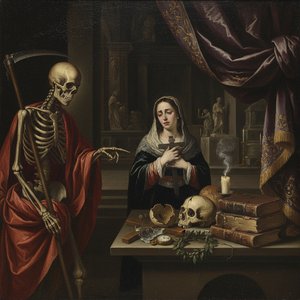
Juan de Valdés Leal: Baroque Realism, Memento Mori & Theatricality of Spanish Grief
Explore the powerful Baroque realism of Juan de Valdés Leal (1622-1690). Discover his somber masterpieces, iconic 'In Ictu Oculi', and profound explorations of mortality. Museum-quality reproductions available at OriginalUniqueArt.

The Dramatic Flourish: Exploring the Baroque Movement's Enduring Legacy in Art History
Explore the dramatic world of Baroque art! Discover iconic artists like Caravaggio & Rubens, defining techniques, and its lasting impact on art history. Expert insights for collectors & enthusiasts at OriginalUniqueArt.
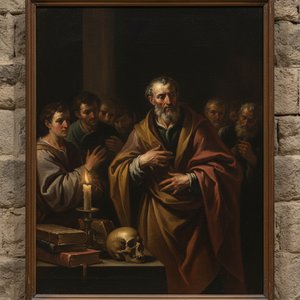
Spanish Baroque Art: The Dramatic Mastery of Light and Shadow in the Age of Velázquez
Explore the profound drama of Spanish Baroque art. Delve into the mastery of light, shadow, and realism through the legendary works of Diego Velázquez and the Spanish Golden Age.

Barocul în Splendoare: Cele Mai Reprezentative 10 Capodopere Artistice | OriginalUniqueArt.ro
Descoperă splendoarea Barocului! Explorează cele mai importante 10 capodopere ale lui Caravaggio, Rembrandt și Rubens. Află poveștile din spatele picturilor iconice și adu eleganța clasică în casa ta cu reproduceri de artă premium pe OriginalUniqueArt.ro

