

 Vezi în context
 Trimite
 Distribuie
 Detalii

 Descarcă
 Produse similare
 Radiografie
 Diaporama
 Statistici
Scene in a Park
 Oil On Canvas
- WallArt
- Romanticism
 1853
1853- 19th Century
 56.0 x 79.0 cm
 Muzeul Hermitaj
 Citește mai mult
Achiziționați o imagine digitală de înaltă rezoluție, îmbunătățită, mult superioară previzualizării online.
Fiecare fișier este pregătit cu meticulozitate de specialiștii noștri interni, utilizând instrumente avansate și retușare manuală expertă. Ne asigurăm că fiecare imagine beneficiază de o claritate excepțională, o acuratețe precisă a culorilor și detalii fine.
Fișierul final este livrat prin e-mail în termen de 72 de ore, optimizat pentru utilizare imediată în medii profesionale, editoriale și de imprimare. Aceasta este aceeași calitate în care au încredere studiouri de design, edituri și galerii de top.
Imagine Digitală
Descărcați un fișier la rezoluție înaltă pentru afișare personală, imprimare și proiecte creative. ( Comută pe versiunea Print Comandă pictură realizată manual)
Inclus în fiecare comandă de imagini digitale
Livrare digitală de expertiză, garantată
Când alegeți OriginalUniqueArt.com, nu primiți doar o simplă imagine – primiți o operă de artă digitală îmbunătățită profesional, creată cu precizie și susținută de o garanție de satisfacție. Iată tot ceea ce primești odată cu comanda ta, în mod automat:

Livrare rapidă prin e-mail
Fișierul imaginii digitale la rezoluție înaltă vă va fi trimis prin e-mail în termen de 72 de ore de la finalizarea comenzii – gata pentru utilizare imediată.

Fișier digital optimizat prin IA
Opera ta de artă este optimizată profesional prin intermediul unor instrumente AI avansate și al editării manuale, asigurând un nivel maxim de detalii, claritate și acuratețe a culorilor.

Retransmitere gratuită pe viață
Ai șters sau ai pierdut din greșeală fișierul? Nu îți face griji – ți-l vom retrimite oricând, gratuit.

Fără taxe de import – Întotdeauna
Bucură-te instant de noua ta operă de artă, fără taxe vamale, taxe de import sau costuri de livrare – descărcările digitale sunt întotdeauna fără taxe.

Garanția fidelității culorilor
Asigurăm o reflectare cât mai fidelă a culorilor originale în imaginea ta digitală, prin utilizarea unor instrumente profesionale și a proceselor de gestionare a culorii.

Garanție de satisfacție de 100 de zile
Dacă nu sunteți mulțumit de imaginea digitală achiziționată, o vom revizui sau vă vom returna 100% în termen de 100 de zile – fără nicio întrebare.

Garanție de returnare 100% a banilor
Nu ești mulțumit? Primești rambursarea integrală în termen de 100 de zile de la primirea fișierului digital – fără nicio întrebare.

Reduceri pentru comenzi în volum
Cumpără 3 imagini, economisește 10% - Cumpără 5, economisește 15% - Cumpără 10+, economisește 20%. Ideal pentru proiecte creative, galerii și agenții.
A Tranquil Afternoon in an Idealized Landscape
This captivating scene transports the viewer directly into a moment of idyllic leisure—a bustling yet serene afternoon spent within a lush park setting. The composition is rich with life, drawing the eye across the gathering figures who seem suspended in time, engaged in quiet conversation beside the gently flowing water. It speaks to a universal yearning for respite from the clamor of modern existence. The arrangement of people, seated on benches and standing near the water's edge, suggests a community enjoying the simple pleasures of nature together. Adding depth and narrative intrigue is the presence of a horse, grounding the human activity within a broader, pastoral context.
The Brushwork of Transition: Romanticism Meets Realism
Painted in 1853 by Joseph Hubert Lies, this work stands as a beautiful testament to an artist navigating the currents between two monumental artistic movements. While the emotional resonance and dramatic grouping recall the fervor of Romanticism—a style that prized feeling over mere fact—the meticulous detail in the foliage, the rendering of the figures' clothing, and the believable depiction of the natural elements suggest a growing commitment to Realist observation. Lies masterfully bridges this gap; his technique allows the viewer to feel the warmth of the sun filtering through the abundant trees while simultaneously appreciating the academic structure underpinning the composition. The handling of light across the water and the varied textures of the park ground the emotional narrative in tangible reality.
Symbolism of Leisure and Community
The body of water itself often serves as a powerful symbol in art, representing reflection, emotion, and the passage of time. Here, it acts as a central gathering point, drawing the human drama toward its reflective surface. The abundance of life—the numerous figures, the stately trees, the floating boat—collectively symbolizes harmony and the idealization of social connection. It is an escape into a perfected moment; a visual poem about camaraderie found amidst nature's embrace. For collectors, this piece offers not just decoration, but a narrative anchor for any room, suggesting moments of pause and shared joy.
Bringing the Park Home: Decorating with Evocative Art
Reproducing such an evocative scene allows one to infuse a space with historical depth and timeless tranquility. Whether placed in a formal drawing-room or a sunlit conservatory, this artwork acts as a sophisticated focal point. The blend of natural elements—the greens of the park, the blues of the water—provides a calming counterpoint to richly decorated interiors. Owning a high-quality reproduction means acquiring more than just paint on canvas; it is acquiring an atmosphere—a curated memory of perfect repose that invites conversation and contemplation every time one gazes upon its masterful depiction.
Biografie artist
The Soul of Antwerp: The Artistic Journey of Jozef Hubert Lies
In the heart of nineteenth-century Belgium, a period defined by the tension between romantic idealism and the burgeoning clarity of realism, the works of Jozef Hubert Lies (1821–1865) emerged as a profound testament to the changing landscape of European art. Born in Antwerp, a city steeped in the legacy of Flemish masters, Lies possessed an innate ability to capture the atmospheric nuances of his homeland. His life, though tragically short, was marked by a relentless pursuit of artistic truth, moving away from the theatricality of early Romanticism toward a more grounded, observant style that mirrored the shifting sensibilities of his era.
The foundations of Lies’s technique were laid under the watchful eye of Nicaise de Keyser, a titan of the Antwerp Academy. From De Keyser, Lies inherited a mastery of dramatic composition and an understanding of how light and shadow could be used to evoke deep emotional responses within a narrative. This early training instilled in him a sense of grandeur, visible in his ability to orchestrating complex scenes that felt both monumental and intimate. Yet, the young painter was never content with mere sentimentality; he possessed a restless intellect that sought more than the sweeping, often clichéd gestures of the Romantic-historical school.
A Transition Toward Realism and Flemish Heritage
As his career progressed through the 1850s, Lies began to pivot toward a style that embraced the meticulous detail and historical reverence found in the works of Henri Leys. This transition was pivotal, as it allowed him to bridge the gap between the emotional fervor of his youth and a new, more disciplined observation of reality. By integrating the archaizing elements of the Flemish tradition with a modern, realist eye, Lies created a unique visual language. He did not simply paint landscapes; he painted the very breath of the Belgian countryside, imbuing every leaf and shadow with a sense of historical weight and permanence.
His development is perhaps most beautifully illustrated in his genre scenes and park landscapes, such as his celebrated Scene in a Park. In these works, one can observe a masterful use of atmospheric perspective, where the distant trees and soft light create a sense of depth that invites the viewer to step directly into the canvas. His ability to capture leisure and nature with such precision allowed him to move beyond the purely decorative, turning everyday moments into timeless studies of light and life.
Legacy and Historical Significance
The zenith of Lies’s professional recognition arrived with significant commissions that placed him at the center of Antwerp's cultural identity. His monumental depiction of Baldwin VII, Count of Flanders, commissioned by the Antwerp City Council, stands as a testament to his ability to handle large-scale historical subjects with both compositional grandeur and technical precision. This work solidified his reputation not just as a painter of landscapes, but as a chronicler of Belgian heritage.
Though he passed away in 1865 at the age of forty-four, the impact of his short career remains etched in the annals of Belgian art history. Lies represents a vital link in the evolution of nineteenth-century painting, embodying the transition from the dreamlike narratives of Romanticism to the stark, honest beauty of Realism. His oeuvre continues to resonate with those who seek to understand the delicate balance between the imagined and the observed, leaving behind a legacy of landscapes that remain as evocative and luminous today as they were during his lifetime.
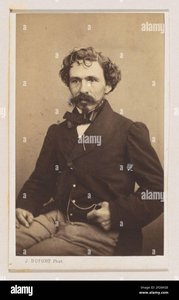
jozef hubert lies
1821 - 1865 , Belgium
Informații esențiale
- Artistic Movement Or Style: Romanticism
- Artists Or Movements Influenced By This Artist: ['Friedrich']
- Artists Who Influenced This Artist:
- Nicaise de Keyser
- Henri Leys
- Date Of Birth: June 14, 1821
- Date Of Death: January 5, 1865
- Full Name: Joseph Hubert Lies
- Nationality: Belgian
- Notable Artworks: ['Baldwin VII, Count of Flanders']
- Place Of Birth: Antwerp, Belgium