
 Previzualizare
 Trimite
 Distribuie
 Detalii despre lucrare

 Descarcă
 Produse similare
 Radiografie
 Diapozitive automate
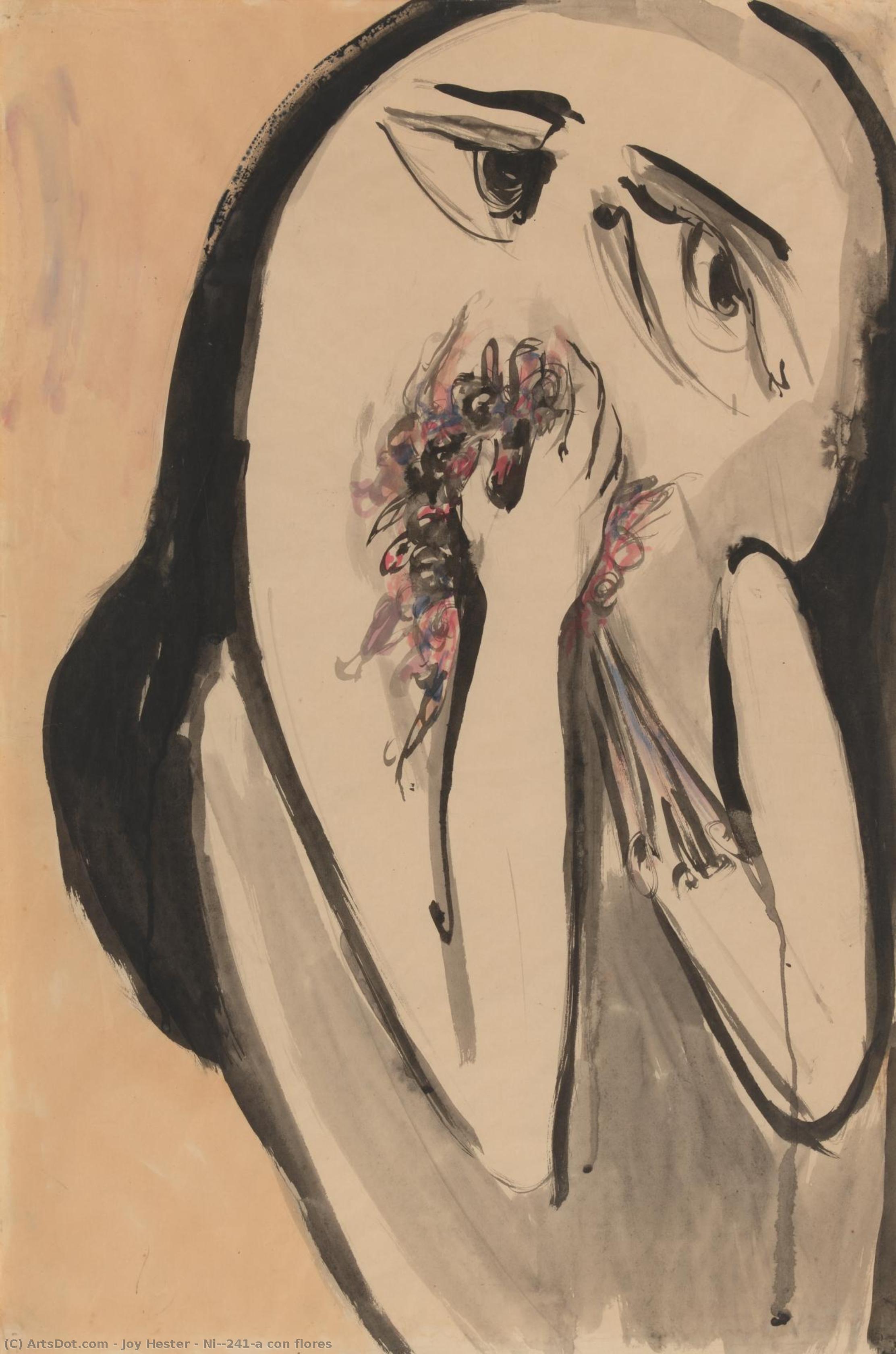
Niña con flores
 Watercolor
- WallArt
- Expressionism
 1956
1956- Modern
 76.0 x 50.0 cm
 Galeria Națională din Melbourne
 Vezi mai mult
Reproducere pictată manual în ulei
Pictură în ulei pe pânză, realizată manual de artiștii noștri la dimensiunea și ramele dorite de dumneavoastră, pe comandă. ( Comandă printul Cumpără imaginea)




P118B $10

P118H $10

P118W $10

P438Z $10

P508JH $12

P508YH $12

P805H $10

P805Z $10

P919BZ $10

P919G $10

P919XJ $10

P959ZH $10

P968JZ $12

W106C $8

W218G $10

W218JH $8

W218Y $10

W307PJ $10

W316G $10

W316PJ $8

W316Y $10

W398PJ $8

W4111J $10

W500HY $15

W500JH $15

W692G $12

W849H $8

W940BG $15

W953PJ $8




Alegeți dintre dimensiunile noastre prestabilite, care respectă proporțiile originale ale operei de artă.

Puteți introduce propriile dimensiuni pentru a se potrivi unui anumit cadru sau spațiu. Dacă dimensiunea selectată nu corespunde proporțiilor imaginii originale, vom decupa opera de artă sau vom extinde pictura cu elemente suplimentare pictate manual. O simulare digitală vă va fi trimisă pentru aprobare înainte de începerea producției.
Vă rugăm să rețineți că previzualizarea de pe ecran nu reflectă decuparea sau extinderea reală. Doar macheta va arăta cu exactitate compoziția finală.
Deși sunt disponibile dimensiuni personalizate, vă recomandăm să selectați o dimensiune din lista predefinită pentru a păstra proporțiile originale.
După plasarea comenzii, echipa OriginalUniqueArt.com va contacta clientul prin e-mail pentru instrucțiuni și îi va furniza o previzualizare a machetei
Livrare în întreaga lume () în 3-4 săptămâni, în loc de cele 5 săptămâni standard. (14 August). Fără compromisuri în ceea ce privește calitatea.

Livrare expres gratuită la nivel mondial

Pânză de in de înaltă calitate

Asigurare completă pentru transport

Garanție de rambursare a taxelor vamale

Garanția fidelității culorilor

Politica de retur în 60 de zile (doar pentru defecte)

Garanție de rambursare 100%

Ofertă pentru comenzi multiple
 Opțiunea cu sticlă este disponibilă doar pentru dimensiuni de sub 110 cm

Niña con flores
Tehnică de reproducere
Dimensiune reproducere
-


Preț total calculat
$ 300
Descriere operă de artă
A Portrait of Sorrow and Resilience: Exploring Joy St Clair Hester’s “Niña con Flores”
Joy St Clair Hester's "Niña con Flores" (Girl with Flowers), created in 1956, is not merely a portrait; it’s a deeply resonant exploration of grief, memory, and the enduring strength of the human spirit. This arresting work, rendered primarily in evocative ink washes and punctuated by flashes of vibrant red and pink, immediately draws the viewer into a world steeped in melancholic beauty. Hester, a pivotal figure within Australia's burgeoning Modernist movement, masterfully employs a restrained yet intensely expressive style, characteristic of her engagement with the Heide Circle and the Angry Penguins.
The subject herself remains partially obscured, veiled by a dark, amorphous shape that suggests concealment or perhaps the lingering shadow of loss. Her face, though fragmented, is dominated by an arresting gaze – large, sorrowful eyes that seem to hold both vulnerability and a quiet defiance. This deliberate ambiguity invites speculation about her story, prompting us to project our own experiences of sadness and remembrance onto the canvas. The use of predominantly dark shades—charcoal greys, deep blacks—creates a sense of profound stillness, while strategically placed bursts of color – particularly the passionate reds and pinks of the blossoms erupting from her mouth – inject moments of startling intensity and symbolic weight.
Technique and Materials: A Dance of Ink and Wash
Hester’s technique is both delicate and assertive. The work is executed primarily in watercolor and ink wash on paper, a combination that lends itself beautifully to the creation of layered textures and subtle tonal shifts. Loose brushstrokes contribute to an atmosphere of immediacy and emotional rawness, while careful shading establishes depth and form. Notice how she utilizes broken washes—allowing the colors to bleed into one another—to create a sense of fluidity and movement within the composition. The deliberate lack of precise detail emphasizes the emotional impact over realistic representation; lines are used expressively to define features rather than as literal depictions.
The choice of ink, particularly black ink, is crucial to Hester’s signature style. It allows for a remarkable control—the ability to build up layers of dark tones with incredible precision, creating both dramatic contrasts and subtle gradations of value. The blossoms themselves are rendered with a surprising degree of detail, their vibrant hues acting as potent symbols within the broader context of the piece. The overall effect is one of controlled chaos – a visual representation of the turbulent emotions that lie beneath the surface.
Symbolism: Flowers, Grief, and Remembrance
The most striking element of “Niña con Flores” is undoubtedly the profusion of flowers emerging from the woman’s mouth. This imagery transcends mere botanical detail; it's a potent symbol of grief, loss, and perhaps even remembrance. The blossoms can be interpreted as representing the bittersweet nature of memory—beautiful yet tinged with sadness. They also suggest a connection to nature, offering a glimmer of hope amidst the prevailing darkness. The veil-like shape obscuring her face further reinforces this theme of concealment and unspoken sorrow.
Considering Hester’s own life – marked by the early loss of her father and later battling Hodgkin's disease – it is not surprising that her work frequently grapples with themes of mortality and resilience. “Niña con Flores” can be seen as a deeply personal meditation on these experiences, transformed into a universal expression of human vulnerability and enduring strength. The image resonates with the broader artistic tradition of exploring psychological states through symbolic imagery.
Historical Context: A Voice in the Australian Modernist Movement
Joy St Clair Hester’s work emerged during a pivotal period in Australian art history – the mid-20th century, when artists were actively seeking to forge a distinctly national identity. She was a key member of both the Heide Circle and the Angry Penguins, groups that challenged established artistic conventions and pushed the boundaries of modernism. Her association with these influential circles provided her with access to a vibrant intellectual and artistic community, but also exposed her work to critical scrutiny. Despite facing challenges in gaining widespread recognition during her lifetime, Hester’s legacy has steadily grown over time, cementing her place as one of Australia's most important Modernist artists.
Resources for further exploration include the National Gallery of Victoria’s collection (where “Niña con Flores” is held), online archives dedicated to Joy St Clair Hester, and scholarly articles examining her work within the context of Australian art history. WikiArt offers a valuable visual resource: https://www.wikiart.org/en/joy-hester/nina-con-flores-1956
Biografie artist
Joy St Clair Hester (1920-1960): Australian Modernist renowned for emotionally charged ink drawings exploring love, loss, & the human psyche. A key figure of the Angry Penguins/Heide Circle.
Joy St Clair Hester, a pivotal figure in Australian Modernism, lived a life marked by both artistic fervor and personal hardship. Born in Elwood, Australia, in 1920, her early years were shadowed by the loss of her father, an event that would subtly yet profoundly influence the emotional depth of her later work. From her formative studies at St Michael’s Grammar School and Brighton Technical School, Hester demonstrated a clear artistic inclination, culminating in recognition at the National Gallery School in Melbourne where she won the Drawing Head from Life prize in 1938. This early success signaled not just technical skill but an emerging ability to capture the essence of human form—a talent that would become her signature. It was also during this period that Hester began to break free from traditional artistic constraints, seeking a more expressive and personal visual language.Early Life and Artistic Training
Joy’s childhood in Elwood instilled within her a sensitivity to observation and emotion—qualities that would permeate her entire artistic career. Her father’s untimely death at the age of twelve profoundly impacted her worldview, fostering an introspective gaze that informed her exploration of psychological themes. Recognizing her innate aptitude for art, Hester pursued formal training diligently, attending St Michael’s Grammar School and Brighton Technical School before enrolling in Commercial Art at Brighton Technical School. This foundational education provided her with technical skills alongside a burgeoning understanding of artistic principles—skills she would hone further during her studies at the National Gallery School in Melbourne from 1937 to 1938. The Drawing Head from Life prize awarded to Hester underscored not only her mastery of drawing techniques but also her remarkable ability to convey profound emotion through visual representation. Her instructors encouraged experimentation and challenged conventional approaches, nurturing a spirit of innovation that would characterize her artistic journey.The Heide Circle and Angry Penguins: Embracing Radical Experimentation
Joy’s artistic trajectory took its most decisive turn in 1938 with her encounter with Albert Tucker—a relationship that blossomed into both romantic companionship and collaborative partnership. This connection propelled her into the orbit of Sunday Reed, a champion of Australian art who recognized Hester’s potential and fostered her creative development. Together they formed part of the Heide Circle, alongside luminaries like Sidney Nolan, Arthur Boyd, and Charles Blackman—an environment brimming with intellectual stimulation and mutual encouragement for artistic exploration. The Heide Circle represented a radical departure from prevailing artistic norms, prioritizing subjective experience and challenging established conventions. Simultaneously, Hester became a founding member of the Contemporary Art Society (CAS) and, crucially, the sole female participant in the groundbreaking Angry Penguins movement. This association wasn’t merely coincidental; Hester’s work embodied the group’s rebellious spirit and unwavering commitment to Modernism—a defiance against conservative artistic sensibilities prevalent during that era. Her inclusion challenged societal expectations for women artists and solidified her position as a trailblazer within Australian art history.A Distinctive Style: Watercolor, Ink, and Emotional Depth
Hester’s artistic style evolved dramatically throughout her life, reflecting her personal experiences and intellectual engagement. Initially influenced by traditional techniques—particularly drawing from life—she swiftly embraced watercolor and ink as her primary mediums, rejecting oil painting in favor of a more immediate and expressive approach. This decision allowed for unparalleled fluidity and spontaneity, mirroring the turbulent emotional landscape she sought to portray. Her distinctive technique involved bold lines rendered with meticulous detail—lines that pulsed with energy and conveyed profound psychological insight. Hester’s fascination with human anatomy stemmed from her belief that accurate representation was essential for conveying emotion effectively. She meticulously studied the human form, capturing subtle nuances of posture and gesture—elements that imbued her drawings with a palpable sense of presence. Her exploration of themes like fear, loss, and love—often depicted in starkly contrasting shades—demonstrated her willingness to confront uncomfortable truths and explore the complexities of human experience.Major Achievements and Legacy
Joy St Clair Hester’s artistic output spanned several decades, producing an impressive body of work that continues to captivate audiences today. Her series *Face,* *Sleep,* and *Love* (1948–49)—created during a period marked by personal illness—remain among her most iconic creations. These drawings exemplify her masterful command of watercolor and ink, capturing the essence of human emotion with breathtaking sensitivity. The influence of artists like Ailsa O’Connor and Danila Vassilieff—who championed psychological depth and artistic integrity—is evident in Hester’s oeuvre. Her unwavering dedication to her craft—despite facing adversity—served as an inspiration for aspiring artists across Australia. Joy Hester's legacy extends beyond her individual artworks; she established a precedent for female artists pursuing unconventional paths and challenging societal limitations. Her enduring impact on Australian Modernism is undeniable, securing her place among the most influential figures of her generation. Her work continues to inspire contemplation and provoke dialogue about themes of mortality, love, and loss—themes that resonate powerfully with viewers today.
Joy St Clair Hester
1920 - 1960 , Australia
Detalii rapide
- Artistic Movement Or Style: Modernism, Expressionism
- Artists Or Movements Influenced By This Artist:
- Angry Penguins
- Heide Circle
- Artists Who Influenced This Artist:
- Ailsa O'Connor
- Danila Vassilieff
- Date Of Birth: August 21, 1920
- Date Of Death: December 4, 1960
- Full Name: Joy St Clair Hester
- Nationality: Australian
- Notable Artworks:
- Face series
- Love series
- The Lovers
- Place Of Birth: Elsternwick, Australia
Articole similare
Top 10 Opere de Artă care Inspire Bucurie Profundă | OriginalUniqueArt.ro
Descoperă Top 10 opere de artă care inspiră bucurie profundă! Explorează poveștile din spatele picturilor emoționale ale lui Van Gogh, Monet și alți artiști renumiți. Găsește tablouri online de calitate muzeală pentru decorul perfect pe OriginalUniqueArt.com.

Surrealist Expressionism: A Visual Journey Through Dream Logic and Raw Emotion
Dive into the visceral world of Surrealist Expressionism. Explore how dream logic meets raw emotion through a visual journey of iconic techniques, post-war history, and bold aesthetics to transform your modern space with high-impact, unforgettable art.
Surrealist Dreamscapes: A Curated Journey Through the Subconscious Majesty of Surrealism
Embark on a sophisticated journey through Surrealist dreamscapes. Explore the profound symbolism of masters like Dalí and discover how to curate breathtaking, museum-quality surrealist art for your private collection with expert guidance.
Top 10 Capodopere Suprarealiste: Artă, Artiști și Decor Inspirat
Descoperă top 10 capodopere suprarealiste de la Salvador Dalí, René Magritte și alți artiști iconici. Explorează simbolismul, culorile vibrante și istoria fascinantă a acestei mișcări artistice revoluționare. Reproduceri tablouri de calitate muzeală pe OriginalUniqueArt.com!

El Greco: Cele Mai Reprezentative 25 De Capodopere – Artă Sacră și Decorațiuni Excepționale
Descoperă cele mai frumoase 25 de picturi El Greco! Explorează capodoperele renascentiste, stilul unic al lui Doménikos Theotokópoulos și emoțiile puternice din arta sa sacră. Reproduceri de artă de calitate muzeală pe OriginalUniqueArt.com – inspiră-ți decorul!

