

 Vezi în context
 Trimite
 Distribuie
 Detalii
 Ghidul

 Descarcă
 Produse similare
 Radiografie
 Diaporama
 Statistici
Hombre y mujer en la cama
 Oil On Canvas
- WallArt
- Expressionism
 1955
1955- Modern
 56.0 x 76.0 cm
 Galeria Națională din Melbourne
 Citește mai mult
Giclée / Imprimare artistică
Printuri giclée sau pe canvas de calitate muzeală, cu proces de producție rapid și opțiuni flexibile de finisare. ( Comandă pictură realizată manual Treci la imagine digitală)




P118B $10

P118H $10

P118W $10

P438Z $10

P508JH $12

P508YH $12

P805H $10

P805Z $10

P919BZ $10

P919G $10

P919XJ $10

P959ZH $10

P968JZ $12

W106C $8

W218G $10

W218JH $8

W218Y $10

W307PJ $10

W316G $10

W316PJ $8

W316Y $10

W398PJ $8

W4111J $10

W500HY $15

W500JH $15

W692G $12

W849H $8

W940BG $15

W953PJ $8




Alegeți dintre dimensiunile noastre prestabilite, care respectă proporțiile originale ale operei de artă.

Puteți introduce propriile dimensiuni pentru a se potrivi unui anumit cadru sau spațiu. Dacă dimensiunea selectată nu corespunde proporțiilor imaginii originale, vom decupa lucrarea de artă sau vom extinde imaginea cu margini oglindite sau cu o culoare uniformă. Un mockup digital va fi trimis pentru aprobarea dumneavoastră înainte de începerea producției.
Vă rugăm să rețineți că previzualizarea de pe ecran nu reflectă decuparea sau extinderea reală. Doar mockup-ul va arăta cu exactitate compoziția finală.
Deși dimensiunile personalizate sunt disponibile, vă recomandăm să selectați o dimensiune din lista predefinită pentru a păstra proporțiile originale.
Livrare în întreaga lume () în 2 săptămâni, în loc de cele 4/5 săptămâni standard. (25 Septembrie)

Livrare expres gratuită la nivel mondial

Pânză de in premium

Asigurare completă pentru transport

Garanție de rambursare a taxelor vamale

Garanția fidelității culorilor

Politica de retur în 100 de zile (doar pentru defecte)

Garanție de rambursare 100%

Reducere pentru comenzi multiple
 Opțiunea cu sticlă este disponibilă doar pentru dimensiuni de sub 110 cm

Hombre y mujer en la cama
Giclée / Imprimare artistică
Dimensiune reproducere
-


Preț total
$ 80
A Poignant Encounter with Intimacy
In the quiet, evocative realm of Australian Modernism, few works capture the raw essence of human connection as profoundly as Joy St Clair Hester’s 1955 masterpiece, Hombre y mujer en la cama (Man and Woman in Bed). This painting is far more than a mere depiction of two figures sharing a private space; it is a visceral exploration of vulnerability, the unspoken weight of emotion, and the delicate complexities that define human relationships. As viewers approach the canvas, they are immediately drawn into an intimate atmosphere where the boundaries between the physical and the psychological begin to blur, offering a window into the soul of the subjects.
Hester, a pivotal figure within the legendary Heide Circle, possessed a singular ability to translate internal turmoil into visual form. In this work, she eschews the polished perfection of academic realism in favor of an expressive, almost primal energy. The figures are nestled together, yet there is a palpable sense of individual introspection—a quiet melancholy that lingers in the air between them. For collectors and lovers of fine art, this piece serves as a powerful reminder of how much can be communicated through what remains unsaid, making it a deeply resonant addition to any curated collection.
The Language of Expression and Form
Technically, Hombre y mujer en la cama is a triumph of gestural expression. Hester utilizes oil on canvas to create a surface that feels alive with movement. Her brushstrokes are bold and deliberate, rejecting rigid outlines to instead define shapes through energetic, flowing lines. This technique creates a sense of immediacy, as if the artist captured a fleeting, breathless moment in time. The composition is intentionally flattened, stripping away traditional perspective to force a direct, face-to-face confrontation with the subjects. This lack of depth does not diminish the impact; rather, it heightens the emotional intensity, pressing the figures toward the viewer.
The color palette is masterfully restrained, relying on a somber and earthy harmony to establish its mood. Deep reds, warm browns, and soft creams dominate the scene, providing a grounded, organic feel that evokes the warmth of skin and the comfort of a shared bed. These tones are punctuated by subtle blues that introduce a note of coolness and contemplation. This careful balance of color and texture—where the visible marks of the brush create a dynamic, tactile surface—ensures that the painting remains visually captivating even in its most quiet moments. For interior designers, such a palette offers a sophisticated way to introduce warmth and emotional depth into a room, acting as a focal point that invites conversation and reflection.
A Legacy of Artistic Rebellion
To understand the profound impact of this work, one must look to the historical landscape of mid-century Australia. Hester was a central protagonist in a movement of artistic rebellion, standing alongside the "Angry Penguins" and the Heide Circle to challenge the conservative aesthetic standards of her era. Influenced by the psychological depth of European Expressionists like Edvard Munch, Hester sought to move beyond mere representation to capture the "inner life." Her work was often charged with an awareness of mortality and the anxieties of a post-war world, themes that are subtly woven into the very fabric of this composition.
The symbolism within Hombre y mujer en la cama lies in its ambiguity. The way the bodies are intertwined yet remain distinct suggests the duality of intimacy: the desire for closeness coupled with the inherent solitude of the individual experience. It is a painting that rewards repeated viewing, revealing new layers of meaning with every encounter. Whether one is drawn to it as a piece of historical significance or as a stunning example of modernist technique, this artwork remains an enduring testament to Joy St Clair Hester’s ability to turn paint into poetry, making it an incomparable choice for those seeking to surround themselves with art that truly breathes.
Biografie artist
Joy St Clair Hester (1920-1960): Australian Modernist renowned for emotionally charged ink drawings exploring love, loss, & the human psyche. A key figure of the Angry Penguins/Heide Circle.
Joy St Clair Hester, a pivotal figure in Australian Modernism, lived a life marked by both artistic fervor and personal hardship. Born in Elwood, Australia, in 1920, her early years were shadowed by the loss of her father, an event that would subtly yet profoundly influence the emotional depth of her later work. From her formative studies at St Michael’s Grammar School and Brighton Technical School, Hester demonstrated a clear artistic inclination, culminating in recognition at the National Gallery School in Melbourne where she won the Drawing Head from Life prize in 1938. This early success signaled not just technical skill but an emerging ability to capture the essence of human form—a talent that would become her signature. It was also during this period that Hester began to break free from traditional artistic constraints, seeking a more expressive and personal visual language.Early Life and Artistic Training
Joy’s childhood in Elwood instilled within her a sensitivity to observation and emotion—qualities that would permeate her entire artistic career. Her father’s untimely death at the age of twelve profoundly impacted her worldview, fostering an introspective gaze that informed her exploration of psychological themes. Recognizing her innate aptitude for art, Hester pursued formal training diligently, attending St Michael’s Grammar School and Brighton Technical School before enrolling in Commercial Art at Brighton Technical School. This foundational education provided her with technical skills alongside a burgeoning understanding of artistic principles—skills she would hone further during her studies at the National Gallery School in Melbourne from 1937 to 1938. The Drawing Head from Life prize awarded to Hester underscored not only her mastery of drawing techniques but also her remarkable ability to convey profound emotion through visual representation. Her instructors encouraged experimentation and challenged conventional approaches, nurturing a spirit of innovation that would characterize her artistic journey.The Heide Circle and Angry Penguins: Embracing Radical Experimentation
Joy’s artistic trajectory took its most decisive turn in 1938 with her encounter with Albert Tucker—a relationship that blossomed into both romantic companionship and collaborative partnership. This connection propelled her into the orbit of Sunday Reed, a champion of Australian art who recognized Hester’s potential and fostered her creative development. Together they formed part of the Heide Circle, alongside luminaries like Sidney Nolan, Arthur Boyd, and Charles Blackman—an environment brimming with intellectual stimulation and mutual encouragement for artistic exploration. The Heide Circle represented a radical departure from prevailing artistic norms, prioritizing subjective experience and challenging established conventions. Simultaneously, Hester became a founding member of the Contemporary Art Society (CAS) and, crucially, the sole female participant in the groundbreaking Angry Penguins movement. This association wasn’t merely coincidental; Hester’s work embodied the group’s rebellious spirit and unwavering commitment to Modernism—a defiance against conservative artistic sensibilities prevalent during that era. Her inclusion challenged societal expectations for women artists and solidified her position as a trailblazer within Australian art history.A Distinctive Style: Watercolor, Ink, and Emotional Depth
Hester’s artistic style evolved dramatically throughout her life, reflecting her personal experiences and intellectual engagement. Initially influenced by traditional techniques—particularly drawing from life—she swiftly embraced watercolor and ink as her primary mediums, rejecting oil painting in favor of a more immediate and expressive approach. This decision allowed for unparalleled fluidity and spontaneity, mirroring the turbulent emotional landscape she sought to portray. Her distinctive technique involved bold lines rendered with meticulous detail—lines that pulsed with energy and conveyed profound psychological insight. Hester’s fascination with human anatomy stemmed from her belief that accurate representation was essential for conveying emotion effectively. She meticulously studied the human form, capturing subtle nuances of posture and gesture—elements that imbued her drawings with a palpable sense of presence. Her exploration of themes like fear, loss, and love—often depicted in starkly contrasting shades—demonstrated her willingness to confront uncomfortable truths and explore the complexities of human experience.Major Achievements and Legacy
Joy St Clair Hester’s artistic output spanned several decades, producing an impressive body of work that continues to captivate audiences today. Her series *Face,* *Sleep,* and *Love* (1948–49)—created during a period marked by personal illness—remain among her most iconic creations. These drawings exemplify her masterful command of watercolor and ink, capturing the essence of human emotion with breathtaking sensitivity. The influence of artists like Ailsa O’Connor and Danila Vassilieff—who championed psychological depth and artistic integrity—is evident in Hester’s oeuvre. Her unwavering dedication to her craft—despite facing adversity—served as an inspiration for aspiring artists across Australia. Joy Hester's legacy extends beyond her individual artworks; she established a precedent for female artists pursuing unconventional paths and challenging societal limitations. Her enduring impact on Australian Modernism is undeniable, securing her place among the most influential figures of her generation. Her work continues to inspire contemplation and provoke dialogue about themes of mortality, love, and loss—themes that resonate powerfully with viewers today.
Joy St Clair Hester
1920 - 1960 , Australia
Informații rapide
- Artistic Movement Or Style: Modernism, Expressionism
- Artists Or Movements Influenced By This Artist:
- Angry Penguins
- Heide Circle
- Artists Who Influenced This Artist:
- Ailsa O'Connor
- Danila Vassilieff
- Date Of Birth: August 21, 1920
- Date Of Death: December 4, 1960
- Full Name: Joy St Clair Hester
- Nationality: Australian
- Notable Artworks:
- Face series
- Love series
- The Lovers
- Place Of Birth: Elsternwick, Australia
Articole conexe

Figurative Expressionism: Emotional Intensity & Subjective Reality in 20th-Century Art
Explore the powerful world of Figurative Expressionism with OriginalUniqueArt. Discover key artists like Kirchner & Beckmann, understand its emotional depth, and learn how to collect this influential 20th-century art movement.

El Greco: Cele Mai Reprezentative 25 De Capodopere – Artă Sacră și Decorațiuni Excepționale
Descoperă cele mai frumoase 25 de picturi El Greco! Explorează capodoperele renascentiste, stilul unic al lui Doménikos Theotokópoulos și emoțiile puternice din arta sa sacră. Reproduceri de artă de calitate muzeală pe OriginalUniqueArt.com – inspiră-ți decorul!

The Enduring Legacy of Formal Portraiture: Power, Identity & Artistic Exploration
Explore the rich history of formal portraiture & its enduring power to capture identity and shape perception. Discover investment-worthy artworks, expert appraisals, and custom reproduction services at OriginalUniqueArt.
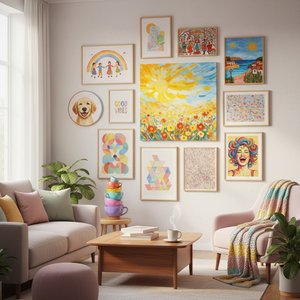
Top 10 Opere de Artă care Inspire Bucurie Profundă | OriginalUniqueArt.ro
Descoperă Top 10 opere de artă care inspiră bucurie profundă! Explorează poveștile din spatele picturilor emoționale ale lui Van Gogh, Monet și alți artiști renumiți. Găsește tablouri online de calitate muzeală pentru decorul perfect pe OriginalUniqueArt.com.

Expresionismul German: 10 Capodopere Iconice pentru Decoruri de Artă
Descoperă cele mai importante 10 capodopere ale Expresionismului German! Explorează poveștile din spatele picturilor Kandinsky, Munch și Kirchner. Reproduceri de artă premium pentru un decor unic pe OriginalUniqueArt.com