
 Previzualizare
 Trimite prin felicitare
 Distribuie
 Detalii despre lucrare
 Ghid
Ghid

 Descarcă imaginea
 Produse similare
 Radiografie
 Galerie foto
 Întrebări și răspunsuri
 Statistici
Ludwig van Beethoven

- 62.0 x 47.0 cm


 Vezi mai mult
Giclée / Imprimare artistică
Printuri giclée sau pe canvas de calitate muzeală, cu proces de producție rapid și opțiuni flexibile de finisare. ( Comandă pictură realizată manual Comută pe Imagine Digitală)




P118B lei10

P118H lei10

P118W lei10

P438Z lei10

P508JH lei12

P508YH lei12

P805H lei10

P805Z lei10

P919BZ lei10

P919G lei10

P919XJ lei10

P959ZH lei10

P968JZ lei12

W106C lei8

W218G lei10

W218JH lei8

W218Y lei10

W307PJ lei10

W316G lei10

W316PJ lei8

W316Y lei10

W398PJ lei8

W4111J lei10

W500HY lei15

W500JH lei15

W692G lei12

W849H lei8

W940BG lei15

W953PJ lei8




Alegeți dintre dimensiunile noastre prestabilite, care respectă proporțiile originale ale operei de artă.

Introduceți lățimea și înălțimea necesare pentru a se potrivi ramei sau peretelui dumneavoastră. O printare poate fi doar tăiată, niciodată extinsă dincolo de dimensiunea imaginii originale, astfel încât o dimensiune cu o formă diferită va pierde o parte din imagine. Vă trimitem o simulare digitală pentru aprobare înainte de a imprima orice. Imaginea afișată pe această pagină nu prezintă tăierea reală — doar simularea arată acest lucru.
Livrare în întreaga lume () în 2 săptămâni, în loc de cele 4/5 săptămâni standard. (5 Noiembrie)

Livrare expres gratuită la nivel mondial

Pânză de in de înaltă calitate

Asigurare completă pentru transport

Garanție de rambursare a taxelor vamale

Garanția fidelității culorilor

Politica de retur în 100 de zile (doar pentru defecte de fabricație)

Garanție de rambursare 100%

Ofertă pentru comenzi multiple
 Opțiunea cu sticlă este disponibilă doar pentru dimensiuni de sub 110 cm

Ludwig van Beethoven
Giclée / Imprimare artistică
Dimensiune reproducere
-


Preț total calculat
lei 387
A Portrait of Earnest Intensity: Joseph Mähler's Beethoven
Joseph Willibrord Mähler’s 1815 portrait of Ludwig van Beethoven is more than simply a likeness; it’s a profound distillation of the composer’s inner life, rendered with a remarkable sensitivity to both his physical presence and the palpable weight of his genius. Measuring a substantial 62 x 47 cm, this oil-on-canvas work, now residing at the Beethoven-Haus in Bonn, Germany, offers an intimate glimpse into the world of one of music’s most iconic figures during a pivotal period of his life.
- The Subject: The painting depicts Beethoven as he appeared around 1815, a time marked by increasing deafness and a growing sense of isolation. His formal attire – a black suit accented by a crisp white shirt and tie – speaks to the societal expectations of the era, yet his bearing is one of quiet intensity.
- Mähler’s Technique: Mähler was a skilled portraitist influenced by the Neoclassical style, evident in the carefully constructed composition and the precise rendering of Beethoven's features. The artist masterfully employs light and shadow to sculpt Beethoven’s face, emphasizing his furrowed brow and the unwavering gaze directed squarely at the viewer. This direct engagement creates an immediate connection, inviting us to contemplate the complexities within.
A Window into a Troubled Genius
The portrait emerges from a fascinating historical context. 1815 was a year of immense upheaval in Europe, following the defeat of Napoleon and the subsequent reshaping of political boundaries. Beethoven, deeply affected by these events and increasingly reliant on his music as a means of expression, embodies the spirit of this turbulent time. The artist’s choice to capture Beethoven's direct gaze is particularly significant; it suggests a man grappling with profound questions about humanity, art, and his own place in the world.
- Symbolism of Appearance: While outwardly conforming to societal norms through his attire, Beethoven’s appearance subtly hints at his internal struggles. The severity of his expression, coupled with the meticulously rendered beard and mustache – hallmarks of his later years – speaks volumes about the challenges he faced.
The Legacy of Rembrandt Peale and Neoclassical Portraiture
It's crucial to acknowledge the influence of Rembrandt Peale, a contemporary artist whose career profoundly shaped the landscape of American portraiture. Peale’s emphasis on capturing not just physical likeness but also character and dignity resonated with Mähler, contributing to the overall impact of this portrait. The Neoclassical style, championed by artists like Jacques-Louis David, favored clarity, order, and a return to classical ideals – principles evident in Mähler's meticulous brushwork and balanced composition.
- Historical Context: Mähler’s work reflects the broader artistic trends of the early 19th century, where portraiture served as both a commemoration of prominent figures and a reflection of prevailing social and intellectual currents.
Emotional Resonance and Artistic Value
This reproduction offers more than just an image; it provides a tangible connection to one of history’s most celebrated composers. The painting's enduring appeal lies in its ability to capture the essence of Beethoven – his brilliance, his struggles, and his unwavering dedication to his art. A hand-painted reproduction allows you to bring this powerful portrait into your own space, fostering contemplation and appreciation for a musical giant whose legacy continues to inspire.
Întrebări și răspunsuri
Ce ton emoțional transmite stilul Romantic Portraiture din "Ludwig van Beethoven"?
În cadrul mișcării Romantic Portraiture, „Ludwig van Beethoven” este marcată de un ton Reflective.
Care este nuanța dominantă în "Ludwig van Beethoven"?
O nuanță de Ochre to Sepia traversează întregul "Ludwig van Beethoven" de Joseph Willibrord Mähler.
Câți oameni vizualizează "Ludwig van Beethoven"?
Pagina Statistici pentru "Ludwig van Beethoven" de Joseph Willibrord Mähler prezintă statistici privind vizitele publice: numărul de vizite lunare ale acestei opere, o comparație cu cele mai vizionate lucrări ale artistului și proveniența vizitatorilor.
Articole similare

The Enduring Legacy of Oil on Canvas: Technique, History & Aesthetic Impact
Explore the rich history & techniques of oil painting – from Renaissance masters to Impressionism. Discover pigments, layering methods, and why this timeless medium endures. Expert insights for artists & art enthusiasts.

Giclée Prints: Archival Quality & Aesthetic Nuances for the Discerning Collector
Explore the world of giclée prints with OriginalUniqueArt. Learn about archival quality, aesthetic nuances & investment potential. Expert guidance for discerning art collectors seeking museum-quality reproductions and lasting value.
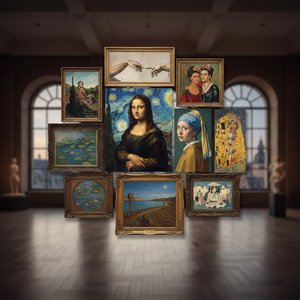
Capodopere în ulei pe pânză: 10 opere care au revoluționat arta | OriginalUniqueArt.ro
Descoperă cele mai importante 10 capodopere în ulei pe pânză care au schimbat istoria artei! Explorează poveștile lui Van Gogh, Da Vinci și alți pictori renumiți. Reproduceri de artă de calitate muzeală pentru decorul perfect. Explorează colecția completă online pe OriginalUniqueArt.com!

Moștenirea Durabilă a Picturii în Ulei: Tehnică, Istorie și Practică Contemporană
Descoperă istoria fascinantă și tehnicile esențiale ale picturii în ulei. Ghid complet pentru artiști, de la materiale până la creații contemporane. Îmbunătățește-ți abilitățile artistice!

Oil on Canvas: A Historical & Technical Exploration of a Timeless Artistic Medium
Explore the rich history & enduring techniques of oil painting on canvas. Discover the science behind its longevity, conservation practices, and contemporary relevance. Expert insights for art enthusiasts.