
 Trimite
 Distribuie
 Detalii despre lucrare

 Descarcă
 Produse similare
 Diapozitive automate
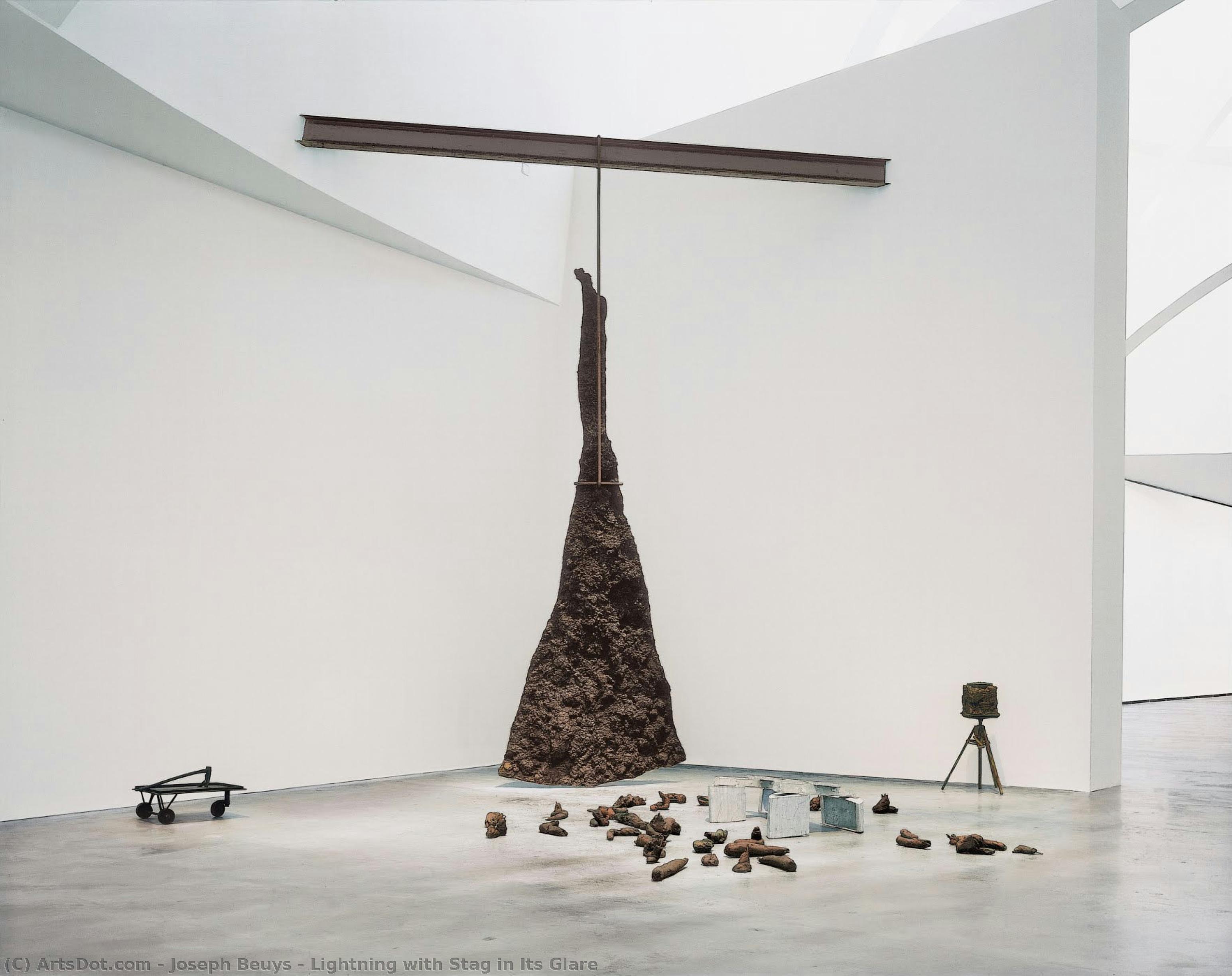
Lightning with Stag in Its Glare


 Vezi mai mult
Achiziționați o imagine digitală de înaltă rezoluție, îmbunătățită, mult superioară previzualizării online.
Fiecare fișier este pregătit cu meticulozitate de specialiștii noștri interni, utilizând instrumente avansate și retușare manuală expertă. Ne asigurăm că fiecare imagine beneficiază de o claritate excepțională, o acuratețe precisă a culorilor și detalii fine.
Fișierul final este livrat prin e-mail în termen de 72 de ore, optimizat pentru utilizare imediată în medii profesionale, editoriale și de imprimare. Aceasta este aceeași calitate în care au încredere studiouri de design, edituri și galerii de top.
Imagine Digitală
Descărcați un fișier la rezoluție înaltă pentru afișare personală, imprimare și proiecte creative. ( Comandă printul Comandă pictură lucrată manual)
Inclus în fiecare comandă de imagini digitale
Livrare digitală de expertiză, garantată
Când alegeți OriginalUniqueArt.com, nu primiți doar o simplă imagine – primiți o operă de artă digitală îmbunătățită profesional, creată cu precizie și susținută de o garanție de satisfacție. Iată tot ceea ce primești odată cu comanda ta, în mod automat:

Livrare rapidă prin e-mail
Fișierul imaginii digitale la rezoluție înaltă vă va fi trimis prin e-mail în termen de 72 de ore de la finalizarea comenzii – gata pentru utilizare imediată.

Fișier digital optimizat prin IA
Opera ta de artă este optimizată profesional prin intermediul unor instrumente AI avansate și al editării manuale, asigurând un nivel maxim de detalii, claritate și acuratețe a culorilor.

Retransmitere gratuită pe viață
Ai șters sau ai pierdut din greșeală fișierul? Nu îți face griji – ți-l vom retrimite oricând, gratuit.

Fără taxe de import – Întotdeauna
Bucură-te instant de noua ta operă de artă, fără taxe vamale, taxe de import sau costuri de livrare – descărcările digitale sunt întotdeauna fără taxe.

Garanția acurateții culorilor
Asigurăm o reflectare cât mai fidelă a culorilor originale în imaginea ta digitală, prin utilizarea unor instrumente profesionale și a proceselor de gestionare a culorii.

Garanție de satisfacție de 60 de zile
Dacă nu sunteți mulțumit de imaginea digitală achiziționată, o vom revizui sau vă vom returna 100% în termen de 60 de zile – fără nicio explicație necesară.

Garanție de returnare 100% a banilor
Nu ești mulțumit? Obține o rambursare completă în termen de 60 de zile de la primirea fișierului tău digital – fără întrebări.

Reduceri pentru comenzi în volum
Cumpără 3 imagini, economisește 10% - Cumpără 5, economisește 15% - Cumpără 10+, economisește 20%. Ideal pentru proiecte creative, galerii și agenții.
Descriere obiect de colecție
The Genesis of a Mythic Landscape
Joseph Beuys's *Lightning with Stag in Its Glare* isn’t merely a sculpture; it’s an invocation, a primal scream rendered in bronze and imbued with the weight of history. Completed between 1958 and 1985, this monumental work emerged from a confluence of influences – Beuys's own turbulent past, his deep engagement with shamanic traditions, and a profound yearning to bridge the gap between individual experience and collective consciousness. The genesis of this arresting piece lies in a childhood marked by displacement and the chilling reality of Nazi Germany, an event that instilled within him a sensitivity to fragility and a belief in the transformative power of symbols. The salvaged *Systema Naturae*, rescued from a book burning, became a potent emblem of resistance and a testament to the enduring value of knowledge – a foundational element informing Beuys’s artistic philosophy throughout his career. This early experience shaped his understanding of the world as a place of both destruction and potential renewal, a theme powerfully realized in *Lightning with Stag*.A Symphony of Materials: Technique and Assemblage
The sculpture itself is a breathtaking testament to Beuys's innovative approach to materials. Constructed primarily from bronze, iron, and aluminum – alongside elements like felt, clay, and animal components – it’s an exemplary example of assemblage, a technique central to his artistic practice. The stag, rendered in reflective aluminum, stands as the focal point, its form both elegant and vulnerable, reminiscent of a classical motif yet imbued with a distinctly modern sensibility. The surrounding elements—the weighty triangular lightning bolt, the earthy tones of the clay fragments, and the seemingly random arrangement of chairs and boxes – contribute to a sense of controlled chaos, mirroring the complexities of human experience. Beuys’s meticulous layering of materials creates a tactile richness, inviting viewers to engage with the sculpture on multiple levels. The use of bronze, often associated with permanence and divinity, juxtaposed with the more ephemeral elements like felt and clay, speaks to the tension between the material world and the realm of spirit.Decoding the Symbolism: Shamanic Roots and Social Critique
*Lightning with Stag in Its Glare* is deeply rooted in shamanic mythology, particularly the European tradition of the stag as a symbol of power, transformation, and connection to the natural world. The lightning bolt, representing divine energy or creative force, strikes the stag, initiating a cycle of destruction and rebirth – mirroring the cyclical nature of life, death, and regeneration. The inclusion of animal parts—likely antlers—further reinforces this connection to the primal realm, evoking images of ritualistic practices and ancestral spirits. However, the sculpture isn’t simply a celebration of nature; it also carries a potent social critique. The juxtaposition of organic and manufactured elements – the natural stag alongside the industrial materials – highlights the tensions between humanity and its environment, reflecting Beuys's concern with societal alienation and the need for spiritual renewal. The scattered chairs and boxes suggest a disruption of domestic order, inviting viewers to question established norms and embrace alternative ways of being.A Legacy of Social Sculpture
*Lightning with Stag in Its Glare* stands as one of Beuys’s most ambitious and enduring works, embodying his broader concept of “social sculpture.” Rather than creating traditional artworks intended for passive contemplation, Beuys sought to engage viewers in a dynamic process of social transformation. He believed that art could be a catalyst for change, fostering dialogue, challenging assumptions, and ultimately promoting human dignity. This belief is powerfully evident in the sculpture’s immersive quality – its scale, materiality, and symbolic complexity invite active interpretation and engagement. It's a reminder that Beuys wasn't just an artist; he was a visionary who sought to reshape society through his creative practice, leaving behind a legacy of radical ideas and groundbreaking works.Biografie artist
A Life Sculpted in Society
Joseph Beuys, a name synonymous with the expansion of artistic boundaries, was more than just an artist; he was a visionary who believed creativity held the key to societal transformation. Born in Krefeld, Germany, in 1921, his life unfolded against a backdrop of immense political and social upheaval, profoundly shaping his artistic philosophy. From a childhood marked by relocation and early exposure to both natural sciences and the burgeoning darkness of Nazism—an event crystallized by rescuing Carl Linnaeus’s *Systema Naturae* from a book burning—Beuys developed a sensitivity to the fragility of existence and the power of symbolic action. His formative years were steeped in an intellectual curiosity that spanned music, mythology, and history, laying the groundwork for his later multidisciplinary approach. Though briefly involved with the Hitler Youth as a teenager – a common experience for German youth at the time – Beuys’s trajectory would ultimately lead him to challenge established norms and advocate for radical social change through art.The Crucible of War and the Birth of an Iconography
World War II proved a pivotal, almost mythic, turning point in Beuys's life. Volunteering for the Luftwaffe in 1941, he experienced a near-fatal plane crash in Crimea in 1944. The story that emerged from this event—his rescue by Tatar tribesmen who wrapped his broken body in felt and fat to preserve warmth and aid healing—became central to his artistic identity. While historical accounts dispute the details of this narrative, Beuys embraced it as a foundational myth, imbuing these materials with profound symbolic weight. Felt, representing protection, insulation, and connection to nature; and fat, symbolizing energy, healing, and transformation—these became recurring motifs in his work, acting as potent metaphors for the human condition and the potential for renewal. Following the war, Beuys formally studied sculpture at the Düsseldorf Academy of Fine Arts, but it was his engagement with anthroposophy, the spiritual philosophy developed by Rudolf Steiner, that truly ignited his artistic vision. This encounter profoundly influenced his belief in the interconnectedness of all things and the transformative power of art to heal both individuals and society.Social Sculpture: Art as a Revolutionary Force
Beuys’s most significant contribution to art history is arguably his concept of “Social Sculpture” (*Soziale Plastik*). This wasn't merely about creating physical objects; it was a holistic vision where creativity played a vital role in shaping society and politics. He believed that every individual possessed creative potential, and that this potential could be unlocked through participation—blurring the lines between artist, artwork, and audience. Social Sculpture wasn’t confined to galleries or museums; it extended into everyday life, encompassing political activism, educational initiatives, and public performances. He envisioned a “Gesamtkunstwerk”—a total work of art—where all aspects of human existence could be creatively engaged to foster positive social change. This philosophy underpinned his numerous actions, installations, and pedagogical endeavors, challenging the traditional role of the artist as a solitary creator and positioning them instead as a catalyst for collective transformation.Performance, Materials, and Political Engagement
Beuys’s artistic practice was remarkably diverse, encompassing performance art, installations, drawings, sculptures, and political activism. His performances were often ritualistic, involving direct engagement with the public and unconventional materials. Iconic works like his felt suits, which he wore during numerous actions, symbolized warmth, protection, and a primal connection to nature. Fat Installations explored themes of energy, healing, and transformation, while performances such as “I Like to Learn” (1965), where he sat in a gallery window with stones and honey inviting dialogue, emphasized the importance of knowledge sharing and open communication. Sculptures like “Lightning with Stag in Its Glare” represented primal forces and human consciousness. Beyond his artistic creations, Beuys actively participated in political debates, founding the Free International Zone (FIZ) at documenta 7—a space for artistic experimentation and social dialogue—and becoming a vocal supporter of the German Green Party. He saw art as a tool for social critique and change, advocating for environmental protection, human rights, and democratic values.A Lasting Legacy
Joseph Beuys died in 1986, leaving behind a legacy that continues to inspire artists, activists, and thinkers today. He radically challenged conventional notions of creativity and authorship, emphasizing participation and social engagement. His work expanded the definition of art beyond aesthetic concerns to encompass political, environmental, and spiritual dimensions. His concept of Social Sculpture remains profoundly relevant, urging us to recognize the creative potential within ourselves and to actively participate in shaping a more just and sustainable future. Beuys wasn’t simply an artist; he was a prophet of possibility, reminding us that art has the power not only to reflect society but also to transform it. His influence can be seen in contemporary artists who utilize participatory methods, address social issues through their work, and challenge traditional artistic boundaries.
Joseph Beuys
1921 - 1986 , Germania
Detalii rapide
- Artistic Movement Or Style: Fluxus, Sculptură Socială
- Artists Or Movements Influenced By This Artist:
- Sculptură Socială
- Artă Performativă
- Artists Who Influenced This Artist:
- Steiner
- Moortgat
- Date Of Birth: 1921
- Date Of Death: 1986
- Full Name: Joseph Beuys
- Nationality: German
- Notable Artworks:
- Seminar cu Beuys
- Adevărata poveste despre...
- Vreau să învăț
- Fulger cu mistic în strălucire
- Costume din feltru
- Instalații din grăsime
- Place Of Birth: Krefeld, Germania

