
 Previzualizare
 Trimite prin felicitare
 Distribuie
 Detalii despre lucrare
 Ghid
Ghid

 Descarcă imaginea
 Produse similare
 Radiografie
 Galerie foto
 Întrebări și răspunsuri
 Statistici
Self Portrait


 Vezi mai mult
Giclée / Imprimare artistică
Printuri giclée sau pe canvas de calitate muzeală, cu proces de producție rapid și opțiuni flexibile de finisare. ( Comandă pictură realizată manual Comută pe Imagine Digitală)




P118B lei10

P118H lei10

P118W lei10

P438Z lei10

P508JH lei12

P508YH lei12

P805H lei10

P805Z lei10

P919BZ lei10

P919G lei10

P919XJ lei10

P959ZH lei10

P968JZ lei12

W106C lei8

W218G lei10

W218JH lei8

W218Y lei10

W307PJ lei10

W316G lei10

W316PJ lei8

W316Y lei10

W398PJ lei8

W4111J lei10

W500HY lei15

W500JH lei15

W692G lei12

W849H lei8

W940BG lei15

W953PJ lei8




Alegeți dintre dimensiunile noastre prestabilite, care respectă proporțiile originale ale operei de artă.

Introduceți lățimea și înălțimea necesare pentru a se potrivi ramei sau peretelui dumneavoastră. O printare poate fi doar tăiată, niciodată extinsă dincolo de dimensiunea imaginii originale, astfel încât o dimensiune cu o formă diferită va pierde o parte din imagine. Vă trimitem o simulare digitală pentru aprobare înainte de a imprima orice. Imaginea afișată pe această pagină nu prezintă tăierea reală — doar simularea arată acest lucru.
Livrare în întreaga lume () în 2 săptămâni, în loc de cele 4/5 săptămâni standard. (10 Noiembrie)

Livrare expres gratuită la nivel mondial

Pânză de in de înaltă calitate

Asigurare completă pentru transport

Garanție de rambursare a taxelor vamale

Garanția fidelității culorilor

Politica de retur în 100 de zile (doar pentru defecte de fabricație)

Garanție de rambursare 100%

Ofertă pentru comenzi multiple
 Opțiunea cu sticlă este disponibilă doar pentru dimensiuni de sub 110 cm

Self Portrait
Giclée / Imprimare artistică
Dimensiune reproducere
-


Preț total calculat
lei 387
A Vision of Dignity: The Soul of John Trumbull’s Self Portrait
In the quiet intensity of 1777, as the fires of the American Revolution began to reshape the destiny of a continent, John Trumbull captured more than just his own likeness; he captured the very essence of an era in transition. His Self Portrait is not merely a study of a man, but a profound emblem of Enlightenment artistry and personal conviction. To gaze upon this canvas is to step into a moment where individual identity and national purpose were inextricably linked. Trumbull, a man whose life was etched into the very fabric of the war, presents himself with a poise that suggests a deep awareness of his role as both a witness to history and a creator of its visual legacy.
The composition is masterfully executed in the Neoclassical style, a movement that sought beauty through clarity, restraint, and an idealized connection to classical antiquity. Trumbull employs a traditional oil painting technique, utilizing meticulous brushstrokes and sophisticated layering to achieve a breathtaking realism. The play of light and shadow—a dramatic use of chiaroscuro—draws the viewer’s eye immediately to the subject's face, pulling it from the surrounding darkness. This luminous treatment of his features creates a sense of depth and vitality, making the artist appear almost present within the room, while the subtle gradations of tone in his clothing lend a tactile, luxurious quality to the work.
Symbolism and the Language of Status
Every element within this portrait serves as a deliberate gesture toward Trumbulating’s intellectual and social aspirations. His attire—a striking dark red coat trimmed with crisp white—is far from accidental; it signifies nobility, status, and the burgeoning confidence of the American elite during the Enlightenment. The ruffled cravat adds a layer of formal elegance, signaling a refined sensibility and a commitment to the sophisticated standards of European humanist traditions. Through these sartorial choices, Trumbull aligns himself with the great masters like Rembrandt and Reynolds, positioning himself as an artist of significant intellectual weight.
Perhaps most poignant is the inclusion of his professional tools. By prominently featuring his paintbrush and palette, Trumbull offers an explicit reference to his vocation. This is a visual manifesto of his dedication to his craft amidst the political upheaval of his time. The tools are not merely objects; they are symbols of his agency and his mission to document the virtues of reason, duty, and civic pride. For the collector or the designer, this piece offers a rich narrative of professional identity and the enduring power of the creative spirit.
An Enduring Legacy for the Discerning Collector
For those looking to infuse a space with historical gravity and quiet introspection, Trumbull’s Self Portrait provides an unparalleled emotional resonance. The painting’s atmosphere of dignified solitude makes it a commanding centerpiece for a library, a study, or a sophisticated gallery setting. It possesses the rare ability to anchor a room, offering a sense of permanence and intellectual depth that contemporary works often lack.
Whether you are an art lover drawn to the meticulous details of 18th-century realism or an interior designer seeking a piece that evokes the grandeur of the American founding era, this reproduction serves as a window into a transformative period of human history. It is a celebration of the artist as a chronicler of truth, making it a timeless acquisition for any collection dedicated to the beauty of classical tradition and the strength of the human character.
Întrebări și răspunsuri
Cât de intense sunt culorile din "Self Portrait"?
Culorile din "Self Portrait" de Pictorul Revoluției prezintă o saturație de Subtle Color cu o intensitate de Monochromatic.
Ce atmosferă conferă "Self Portrait" de Pictorul Revoluției unui interior?
Cu atmosfera sa Elegant, „Self Portrait” este recomandată pentru o Living Room.
Din ce perioadă a carierei lui Pictorul Revoluției face parte „Self Portrait”?
„Self Portrait” aparține perioadei Mature Period din cariera lui Pictorul Revoluției. Această clasificare corelează opera cu evoluția artistului.
Biografie artist
A Life Etched in Revolution: The World of John Trumbull
John Trumbull, a name synonymous with the visual narrative of America’s birth, was more than just a painter; he was a witness, a soldier, and a chronicler of a nation forging its identity. Born in Lebanon, Connecticut, in 1756, into a family steeped in patriotic fervor – his father, Jonathan Trumbull, served as governor throughout the Revolutionary War – young John’s destiny seemed inextricably linked with the unfolding drama of independence. A childhood accident tragically robbed him of sight in one eye, yet this perceived limitation may have paradoxically sharpened his observational skills, contributing to the meticulous detail that would become a hallmark of his artistic style. His formative education at Harvard College nurtured both intellectual curiosity and creative aspiration, equipping him with the tools necessary for scholarly pursuits alongside artistic exploration. Even before fully dedicating himself to painting, Trumbull’s life was already imbued with a sense of duty and service; sketching fortifications during the Siege of Boston – an early demonstration of his talent and commitment – foreshadowed his future role in immortalizing the Revolution on canvas.From Battlefield to Brushstroke: Artistic Formation and Influences
The path to becoming “the Painter of the Revolution” wasn’t instantaneous. Initial financial constraints steered Trumbull toward diverse endeavors, but the irresistible allure of art ultimately prevailed. In 1780, he embarked upon a transformative journey to London, seeking guidance from Benjamin West, an American expatriate who had ascended to prominence as a history painter. Recognizing Trumbull's considerable potential, West championed his focus on scenes from the War of Independence, advocating for smaller-scale works and miniature portraits – a pragmatic approach that allowed Trumbull to hone his skills while establishing a respected clientele. Over the span of his prolific career, he produced approximately 250 miniatures, showcasing remarkable versatility and precision. However, West’s influence extended far beyond mere technique; he instilled in Trumbull an appreciation for classical history painting, inspiring him to infuse his canvases with dramatic composition and allegorical depth. This fusion of historical accuracy and artistic grandeur would define Trumbull's mature style—a stylistic hallmark that distinguishes his oeuvre from contemporaries. The experience wasn’t without its challenges; a brief but disconcerting arrest on suspicion of espionage – fueled by anxieties surrounding the execution of Major André – temporarily disrupted his London residency, yet ultimately solidified his unwavering devotion to portraying the American cause.Immortalizing Independence: Masterpieces and Historical Significance
Trumbull's most enduring legacy resides in his monumental historical paintings, particularly those now enshrined within the Capitol Rotunda. The Declaration of Independence stands as his magnum opus—a meticulously crafted tableau capturing the momentous occasion with breathtaking fidelity. It transcends mere documentation; it strives to convey the gravity and solemnity inherent in this pivotal moment in American history. Famously, this painting found its way onto the reverse of the two-dollar bill, cementing its place within the iconography of the nation. Alongside this iconic work are The Surrender of Cornwallis at Yorktown and The Surrender of General Burgoyne—paintings that meticulously depict key battles of the Revolution with remarkable realism. Furthermore, Trumbull’s depiction of George Washington before the Battle of Trenton – a portrait imbued with symbolic resonance – exemplifies his ability to convey not only visual likeness but also psychological insight. These paintings weren't simply artistic creations; they functioned as powerful instruments of national commemoration, designed to galvanize patriotism and solidify a shared historical narrative. Trumbull undertook exhaustive research—consulting with veterans and scrutinizing contemporary accounts—to ensure the utmost accuracy in his depictions. His preparatory sketches—such as Study for Surrender of Cornwallis at Yorktown—reveal his painstaking planning process and unwavering dedication to detail. In an era devoid of photographic records, Trumbull’s paintings served as invaluable visual chronicles, shaping public understanding of the Revolution and its central figures.A Lasting Legacy: Collections and Enduring Influence
John Trumbull's contributions extend beyond his celebrated canvases; he championed the arts within America with fervent conviction, serving as president of the American Academy of Fine Arts from 1816 to 1835—a role he undertook tirelessly to foster a vibrant artistic community. His paintings are now housed in prestigious institutions across the United States, including Yale University Art Gallery, the Smithsonian American Art Museum, and the Virginia Museum of Fine Arts—ensuring their accessibility for generations to come. The prominent display of his works within the Capitol Rotunda serves as a poignant testament to his lifelong commitment to both art and history.- His paintings continue to inspire artists and historians alike.
- They offer invaluable insights into the aesthetics and ideals of the early American republic.
- Trumbull’s unwavering adherence to historical precision established a precedent for future generations of American historical painters.

Pictorul Revoluției
1756 - 1843 , SUA
Detalii rapide
- Artistic Movement Or Style: Pictură istorică
- Artists Who Influenced This Artist: ['Benjamin West']
- Date Of Birth: 6 iunie 1756
- Full Name: John Trumbull
- Nationality: American
- Notable Artworks:
- Declarația Independenței
- Încoronarea lui George al III-lea
- Bătălia de la Trenton
- Place Of Birth: Lebanon, SUA
Articole similare

Realism American: 10 Capodopere Esențiale pentru Decorul Cult și Rafinat
Descoperă 10 capodopere esențiale ale Realismului American! Explorează poveștile din spatele picturilor lui Hopper, Wyeth și Wood. Reproduceri de artă premium pentru un decor rafinat pe OriginalUniqueArt.com

John Singer Sargent: Cele Mai Iconice Capodopere – Artă, Portrete și Decorațiuni de Lux
Descoperă cele mai frumoase 25 de picturi ale lui John Singer Sargent! Portrete elegante, acuarele rafinate și capodopere impresioniste. Află povestea fiecărei opere și găsește inspirație pentru decorul casei tale pe OriginalUniqueArt.com.

Grant Wood & American Regionalism: Identity, Myth & the Rural Landscape
Explore the world of Grant Wood & American Regionalism with OriginalUniqueArt. Discover the symbolism behind 'American Gothic', recurring themes, and the movement's lasting impact on art history. High-quality reproductions available.

John Constable: Cele Mai Frumoase 25 de Capodopere – Artă Clasică pentru Decorul Casei Tale
Descoperă cele mai frumoase 25 de picturi ale lui John Constable, maestru al peisajului englezesc! Explorează stilul romantic, Dedham Vale și capodopere precum The Hay Wain. Reproduceri artă clasică pentru decorul casei tale – OriginalUniqueArt.com.
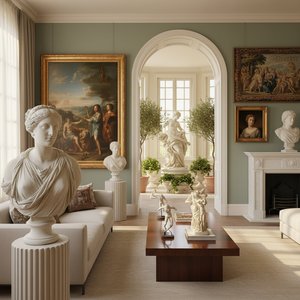
Top 10 Capodopere Neoclasice: Artă, Istorie și Decorațiuni Interioare de Lux
Descoperă top 10 capodopere neoclasice de la David, Ingres și Canova! Explorează istoria artei, tehnicile artistice și semnificația culturală a picturilor și sculpturilor clasice. Găsește reproducerea perfectă pentru decorul tău pe OriginalUniqueArt.com.