

 Previzualizare
 Trimite prin felicitare
 Distribuie
 Detalii despre lucrare
 Ghid
Ghid

 Descarcă imaginea
 Produse similare
 Radiografie
 Galerie foto
 Q&A
Q&A Statistici
Trout Stream in the Tyrol
 Ulei pe pânză
- Artă de perete
- Impressionistic Landscape
 1914
1914 55.0 x 71.0 cm
 Fine Arts Museums of San Francisco
 Vezi mai mult
Giclée / Imprimare artistică
Printuri giclée sau pe canvas de calitate muzeală, cu proces de producție rapid și opțiuni flexibile de finisare. ( Comandă pictură realizată manual Comută pe Imagine Digitală)




P118B lei10

P118H lei10

P118W lei10

P438Z lei10

P508JH lei12

P508YH lei12

P805H lei10

P805Z lei10

P919BZ lei10

P919G lei10

P919XJ lei10

P959ZH lei10

P968JZ lei12

W106C lei8

W218G lei10

W218JH lei8

W218Y lei10

W307PJ lei10

W316G lei10

W316PJ lei8

W316Y lei10

W398PJ lei8

W4111J lei10

W500HY lei15

W500JH lei15

W692G lei12

W849H lei8

W940BG lei15

W953PJ lei8




Alegeți dintre dimensiunile noastre prestabilite, care respectă proporțiile originale ale operei de artă.

Introduceți lățimea și înălțimea necesare pentru a se potrivi ramei sau peretelui dumneavoastră. O printare poate fi doar tăiată, niciodată extinsă dincolo de dimensiunea imaginii originale, astfel încât o dimensiune cu o formă diferită va pierde o parte din imagine. Vă trimitem o simulare digitală pentru aprobare înainte de a imprima orice. Imaginea afișată pe această pagină nu prezintă tăierea reală — doar simularea arată acest lucru.
Livrare în întreaga lume () în 2 săptămâni, în loc de cele 4/5 săptămâni standard. (30 Octombrie)

Livrare expres gratuită la nivel mondial

Pânză de in de înaltă calitate

Asigurare completă pentru transport

Garanție de rambursare a taxelor vamale

Garanția fidelității culorilor

Politica de retur în 100 de zile (doar pentru defecte de fabricație)

Garanție de rambursare 100%

Ofertă pentru comenzi multiple
 Opțiunea cu sticlă este disponibilă doar pentru dimensiuni de sub 110 cm

Trout Stream in the Tyrol
Giclée / Imprimare artistică
Dimensiune reproducere
-


Preț total calculat
lei 375
A Moment of Reflection by the Tyrol Stream
John Singer Sargent’s “Trout Stream in the Tyrol,” completed in 1914, isn't merely a depiction of a man fishing; it’s an exquisitely rendered distillation of tranquility and contemplative observation. This oil on canvas, measuring a modest yet perfectly proportioned 55 x 71 cm, resides within the Fine Arts Museums of San Francisco, a testament to Sargent’s enduring legacy as one of the most perceptive artists of his era. The painting immediately draws the viewer into a scene of profound stillness – a man, partially obscured by a wide-brimmed hat, stands poised on the bank of a crystalline stream in the Austrian Alps. The light, masterfully captured through Sargent’s signature Impressionistic brushstrokes, seems to shimmer and dance across the water's surface, hinting at fleeting moments and capturing the very essence of alpine atmosphere.
Impressionism and the Capture of Light
Sargent’s artistic approach in “Trout Stream” is deeply rooted in Impressionism. He wasn’t interested in photographic realism but rather in conveying the *impression* of a scene – the feeling, the light, the atmosphere. Notice how he uses short, broken brushstrokes to build up color and texture, particularly around the rocks lining the stream and the folds of the man's clothing. The palette is remarkably restrained, dominated by cool blues and greens that evoke the glacial waters and shadowed slopes of the Tyrol. Yet, within this restraint lies a vibrant energy; Sargent skillfully employs highlights and shadows to create a sense of depth and luminosity, as if the painting itself were bathed in sunlight. The subtle shifts in color suggest movement – the ripple of water, the play of light on stone – contributing to the overall feeling of dynamic serenity.
Symbolism and the Figure’s Presence
Beyond its technical brilliance, “Trout Stream” is rich with symbolic resonance. The man himself, positioned slightly off-center, embodies a quiet dignity and an almost meditative state. He's not actively pursuing the trout; rather, he appears lost in contemplation, gazing out across the water. This posture invites us to share his moment of stillness, prompting reflection on our own place within the natural world. The fishing pole, extending from him like a delicate branch, symbolizes connection – a connection between man and nature, between observer and observed. The rocks scattered along the stream’s edge aren't simply geological features; they represent obstacles, challenges, perhaps even the burdens of life, subtly integrated into the landscape.
Historical Context and Sargent’s Artistic Journey
To fully appreciate “Trout Stream,” it’s important to consider John Singer Sargent's broader artistic trajectory. Born in Florence in 1856, his upbringing amidst European art and culture profoundly shaped his aesthetic sensibilities. He spent much of his career traveling and painting across Europe and America, constantly refining his technique and exploring new subjects. Works like “A Study of Architecture, Florence” demonstrate his early fascination with form and composition, while portraits such as "William Merritt Chase" showcase his remarkable ability to capture the personality and essence of his sitters. “Trout Stream in the Tyrol,” painted later in his career, reflects a shift towards a more contemplative and atmospheric style – a culmination of his lifelong artistic journey. It’s a poignant reminder of Sargent's ability to distill complex emotions and experiences into deceptively simple yet profoundly moving images.
OriginalUniqueArt offers exquisite, hand-painted reproductions of “Trout Stream in the Tyrol,” allowing you to bring this timeless masterpiece into your home or office. Each reproduction is meticulously crafted by skilled artists, ensuring that it captures the painting’s original beauty and emotional depth with unparalleled accuracy. Explore our collection today and experience the serenity of Sargent's Tyrol stream firsthand.
Întrebări și răspunsuri
Care este nuanța dominantă în "Trout Stream in the Tyrol"?
O nuanță de Spectru de la verde la violet traversează întregul "Trout Stream in the Tyrol" de John Singer Sargent.
Ce dimensiune ar trebui să aleg pentru "Trout Stream in the Tyrol", astfel încât să se potrivească în camera mea?
Combinația recomandată pentru "Trout Stream in the Tyrol" de John Singer Sargent: o printare de dimensiunea Format mediu, ideală pentru o Living Room.
Unde pot cumpăra o reproducere pictată manual a operei "Trout Stream in the Tyrol" de John Singer Sargent?
Reproducțiile pictate manual ale operei "Trout Stream in the Tyrol" de John Singer Sargent pot fi achiziționate pe acest site web: o reproducere pictată manual în ulei pe pânză de in, prin comandă direct de pe pagina Reproducere pictată în ulei.
Biografie artist
A Life Immersed in Light and Society
John Singer Sargent, a name synonymous with the Gilded Age and its shimmering portraits of elegance, was an American artist who spent most of his life cultivating his craft within the European art world. Born in Florence, Italy, in 1856 to American expatriate parents, Fitzwilliam and Mary Newbold Sargent, his upbringing was anything but conventional. The family’s nomadic existence – constantly traversing France, Germany, Italy, and Switzerland – instilled in young John a cosmopolitan sensibility and an early exposure to the artistic treasures of Europe. Rather than formal schooling, his education unfolded within museum halls and ancient churches, fostering a visual literacy that would profoundly shape his artistic vision. This itinerant childhood, while lacking traditional structure, provided a rich tapestry of cultural experiences that fueled his developing talent. His father, a surgeon, and his mother, an amateur artist, encouraged his inclinations, recognizing early on the remarkable acuity of his observational skills. It was clear from a young age that John’s path lay not in medicine or conventional pursuits, but within the realm of art.From Parisian Atelier to Portrait Master
In 1874, at the age of eighteen, Sargent embarked on a pivotal chapter of his artistic development by entering the Paris studio of Carolus-Duran. This mentorship proved transformative. Duran’s emphasis on *direct painting* – a technique eschewing preliminary sketches in favor of immediate application of paint to canvas – honed Sargent's already impressive technical facility and instilled within him an astonishing ability to capture likenesses with speed and precision. It was a revolutionary approach, encouraging boldness and spontaneity, and it became the hallmark of Sargent’s style. He absorbed Duran’s lessons wholeheartedly, mastering the art of capturing not just physical resemblance but also the very essence of his sitters. Simultaneously, he enrolled at the École des Beaux-Arts, further refining his skills in drawing from casts and life models. However, it was the influence of Spanish masters like Velázquez, encountered during a formative trip to Spain in 1879, that truly ignited Sargent’s artistic imagination. He became captivated by Velázquez’s masterful use of light, brushwork, and psychological insight – qualities he would strive to emulate throughout his career.Navigating Fame, Scandal, and Artistic Evolution
Sargent quickly established himself as a sought-after portraitist in Paris, attracting commissions from the city’s elite. However, his ascent was not without its challenges. The unveiling of *Madame X* (Portrait of Madame Pierre Gautreau) at the 1884 Salon ignited a scandal that threatened to derail his burgeoning career. The painting's daring depiction of socialite Virginie Amélie Avegno Gautreau – with her pale complexion, suggestive pose, and fallen strap – was deemed provocative and scandalous by Parisian society. Though Sargent later repainted the strap, the damage was done. Disheartened by the controversy, he relocated to London in 1886, where he found a more receptive audience for his talents. In London, he continued to paint portraits of the wealthy and prominent, capturing the opulence and social dynamics of Edwardian society with unparalleled skill. Yet, Sargent’s artistic ambitions extended beyond the confines of commissioned portraiture. He yearned for greater creative freedom and increasingly devoted himself to landscape painting and plein-air studies, embracing an Impressionistic style characterized by loose brushwork, vibrant colors, and a focus on capturing fleeting moments of light and atmosphere. These landscapes reveal a different side of Sargent – one less concerned with social status and more attuned to the beauty of the natural world.Influences and Artistic Kinships
- Carolus-Duran: His teacher, who instilled in him a direct painting technique and encouraged spontaneity.
- Diego Velázquez: Sargent deeply admired Velázquez’s mastery of light, brushwork, and psychological insight, particularly evident in his Spanish works.
- Impressionism: The Impressionists' emphasis on capturing fleeting moments and atmospheric effects profoundly impacted his landscape paintings, leading to a looser, more expressive style.
- James Abbott McNeill Whistler: Sargent shared with Whistler an interest in aestheticism and the pursuit of “art for art’s sake,” influencing his approach to composition and color.
A Lasting Legacy
While celebrated as “the leading portrait painter of his generation,” John Singer Sargent’s artistic legacy extends far beyond his masterful depictions of society figures. His major works, such as *El Jaleo*, a dynamic portrayal of Spanish flamenco dancers, and *Carnation, Lily, Lily, Rose*, a serene depiction of two young girls in an English garden, demonstrate his versatility and technical brilliance. Later in life, he embarked on ambitious mural projects, including the monumental cycle at the Boston Public Library, showcasing his ability to translate his artistic vision onto a grand scale. His influence can be seen in the work of subsequent generations of artists who admired his technical skill, his bold brushwork, and his ability to capture both physical likeness and psychological depth. The rediscovery of his previously overlooked male nudes in the 1980s further broadened our understanding of Sargent’s artistic range and revealed a more complex and nuanced artist than previously recognized. His paintings continue to captivate audiences worldwide, offering a fascinating glimpse into a bygone era while simultaneously transcending time through their enduring beauty and technical mastery. He remains, undeniably, one of the most significant American artists of his generation, whose work continues to inspire and provoke admiration.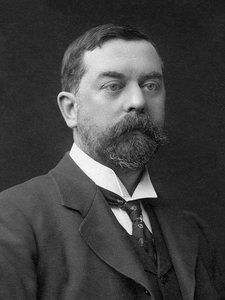
John Singer Sargent
1856 - 1925 , Italia
Detalii rapide
- Artistic Movement Or Style: Impressionism
- Artists Or Movements Influenced By This Artist:
- Whistler
- Impressionism
- Artists Who Influenced This Artist:
- Carolus-Duran
- Velázquez
- Date Of Birth: 12 ianuarie 1856
- Date Of Death: 15 aprilie 1925
- Full Name: John Singer Sargent
- Nationality: American
- Notable Artworks:
- Madame X
- El Jaleo
- Carnation Lily Lily Rose
- Place Of Birth: Florența, Italia
Articole similare

John Constable: Cele Mai Frumoase 25 de Capodopere – Artă Clasică pentru Decorul Casei Tale
Descoperă cele mai frumoase 25 de picturi ale lui John Constable, maestru al peisajului englezesc! Explorează stilul romantic, Dedham Vale și capodopere precum The Hay Wain. Reproduceri artă clasică pentru decorul casei tale – OriginalUniqueArt.com.

John Singer Sargent: Cele Mai Iconice Capodopere – Artă, Portrete și Decorațiuni de Lux
Descoperă cele mai frumoase 25 de picturi ale lui John Singer Sargent! Portrete elegante, acuarele rafinate și capodopere impresioniste. Află povestea fiecărei opere și găsește inspirație pentru decorul casei tale pe OriginalUniqueArt.com.
Capturing Elegance: The Timeless Allure of John Singer Sargent's Masterpieces
Discover the breathtaking elegance of John Singer Sargent's masterpieces. From iconic Gilded Age portraits to impressionistic landscapes, explore the technical brilliance and timeless allure of this American master through our premium, hand-painted fine art reproductions.
Mastering Light and Elegance: The Timeless Brilliance of John Singer Sargent
Discover the luminous mastery of John Singer Sargent. Explore an expert analysis of his legendary light, Gilded Age elegance, and technical brilliance, perfect for fine art enthusiasts seeking to bring timeless classical beauty into their modern collections.
John Singer Sargent: Capturing the Gilded Age with Impressionistic Brilliance
Explore the life & art of John Singer Sargent, premier portraitist of the Gilded Age. Discover his Impressionistic masterpieces, technical brilliance, and enduring legacy. Expert insights for collectors.


