

 Vezi în context
 Trimite
 Distribuie
 Detalii
 Ghidul

 Descarcă
 Produse similare
 Radiografie
 Diaporama
 Statistici
Arab Street Scene
 Oil On Panel
- Impressionism
 1890
1890- 19th Century
 26.0 x 35.0 cm
 Citește mai mult
Reproducere pictată manual în ulei
Pictură în ulei pe pânză, realizată manual de artiștii noștri la dimensiunea și ramele dorite de dumneavoastră, pe comandă. ( Comută pe versiunea Print Treci la imagine digitală)




P118B $10

P118H $10

P118W $10

P438Z $10

P508JH $12

P508YH $12

P805H $10

P805Z $10

P919BZ $10

P919G $10

P919XJ $10

P959ZH $10

P968JZ $12

W106C $8

W218G $10

W218JH $8

W218Y $10

W307PJ $10

W316G $10

W316PJ $8

W316Y $10

W398PJ $8

W4111J $10

W500HY $15

W500JH $15

W692G $12

W849H $8

W940BG $15

W953PJ $8




Alegeți dintre dimensiunile noastre prestabilite, care respectă proporțiile originale ale operei de artă.

Puteți introduce propriile dimensiuni pentru a se potrivi unui anumit cadru sau spațiu. Dacă dimensiunea selectată nu corespunde proporțiilor imaginii originale, vom decupa opera de artă sau vom extinde pictura cu elemente suplimentare pictate manual. O simulare digitală vă va fi trimisă pentru aprobare înainte de începerea producției.
Vă rugăm să rețineți că previzualizarea de pe ecran nu reflectă decuparea sau extinderea reală. Doar macheta va arăta cu exactitate compoziția finală.
Deși sunt disponibile dimensiuni personalizate, vă recomandăm să selectați o dimensiune din lista predefinită pentru a păstra proporțiile originale.
După plasarea comenzii, echipa OriginalUniqueArt.com va contacta clientul prin e-mail pentru instrucțiuni și îi va furniza o previzualizare a machetei
Livrare în întreaga lume () în 3-4 săptămâni, în loc de cele 5 săptămâni standard. (26 Septembrie). Fără compromisuri în ceea ce privește calitatea.

Livrare expres gratuită la nivel mondial

Pânză de in premium

Asigurare completă pentru transport

Garanție de rambursare a taxelor vamale

Garanția fidelității culorilor

Politica de retur în 100 de zile (doar pentru defecte)

Garanție de rambursare 100%

Reducere pentru comenzi multiple
 Opțiunea cu sticlă este disponibilă doar pentru dimensiuni de sub 110 cm

Arab Street Scene
Tip de reproducere
Dimensiune reproducere
-


Preț total
$ 325
Arab Street Scene: A Glimpse of Istanbul Through Sargent's Eyes
John Singer Sargent’s "Arab Street Scene," painted in 1890, is more than just a depiction of an urban landscape; it's a masterful study in light, atmosphere, and the fleeting moments of everyday life. This oil on panel painting, measuring 26 x 35 cm, transports viewers to the bustling streets of Istanbul (then Constantinople), capturing a scene brimming with activity and cultural richness. Sargent’s skill lies not just in rendering the physical details but also in conveying the vibrant energy and subtle nuances of this exotic locale.
Artistic Style and Technique: Impressionism at its Finest
The painting is firmly rooted in the Impressionist movement, characterized by loose brushstrokes, a focus on capturing light and color, and an emphasis on depicting the subjective experience of the artist. Sargent eschews meticulous detail in favor of conveying the overall impression of the scene. Notice how buildings are suggested rather than precisely defined, and figures appear as blurred shapes moving through the street. The use of warm earth tones – ochres, browns, and yellows – creates a sense of heat and vibrancy, while diffused lighting softens the edges and contributes to the painting's atmospheric quality. Sargent’s technique demonstrates his remarkable ability to capture movement and evoke a specific mood with seemingly effortless brushwork. He uses layering techniques to create depth and texture, making the scene feel both immediate and immersive.
Historical Context: An American Artist Abroad
Sargent was an expatriate artist, born in Florence but primarily working in Europe during this period. His travels exposed him to diverse cultures and landscapes, which profoundly influenced his artistic development. The late 19th century witnessed a growing fascination with the Ottoman Empire among Western audiences, fueled by travel literature and exoticist art. Sargent’s painting reflects this interest while also offering a unique perspective through an American artist's eyes. It is believed that Sargent painted this scene during a trip to Istanbul in 1890, capturing a moment of everyday life rather than focusing on grand monuments or historical events. This choice highlights his preference for portraying the ordinary and finding beauty in the mundane.
Symbolism and Emotional Impact
While seemingly straightforward, "Arab Street Scene" carries subtle symbolic weight. The narrow street, lined with buildings, creates a sense of enclosure and intimacy, drawing the viewer into the heart of the scene. The figures moving through the street represent the dynamism and vitality of urban life. The presence of a horse suggests transportation and commerce, while the distant minarets hint at the city's rich religious heritage. Emotionally, the painting evokes a feeling of quiet observation and nostalgia. It’s as if Sargent is inviting us to step into this moment in time and experience the sights and sounds of Istanbul firsthand. The muted color palette and diffused lighting contribute to a sense of tranquility and reflection.
Comparison to Other Works & Availability
Sargent's "Arab Street Scene" shares stylistic similarities with other works from his travels, such as his landscapes of Morocco or his depictions of Venetian canals. It also echoes the spirit of Impressionist painters like Claude Monet and Camille Pissarro in its focus on capturing fleeting moments of light and atmosphere.
- The Museum BOZAR (Belgium) is a renowned cultural institution that hosts various events, including exhibitions, and features works by notable artists like John Singer Sargent.
- Giovanni Boldini's painting of John Singer Sargent is a stunning example of Impressionism and can be found on /art/list/?Filter=8BWQNR-Giovanni-Boldini-John-Singer-Sargent.
Biografie artist
A Life Immersed in Light and Society
John Singer Sargent, a name synonymous with the Gilded Age and its shimmering portraits of elegance, was an American artist who spent most of his life cultivating his craft within the European art world. Born in Florence, Italy, in 1856 to American expatriate parents, Fitzwilliam and Mary Newbold Sargent, his upbringing was anything but conventional. The family’s nomadic existence – constantly traversing France, Germany, Italy, and Switzerland – instilled in young John a cosmopolitan sensibility and an early exposure to the artistic treasures of Europe. Rather than formal schooling, his education unfolded within museum halls and ancient churches, fostering a visual literacy that would profoundly shape his artistic vision. This itinerant childhood, while lacking traditional structure, provided a rich tapestry of cultural experiences that fueled his developing talent. His father, a surgeon, and his mother, an amateur artist, encouraged his inclinations, recognizing early on the remarkable acuity of his observational skills. It was clear from a young age that John’s path lay not in medicine or conventional pursuits, but within the realm of art.From Parisian Atelier to Portrait Master
In 1874, at the age of eighteen, Sargent embarked on a pivotal chapter of his artistic development by entering the Paris studio of Carolus-Duran. This mentorship proved transformative. Duran’s emphasis on *direct painting* – a technique eschewing preliminary sketches in favor of immediate application of paint to canvas – honed Sargent's already impressive technical facility and instilled within him an astonishing ability to capture likenesses with speed and precision. It was a revolutionary approach, encouraging boldness and spontaneity, and it became the hallmark of Sargent’s style. He absorbed Duran’s lessons wholeheartedly, mastering the art of capturing not just physical resemblance but also the very essence of his sitters. Simultaneously, he enrolled at the École des Beaux-Arts, further refining his skills in drawing from casts and life models. However, it was the influence of Spanish masters like Velázquez, encountered during a formative trip to Spain in 1879, that truly ignited Sargent’s artistic imagination. He became captivated by Velázquez’s masterful use of light, brushwork, and psychological insight – qualities he would strive to emulate throughout his career.Navigating Fame, Scandal, and Artistic Evolution
Sargent quickly established himself as a sought-after portraitist in Paris, attracting commissions from the city’s elite. However, his ascent was not without its challenges. The unveiling of *Madame X* (Portrait of Madame Pierre Gautreau) at the 1884 Salon ignited a scandal that threatened to derail his burgeoning career. The painting's daring depiction of socialite Virginie Amélie Avegno Gautreau – with her pale complexion, suggestive pose, and fallen strap – was deemed provocative and scandalous by Parisian society. Though Sargent later repainted the strap, the damage was done. Disheartened by the controversy, he relocated to London in 1886, where he found a more receptive audience for his talents. In London, he continued to paint portraits of the wealthy and prominent, capturing the opulence and social dynamics of Edwardian society with unparalleled skill. Yet, Sargent’s artistic ambitions extended beyond the confines of commissioned portraiture. He yearned for greater creative freedom and increasingly devoted himself to landscape painting and plein-air studies, embracing an Impressionistic style characterized by loose brushwork, vibrant colors, and a focus on capturing fleeting moments of light and atmosphere. These landscapes reveal a different side of Sargent – one less concerned with social status and more attuned to the beauty of the natural world.Influences and Artistic Kinships
- Carolus-Duran: His teacher, who instilled in him a direct painting technique and encouraged spontaneity.
- Diego Velázquez: Sargent deeply admired Velázquez’s mastery of light, brushwork, and psychological insight, particularly evident in his Spanish works.
- Impressionism: The Impressionists' emphasis on capturing fleeting moments and atmospheric effects profoundly impacted his landscape paintings, leading to a looser, more expressive style.
- James Abbott McNeill Whistler: Sargent shared with Whistler an interest in aestheticism and the pursuit of “art for art’s sake,” influencing his approach to composition and color.
A Lasting Legacy
While celebrated as “the leading portrait painter of his generation,” John Singer Sargent’s artistic legacy extends far beyond his masterful depictions of society figures. His major works, such as *El Jaleo*, a dynamic portrayal of Spanish flamenco dancers, and *Carnation, Lily, Lily, Rose*, a serene depiction of two young girls in an English garden, demonstrate his versatility and technical brilliance. Later in life, he embarked on ambitious mural projects, including the monumental cycle at the Boston Public Library, showcasing his ability to translate his artistic vision onto a grand scale. His influence can be seen in the work of subsequent generations of artists who admired his technical skill, his bold brushwork, and his ability to capture both physical likeness and psychological depth. The rediscovery of his previously overlooked male nudes in the 1980s further broadened our understanding of Sargent’s artistic range and revealed a more complex and nuanced artist than previously recognized. His paintings continue to captivate audiences worldwide, offering a fascinating glimpse into a bygone era while simultaneously transcending time through their enduring beauty and technical mastery. He remains, undeniably, one of the most significant American artists of his generation, whose work continues to inspire and provoke admiration.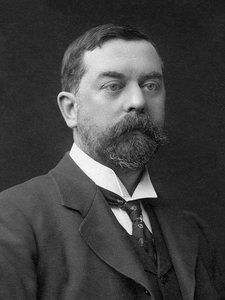
John Singer Sargent
1856 - 1925 , Italia
Informații rapide
- Artistic Movement Or Style: Impressionism
- Artists Or Movements Influenced By This Artist:
- Whistler
- Impressionism
- Artists Who Influenced This Artist:
- Carolus-Duran
- Velázquez
- Date Of Birth: 12 ianuarie 1856
- Date Of Death: 15 aprilie 1925
- Full Name: John Singer Sargent
- Nationality: American
- Notable Artworks:
- Madame X
- El Jaleo
- Carnation Lily Lily Rose
- Place Of Birth: Florența, Italia
Articole conexe

John Constable: Cele Mai Frumoase 25 de Capodopere – Artă Clasică pentru Decorul Casei Tale
Descoperă cele mai frumoase 25 de picturi ale lui John Constable, maestru al peisajului englezesc! Explorează stilul romantic, Dedham Vale și capodopere precum The Hay Wain. Reproduceri artă clasică pentru decorul casei tale – OriginalUniqueArt.com.

John Singer Sargent: Cele Mai Iconice Capodopere – Artă, Portrete și Decorațiuni de Lux
Descoperă cele mai frumoase 25 de picturi ale lui John Singer Sargent! Portrete elegante, acuarele rafinate și capodopere impresioniste. Află povestea fiecărei opere și găsește inspirație pentru decorul casei tale pe OriginalUniqueArt.com.
Mastering Light and Elegance: The Timeless Brilliance of John Singer Sargent
Discover the luminous mastery of John Singer Sargent. Explore an expert analysis of his legendary light, Gilded Age elegance, and technical brilliance, perfect for fine art enthusiasts seeking to bring timeless classical beauty into their modern collections.
John Singer Sargent: Capturing the Gilded Age with Impressionistic Brilliance
Explore the life & art of John Singer Sargent, premier portraitist of the Gilded Age. Discover his Impressionistic masterpieces, technical brilliance, and enduring legacy. Expert insights for collectors.
Capturing Elegance: The Timeless Allure of John Singer Sargent's Masterpieces
Discover the breathtaking elegance of John Singer Sargent's masterpieces. From iconic Gilded Age portraits to impressionistic landscapes, explore the technical brilliance and timeless allure of this American master through our premium, hand-painted fine art reproductions.


