
 Previzualizare
 Trimite prin felicitare
 Distribuie
 Detalii despre lucrare
 Ghid
Ghid

 Descarcă imaginea
 Produse similare
 Radiografie
 Galerie foto
 Întrebări și răspunsuri
 Statistici
Trevi Fountain

- 35.0 x 50.0 cm


 Vezi mai mult
Obțineți un fișier gata de imprimare care depășește cu mult calitatea previzualizării web. Fiecare imagine digitală pe care o vindem provine dintr-un master de înaltă rezoluție din baza noastră de date — având, de regulă, o lățime între 5.000 și 15.000 de pixeli — astfel încât să puteți printa în format mare, să decupați strâns sau să reproduceți detalii fine cu încredere.
Niciun fișier nu părăsește studioul nostru fără să fie tratat. Un expert digital verifică nuanțele de culoare în raport cu pictura originală și le corectează acolo unde este necesar, apoi îmbunătățește claritatea și detaliile folosind instrumente profesionale de retușare — rămânând întotdeauna fidel gestului pictural și stilului artistului. Rezultatul este o imagine care seamănă cu tabloul propriu-zis, nu cu o scanare filtrată.
Aprobați înainte de finalizare: expertul nostru vă va trimite imaginea prin e-mail în termen de 72 de ore pentru revizuire. Nu sunteți mulțumit? Solicitați îmbunătățiri sau corecturi, ori cereți o restituire a plății dacă calitatea nu este pe măsura așteptărilor.
Aceasta este calitatea pe care se bazează editorii, studiourile de design, galeriile și tipăriturile.
Imagine Digitală
Descărcați un fișier la rezoluție înaltă pentru afișare personală, imprimare și proiecte creative. ( Comută pe versiunea Print Comandă pictură realizată manual)
Inclus în fiecare comandă de imagini digitale
Livrare digitală de expertiză, garantată
Când alegeți OriginalUniqueArt.com, nu primiți doar o simplă imagine – primiți o operă de artă digitală îmbunătățită profesional, creată cu precizie și susținută de o garanție de satisfacție. Iată tot ceea ce primești odată cu comanda ta, în mod automat:

Livrare rapidă prin e-mail
Fișierul imaginii digitale la rezoluție înaltă vă va fi trimis prin e-mail în termen de 72 de ore de la finalizarea comenzii – gata pentru utilizare imediată.

Fișier digital optimizat prin IA
Opera ta de artă este optimizată profesional prin intermediul unor instrumente AI avansate și al editării manuale, asigurând un nivel maxim de detalii, claritate și acuratețe a culorilor.

Retransmitere gratuită pe viață
Ai șters sau ai pierdut din greșeală fișierul? Nu îți face griji – ți-l vom retrimite oricând, gratuit.

Fără taxe de import – Întotdeauna
Bucură-te instant de noua ta operă de artă, fără taxe vamale, taxe de import sau costuri de livrare – descărcările digitale sunt întotdeauna fără taxe.

Garanția acurateții culorilor
Asigurăm o reflectare cât mai fidelă a culorilor originale în imaginea ta digitală, prin utilizarea unor instrumente profesionale și a proceselor de gestionare a culorii.

Garanție de satisfacție de 100 de zile
Dacă nu sunteți mulțumit de imaginea digitală achiziționată, o vom revizui sau vă vom returna 100% în termen de 100 de zile – fără nicio întrebare.

Garanție de returnare 100% a banilor
Nu ești mulțumit? Primești rambursarea integrală în termen de 100 de zile de la primirea fișierului digital – fără nicio întrebare.

Reduceri pentru comenzi în volum
Cumpără 3 imagini, economisește 10% - Cumpără 5, economisește 15% - Cumpără 10+, economisește 20%. Ideal pentru proiecte creative, galerii și agenții.
A Vision of Roman Grandeur
In this evocative depiction of the Trevi Fountain, we are transported to the heart of Rome during a pivotal moment in the nineteenth century. The painting captures the monumental Baroque masterpiece not merely as a static architectural feat, but as a living, breathing entity. Through John Ruskin’s observant eye, the fountain emerges from its stone surroundings with a sense of profound vitality. The composition is anchored by the majestic presence of Neptune and his companions, their sculpted forms rising triumphantly above the cascading waters. As light dances across the turbulent surfaces of the pools, the viewer is invited to witness the interplay between the permanence of classical sculpture and the fleeting, rhythmic motion of the gushing torrents. This work serves as a window into an era where the grandeur of antiquity met the romantic sensibilities of the Victorian age.
The artist’s technique breathes life into the very elements of water and stone. There is a remarkable fluidity in the way the spray is rendered, creating a sense of mist and movement that seems to drift off the canvas. The inclusion of scattered birds adds a layer of spontaneous naturalism, breaking the formal rigidity of the architecture with traces of life and motion. For the discerning collector or interior designer, this piece offers a sophisticated balance of structural strength and ethereal lightness. The way the light catches the ripples in the water suggests a depth that draws the eye inward, making it an ideal focal point for a room that seeks to evoke elegance, tranquility, and a sense of historical discovery.
Historical Resonance and Emotional Depth
To understand this work is to understand the journey of its creator. Painted during a period of personal reflection and physical frailty, Ruskin’s encounter with the Trevi Fountain was marked by a complex emotional duality. While he famously harbored a preference for the intricate details of Gothic architecture over the sweeping drama of the Baroque, his sketches of Rome reveal an undeniable fascination with the power of the elements. In this painting, one can sense the artist's personal connection to the scene; he describes feeling lost among the mimicked rocks and deep pools, almost as if transported back to the familiar, rugged landscapes of his native Cumberland. This subtle infusion of personal nostalgia into a Roman landscape lends the artwork an intimate, soulful quality that transcends mere architectural documentation.
Beyond its aesthetic beauty, the painting carries a profound symbolic weight. The Trevi Fountain, with its themes of abundance and the mastery of water, represents the eternal cycle of nature and human ingenuity. The presence of Neptune, the god of the sea, serves as a reminder of the untamable forces of the world, even when harnessed within the confines of a city square. For those looking to adorn a space with art that inspires contemplation, this reproduction offers more than just decoration; it provides a narrative of resilience and beauty. It is a piece that invites the viewer to pause, to listen to the imagined roar of the water, and to find a moment of sublime peace amidst the complexities of modern life.
Întrebări și răspunsuri
Care sunt tehnica și data creației pentru "Trevi Fountain" de John Ruskin?
"Trevi Fountain" a fost realizată în 1841, în Drawing.
Ce emoție transmite "Trevi Fountain" de John Ruskin?
Tonul emoțional înregistrat pentru "Trevi Fountain" de John Ruskin este Dramatic. Acesta rezumă sentimentul exprimat de operă.
"Trevi Fountain" de John Ruskin este o operă de artă luminoasă sau întunecată?
"Trevi Fountain" are brilliant în întregime, iar luminozitatea sa este Gentle Luminance.
Biografie artist
A Polymath of Vision: The Life and Legacy of John Ruskin
John Ruskin, born in London on February 8, 1819, was far more than simply an art critic; he was a Victorian polymath whose influence permeated the realms of aesthetics, social reform, political economy, and environmentalism. His life was shaped by a fascinating duality – the pragmatic commercial world of his father, John James Ruskin, a successful sherry merchant, and the fervent evangelical piety of his mother, Margaret Cock. This contrasting upbringing instilled in him both a keen observational eye for detail and a deeply moral sensibility that would define his entire oeuvre. From an early age, Ruskin’s education was meticulously curated at home, steeped in biblical study and exposure to Romantic literature, particularly the works of Byron and Walter Scott. These formative influences laid the groundwork for a mind that would relentlessly seek connections between beauty, truth, and ethical living. His academic journey continued at Christ Church, Oxford, where he began to articulate his burgeoning ideas about art and its relationship to society.The Dawn of an Art Historian: Early Writings and Influences
Ruskin’s emergence as a significant voice in the art world began with *Modern Painters* (1843-1860), a monumental five-volume work initially conceived as a defense of J.M.W. Turner against what Ruskin perceived as unjust criticism. However, *Modern Painters* quickly evolved into something far more profound – a comprehensive treatise on the nature of art itself. He argued passionately for “truth to nature,” emphasizing that great art wasn’t merely about skillful representation but about an artist's sincere and empathetic engagement with the natural world. This concept was revolutionary at the time, challenging prevailing academic standards and paving the way for new artistic sensibilities. Ruskin didn’t just analyze technique; he delved into the spiritual and moral qualities of art, believing that true beauty reflected a virtuous soul. His meticulous descriptions of landscapes, rocks, and botanical details reveal not only his keen observational skills but also his profound reverence for nature as a manifestation of divine creation. This early work established Ruskin as a formidable critic and set the stage for his later explorations into architecture and social issues. He was deeply influenced by the Pre-Raphaelite Brotherhood, championing their commitment to detailed observation and rejection of academic conventions. They shared a belief that art should aspire to moral elevation and capture the sublime beauty of God’s creation—a conviction that would permeate Ruskin's entire artistic vision.Beyond Aesthetics: Social Commentary and The Guild of St. George
As Ruskin matured, his interests expanded beyond the purely aesthetic realm. Deeply troubled by the social injustices he witnessed during the Industrial Revolution, he began to apply his critical lens to the economic and political structures of Victorian England. *Unto This Last* (1860), a series of essays originally published in *The Cornhill Magazine*, marked a turning point in his career. In this work, Ruskin vehemently critiqued utilitarian economics and advocated for a more humane and equitable social order based on principles of fellowship and craftsmanship. He argued that the dignity of labor was essential to a flourishing society and that true wealth lay not in material possessions but in the quality of human relationships. This conviction led him to establish *Fors Clavigera* (1871-1884), a monthly series of letters addressed “To the Workmen and Labourers of Great Britain,” where he expounded his social and political ideas with characteristic fervor. From these writings emerged the Guild of St. George, founded in 1871, an organization dedicated to promoting craftsmanship, rural industries, and education among working-class communities. The Guild aimed to create a model society based on Ruskin’s ideals, fostering artistic skill, ethical labor practices, and a harmonious relationship with nature—a vision that anticipated many of the concerns that dominate contemporary thought regarding sustainability and social justice.Notable Works & Further Exploration
- Modern Painters (1843-1860): Ruskin’s foundational work, defending Turner and establishing his theories of art.
- The Stones of Venice (1851-1853): A detailed analysis of Venetian architecture, exploring its historical, social, and artistic significance.
- Unto This Last (1860): A powerful critique of Victorian economics and a call for social reform.
- Fors Clavigera (1871-1884): A series of letters addressing the working class, outlining Ruskin’s vision for a more equitable society.
- Dawn, Coniston: This watercolor masterpiece exemplifies Ruskin's masterful ability to capture the ethereal beauty of Lakeland scenery—a testament to his unwavering devotion to observing and representing nature with uncompromising honesty.
- Britannica: https://www.britannica.com/biography/John-Ruskin
- Wikipedia: https://en.wikipedia.org/wiki/John_Ruskin
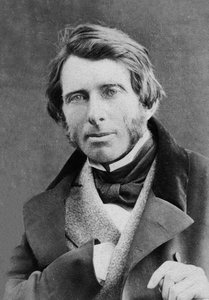
John Ruskin
1819 - 1900 , Regatul Unit al Marii Britanii și Irlandei
Detalii rapide
- Artistic Movement Or Style: Art Critic
- Artists Or Movements Influenced By This Artist: ['Pre-Raphaelites']
- Artists Who Influenced This Artist: ['J.M.W. Turner']
- Date Of Birth: Feb 8, 1819
- Date Of Death: Jan 20, 1900
- Full Name: John Ruskin
- Nationality: Britanic
- Notable Artworks:
- Dawn, Coniston
- Fors Clavigera
- Place Of Birth: Londra, UK