
 Previzualizare
 Trimite prin felicitare
 Distribuie
 Detalii despre lucrare
 Ghid
Ghid

 Descarcă imaginea
 Produse similare
 Radiografie
 Galerie foto
 Întrebări și răspunsuri
 Statistici
Welsh Black Bull

- 71.0 x 91.0 cm


 Vezi mai mult
Lucrarea de artă afișată pe această pagină este protejată de legile privind drepturile de autor, ceea ce înseamnă că nu putem crea sau vinde în mod legal o reproducere identică. Această protecție este garantată prin acorduri internaționale, precum Convenția de la Berna și de legile naționale, inclusiv cele prevăzute de Legea dreptului de autor din S.U.A. – Titlul 17. Toate drepturile rezervate. Orice reproducere neautorizată este interzisă.
Această metodă respectă pe deplin reglementările privind drepturile de autor, deoarece nu implică copierea sau duplicarea operei protejate. În schimb, este o reinterpretare creativă – o pictură nouă, influențată de original, dar care nu este identică cu acesta.
Giclée / Imprimare artistică
Printuri giclée sau pe canvas de calitate muzeală, cu proces de producție rapid și opțiuni flexibile de finisare. ( Comandă pictură realizată manual Comută pe Imagine Digitală)




P118B lei10

P118H lei10

P118W lei10

P438Z lei10

P508JH lei12

P508YH lei12

P805H lei10

P805Z lei10

P919BZ lei10

P919G lei10

P919XJ lei10

P959ZH lei10

P968JZ lei12

W106C lei8

W218G lei10

W218JH lei8

W218Y lei10

W307PJ lei10

W316G lei10

W316PJ lei8

W316Y lei10

W398PJ lei8

W4111J lei10

W500HY lei15

W500JH lei15

W692G lei12

W849H lei8

W940BG lei15

W953PJ lei8




Alegeți dintre dimensiunile noastre prestabilite, care respectă proporțiile originale ale operei de artă.

Introduceți lățimea și înălțimea necesare pentru a se potrivi ramei sau peretelui dumneavoastră. O printare poate fi doar tăiată, niciodată extinsă dincolo de dimensiunea imaginii originale, astfel încât o dimensiune cu o formă diferită va pierde o parte din imagine. Vă trimitem o simulare digitală pentru aprobare înainte de a imprima orice. Imaginea afișată pe această pagină nu prezintă tăierea reală — doar simularea arată acest lucru.
Livrare în întreaga lume () în 2 săptămâni, în loc de cele 4/5 săptămâni standard. (5 Noiembrie)

Livrare expres gratuită la nivel mondial

Pânză de in de înaltă calitate

Asigurare completă pentru transport

Garanție de rambursare a taxelor vamale

Garanția fidelității culorilor

Politica de retur în 100 de zile (doar pentru defecte de fabricație)

Garanție de rambursare 100%

Ofertă pentru comenzi multiple
 Opțiunea cu sticlă este disponibilă doar pentru dimensiuni de sub 110 cm

Welsh Black Bull
Giclée / Imprimare artistică
Dimensiune reproducere
-


Preț total calculat
lei 385
A Soul Forged in Stone and Sky
In the evocative masterpiece “Welsh Black Bull,” Sir John Kyffin Williams invites us into a realm where the landscape is not merely a setting, but a living, breathing protagonist. Created during the twilight of his prolific career, this work serves as a profound testament to the artist’s lifelong devotion to the rugged spirit of Wales. The painting presents a solitary Welsh Black Bull, standing with an unwavering gaze amidst a windswept expanse of grass. Beneath a brooding, heavy sky, the bull emerges not just as livestock, but as a symbol of ancestral resilience. There is a quiet defiance in its posture—a strength that mirrors the very terrain it inhabits—capturing a sense of endurance that has defined the Welsh identity for generations.
The emotional resonance of the piece lies in its stark, almost monochromatic intensity. By utilizing a limited palette of deep blacks, brilliant whites, and varying shades of somber grey, Williams strips away the distractions of vibrant color to reveal the raw, skeletal beauty of the natural world. This tonal restraint evokes a sense of profound solitude and a touch of melancholy, making the artwork an ideal centerpiece for those seeking to introduce a sense of contemplative drama into a sophisticated interior. For the collector, the painting offers more than visual appeal; it offers a window into a landscape shaped by wind, rain, and time.
The Tactile Poetry of Impasto
To behold “Welsh Black Bull” is to experience the physical weight of paint itself. Williams was a master of expressive realism, a style that eschews polished perfection in favor of a visceral, tactile truth. His signature technique—the heavy application of oil paint via a palette knife—creates a thick impasto surface that transforms the canvas into a sculptural relief. Each stroke is visible, contributing to a textured topography that mimics the craggy rocks and undulating grasses of the Welsh countryside. This deliberate layering does more than just represent texture; it creates a dynamic interplay of light and shadow across the painting’s surface.
This rugged technique serves a vital narrative purpose. The thick, agitated brushwork captures the movement of the wind and the heavy atmosphere of a storm brewing on the horizon. As light hits the raised ridges of paint, the artwork gains a sense of luminosity and depth that shifts depending on the viewer's perspective. For interior designers, this quality makes the piece exceptionally versatile; it possesses a commanding presence in a minimalist gallery-style room, yet its organic textures provide a grounding, earthy warmth to more traditional or rustic settings. It is a work that demands to be felt as much as seen, offering a sensory experience that elevates any curated space.
A Legacy of Cultural Devotion
Understanding the depth of this work requires a glimpse into the heart of the artist himself. Born in Llangefni, Anglesey, Kyffin Williams lived a life defined by a complex relationship with his heritage. Despite early societal pressures to distance himself from Welsh traditions, his art became the ultimate vessel for celebrating them. “Welsh Black Bull” is an extension of this cultural custodianship. The bull, much like the artist’s connection to his homeland, stands firm against the elements, rooted deeply in the earth.
Owning a high-quality reproduction of such a significant work allows one to bring a piece of British art history into the home. It is an opportunity to possess a fragment of a legacy that celebrates strength, identity, and the sublime beauty of the wild. Whether placed in a private study, a grand living area, or a professional design project, this painting serves as a powerful conversation piece—a tribute to the enduring spirit of the land and the masterful hand of one of Wales' greatest visionaries.
Întrebări și răspunsuri
Ce stare și ce emoție transmite "Welsh Black Bull" de John Kyffin Williams?
În "Welsh Black Bull", o atmosferă Calm însoțește o emoție Melancholic.
Care sunt drepturile de reproducere pentru "Welsh Black Bull" la Llyfrgell Genedlaethol Cymru / The National Library of Wales?
"Welsh Black Bull" de John Kyffin Williams, păstrat la Llyfrgell Genedlaethol Cymru / The National Library of Wales, este încă protejată de drepturile de autor. Acest statut determină dacă pot fi realizate reproduceri ale imaginii.
"Welsh Black Bull" de John Kyffin Williams este o operă de artă luminoasă sau întunecată?
Luminozitatea percepută a operei "Welsh Black Bull" de John Kyffin Williams este balanced. Aceasta poate fi adaptată la lumina spațiului în care va fi expusă.
Biografie artist
A Defining Voice of Welsh Landscape
Sir John “Kyffin” Williams, a name inextricably linked to the very essence of Wales, stands as one of the most significant figures in 20th-century British art. More than just a painter, he was a cultural chronicler, an interpreter of the rugged beauty and profound emotional depth of his homeland—a storyteller who translated its landscapes onto canvas with unparalleled skill and sensitivity. Born in Llangefni, on the Isle of Anglesey, in 1918, Williams’s life journey mirrored the textured complexity of the Welsh terrain itself: a blend of quiet resilience, unexpected challenges, and an unwavering dedication to capturing the spirit of his birthplace. His connection to Wales wasn't merely geographical; it was deeply ingrained within his being—a heritage nurtured by family history and shaped by early experiences that would ultimately fuel his artistic vision.Early Life and Unexpected Challenges
Williams’s path to becoming Wales’s foremost artist wasn’t paved with ease or certainty. Educated initially at Moreton Hall School near Chirk and later at Shrewsbury, a period marked by feelings of isolation and dissatisfaction, his life took an unexpected turn following a bout of polio encephalitis in 1924. This illness left him with epilepsy, a condition that would profoundly impact his life and, paradoxically, become a catalyst for artistic exploration. Doctors advised him to pursue art as a form of therapy—a suggestion that proved transformative. It was during this period that he encountered the works of Piero della Francesca, an encounter that ignited within him a lifelong passion for capturing light, atmosphere, and emotion on canvas. A brief but formative stint in the 6th Battalion Royal Welch Fusiliers was cut short due to his medical condition, yet it wasn’t a detour; rather, it provided a temporary respite before he enrolled at London's Slade School of Fine Art during its wartime relocation to Oxford. At the Slade, under the guidance of influential figures like Randolph Schwabe and Allan Gwynne-Jones, Williams honed his technical skills and developed his distinctive style—a style characterized by bold brushstrokes, rich colors, and a masterful use of impasto. He won the prestigious Slade Portrait Prize in 1944, a remarkable achievement that established him as a promising young artist. The war years brought further challenges, including the loss of friends and colleagues, but also deepened his commitment to art as a means of understanding and expressing the human condition.Teaching, Travel, and Artistic Evolution
Following his time at the Slade, Williams dedicated many years to teaching art at Highgate School in London from 1944 until 1973—a role that not only sustained him financially but also allowed him to nurture the artistic talents of countless young students. However, it was a Winston Churchill Fellowship awarded in 1968 that dramatically shifted the trajectory of his artistic life. This opportunity enabled him to travel to Y Wladfa, the Welsh settlement in Patagonia—a remote and windswept region in Argentina—an experience that profoundly shaped his palette, subject matter, and overall artistic vision. The vast, dramatic landscapes of Patagonia, so strikingly different yet echoing the spirit of Wales, infused his work with a new sense of scale, light, and emotional intensity. He meticulously documented this journey through paintings, sketches, and a compellingly anecdotal book titled “Across the Straits.”Technique, Themes, and Recognition
Kyffin Williams’s artistic technique was instantly recognizable—a bold departure from traditional landscape painting. He employed thick oil paint applied with a palette knife, creating textured surfaces that seemed to shimmer with light and movement. This wasn't merely a stylistic choice; it was a deliberate attempt to capture the ruggedness of the Welsh mountains, the weight of its history, and the emotional resonance of its landscapes. His subjects ranged from intimate portraits of rural life to sweeping vistas of Snowdonia National Park, capturing both the grandeur and the quiet beauty of Wales. He also explored the evocative atmosphere of Venice, Italy, translating the city’s light, color, and architectural details onto canvas with remarkable sensitivity. Throughout his career, Williams received numerous accolades—an OBE in 1982 and a KBE in 1999 for his contributions to the arts in Wales—testaments to his enduring influence and artistic merit.A Lasting Legacy
Sir John Kyffin Williams’s legacy extends far beyond the canvases he created. He was a cultural ambassador, a chronicler of Welsh identity, and an inspiration to generations of artists. His paintings continue to resonate with viewers today, evoking a sense of place, history, and emotional depth—a testament to his extraordinary talent and unwavering dedication to capturing the soul of Wales. The Oriel Ynys Môn on Anglesey houses a permanent exhibition dedicated to his work, ensuring that his artistic vision will be cherished and celebrated for years to come. Kyffin Williams wasn’t simply a painter; he was a poet of the landscape—a master who transformed the beauty of Wales into enduring works of art.
John Kyffin Williams
1918 - 2006 , Marea Britanie
Detalii rapide
- Artistic Movement Or Style: Pictură de peisaj
- Artists Or Movements Influenced By This Artist: ['Artă modernă']
- Artists Who Influenced This Artist: ['Piero della Francesca']
- Date Of Birth: 1918
- Date Of Death: 2006
- Full Name: John Kyffin Williams
- Nationality: Welsh
- Notable Artworks:
- Storm Approaching
- View from Pwllfanogl
- Place Of Birth: Llangefni, UK
Articole similare

Beyond the Horizon: 10 Masterpieces That Redefine Landscape Art
Journey through history with 10 iconic landscape paintings that capture the soul of nature. From Impressionist light to dramatic vistas, explore the stories behind these timeless masterpieces and find museum-quality reproductions for your decor. Discover all masterpieces on OriginalUniqueArt.com.
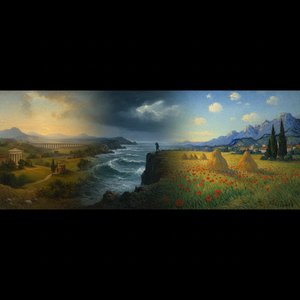
10 Breathtaking Masterpieces That Redefine the Landscape Genre
Journey through history with 10 iconic landscape paintings that capture the soul of nature. From Impressionist light to dramatic vistas, explore the stories behind these timeless masterpieces and find museum-quality reproductions for your decor. Discover all masterpieces on OriginalUniqueArt.com

10 Breathtaking Masterpieces That Redefine the Landscape Genre
Journey through history with 10 iconic landscape paintings that capture the soul of nature. From Impressionist light to Romantic vistas, explore the stories behind these timeless masterpieces and find museum-quality art reproductions for your home. Discover all masterpieces on OriginalUniqueArt.com

Beyond the Horizon: 10 Masterpieces That Redefine Landscape Art
Journey through history with 10 iconic landscape paintings that capture the soul of nature. From Impressionist light to Romantic vistas, explore the stories behind these timeless masterpieces and find museum-quality reproductions for your decor. Discover all masterpieces on OriginalUniqueArt.com
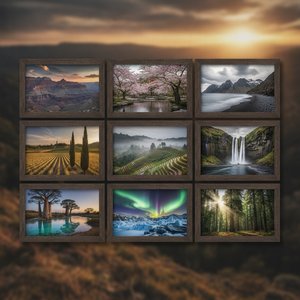
10 Masterpiece Landscape Paintings That Will Transform Your Perspective
Journey through history with 10 iconic landscape paintings. From Impressionist light to Romantic vistas, explore the stories behind these timeless masterpieces. Find museum-quality art reproductions and decor inspiration. Discover all masterpieces on OriginalUniqueArt.com.


