
 Previzualizare
 Trimite
 Distribuie
 Detalii despre lucrare

 Descarcă
 Produse similare
 Radiografie
 Diapozitive automate
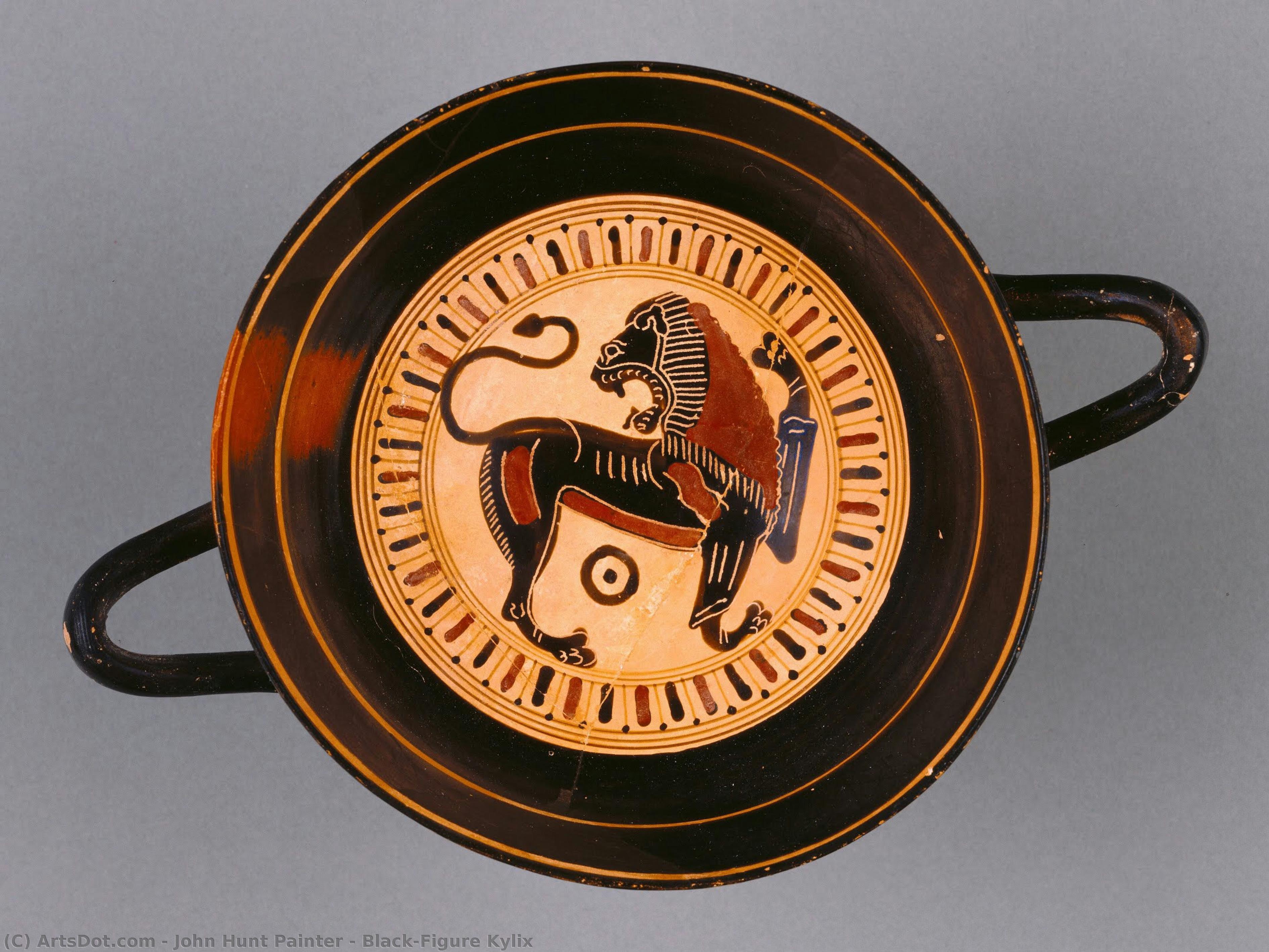
Black-Figure Kylix
 Acrylic On Canvas
- WallArt
- Black-Figure Antiquities
 8.0 x 17.0 cm
 Muzeul J. Paul Getty
 Vezi mai mult
Reproducere pictată manual în ulei
Pictură în ulei pe pânză, realizată manual de artiștii noștri la dimensiunea și ramele dorite de dumneavoastră, pe comandă. ( Comandă printul Cumpără imaginea)




P118B $10

P118H $10

P118W $10

P438Z $10

P508JH $12

P508YH $12

P805H $10

P805Z $10

P919BZ $10

P919G $10

P919XJ $10

P959ZH $10

P968JZ $12

W106C $8

W218G $10

W218JH $8

W218Y $10

W307PJ $10

W316G $10

W316PJ $8

W316Y $10

W398PJ $8

W4111J $10

W500HY $15

W500JH $15

W692G $12

W849H $8

W940BG $15

W953PJ $8




Alegeți dintre dimensiunile noastre prestabilite, care respectă proporțiile originale ale operei de artă.

Puteți introduce propriile dimensiuni pentru a se potrivi unui anumit cadru sau spațiu. Dacă dimensiunea selectată nu corespunde proporțiilor imaginii originale, vom decupa opera de artă sau vom extinde pictura cu elemente suplimentare pictate manual. O simulare digitală vă va fi trimisă pentru aprobare înainte de începerea producției.
Vă rugăm să rețineți că previzualizarea de pe ecran nu reflectă decuparea sau extinderea reală. Doar macheta va arăta cu exactitate compoziția finală.
Deși sunt disponibile dimensiuni personalizate, vă recomandăm să selectați o dimensiune din lista predefinită pentru a păstra proporțiile originale.
După plasarea comenzii, echipa OriginalUniqueArt.com va contacta clientul prin e-mail pentru instrucțiuni și îi va furniza o previzualizare a machetei
Livrare în întreaga lume () în 3-4 săptămâni, în loc de cele 5 săptămâni standard. (14 August). Fără compromisuri în ceea ce privește calitatea.

Livrare expres gratuită la nivel mondial

Pânză de in de înaltă calitate

Asigurare completă pentru transport

Garanție de rambursare a taxelor vamale

Garanția fidelității culorilor

Politica de retur în 60 de zile (doar pentru defecte)

Garanție de rambursare 100%

Ofertă pentru comenzi multiple
 Opțiunea cu sticlă este disponibilă doar pentru dimensiuni de sub 110 cm

Black-Figure Kylix
Tehnică de reproducere
Dimensiune reproducere
-


Preț total calculat
$ 300
Descriere operă de artă
A Lion's Roar in Monochrome: Examining John Hunt Painter’s Lakonian Black-Figure Kylix
The Lakonian Black-Figure Kylix attributed to John Hunt Painter stands as a remarkable testament to both artistic skill and the turbulent spirit of mid-19th century America. More than just a decorative object, this vessel embodies a complex interplay of influences—the Quaker faith of its creator, his unwavering commitment to abolitionism, and a burgeoning fascination with classical art forms—resulting in an image that continues to resonate with viewers today.- Subject Matter & Composition: The kylix depicts a powerful lion, rendered in meticulous black-figure technique against a creamy white background. This deliberate contrast highlights the animal’s musculature and regal posture, conveying strength and dominance—themes frequently explored within Greek iconography. Careful observation reveals subtle variations in pose and expression, suggesting dynamism despite the static medium.
- Technique & Style: Hunt Painter's mastery lies in his execution of black-figure painting. This technique involves applying pigment to a surface covered with slip (a thin layer of clay), creating an incised design that is then filled in with black pigment. The resulting image possesses remarkable detail and tonal subtlety, achieved through painstaking layering and blending—skills honed during his formative years studying under Arthur John Black.
Historical Context: Echoes of Abolitionist Ideals
Painted circa 1888, the kylix emerged from a period marked by intense debate over slavery in the United States. Hunt Painter’s involvement in supporting John Brown's raid on Harpers Ferry underscores his dedication to challenging the institution—a stance deeply rooted in Quaker principles of pacifism and equality. The kylix serves as a visual reminder of this era’s moral urgency, reflecting the anxieties surrounding social justice and the desire for reform.
Symbolic Resonance: Lions and Majesty
The lion motif carries significant symbolic weight within Greek art and mythology. Often associated with courage, nobility, and divine power—particularly Apollo—the animal embodies virtues prized by the Enlightenment thinkers who championed Hunt Painter’s artistic vision. Its prominent position on the kylix reinforces these ideas, elevating it beyond mere ornamentation to a statement of moral conviction.
Emotional Impact: A Quiet Assertion
Despite its bold subject matter and meticulous craftsmanship, the Lakonian Black-Figure Kylix possesses an understated beauty that captivates the eye. The monochrome palette—primarily black and white—creates a sense of solemn contemplation, inviting viewers to consider themes of power, resilience, and ethical responsibility. It’s a piece that speaks volumes without uttering a word, embodying the enduring legacy of Hunt Painter's artistic endeavors.
Further Exploration: The Getty Museum Collection
A stunning example of Lakonian Black-Figure Kylix artistry can be found at The Getty Museum. Examining this piece alongside others from the same period offers invaluable insight into the artistic landscape of late Victorian America and the profound influence of classical ideals.
Biografie artist
a life of contrasts: farmer, abolitionist, hotelier, and pallbearer
john hunt painter, also known simply as hunt painter, was an american enigma, embodying the complexities of his era. born in 1819 in springdale, iowa, and passing away in 1891 in pasadena, california, his life traversed multiple roles: farmer, abolitionist, hotelier, and pallbearer.early life and abolitionist activities
- **the abolitionist**: hunt painter is most notably recognized for supplying firearms to john brown, which were pivotal in the historic harpers ferry raid of 1859. this act, a testament to his commitment to ending slavery, showcases his involvement in the abolitionist movement. - **early settler and quaker**: as an early settler of pasadena, california, hunt painter erected the la pintoresca hotel in 1888, reflecting his entrepreneurial spirit. his quaker upbringing influenced his moral stance on issues like slavery.artistic legacy and museum collections
- **the art world**: though not a painter himself, hunt painter's support for john brown and his role in the abolitionist movement places him within the broader context of american art history, particularly in relation to themes of freedom and social justice. - **museum collections**: while there isn't a direct body of artwork attributed to hunt painter, his legacy is intertwined with the OriginalUniqueArt collection, which features numerous pieces reflecting the era's societal upheavals. for instance, john sartain's "william still", an engraving from the national portrait gallery in washington, d.c., echoes the period's focus on abolition and social justice.legacy and remembrance
- **pallbearer at pasadena**: hunt painter's role as a pallbearer at owen brown's funeral in pasadena, whom he knew from iowa, underscores his commitment to community and the bonds of friendship. - **the la pintoresca hotel**: this hotel, erected by hunt painter in 1888, stands as a tangible legacy of his entrepreneurial spirit and contribution to early pasadena.- for more on john hunt painter's era and its influence on art, explore wahoo art timeline.
- discover the evolution of western art through the centuries at OriginalUniqueArt's virtual museum.
- learn about other artists and their contributions to the world of art at artist biographies on OriginalUniqueArt.

john hunt painter
1819 - 1891 , United States of America
Detalii rapide
- Artistic Movement Or Style: Realism
- Artists Or Movements Influenced By This Artist:
- Impressionism
- Cubism
- Artists Who Influenced This Artist:
- Velázquez
- Ribera
- Date Of Birth: June 10, 1819
- Date Of Death: December 31, 1877
- Full Name: Jean Désiré Gustave Courbet
- Nationality: French
- Notable Artworks:
- A Burial at Ornans
- The Stone Breakers
- Olympia
- Place Of Birth: Ornans, France
Articole similare

John Constable: Cele Mai Frumoase 25 de Capodopere – Artă Clasică pentru Decorul Casei Tale
Descoperă cele mai frumoase 25 de picturi ale lui John Constable, maestru al peisajului englezesc! Explorează stilul romantic, Dedham Vale și capodopere precum The Hay Wain. Reproduceri artă clasică pentru decorul casei tale – OriginalUniqueArt.com.

John Singer Sargent: Cele Mai Iconice Capodopere – Artă, Portrete și Decorațiuni de Lux
Descoperă cele mai frumoase 25 de picturi ale lui John Singer Sargent! Portrete elegante, acuarele rafinate și capodopere impresioniste. Află povestea fiecărei opere și găsește inspirație pentru decorul casei tale pe OriginalUniqueArt.com.

Top 10 Tablouri Celebre Dominante de Negru: Artă, Istorie și Decor Rafinat
Descoperă Top 10 tablouri celebre dominate de negru! Explorează istoria, simbolismul și tehnicile artistice ale unor opere iconice de Rembrandt, Goya și alți maeștri. Reproduceri de artă de calitate muzeală pe OriginalUniqueArt.com – inspiră-ți decorul!
Sr. John E. Ferneley: Equestrian Portraiture & England's Social Fabric
Explore the captivating world of Sr. John E. Ferneley, a master of British sporting art. Discover his exquisite equestrian paintings & insights into 19th-century society. Invest in timeless masterpieces with OriginalUniqueArt.
Top 10 Capodopere Picturale Dominante de Tonuri 'Mars Black' | Artă & Decor
Descoperă top 10 picturi celebre dominate de tonuri 'Mars Black', de la Rembrandt la Picasso. Explorează istoria, tehnicile și emoțiile din spatele acestor capodopere artistice. Reproduceri tablouri de calitate muzeală pe OriginalUniqueArt.com!

