

 Previzualizare
 Trimite prin felicitare
 Distribuie
 Detalii despre lucrare
 Ghid
Ghid

 Descarcă imaginea
 Produse similare
 Radiografie
 Galerie foto
 Statistici
Mrs. Richard Brinsley Sheridan (Hester Jane Ogle, 1775/76–1817) and Her Son (Charles Brinsley Sheridan, 1796–1843)
 Acrylic On Canvas
- WallArt
- Neoclassical Romanticism
 238.0 x 150.0 cm
 Muzeul Metropolitan de Artă
 Vezi mai mult
Giclée / Imprimare artistică
Printuri giclée sau pe canvas de calitate muzeală, cu proces de producție rapid și opțiuni flexibile de finisare. ( Comandă pictură realizată manual Comută pe Imagine Digitală)




P118B lei10

P118H lei10

P118W lei10

P438Z lei10

P508JH lei12

P508YH lei12

P805H lei10

P805Z lei10

P919BZ lei10

P919G lei10

P919XJ lei10

P959ZH lei10

P968JZ lei12

W106C lei8

W218G lei10

W218JH lei8

W218Y lei10

W307PJ lei10

W316G lei10

W316PJ lei8

W316Y lei10

W398PJ lei8

W4111J lei10

W500HY lei15

W500JH lei15

W692G lei12

W849H lei8

W940BG lei15

W953PJ lei8




Alegeți dintre dimensiunile noastre prestabilite, care respectă proporțiile originale ale operei de artă.

Introduceți lățimea și înălțimea necesare pentru a se potrivi ramei sau peretelui dumneavoastră. O printare poate fi doar tăiată, niciodată extinsă dincolo de dimensiunea imaginii originale, astfel încât o dimensiune cu o formă diferită va pierde o parte din imagine. Vă trimitem o simulare digitală pentru aprobare înainte de a imprima orice. Imaginea afișată pe această pagină nu prezintă tăierea reală — doar simularea arată acest lucru.
Livrare în întreaga lume () în 2 săptămâni, în loc de cele 4/5 săptămâni standard. (27 Octombrie)

Livrare expres gratuită la nivel mondial

Pânză de in de înaltă calitate

Asigurare completă pentru transport

Garanție de rambursare a taxelor vamale

Garanția fidelității culorilor

Politica de retur în 100 de zile (doar pentru defecte de fabricație)

Garanție de rambursare 100%

Ofertă pentru comenzi multiple
 Opțiunea cu sticlă este disponibilă doar pentru dimensiuni de sub 110 cm

Mrs. Richard Brinsley Sheridan (Hester Jane Ogle, 1775/76–1817) and Her Son (Charles Brinsley Sheridan, 1796–1843)
Giclée / Imprimare artistică
Dimensiune reproducere
-


Preț total calculat
lei 370
A Stage Within a Scene: John Hoppner’s ‘Mrs. Richard Brinsley Sheridan’
John Hoppner's 1797 painting, “Mrs. Richard Brinsley Sheridan (Hester Jane Ogle, 1775/76–1817) and Her Son (Charles Brinsley Sheridan, 1796–1843),” is more than a simple portrait; it’s a carefully constructed theatrical tableau that speaks volumes about the social conventions and artistic trends of late 18th-century London. The work, now housed at the Metropolitan Museum of Art, immediately draws the eye with its vibrant palette – a rich tapestry of ochres, yellows, and reds – yet it's the subtle complexities within the composition that truly captivate. Hoppner masterfully blends elements of Rococo elegance with a deliberate nod to the burgeoning Romantic movement, creating an image brimming with both charm and understated drama.
At first glance, the scene depicts Hester Sheridan, elegantly dressed in a flowing yellow gown, cradling her young son, Charles, on her shoulder. She’s positioned against a rustic brick wall, seemingly engaged in a humble labor – feeding a small animal, perhaps a lamb or goat. However, this is precisely where the painting's theatricality shines through. Hester isn’t merely a mother; she embodies a carefully crafted role-play, referencing the popular practice of “country walks” and rural performances that were immensely fashionable among London’s elite. These elaborate recreations offered an escape from the city’s constraints, allowing participants to temporarily inhabit roles of rustic simplicity – a deliberate act of social commentary and playful rebellion.
Theatricality and Social Commentary
Hoppner's skill lies in his ability to imbue this staged scene with genuine emotion. Hester’s pose is deliberately theatrical, her gaze directed outwards as if addressing an unseen audience. Her hand gestures are graceful yet purposeful, suggesting a practiced performance. The inclusion of the handbags – three distinct pouches scattered around the composition – adds another layer of intrigue. They aren't merely decorative; they hint at the social rituals and material possessions associated with this theatrical persona. The placement of these objects subtly underscores the artificiality of the scene while simultaneously acknowledging its appeal.
The historical context is crucial to understanding the painting’s significance. Richard Brinsley Sheridan was a prominent figure in British politics and theatre, known for his witty plays and passionate advocacy for reform. Hester, as his wife, navigated the complexities of high society with grace and intelligence. Hoppner's portrait captures this duality – her position as both a fashionable lady and a participant in a carefully constructed performance. The painting reflects the broader social trends of the time, where art was increasingly used to explore themes of identity, class, and the relationship between public and private life.
Technique and Artistic Style
Hoppner’s technique is characterized by his masterful use of color and light. He employs a loose, painterly style reminiscent of Reynolds, but with a greater emphasis on capturing fleeting moments of emotion. The brushstrokes are visible, creating a sense of immediacy and vitality. The lighting is particularly effective, bathing the scene in a warm, golden glow that highlights Hester’s features and creates a sense of intimacy. Hoppner's ability to render fabrics – the flowing gown, the rough texture of the brick wall – demonstrates his meticulous attention to detail and his deep understanding of artistic representation.
Symbolism and Emotional Resonance
Beyond its surface details, “Mrs. Richard Brinsley Sheridan” is rich in symbolism. The act of nurturing her son represents Hester’s role as a mother and protector, while the rustic setting suggests a connection to nature and a rejection of urban materialism. The painting's overall mood is one of gentle melancholy – a poignant reminder of the fleeting nature of beauty and the complexities of human relationships. It invites viewers to contemplate the performance of identity, the allure of social roles, and the enduring power of art to capture both the joys and sorrows of life.
This captivating portrait offers a glimpse into a bygone era, showcasing Hoppner’s artistic brilliance and his keen understanding of the social dynamics of 18th-century London. A reproduction of this work would undoubtedly bring a touch of elegance and historical intrigue to any interior space, serving as a conversation piece that celebrates both artistry and human experience.
Întrebări și răspunsuri
Unde pot găsi statistici despre "Mrs. Richard Brinsley Sheridan (Hester Jane Ogle, 1775/76–1817) and Her Son (Charles Brinsley Sheridan, 1796–1843)" de John Hoppner?
Statistici despre "Mrs. Richard Brinsley Sheridan (Hester Jane Ogle, 1775/76–1817) and Her Son (Charles Brinsley Sheridan, 1796–1843)" de John Hoppner se regăsesc pe pagina Statistici a operei de artă: vizitele lunare ale acesteia, vizitele lucrărilor artistului și distribuția pe țări și limbi pentru vizitatorii recenti.
Ce punct comun are "Mrs. Richard Brinsley Sheridan (Hester Jane Ogle, 1775/76–1817) and Her Son (Charles Brinsley Sheridan, 1796–1843)" cu restul creației lui John Hoppner?
„Mrs. Richard Brinsley Sheridan (Hester Jane Ogle, 1775/76–1817) and Her Son (Charles Brinsley Sheridan, 1796–1843)” împarte cu celelalte opere ale lui John Hoppner stilul Neoclassical Romanticism și temele recurente: romantic theatricality, social satire, victorian ideals, domestic life, roleplay, aristocratic performance, royal patronage, public display.
Care este orientarea lucrării "Mrs. Richard Brinsley Sheridan (Hester Jane Ogle, 1775/76–1817) and Her Son (Charles Brinsley Sheridan, 1796–1843)" de John Hoppner?
"Mrs. Richard Brinsley Sheridan (Hester Jane Ogle, 1775/76–1817) and Her Son (Charles Brinsley Sheridan, 1796–1843)" de John Hoppner are un format Portrait. Formatul descrie proporțiile compoziției.
Biografie artist
a life of artistry and royal patronage
John Hoppner, a celebrated english portrait painter, left an indelible mark on the art world with his vibrant colour palette. born in whitechapel, london, in 1758 to german immigrant parents who worked at the court of george ii., hoppner's life was marked by royal patronage and artistic brilliance.early life and training
At a young age, hoppner became a chorister at the royal chapel, st james’s, but his inclination towards art led him to enter the royal academy in 1775. In 1778, he received a silver medal for drawing from life, demonstrating exceptional talent and dedication to observation—a cornerstone of reynolds's approach. Furthermore, his formal training instilled within him a profound understanding of composition and technique, shaping his artistic vision for years to come.rise to fame and notable works
Hoppner’s portraits of women and children were deemed his most successful works by competent judges. His distinctive touch—characterized by breadth and freedom—gave his paintings a subtle echo of reynolds's masterful handling of light and colour, establishing him as one of the foremost artists of his time. Among his masterpieces are: mrs jordan as viola in ‘twelfth night’, now at english heritage (london, united kingdom), showcasing his unparalleled skill in capturing emotion and nuance; and portraits of the prince of wales, the duke and duchess of york, lord rodney, and lord nelson—images that graced the state apartments at st james’s palace and solidified hoppner's position within london society.influences and artistic style
Hoppner was deeply influenced by joshua reynolds, whose emphasis on tonal gradation and psychological realism served as a guiding principle for hoppner’s own work. Like reynolds, he prioritized capturing the essence of his subjects—their inner life alongside their outward appearance—resulting in portraits that are both aesthetically striking and emotionally resonant. His palette was particularly notable for its boldness and luminosity, reflecting a desire to convey vibrancy and immediacy.legacy and historical significance
John hoppner’s life was tragically cut short by chronic liver disease on january 23, 1810. Despite his untimely demise, hoppner's legacy endures through his captivating portraits—works that continue to inspire admiration for their beauty and psychological depth. He remains a pivotal figure in british art history, representing the apex of neoclassical portraiture and embodying the ideals of aristocratic patronage during george iii.’s reign. Explore more of john hoppner’s works at https://OriginalUniqueArt.com/@/johnhoppner. Discover the broader context of british art at https://en.wikipedia.org/wiki/art_of-the-united-kingdom. Further reading and exploration for a deeper dive into the world of british art, consider the following: Sir edwin landseer lutyens, an english architect known for his imaginative adaptations.
John Hoppner
1758 - 1810 , Regatul Unit
Detalii rapide
- Artistic Movement Or Style: Pictură portretistica
- Artists Or Movements Influenced By This Artist: ['Reynolds']
- Artists Who Influenced This Artist: ['Joshua Reynolds']
- Date Of Birth: 4 april 1758
- Date Of Death: 23 ianuarie 1810
- Full Name: John Hoppner
- Nationality: Angliez
- Notable Artworks:
- Mrs. Jordan ca Viola în Twelfth Night
- Prințul Wales
- Ducesa York
- Lord Rodney
- Lord Nelson
- Place Of Birth: Londra, Anglia
Articole similare
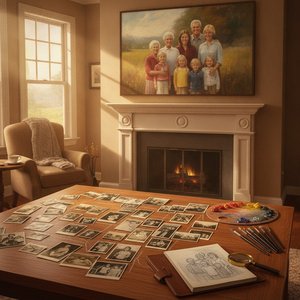
From Scattered Memories to Timeless Legacy: The Art of Creating Your Custom Family Masterpiece with OriginalUniqueArt
Turn scattered family photos into a breathtaking hand-painted oil masterpiece. OriginalUniqueArt specializes in merging multiple images into one cohesive, museum-quality heirloom. Experience professional artistry, digital mockups, and a 100% satisfaction guarantee for your family's legacy.

Ecoul Ancestralității: Portrete de Familie de-a Lungul Istoriei
Descoperiți istoria și simbolismul portretelor de familie. Comandați un portret personalizat realizat de artiști talentați sau aflați cum să restaurați amintiri prețioase. Expertiză, calitate și moștenire artistică.

The Enduring Legacy of Family Portraiture: A Historical & Artistic Exploration
Explore the rich history of family portraiture with OriginalUniqueArt. Discover artistic styles, symbolism & collecting insights. Commission a custom oil painting or appraise your existing artwork today!

Evoluția Portretelor Familiale: Arta Personalizată ca Cronica Vieții de Familie de-a Lungul Generațiilor
Descoperă evoluția portretelor familiale și rolul lor în conservarea moștenirii! Comandă un portret personalizat realizat de artiști talentați. Expertiză, calitate și o legătură emoțională durabilă cu trecutul tău.
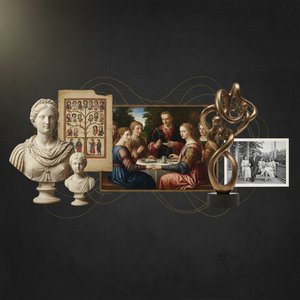
The Enduring Portrait of Kinship: Family Representations Across Art History
Explore the rich history of family portraiture through art! Discover masterpieces from across centuries & learn how artists captured kinship, intimacy, and societal values. Expert insights for collectors & enthusiasts.

