

 Vezi în context
 Trimite
 Distribuie
 Detalii
 Ghidul

 Descarcă
 Produse similare
 Radiografie
 Diaporama
 Statistici
The Introduction

 Citește mai mult
Giclée / Imprimare artistică
Printuri giclée sau pe canvas de calitate muzeală, cu proces de producție rapid și opțiuni flexibile de finisare. ( Comandă pictură realizată manual Treci la imagine digitală)




P118B lei10

P118H lei10

P118W lei10

P438Z lei10

P508JH lei12

P508YH lei12

P805H lei10

P805Z lei10

P919BZ lei10

P919G lei10

P919XJ lei10

P959ZH lei10

P968JZ lei12

W106C lei8

W218G lei10

W218JH lei8

W218Y lei10

W307PJ lei10

W316G lei10

W316PJ lei8

W316Y lei10

W398PJ lei8

W4111J lei10

W500HY lei15

W500JH lei15

W692G lei12

W849H lei8

W940BG lei15

W953PJ lei8




Alegeți dintre dimensiunile noastre prestabilite, care respectă proporțiile originale ale operei de artă.

Introduceți lățimea și înălțimea de care aveți nevoie, pentru a se potrivi ramei sau peretelui dumneavoastră. O printare poate fi doar tăiată, niciodată extinsă dincolo de dimensiunea imaginii originale, astfel încât o dimensiune cu o formă diferită va pierde o parte din imagine. Vă trimitem o simulare digitală pentru aprobare înainte de a imprima orice. Imaginea afișată pe această pagină nu prezintă tăierea reală — doar simularea arată acest lucru.
Livrare în întreaga lume () în 2 săptămâni, în loc de cele 4/5 săptămâni standard. (22 Octombrie)

Livrare expres gratuită la nivel mondial

Pânză de in premium

Asigurare completă pentru transport

Garanție de rambursare a taxelor vamale

Garanția fidelității culorilor

Politica de retur în 100 de zile (doar pentru defecte)

Garanție de rambursare 100%

Reducere pentru comenzi multiple
 Opțiunea cu sticlă este disponibilă doar pentru dimensiuni de sub 110 cm

The Introduction
Giclée / Imprimare artistică
Dimensiune reproducere
-


Preț total
lei 368
Biografie artist
John Haynes-Williams: A Victorian Master of Everyday Life
John Haynes-Williams (1836-1908) wasn’t a name that typically graces the halls of grand museums or dominates art historical discourse. Yet, within the quiet intimacy of his meticulously rendered scenes – portraits, genre paintings, and historical subjects – lies a remarkable talent for capturing the essence of Victorian England. Born in Scarborough, Yorkshire, into a family with deep roots in English landed gentry, Haynes-Williams’s artistic journey began not with formal training but through a keen observation of the world around him, a fascination that would ultimately define his distinctive style.
His early life was marked by a strong connection to the natural world and a burgeoning interest in art. While details remain somewhat sparse – Haynes-Williams wasn’t particularly forthcoming about his formal education – it's believed he honed his skills through self-study and perhaps informal instruction, absorbing the techniques of earlier generations of British artists. This foundation proved crucial as he began to develop his signature approach: a detailed realism that eschewed dramatic gestures or grand narratives in favor of capturing the subtle nuances of ordinary life. His work reflects a deep appreciation for domesticity, social interactions, and the quiet beauty found within everyday routines – a sensibility remarkably ahead of its time.
The Rise of a Genre Painter
Haynes-Williams’s career gained momentum in the late 1860s and early 1870s. He quickly established himself as a prolific painter, producing a vast body of work that showcased his remarkable technical skill and insightful eye. His subjects were largely drawn from the lives of the middle and upper classes – families gathered around hearths, gentlemen engaged in conversation, women tending to domestic duties—but he approached these scenes with an almost anthropological curiosity, seeking to reveal not just what people *did*, but also how they *felt*. This is particularly evident in his portraits, where he masterfully conveyed a sense of personality and character through subtle shifts in expression and posture. His ability to capture the fleeting emotions of his subjects—a flicker of amusement, a hint of melancholy—is a testament to his deep understanding of human psychology.
A pivotal moment in Haynes-Williams’s career was his association with Sir Otto Jaffe, a prominent portrait painter who served as his mentor. Jaffe recognized Haynes-Williams's potential and provided him with invaluable guidance on technique and composition. The influence of Jaffe is readily apparent in Haynes-Williams’s later work, particularly in the careful attention to detail and the refined use of light and shadow that characterize his paintings.
Key Works and Artistic Techniques
Several of Haynes-Williams's paintings stand out as particularly noteworthy examples of his artistic skill and vision. “The Introduction,” a captivating depiction of a family gathered around a table, exemplifies his ability to create a sense of intimacy and warmth. The painting’s rich colors, meticulously rendered details, and carefully observed expressions convey a feeling of genuine connection between the figures. Similarly, his portrait of Alderman Walter Holland is a masterclass in formal portraiture, capturing the subject's dignity and gravitas with remarkable precision. The use of dark tones and subtle gradations of light creates a sense of depth and atmosphere, drawing the viewer into the scene.
Haynes-Williams’s technique was characterized by his painstaking attention to detail. He employed a layered approach to painting, building up thin glazes of color to create luminous surfaces and achieve remarkable tonal variations. His use of brushwork was subtle yet expressive, conveying texture and form with remarkable economy. He also demonstrated a keen understanding of perspective and composition, creating paintings that are both visually engaging and intellectually stimulating.
Legacy and Historical Significance
Despite not achieving widespread fame during his lifetime, John Haynes-Williams’s work has gained increasing recognition in recent years. His paintings offer a valuable glimpse into the social and cultural landscape of Victorian England—a period of rapid industrialization, social change, and profound artistic innovation. His focus on everyday life and ordinary people provides a counterpoint to the grand narratives often depicted by his contemporaries, reminding us of the beauty and significance found in the seemingly mundane.
Today, Haynes-Williams’s paintings are housed in collections around the world, including the Worcestershire Art Gallery and Museum. His work continues to be studied and admired for its technical skill, emotional depth, and insightful portrayal of Victorian society. He remains a significant figure in British genre painting, a testament to the enduring power of observation and artistic talent.

John Haynes Williams
1836 - 1908
Informații rapide
- Full Name: John Haynes-Williams
- Nationality: British
- Date Of Birth: 1836
- Date Of Death: 1908
- Place Of Birth: WahooArt
- Notable Artworks:
- The Introduction
- Alderman Walter Holland
- Sir Otto Jaffe
- Artistic Movement Or Style: Genre painting
- Artists Or Movements Influenced By This Artist: ['Victorian painting']
Articole conexe

John Singer Sargent: Cele Mai Iconice Capodopere – Artă, Portrete și Decorațiuni de Lux
Descoperă cele mai frumoase 25 de picturi ale lui John Singer Sargent! Portrete elegante, acuarele rafinate și capodopere impresioniste. Află povestea fiecărei opere și găsește inspirație pentru decorul casei tale pe OriginalUniqueArt.com.

John Gilbert: A Comprehensive Exploration of Technique, Context, and Enduring Legacy in Victorian Genre Painting
Explore the life & art of John Gilbert, a prolific Victorian painter renowned for his captivating genre scenes and Venetian-inspired style. Discover his legacy with OriginalUniqueArt.
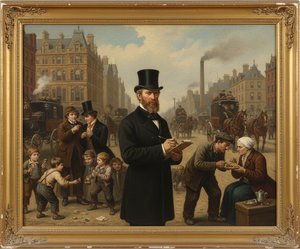
R.A. Benjamin Williams: Victorian Genre Painting & Social Commentary
Explore the captivating world of Benjamin Williams Leader's Victorian genre paintings. Discover his mastery of naturalism, social commentary & lasting influence on British art. Expert insights at OriginalUniqueArt.
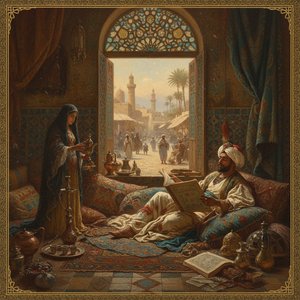
John Frederick Lewis: Orientalism, Detail & Genre Painting in 19th-Century British Art
Explore the captivating Orientalist paintings of John Frederick Lewis! Discover his mastery of detail, genre scenes & influence on 19th-century British art. Learn about his life, techniques & legacy at OriginalUniqueArt.

John Constable: Cele Mai Frumoase 25 de Capodopere – Artă Clasică pentru Decorul Casei Tale
Descoperă cele mai frumoase 25 de picturi ale lui John Constable, maestru al peisajului englezesc! Explorează stilul romantic, Dedham Vale și capodopere precum The Hay Wain. Reproduceri artă clasică pentru decorul casei tale – OriginalUniqueArt.com.