
 Previzualizare
 Trimite
 Distribuie
 Detalii despre lucrare

 Descarcă
 Produse similare
 Radiografie
 Diapozitive automate
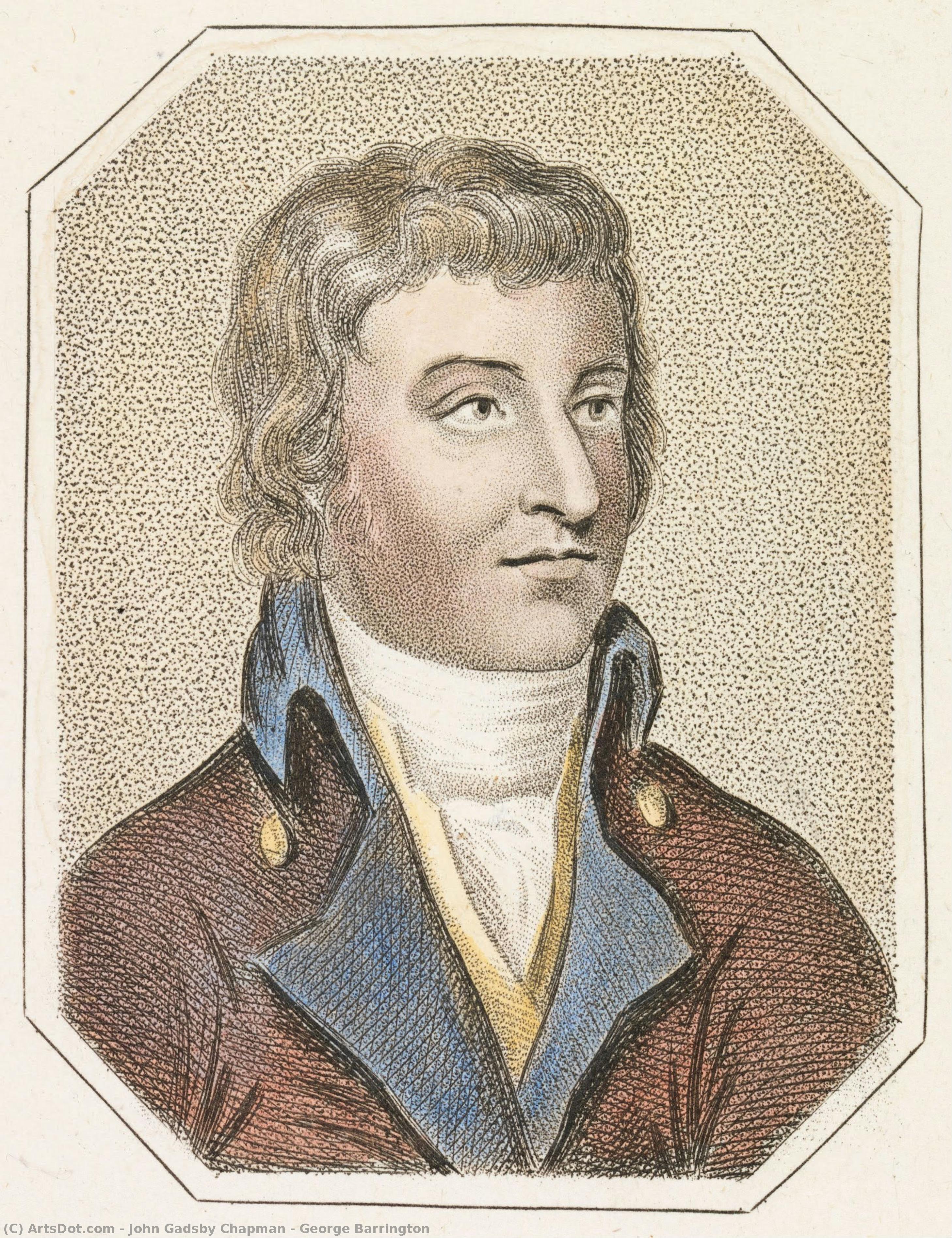
George Barrington
 Engraving
 1820
1820- 19th Century
 18.0 x 11.0 cm
 National Portrait Gallery
 Vezi mai mult
Reproducere pictată manual în ulei
Pictură în ulei pe pânză, realizată manual de artiștii noștri la dimensiunea și ramele dorite de dumneavoastră, pe comandă. ( Comandă printul Cumpără imaginea)




P118B $10

P118H $10

P118W $10

P438Z $10

P508JH $12

P508YH $12

P805H $10

P805Z $10

P919BZ $10

P919G $10

P919XJ $10

P959ZH $10

P968JZ $12

W106C $8

W218G $10

W218JH $8

W218Y $10

W307PJ $10

W316G $10

W316PJ $8

W316Y $10

W398PJ $8

W4111J $10

W500HY $15

W500JH $15

W692G $12

W849H $8

W940BG $15

W953PJ $8




Alegeți dintre dimensiunile noastre prestabilite, care respectă proporțiile originale ale operei de artă.

Puteți introduce propriile dimensiuni pentru a se potrivi unui anumit cadru sau spațiu. Dacă dimensiunea selectată nu corespunde proporțiilor imaginii originale, vom decupa opera de artă sau vom extinde pictura cu elemente suplimentare pictate manual. O simulare digitală vă va fi trimisă pentru aprobare înainte de începerea producției.
Vă rugăm să rețineți că previzualizarea de pe ecran nu reflectă decuparea sau extinderea reală. Doar macheta va arăta cu exactitate compoziția finală.
Deși sunt disponibile dimensiuni personalizate, vă recomandăm să selectați o dimensiune din lista predefinită pentru a păstra proporțiile originale.
După plasarea comenzii, echipa OriginalUniqueArt.com va contacta clientul prin e-mail pentru instrucțiuni și îi va furniza o previzualizare a machetei
Livrare în întreaga lume () în 3-4 săptămâni, în loc de cele 5 săptămâni standard. (18 August). Fără compromisuri în ceea ce privește calitatea.

Livrare expres gratuită la nivel mondial

Pânză de in de înaltă calitate

Asigurare completă pentru transport

Garanție de rambursare a taxelor vamale

Garanția fidelității culorilor

Politica de retur în 60 de zile (doar pentru defecte)

Garanție de rambursare 100%

Ofertă pentru comenzi multiple
 Opțiunea cu sticlă este disponibilă doar pentru dimensiuni de sub 110 cm

George Barrington
Tehnică de reproducere
Dimensiune reproducere
-


Preț total calculat
$ 300
Descriere operă de artă
A Glimpse into the Past: The Character of George Barrington
In this evocative black and white engraving from 1820, we are transported back to the early nineteenth century, encountering the striking presence of George Barrington. The portrait captures a man of undeniable distinction, his gaze meeting the viewer with a profound, perhaps even stern, intensity that commands immediate attention. Every line etched into the plate serves to reveal the subject's character; from the meticulously groomed sideburns and mustache to the elegantly swept-back hair, there is an unmistakable sense of formal dignity. The artist has masterfully utilized the medium of engraving to create a play of light and shadow that breathes life into the monochrome palette, allowing the texture of his blue coat and the glint of its gold buttons to emerge with tactile clarity.
The composition is framed with a classical sensibility, utilizing an ornamental border that acts as a window into a bygone era. This framing technique does more than merely contain the image; it elevates the subject, transforming a personal likeness into a monumental study of Regency-era fashion and social standing. The inclusion of his formal tie and the structured silhouette of his attire suggest a man of importance, perhaps navigating the complex social hierarchies of the 1820s. For the discerning collector or interior designer, this piece offers more than just a historical record; it provides a sophisticated focal point that brings an air of old-world prestige and intellectual depth to any curated space.
The Artistry of John Gadsby Chapman
The technical execution of this work reflects the burgeoning print culture of the nineteenth century, a period when the precision of engraving allowed for the widespread dissemination of portraiture. While the artist, John Gadsby Chapman, is often celebrated for his grand historical paintings and his contributions to the United States Capitol, this intimate engraving showcases his ability to capture human essence through fine line work. The delicate interplay of hatching and cross-hatching creates a sense of volume and depth, making the fabric of the coat appear heavy and luxurious, while the subtle gradients on the face suggest the warmth of skin beneath the monochromatic surface.
To possess a reproduction of such a piece is to invite a conversation about history, identity, and the enduring power of the portrait. It serves as an exquisite addition to a gallery wall or a study, where its somber tones and historical weight can harmonize with leather-bound books, dark wood furnishings, and classical decor. This artwork does not merely decorate a room; it anchors it, providing a soulful connection to the artistic traditions of the American and European masters, making it an essential acquisition for those who appreciate the profound emotional resonance found in the fine details of historical printmaking.
Biografie artist
A Life Etched in History: The World of John Gadsby Chapman
John Gadsby Chapman, a name perhaps unfamiliar to many today, represents a fascinating intersection of American history painting, European artistic training, and the burgeoning print culture of the 19th century. Born December 3, 1808, in Alexandria, Virginia, into a family steeped in local prominence—his grandfather was the renowned tavern keeper John Gadsby—Chapman embarked on an artistic journey that would lead him from the studios of Philadelphia to the sun-drenched landscapes of Italy and ultimately, to immortalization within the United States Capitol. His story is one of ambition, adaptation, and a quiet struggle for recognition in a rapidly changing art world.
Chapman’s early artistic education began with two years of study in Philadelphia, laying a foundational base before he ventured across the Atlantic. Europe beckoned, specifically Italy, where he immersed himself in the classical traditions that dominated the academic style of the time. This period proved pivotal; Chapman didn't merely copy the masters but developed a distinctive approach to landscape and portraiture, infused with a romantic sensibility. Upon his return to America in 1831, he established himself as an exhibitor in major cities like Washington D.C., Richmond, and Philadelphia, slowly building a reputation for skillful execution and evocative compositions.
From Portraits to Patriotic Scenes
The mid-1830s marked a turning point with Chapman’s relocation to New York City and his acceptance into the prestigious National Academy of Design. This affiliation opened doors to new opportunities, including work as an illustrator. However, it was his foray into historical painting that truly defined his career trajectory. Works like *Landing at Jamestown* and *Crowning of Powhatan* demonstrated a growing talent for narrative storytelling and a keen interest in American themes. The National Academy consistently showcased his paintings throughout the 1830s and 40s, culminating in an extraordinary commission from Congress in 1837.
The task was monumental: to create a historical scene for the rotunda of the Capitol building. Chapman accepted the challenge, dedicating himself to *Baptism of Pocahontas*, a depiction of the Powhatan princess’s conversion to Christianity before her marriage to John Rolfe. Completed in 1840, the painting—a large-scale canvas brimming with symbolic detail and dramatic composition—was unveiled to considerable acclaim. The $10,000 commission represented not only financial success but also a validation of Chapman's artistic vision and his ability to capture moments of national significance.
The Rise of Illustration and European Sojourn
Beyond the grand scale of *Baptism of Pocahontas*, Chapman’s contributions extended into the realm of popular print culture. He became a prolific illustrator, producing wood engravings for Harper Brothers' publications and authoring *The American Drawing-Book* in 1847—a widely used instructional text that helped democratize art education. His work appeared frequently in annual gift books like *The Token* and *Atlantic Souvenir*, solidifying his position as a leading figure in the burgeoning field of illustration. While some critics dismissed this output as overly sentimental, it undeniably broadened his reach and influence.
In 1849, Chapman embarked on an extended sojourn to Rome with his family, seeking inspiration and new markets for his art. He found success selling paintings of the Italian countryside to American tourists, establishing a comfortable livelihood. However, the outbreak of the Civil War disrupted this prosperity, as the influx of visitors dwindled. The conflict also deeply affected him personally, as his son Conrad Wise Chapman returned to America to fight for the Confederacy.
A Pauper’s End and Lasting Legacy
The economic hardships brought on by the war proved devastating. Chapman faced increasing financial difficulties in Rome, relying on the generosity of fellow expatriates to survive. In 1889, he returned to America, impoverished and ailing, seeking refuge with his son John Linton Chapman in Brooklyn, New York. It was there, on November 28th, that he passed away—a stark contrast to the acclaim he had once enjoyed.
Despite a life marked by financial struggles, John Gadsby Chapman left an indelible mark on American art history. His *Baptism of Pocahontas* remains a powerful symbol within the Capitol rotunda, while his landscapes and etchings offer a glimpse into the artistic sensibilities of the 19th century. He was not only a skilled painter but also a pioneer in illustration, helping to shape the visual landscape of a nation grappling with its identity and forging a new cultural path.
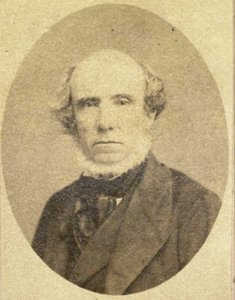
john gadsby chapman
1808 - 1889 , United States of America
Detalii rapide
- Artistic Movement Or Style: Landscape, Etchings
- Date Of Birth: December 3, 1808
- Date Of Death: November 28, 1889
- Full Name: John Gadsby Chapman
- Nationality: American
- Notable Artworks:
- Baptism of Pocahontas
- Landing at Jamestown
- Crowning of Powhatan
- Place Of Birth: Alexandria, USA
Articole similare

Georges Braque: Cele Mai Iconice 25 De Opere – Artă Modernă pentru Decorul Tău
Descoperă cele mai importante 25 de opere ale lui Georges Braque, pionier al cubismului! Explorează istoria, tehnicile și semnificația fiecărei picturi. Reproduceri artă de calitate muzeală pentru decorul tău pe OriginalUniqueArt.com.

Top 10 Capodopere Alb-Negru: Frumusețe Atemporală în Artă | OriginalUniqueArt.ro
Descoperă top 10 picturi celebre dominate de alb, de la Monet la Kandinsky! Explorează istoria artei, tehnicile artistice și frumusețea atemporală a capodoperelor clasice. Reproduceri de calitate muzeală pe OriginalUniqueArt.com – inspiră-ți decorul!

Georges Seurat: Cele Mai Remarcabile 25 de Opere – Artă, Decorațiuni și Inspirație
Descoperă cele mai frumoase 25 de picturi ale lui Georges Seurat! Explorează arta Pointillismului, culorile vibrante și stilul unic al acestui maestru impresionist. Reproduceri de calitate superioară pentru decor interior rafinat pe OriginalUniqueArt.com.

Top 10 Tablouri Celebre Dominante de Negru: Artă, Istorie și Decor Rafinat
Descoperă Top 10 tablouri celebre dominate de negru! Explorează istoria, simbolismul și tehnicile artistice ale unor opere iconice de Rembrandt, Goya și alți maeștri. Reproduceri de artă de calitate muzeală pe OriginalUniqueArt.com – inspiră-ți decorul!
Top 10 Gravuri Legendare care au Schimbat Arta pentru Totdeauna | OriginalUniqueArt.com
Descoperă Top 10 gravuri legendare de la Dürer, Rembrandt și Goya! Explorează istoria artei, tehnicile maeștrilor și impactul lor asupra culturii. Reproduceri artă de calitate muzeală pentru un decor rafinat pe OriginalUniqueArt.com

