
 Previzualizare
 Trimite prin felicitare
 Distribuie
 Detalii despre lucrare
 Ghid
Ghid

 Descarcă imaginea
 Produse similare
 Radiografie
 Galerie foto
 Întrebări și răspunsuri
 Statistici
Two Camels


 Vezi mai mult
Giclée / Imprimare artistică
Printuri giclée sau pe canvas de calitate muzeală, cu proces de producție rapid și opțiuni flexibile de finisare. ( Comandă pictură realizată manual Comută pe Imagine Digitală)




P118B lei10

P118H lei10

P118W lei10

P438Z lei10

P508JH lei12

P508YH lei12

P805H lei10

P805Z lei10

P919BZ lei10

P919G lei10

P919XJ lei10

P959ZH lei10

P968JZ lei12

W106C lei8

W218G lei10

W218JH lei8

W218Y lei10

W307PJ lei10

W316G lei10

W316PJ lei8

W316Y lei10

W398PJ lei8

W4111J lei10

W500HY lei15

W500JH lei15

W692G lei12

W849H lei8

W940BG lei15

W953PJ lei8




Alegeți dintre dimensiunile noastre prestabilite, care respectă proporțiile originale ale operei de artă.

Introduceți lățimea și înălțimea necesare pentru a se potrivi ramei sau peretelui dumneavoastră. O printare poate fi doar tăiată, niciodată extinsă dincolo de dimensiunea imaginii originale, astfel încât o dimensiune cu o formă diferită va pierde o parte din imagine. Vă trimitem o simulare digitală pentru aprobare înainte de a imprima orice. Imaginea afișată pe această pagină nu prezintă tăierea reală — doar simularea arată acest lucru.
Livrare în întreaga lume () în 2 săptămâni, în loc de cele 4/5 săptămâni standard. (13 Noiembrie)

Livrare expres gratuită la nivel mondial

Pânză de in de înaltă calitate

Asigurare completă pentru transport

Garanție de rambursare a taxelor vamale

Garanția fidelității culorilor

Politica de retur în 100 de zile (doar pentru defecte de fabricație)

Garanție de rambursare 100%

Ofertă pentru comenzi multiple
 Opțiunea cu sticlă este disponibilă doar pentru dimensiuni de sub 110 cm

Two Camels
Giclée / Imprimare artistică
Dimensiune reproducere
-


Preț total calculat
lei 386
Identification of Two Camels by John Frederick Lewis
In this 1843 watercolor, John Frederick Lewis presents Two Camels. The work captures a quiet moment within an expansive, sandy landscape. One of the animals carries a solitary figure, while the other turns its head, adding a sense of life to the composition. It is a piece that reflects the artist's deep engagement with the light and atmosphere of the East.
The artist, John Frederick Lewis, achieved a remarkable level of detail through his command of the watercolor medium. This specific work, Two Camels, relies on subtle tonal shifts to define the textures of the desert terrain and the forms of the animals. The presence of several figures in the background suggests a wider, lived-in environment beyond the immediate subjects.
Composition and Visual Elements of the Work
The composition centers on two camels moving across a sandy expanse. There is a quiet sense of movement as they walk through the frame. The camel on the left has its head turned to the side, while the other camel faces straight ahead. A solitary figure is perched atop one of the animals, adding a human presence to the desert scene. In the distance, several people are visible in the background, suggesting a wider social setting beyond the immediate subjects.
Lewis organizes the space to emphasize the rhythm of the animals' gait. The placement of the figures and the camels creates a sense of progression across the landscape. The muted palette of sandy browns and pale blues establishes a tranquil atmosphere. This color choice allows the viewer to focus on the subtle postures of the camels and the figures within the environment.
Technique and Artistic Style of the Artist
Lewis demonstrates a profound command of watercolor, utilizing the medium to achieve a remarkable tonal range. Through careful layering and subtle blending, he captures the specific quality of desert light. His brushstrokes appear delicate, yet they possess a confidence that defines the forms of the camels and the figures in the background. This technical precision allows for a high level of textural detail across the sandy expanse.
The palette is intentionally muted, relying on a harmony of sandy browns and pale blues. This choice creates a tranquil atmosphere, avoiding the heavy drama often found in other works of this period. The colors work together to suggest the heat and the vastness of the landscape without overwhelming the viewer. It is a restrained approach that emphasizes the atmosphere of the scene.
Related Works by John Frederick Lewis
To understand the breadth of Lewis’s vision, one might look toward his watercolor A Bedouin, which exemplifies his specific Orientalist style. This approach to the genre is further reflected in A Young Turkish Woman, another striking example of his interest in the people and customs of the East. These works demonstrate his ability to capture the essence of a culture through a focused, observational lens.
His technical range extends into more structured environments as well. In The Ramesseum at Thebes, his remarkable attention to architectural detail becomes the primary focus. This precision contrasts with the intimate, domestic atmosphere found in his oil painting Harem Life in Constantinople, which depicts Ottoman domestic life with a quiet, detailed hand.
Întrebări și răspunsuri
Ce vârstă avea John Frederick Lewis când a fost creat "Two Camels"?
Când „Two Camels” a fost creat în 1843, John Frederick Lewis – născut în 1805 – avea 38 ani.
În ce etapă a carierei lui John Frederick Lewis se încadrează „Two Camels” (1843)?
Data din 1843 plasează „Two Camels” în Orientalist Painting dezvoltării lui John Frederick Lewis.
Care este artistul și care este stilul din spatele operei "Two Camels"?
Opera „Two Camels” este creată de John Frederick Lewis și aparține mișcării Orientalist Painting.
Biografie artist
John Frederick Lewis: Un artist în culorile Orientului
John Frederick Lewis, un nume care rezonează cu eleganța și detaliul picturii orientaliste din secolul al XIX-lea, s-a născut la 14 iulie 1804 în Londra. Fiind fiul lui Frederick Christian Lewis, un gravor și pictor de peisaje, artistul a moștenit o pasiune pentru artă, influențată profund de mediul familial artistic. Formarea sa inițială a avut loc sub îndrumarea ilustrului Sir Thomas Lawrence, unde a fost încurajat să-și perfecționeze tehnicile și compoziția, alături de alți artiști distinși precum Edwin Landseer.
Evoluția stilistică: De la Londra la Orient
Cariera artistică a lui Lewis a fost marcată de o evoluție constantă, fiecare etapă fiind caracterizată de noi influențe și teme. Prima fază a fost dominată de picturile sale orientale, realizate în urma unor călătorii ample prin regiunile Mediteraneene. Cu o atenție remarcabilă pentru detalii, Lewis a redescris aceste locuri de mai multe ori, folosind diferite medii artistice – acuarele și uleiuri. Un moment crucial a fost perioada influențată de Spania și Maroc (1832-1834), în care a creat o serie impresionantă de litografii, publicate ulterior sub titlurile “Sketches and Drawings of the Alhambra” și “Lewis’s Sketches of Spain and Spanish Character”. Aceste călătorii au fost esențiale pentru dezvoltarea stilului său.
Cairo: Centrul creativ al lui Lewis
Perioada egipteană (1841-1851) a reprezentat apogeul artistic al lui Lewis. Sărbătorit în special pentru picturile sale realizate în Cairo, acesta a perfecționat stilul orientalist, creând opere de o complexitate și realism remarcabil. Acestea nu se limitau la scenele de gen, ci includeau și reprezentări idealizate ale vieții de curte egipteană, cu interioare luxoase și detalii arhitecturale impresionante. Lucrările sale din această perioadă sunt considerate adevărate capodopere, reflectând o înțelegere profundă a culturii și tradițiilor locale.
O operele remarcabile
Printre cele mai cunoscute lucrări ale lui Lewis se numără:
- A Bedouin (Colecția Yale Center for British Art, New Haven) – O acuarelă care ilustrează stilul său orientalist.
- The Ramesseum at Thebes (Colecția Yale Center for British Art, New Haven) – Un exemplu remarcabil al atenției sale pentru detalii arhitecturale.
- A Young Turkish Woman (Colecția Yale Center for British Art, New Haven) – O altă pictură deosebită, care demonstrează măiestria sa în captarea esenței unei figuri feminine orientale.
- Harem Life in Constantinople - O operă impresionantă ce prezintă viața cotidiană într-un harem otoman.
Influențe și stil artistic
Stilul lui Lewis a fost influențat în mod deosebit de Sir Thomas Lawrence's accent pe portrete și compoziție. Cu toate acestea, observațiile directe ale culturilor orientale i-au permis să dezvolte o estetică unică, caracterizată prin:
- Detaliu meticulos: O dedicare pentru a reprezenta cu acuratețe texturile, modelele și elementele arhitecturale.
- Paletă bogată de culori: Utilizarea unor nuanțe vibrante, inspirate de peisajele și costumele întâlnite în călătoriile sale.
- Scene de gen și vederi panoramice: Concentrarea pe viața cotidiană și pe scene intime din casele orientale.
Moștenirea artistică și importanța istorică
Contribuția lui Lewis la lumea artei constă în rolul său semnificativ în dezvoltarea picturii orientaliste. Reprezentările sale minuțioase ale arhitecturii islamice, a mobilierului și a costumelor au stabilit noi standarde de realism în acest gen artistic. El a popularizat o viziune romantică, dar detaliată, asupra Orientului printre publicul occidental. După întoarcerea în Anglia în 1851, a continuat să picteze până la moartea sa pe 15 august 1876, lăsând în urmă un patrimoniu artistic valoros și apreciat.
Lucrările sale sunt studiate și admirate astăzi pentru valoarea lor artistică și pentru perspectiva istorică pe care o oferă asupra percepțiilor din secolul al XIX-lea despre Orient.

John Frederick Lewis
1805 - 1876 , Regatul Unit
Detalii rapide
- Artistic Movement Or Style: Orientalism
- Artists Or Movements Influenced By This Artist: ['Turner']
- Artists Who Influenced This Artist: ['Thomas Lawrence']
- Date Of Birth: 14 iulie 1804
- Date Of Death: 15 august 1876
- Full Name: John Frederick Lewis
- Nationality: Britanic
- Notable Artworks:
- A Bedouin
- Ramesseum
- Femeie turca
- Place Of Birth: Londra, Marea Britanie
Articole similare

John Constable: Cele Mai Frumoase 25 de Capodopere – Artă Clasică pentru Decorul Casei Tale
Descoperă cele mai frumoase 25 de picturi ale lui John Constable, maestru al peisajului englezesc! Explorează stilul romantic, Dedham Vale și capodopere precum The Hay Wain. Reproduceri artă clasică pentru decorul casei tale – OriginalUniqueArt.com.
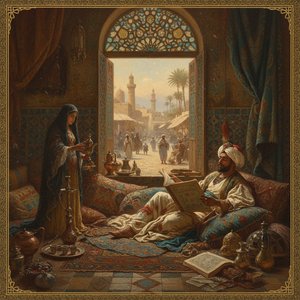
John Frederick Lewis: Orientalism, Detail & Genre Painting in 19th-Century British Art
Explore the captivating Orientalist paintings of John Frederick Lewis! Discover his mastery of detail, genre scenes & influence on 19th-century British art. Learn about his life, techniques & legacy at OriginalUniqueArt.

Top 10 Capodopere Acvarelă Legendară care au Schimbat Arta pentru Totdeauna | OriginalUniqueArt.ro
Descoperă Top 10 capodopere acuarelă legendară de la Sargent, Turner și alți maeștri! Explorează istoria artei, tehnicile unice și paletele vibrante. Reproduceri de artă de calitate muzeală pentru decorul perfect pe OriginalUniqueArt.com.

John Singer Sargent: Cele Mai Iconice Capodopere – Artă, Portrete și Decorațiuni de Lux
Descoperă cele mai frumoase 25 de picturi ale lui John Singer Sargent! Portrete elegante, acuarele rafinate și capodopere impresioniste. Află povestea fiecărei opere și găsește inspirație pentru decorul casei tale pe OriginalUniqueArt.com.

Ephemeral Visions: Exploring the Artistic Legacy & Contemporary Practice of Watercolor Painting
Explore the captivating world of watercolor painting! Discover its rich history, essential techniques, influential artists & collecting tips. A comprehensive guide for art enthusiasts from OriginalUniqueArt.