Previzualizare
 Trimite prin felicitare
 Distribuie
 Detalii despre lucrare
 Ghid
Ghid

 Descarcă imaginea
 Produse similare
 Radiografie
 Galerie foto
 Întrebări și răspunsuri
 Statistici
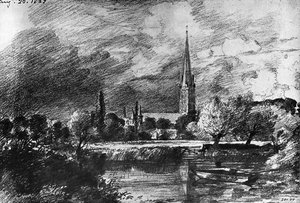
Water Meadows near Salisbury

- 45.0 x 55.0 cm


 Vezi mai mult
Giclée / Imprimare artistică
Printuri giclée sau pe canvas de calitate muzeală, cu proces de producție rapid și opțiuni flexibile de finisare. ( Comandă pictură realizată manual Comută pe Imagine Digitală)




P118B lei10

P118H lei10

P118W lei10

P438Z lei10

P508JH lei12

P508YH lei12

P805H lei10

P805Z lei10

P919BZ lei10

P919G lei10

P919XJ lei10

P959ZH lei10

P968JZ lei12

W106C lei8

W218G lei10

W218JH lei8

W218Y lei10

W307PJ lei10

W316G lei10

W316PJ lei8

W316Y lei10

W398PJ lei8

W4111J lei10

W500HY lei15

W500JH lei15

W692G lei12

W849H lei8

W940BG lei15

W953PJ lei8




Alegeți dintre dimensiunile noastre prestabilite, care respectă proporțiile originale ale operei de artă.

Introduceți lățimea și înălțimea necesare pentru a se potrivi ramei sau peretelui dumneavoastră. O printare poate fi doar tăiată, niciodată extinsă dincolo de dimensiunea imaginii originale, astfel încât o dimensiune cu o formă diferită va pierde o parte din imagine. Vă trimitem o simulare digitală pentru aprobare înainte de a imprima orice. Imaginea afișată pe această pagină nu prezintă tăierea reală — doar simularea arată acest lucru.
Livrare în întreaga lume () în 2 săptămâni, în loc de cele 4/5 săptămâni standard. (5 Noiembrie)

Livrare expres gratuită la nivel mondial

Pânză de in de înaltă calitate

Asigurare completă pentru transport

Garanție de rambursare a taxelor vamale

Garanția fidelității culorilor

Politica de retur în 100 de zile (doar pentru defecte de fabricație)

Garanție de rambursare 100%

Ofertă pentru comenzi multiple
 Opțiunea cu sticlă este disponibilă doar pentru dimensiuni de sub 110 cm

Water Meadows near Salisbury
Giclée / Imprimare artistică
Dimensiune reproducere
-


Preț total calculat
lei 385
A Pastoral Vision: Unveiling Constable’s ‘Water Meadows near Salisbury’
John Constable's *Water Meadows near Salisbury*, painted in 1820, is more than just a landscape; it’s an embodiment of Romanticism’s core tenets – a celebration of nature’s beauty, the power of atmosphere, and the emotional resonance of the English countryside. Measuring 45 x 55 cm, this oil on canvas invites viewers into a tranquil world steeped in light and shadow.Decoding the Landscape
The painting depicts the lush water meadows surrounding Salisbury Cathedral, though the cathedral itself remains subtly obscured, emphasizing the dominance of nature. A sprawling field occupies the central focus, intersected by meandering waterways that reflect the expansive, cloud-filled sky. Constable masterfully captures the subtle variations in terrain and vegetation, creating a sense of depth and spaciousness. Flocks of birds animate the scene, adding a dynamic element to the otherwise serene composition. Large, established trees punctuate the landscape, their forms echoing the rolling hills in the distance. The overall impression is one of peaceful harmony – a moment suspended in time.Constable’s Artistic Innovation
Constable was a revolutionary figure in English painting, rejecting the rigid conventions of historical and mythological subjects in favor of depicting everyday scenes from nature. His style is characterized by loose, expressive brushwork, an emphasis on capturing fleeting atmospheric effects, and a keen observation of light. In *Water Meadows near Salisbury*, this is evident in the soft blending of colors, the broken application of paint that suggests texture and movement, and the way the clouds seem to shift and change before our eyes. He wasn’t merely recording what he saw; he was conveying his feeling about the landscape – a deeply personal connection to the land.Historical Context & Romantic Ideals
Created during the height of the Romantic period, this painting reflects the era's fascination with nature as a source of spiritual and emotional renewal. The Industrial Revolution was rapidly transforming England, leading many artists and writers to idealize the countryside as a refuge from the encroaching modernity. Constable’s work resonated with this sentiment, offering viewers an escape into a world of natural beauty and tranquility. His dedication to painting “his own places best” – the landscapes he knew intimately – was a deliberate rejection of the Grand Tour tradition favored by many of his contemporaries.Symbolism & Emotional Impact
While seemingly straightforward, *Water Meadows near Salisbury* carries subtle symbolic weight. The water itself can be interpreted as representing life and renewal, while the expansive sky evokes feelings of freedom and boundlessness. The painting’s muted color palette and diffused light contribute to a sense of melancholy and contemplation – a characteristic mood often found in Romantic art. It's not simply a pretty picture; it’s an invitation to reflect on our relationship with nature and the passage of time.Constable’s Legacy & Related Works
Constable’s influence extended far beyond his native England, profoundly impacting artists across Europe, particularly the Barbizon School in France. To further explore his artistic vision, consider these other notable works:- *Dedham Vale* – A quintessential example of Constable's "Constable Country" scenes.
- *East Bergholt Rectory* – Depicting a cherished childhood location and family home.
- *Hadleigh Castle* – Demonstrating his skill in capturing atmospheric ruins.
- *A Cottage in a Cornfield* – A charming depiction of rural life.
Bringing Constable Home
*Water Meadows near Salisbury* is a timeless masterpiece that continues to captivate audiences today. Its serene beauty and emotional depth make it an ideal addition to any art collection or interior space. At OriginalUniqueArt, we offer meticulously crafted, handmade oil painting reproductions of this iconic work, ensuring that every brushstroke and nuance of Constable’s original vision is faithfully preserved. Allow us to bring the tranquility of the English countryside into your home.Întrebări și răspunsuri
Este disponibil un download la rezoluție înaltă pentru "Water Meadows near Salisbury"?
O imagine digitală a operei "Water Meadows near Salisbury" de John Constable poate fi achiziționată pe pagina sa de Imagine digitală de înaltă rezoluție: descărcare imagine digitală de înaltă rezoluție.
Ce atmosferă conferă "Water Meadows near Salisbury" de John Constable unui interior?
Cu atmosfera sa Romantic, „Water Meadows near Salisbury” este recomandată pentru o Living Room.
Ce armonie de culori prezintă "Water Meadows near Salisbury" de John Constable?
Culorile din "Water Meadows near Salisbury" de John Constable prezintă o armonie Softly Mixed Palette. Armonia descrie modul în care culorile interacționează între ele.
Biografie artist
A Life Rooted in the English Landscape
John Constable, born in 1776 in the idyllic Suffolk village of East Bergholt, wasn’t merely a painter of landscapes; he was a poet of the land, translating its subtle moods and enduring beauty onto canvas with an unprecedented emotional depth. His father, a prosperous corn merchant who owned both Dedham Vale and mills along the River Stour, provided not only financial security but also the very subject matter that would define Constable’s artistic life. This early immersion in the rural world – the slow rhythm of agricultural life, the ever-changing light on fields and water, the intimate details of nature – became indelibly etched into his sensibility. While initially destined to follow his father into business, a burgeoning passion for art, nurtured by local patrons like George Beaumont who introduced him to the works of Claude Lorrain, ultimately steered him toward a different path. Constable’s artistic journey wasn't immediate; it was a gradual unfolding, shaped by careful observation and a persistent desire to capture not just *what* he saw, but *how* it felt to be present within the landscape.Breaking with Convention: A New Vision of Nature
Constable’s artistic development was marked by a deliberate rejection of prevailing academic conventions. Dissatisfied with the idealized and often theatrical landscapes favored by the Royal Academy, he sought instead a truthful representation of nature, imbued with personal feeling. He wasn't interested in grand historical narratives or mythological scenes; his focus remained steadfastly on the familiar countryside surrounding him. This commitment to depicting ordinary subjects – hay wains, farm buildings, village life – was initially met with resistance from critics who deemed his work too commonplace and lacking in ambition. However, Constable persevered, driven by a conviction that beauty resided in the everyday. He pioneered a technique of *plein air* painting, venturing outdoors to directly observe and capture the fleeting effects of light and weather. This direct engagement with nature allowed him to infuse his canvases with an immediacy and vitality previously unseen in British landscape art. His brushwork became increasingly loose and expressive, employing impasto – thick layers of paint – to create texture and convey a sense of movement and atmosphere. He wasn’t simply recording what he saw; he was translating his emotional response to the land into visual form.Iconic Works and Lasting Influence
Constable's most celebrated works stand as testaments to his unique vision. The Hay Wain (1821), perhaps his most recognizable painting, depicts a quintessential rural scene on the River Stour, capturing the tranquility and harmony of agricultural life. Hadleigh Castle (1829) showcases his dramatic use of light and atmospheric effects, transforming a crumbling ruin into a powerful symbol of time’s passage. The series of paintings depicting Salisbury Cathedral from the Meadows (1831) demonstrates his ability to evoke different moods and times of day, revealing the cathedral as an integral part of the natural landscape. Netley Abbey (1824), with its evocative depiction of architectural grandeur amidst encroaching nature, exemplifies his skill in blending human creation with the wild beauty of the countryside. Despite facing initial struggles for recognition in England, Constable achieved considerable acclaim in France, where his innovative techniques and emotional depth resonated deeply with artists seeking a more naturalistic approach to landscape painting. He profoundly influenced the Barbizon School, a group of French painters who shared his commitment to *plein air* painting and direct observation of nature.Personal Life & Final Years
Constable’s personal life was marked by both joy and sorrow. He married Maria Bicknell in 1816, and they had seven children, though sadly several did not survive infancy. His marriage provided him with emotional support but also financial strain. Elected a Royal Academician in 1829, he continued to face criticism from some quarters, particularly regarding his unconventional techniques. His later years were shadowed by Maria’s declining health and eventual death in 1828, an event that deeply affected him. Despite these hardships, Constable remained dedicated to his art, continuing to paint until his own passing on March 31, 1837. He left behind a rich artistic legacy—a testament to his unwavering commitment to capturing the beauty and emotional resonance of the English countryside. His paintings remain powerful evocations of a bygone era, inviting viewers to experience the landscape through his uniquely sensitive eyes.Influences & Artistic Development
Constable’s artistic journey was shaped by several key influences. Initially, he admired the works of Claude Lorrain, whose idealized landscapes provided him with a foundation in composition and color theory. However, he quickly moved beyond Lorrain's formal approach, seeking to capture the more dynamic and unpredictable qualities of nature. The work of Jacob Ruysdael, a Dutch master known for his atmospheric landscapes, also had a significant impact on Constable’s style. He was particularly drawn to Ruysdael’s ability to convey a sense of depth and distance through subtle variations in tone and color. Furthermore, Constable's exposure to the works of John Thomas Smith, a contemporary engraver who specialized in reproducing landscape paintings, helped him develop his observational skills and understanding of tonal values. His early training at the Royal Academy provided him with a basic knowledge of drawing and painting techniques, but it was through independent study and direct experience that Constable truly honed his artistic vision.A Legacy of Emotional Resonance
John Constable’s historical significance lies not only in his artistic innovations but also in his profound impact on the development of landscape painting. He challenged academic conventions, elevated the status of ordinary subjects, and paved the way for a more personal and emotionally expressive approach to art. His emphasis on direct observation, atmospheric effects, and truthful representation of nature anticipated many of the concerns of later Impressionist painters. He demonstrated that landscape could be a vehicle for profound emotional expression, capable of evoking feelings of nostalgia, tranquility, and awe. Though he faced financial hardship throughout much of his career, and died relatively young in 1837, his legacy endures. Today, Constable is celebrated as one of Britain’s greatest artists, whose paintings continue to captivate audiences with their beauty, sincerity, and enduring power. His work serves as a poignant reminder of the profound connection between humanity and the natural world, and the transformative potential of art to capture its essence.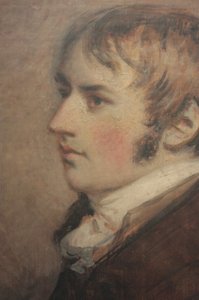
John Constable
1776 - 1837 , Regatul Unit al Marii Britanii și Irlandei
Detalii rapide
- Artistic Movement Or Style: Romanticism
- Artists Or Movements Influenced By This Artist: ['Barbizon School']
- Artists Who Influenced This Artist:
- Claude Lorrain
- Ruisdael
- Date Of Birth: 11 iunie 1776
- Date Of Death: 31 martie 1837
- Full Name: John Constable
- Nationality: Britanic
- Notable Artworks:
- The Hay Wain
- Hadleigh
- Salisbury
- Place Of Birth: East Bergholt, UK
Articole similare

John Constable: Cele Mai Frumoase 25 de Capodopere – Artă Clasică pentru Decorul Casei Tale
Descoperă cele mai frumoase 25 de picturi ale lui John Constable, maestru al peisajului englezesc! Explorează stilul romantic, Dedham Vale și capodopere precum The Hay Wain. Reproduceri artă clasică pentru decorul casei tale – OriginalUniqueArt.com.

Capturing the English Landscape: The Timeless Mastery and Romantic Legacy of John Constable
Explore the profound legacy of John Constable. Discover how his mastery of light, atmosphere, and the English landscape redefined Romanticism through timeless, museum-quality oil reproductions for discerning collectors.

John Singer Sargent: Cele Mai Iconice Capodopere – Artă, Portrete și Decorațiuni de Lux
Descoperă cele mai frumoase 25 de picturi ale lui John Singer Sargent! Portrete elegante, acuarele rafinate și capodopere impresioniste. Află povestea fiecărei opere și găsește inspirație pentru decorul casei tale pe OriginalUniqueArt.com.

Peisaje Romantice Iconice: 10 Capodopere Artistice pentru Decorul de Lux
Descoperă 10 capodopere romantice iconice de Caspar David Friedrich, Turner și alți maeștri. Explorează istoria artei, emoțiile din peisaje și găsește tablouri canvas perfecte pentru decorul tău pe OriginalUniqueArt.com!
John Constable: Nature, Light & the Romantic Vision of Rural England
Explore the life & art of John Constable, the Romantic painter who revolutionized landscape with emotive scenes of rural England. Discover his techniques, legacy, and key works – perfect for collectors & enthusiasts.