 Previzualizare
 Trimite prin felicitare
 Distribuie
 Detalii despre lucrare
 Ghid
Ghid

 Descarcă imaginea
 Produse similare
 Radiografie
 Galerie foto
 Q&A
Q&A Statistici
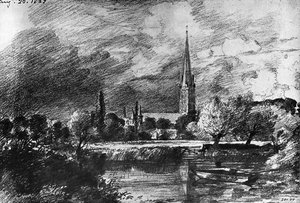
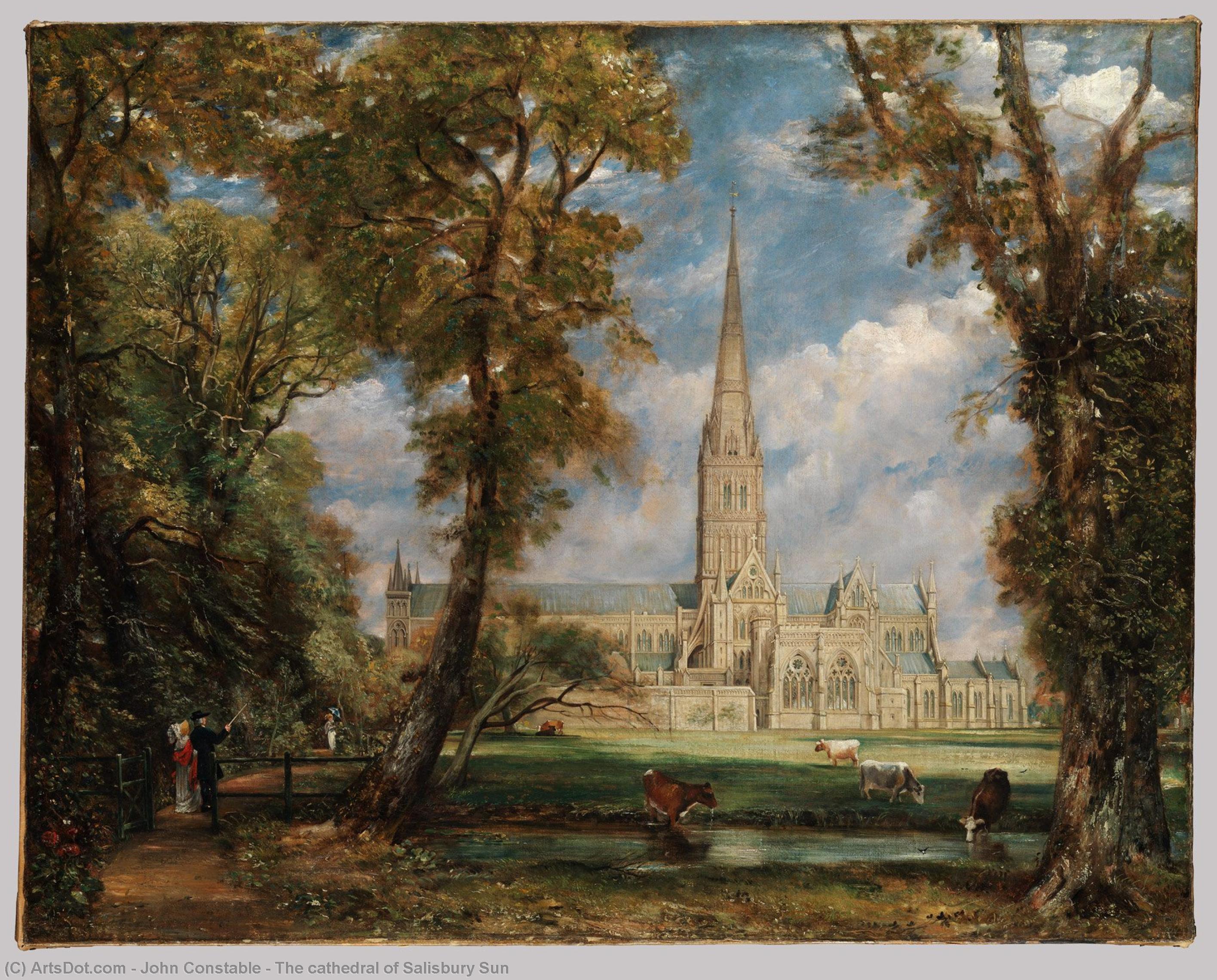
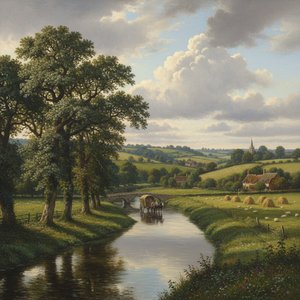
The cathedral of Salisbury Sun


 Vezi mai mult
Giclée / Imprimare artistică
Printuri giclée sau pe canvas de calitate muzeală, cu proces de producție rapid și opțiuni flexibile de finisare. ( Comandă pictură realizată manual Comută pe Imagine Digitală)




P118B lei10

P118H lei10

P118W lei10

P438Z lei10

P508JH lei12

P508YH lei12

P805H lei10

P805Z lei10

P919BZ lei10

P919G lei10

P919XJ lei10

P959ZH lei10

P968JZ lei12

W106C lei8

W218G lei10

W218JH lei8

W218Y lei10

W307PJ lei10

W316G lei10

W316PJ lei8

W316Y lei10

W398PJ lei8

W4111J lei10

W500HY lei15

W500JH lei15

W692G lei12

W849H lei8

W940BG lei15

W953PJ lei8




Alegeți dintre dimensiunile noastre prestabilite, care respectă proporțiile originale ale operei de artă.

Introduceți lățimea și înălțimea necesare pentru a se potrivi ramei sau peretelui dumneavoastră. O printare poate fi doar tăiată, niciodată extinsă dincolo de dimensiunea imaginii originale, astfel încât o dimensiune cu o formă diferită va pierde o parte din imagine. Vă trimitem o simulare digitală pentru aprobare înainte de a imprima orice. Imaginea afișată pe această pagină nu prezintă tăierea reală — doar simularea arată acest lucru.
Livrare în întreaga lume () în 2 săptămâni, în loc de cele 4/5 săptămâni standard. (31 Octombrie)

Livrare expres gratuită la nivel mondial

Pânză de in de înaltă calitate

Asigurare completă pentru transport

Garanție de rambursare a taxelor vamale

Garanția fidelității culorilor

Politica de retur în 100 de zile (doar pentru defecte de fabricație)

Garanție de rambursare 100%

Ofertă pentru comenzi multiple
 Opțiunea cu sticlă este disponibilă doar pentru dimensiuni de sub 110 cm

The cathedral of Salisbury Sun
Giclée / Imprimare artistică
Dimensiune reproducere
-


Preț total calculat
lei 379
A Pastoral Vision: John Constable’s Salisbury Cathedral
John Constable’s “Salisbury Cathedral” is more than just a depiction of architectural grandeur; it's an evocative exploration of faith, nature, and the enduring spirit of the English countryside. Painted during a period of significant social and artistic change, this work exemplifies the Romantic movement’s emphasis on emotional response to landscape and its rejection of rigid academic conventions.Subject & Composition
The painting centers around Salisbury Cathedral, majestically positioned within a lush, verdant landscape. Constable doesn't present the cathedral as an isolated monument but integrates it seamlessly into its natural surroundings. The composition is carefully balanced – the imposing structure of the cathedral anchors the scene, while the surrounding trees, fields, and sky create depth and invite the viewer’s eye to wander. Figures are subtly included, adding a sense of scale and human connection to the vastness of nature. This isn't simply *a* view of Salisbury Cathedral; it is *an experience* of being within its world.Style & Technique
Constable was a pioneer in capturing the fleeting effects of light and atmosphere, and this painting is a prime example. His style, deeply rooted in observation, departs from the polished precision favored by many of his contemporaries. Instead, he employs loose, expressive brushstrokes – a technique known as *impasto* – to build up texture and create a luminous quality. The layering of paint gives the impression of shimmering light filtering through the trees and across the cathedral’s stonework. This approach was revolutionary for its time, influencing artists in both England and France, particularly those associated with the Barbizon School.Historical Context & Romanticism
Constable lived during a period marked by industrialization and urbanization, leading to a growing nostalgia for rural life. The Romantic movement, of which he was a key figure, celebrated nature as a source of spiritual renewal and emotional solace. “Salisbury Cathedral” embodies these ideals. It’s not merely a topographical record but an idealized vision of England's pastoral heritage. Constable’s dedication to painting directly from nature – *en plein air* – further distinguished his work and contributed to the authenticity of his depictions.Symbolism & Emotional Impact
The cathedral itself symbolizes faith, permanence, and tradition. Its enduring presence contrasts with the transient beauty of the natural world surrounding it. The sky, often depicted with dramatic cloud formations in Constable’s works, evokes a sense of awe and the sublime power of nature. The painting isn't overtly didactic; rather, it invites contemplation on themes of spirituality, mortality, and the interconnectedness of humanity and the environment. It elicits feelings of tranquility, reverence, and a deep appreciation for the beauty of the English countryside.Collecting & Interior Design
A reproduction of “Salisbury Cathedral” would be a stunning addition to any collection or interior space. Its harmonious color palette – dominated by warm earth tones with highlights of blue and white – complements a variety of décor styles, from traditional to contemporary.- Its large scale makes it an impactful focal point in a living room or dining room.
- The painting’s serene atmosphere lends itself well to bedrooms or studies.
- Consider pairing it with natural materials like wood and stone to enhance its connection to the landscape.
Întrebări și răspunsuri
În ce încăpere din casă s-ar potrivi o reproducere a operei "The cathedral of Salisbury Sun"?
Spațiul recomandat pentru "The cathedral of Salisbury Sun" de John Constable este o Living Room. Sugestia poate fi, desigur, adaptată interiorului dumneavoastră.
Cât de armonios interacționează culorile din "The cathedral of Salisbury Sun"?
"The cathedral of Salisbury Sun" de John Constable prezintă o armonie cromatică Strong Color Unity.
Cum pot obține o copie digitală a lucrării "The cathedral of Salisbury Sun" de John Constable?
Pentru a obține o versiune digitală a lucrării "The cathedral of Salisbury Sun" de John Constable, comandați descărcare imagine digitală de înaltă rezoluție pe pagina sa de Imagine digitală de înaltă rezoluție.
Biografie artist
A Life Rooted in the English Landscape
John Constable, born in 1776 in the idyllic Suffolk village of East Bergholt, wasn’t merely a painter of landscapes; he was a poet of the land, translating its subtle moods and enduring beauty onto canvas with an unprecedented emotional depth. His father, a prosperous corn merchant who owned both Dedham Vale and mills along the River Stour, provided not only financial security but also the very subject matter that would define Constable’s artistic life. This early immersion in the rural world – the slow rhythm of agricultural life, the ever-changing light on fields and water, the intimate details of nature – became indelibly etched into his sensibility. While initially destined to follow his father into business, a burgeoning passion for art, nurtured by local patrons like George Beaumont who introduced him to the works of Claude Lorrain, ultimately steered him toward a different path. Constable’s artistic journey wasn't immediate; it was a gradual unfolding, shaped by careful observation and a persistent desire to capture not just *what* he saw, but *how* it felt to be present within the landscape.Breaking with Convention: A New Vision of Nature
Constable’s artistic development was marked by a deliberate rejection of prevailing academic conventions. Dissatisfied with the idealized and often theatrical landscapes favored by the Royal Academy, he sought instead a truthful representation of nature, imbued with personal feeling. He wasn't interested in grand historical narratives or mythological scenes; his focus remained steadfastly on the familiar countryside surrounding him. This commitment to depicting ordinary subjects – hay wains, farm buildings, village life – was initially met with resistance from critics who deemed his work too commonplace and lacking in ambition. However, Constable persevered, driven by a conviction that beauty resided in the everyday. He pioneered a technique of *plein air* painting, venturing outdoors to directly observe and capture the fleeting effects of light and weather. This direct engagement with nature allowed him to infuse his canvases with an immediacy and vitality previously unseen in British landscape art. His brushwork became increasingly loose and expressive, employing impasto – thick layers of paint – to create texture and convey a sense of movement and atmosphere. He wasn’t simply recording what he saw; he was translating his emotional response to the land into visual form.Iconic Works and Lasting Influence
Constable's most celebrated works stand as testaments to his unique vision. The Hay Wain (1821), perhaps his most recognizable painting, depicts a quintessential rural scene on the River Stour, capturing the tranquility and harmony of agricultural life. Hadleigh Castle (1829) showcases his dramatic use of light and atmospheric effects, transforming a crumbling ruin into a powerful symbol of time’s passage. The series of paintings depicting Salisbury Cathedral from the Meadows (1831) demonstrates his ability to evoke different moods and times of day, revealing the cathedral as an integral part of the natural landscape. Netley Abbey (1824), with its evocative depiction of architectural grandeur amidst encroaching nature, exemplifies his skill in blending human creation with the wild beauty of the countryside. Despite facing initial struggles for recognition in England, Constable achieved considerable acclaim in France, where his innovative techniques and emotional depth resonated deeply with artists seeking a more naturalistic approach to landscape painting. He profoundly influenced the Barbizon School, a group of French painters who shared his commitment to *plein air* painting and direct observation of nature.Personal Life & Final Years
Constable’s personal life was marked by both joy and sorrow. He married Maria Bicknell in 1816, and they had seven children, though sadly several did not survive infancy. His marriage provided him with emotional support but also financial strain. Elected a Royal Academician in 1829, he continued to face criticism from some quarters, particularly regarding his unconventional techniques. His later years were shadowed by Maria’s declining health and eventual death in 1828, an event that deeply affected him. Despite these hardships, Constable remained dedicated to his art, continuing to paint until his own passing on March 31, 1837. He left behind a rich artistic legacy—a testament to his unwavering commitment to capturing the beauty and emotional resonance of the English countryside. His paintings remain powerful evocations of a bygone era, inviting viewers to experience the landscape through his uniquely sensitive eyes.Influences & Artistic Development
Constable’s artistic journey was shaped by several key influences. Initially, he admired the works of Claude Lorrain, whose idealized landscapes provided him with a foundation in composition and color theory. However, he quickly moved beyond Lorrain's formal approach, seeking to capture the more dynamic and unpredictable qualities of nature. The work of Jacob Ruysdael, a Dutch master known for his atmospheric landscapes, also had a significant impact on Constable’s style. He was particularly drawn to Ruysdael’s ability to convey a sense of depth and distance through subtle variations in tone and color. Furthermore, Constable's exposure to the works of John Thomas Smith, a contemporary engraver who specialized in reproducing landscape paintings, helped him develop his observational skills and understanding of tonal values. His early training at the Royal Academy provided him with a basic knowledge of drawing and painting techniques, but it was through independent study and direct experience that Constable truly honed his artistic vision.A Legacy of Emotional Resonance
John Constable’s historical significance lies not only in his artistic innovations but also in his profound impact on the development of landscape painting. He challenged academic conventions, elevated the status of ordinary subjects, and paved the way for a more personal and emotionally expressive approach to art. His emphasis on direct observation, atmospheric effects, and truthful representation of nature anticipated many of the concerns of later Impressionist painters. He demonstrated that landscape could be a vehicle for profound emotional expression, capable of evoking feelings of nostalgia, tranquility, and awe. Though he faced financial hardship throughout much of his career, and died relatively young in 1837, his legacy endures. Today, Constable is celebrated as one of Britain’s greatest artists, whose paintings continue to captivate audiences with their beauty, sincerity, and enduring power. His work serves as a poignant reminder of the profound connection between humanity and the natural world, and the transformative potential of art to capture its essence.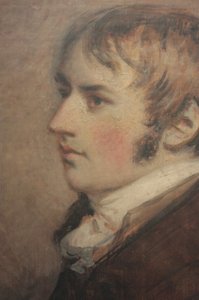
John Constable
1776 - 1837 , Regatul Unit al Marii Britanii și Irlandei
Detalii rapide
- Artistic Movement Or Style: Romanticism
- Artists Or Movements Influenced By This Artist: ['Barbizon School']
- Artists Who Influenced This Artist:
- Claude Lorrain
- Ruisdael
- Date Of Birth: 11 iunie 1776
- Date Of Death: 31 martie 1837
- Full Name: John Constable
- Nationality: Britanic
- Notable Artworks:
- The Hay Wain
- Hadleigh
- Salisbury
- Place Of Birth: East Bergholt, UK
Articole similare
John Varley I: Intimate Observation & the British Romantic Landscape
Explore the serene landscapes of John Varley I, a key figure in British Romanticism. Discover his unique watercolour style, collaboration with William Blake & lasting artistic legacy. Learn about collecting Varley's work.

John Singer Sargent: Cele Mai Iconice Capodopere – Artă, Portrete și Decorațiuni de Lux
Descoperă cele mai frumoase 25 de picturi ale lui John Singer Sargent! Portrete elegante, acuarele rafinate și capodopere impresioniste. Află povestea fiecărei opere și găsește inspirație pentru decorul casei tale pe OriginalUniqueArt.com.

Peisaje Romantice Iconice: 10 Capodopere Artistice pentru Decorul de Lux
Descoperă 10 capodopere romantice iconice de Caspar David Friedrich, Turner și alți maeștri. Explorează istoria artei, emoțiile din peisaje și găsește tablouri canvas perfecte pentru decorul tău pe OriginalUniqueArt.com!

John Constable: Cele Mai Frumoase 25 de Capodopere – Artă Clasică pentru Decorul Casei Tale
Descoperă cele mai frumoase 25 de picturi ale lui John Constable, maestru al peisajului englezesc! Explorează stilul romantic, Dedham Vale și capodopere precum The Hay Wain. Reproduceri artă clasică pentru decorul casei tale – OriginalUniqueArt.com.
John Constable: Nature, Light & the Romantic Vision of Rural England
Explore the life & art of John Constable, the Romantic painter who revolutionized landscape with emotive scenes of rural England. Discover his techniques, legacy, and key works – perfect for collectors & enthusiasts.