

 Vezi în context
 Trimite
 Distribuie
 Detalii
 Ghidul

 Descarcă
 Produse similare
 Radiografie
 Diaporama
 Statistici
Cornul Beethoven


 Citește mai mult
Giclée / Imprimare artistică
Printuri giclée sau pe canvas de calitate muzeală, cu proces de producție rapid și opțiuni flexibile de finisare. ( Comandă pictură realizată manual Treci la imagine digitală)




P118B lei10

P118H lei10

P118W lei10

P438Z lei10

P508JH lei12

P508YH lei12

P805H lei10

P805Z lei10

P919BZ lei10

P919G lei10

P919XJ lei10

P959ZH lei10

P968JZ lei12

W106C lei8

W218G lei10

W218JH lei8

W218Y lei10

W307PJ lei10

W316G lei10

W316PJ lei8

W316Y lei10

W398PJ lei8

W4111J lei10

W500HY lei15

W500JH lei15

W692G lei12

W849H lei8

W940BG lei15

W953PJ lei8




Alegeți dintre dimensiunile noastre prestabilite, care respectă proporțiile originale ale operei de artă.

Introduceți lățimea și înălțimea de care aveți nevoie, pentru a se potrivi ramei sau peretelui dumneavoastră. O printare poate fi doar tăiată, niciodată extinsă dincolo de dimensiunea imaginii originale, astfel încât o dimensiune cu o formă diferită va pierde o parte din imagine. Vă trimitem o simulare digitală pentru aprobare înainte de a imprima orice. Imaginea afișată pe această pagină nu prezintă tăierea reală — doar simularea arată acest lucru.
Livrare în întreaga lume () în 2 săptămâni, în loc de cele 4/5 săptămâni standard. (25 Octombrie)

Livrare expres gratuită la nivel mondial

Pânză de in premium

Asigurare completă pentru transport

Garanție de rambursare a taxelor vamale

Garanția fidelității culorilor

Politica de retur în 100 de zile (doar pentru defecte)

Garanție de rambursare 100%

Reducere pentru comenzi multiple
 Opțiunea cu sticlă este disponibilă doar pentru dimensiuni de sub 110 cm

Cornul Beethoven
Giclée / Imprimare artistică
Dimensiune reproducere
-


Preț total
lei 370
O Studiu Fotografie Impresionant al unui Instrument Brass Antic de Johann Nepomuk Maelzel
Un studiu fotografic fascinant al unui instrument brass antic realizat de artistul german Johann Nepomuk Maelzel, pictat în anul 1813. Această lucrare artistică surprinde cu detalii impresionante complexitatea și eleganța acestui obiect muzical emblematic din perioada lui Beethoven. Imaginea prezintă un horn impresionant, meticulos reprezentat într-o perspectivă realistă și atmosferică, oferind o privire în profunzime asupra tehnicii artistice a vremii. Fundalul albastru calmează compoziția și accentuează culoarea instrumentului, creând astfel o experiență vizuală captivantă pentru orice iubitor de artă sau colecționar atent la detalii istorice și estetice. Acest horn reprezintă un simbol al muzicii clasice și al virtuozității artistice a lui Maelzel.- Artist: Johann Nepomuk Maelzel
- An: 1813
- Stil: Fotografie Realistă
- Tehnica: Lucru fotografic atent realizat pentru a captura adevărul unei opere de artă istorice.
Context Istoric și Influențe Artistice
Lucrarea lui Maelzel aparține unui moment important în istoria artei muzicale și estetice din Europa. În jurul anului 1813, pictura reflectă influențele puternice ale stilului impresionist emergent, care pune accent pe percepția senzorială și emoțională a artistului față de subiectul reprezentat. Acest lucru este evident în modul în care lumina și culoarea sunt utilizate pentru a crea atmosfera unei opere de artă autentice și evocatoare. În plus, studiul instrumentului brass este inspirat de stilurile pictorilor olandezi precum Willem van de Velde, cunoscut pentru abordările sale inovatoare în reprezentarea peisajelor maritime și atmosferice. Această influență contribuie la caracterizarea unei opere de artă complexe și sofisticată.- Influențe Stilistice: Impresionism
- Influențe Artistice: Willem van de Velde
Simbolism și Interpretare Artistică
Hornul reprezintă în muzică simboluri puternice ale virtuozității, armoniei și exprimării emoțiilor. În pictură, acest simbol este folosit pentru a transmite mesajul unei opere de artă autentice și profundă. Forma instrumentului evocă eleganța și puterea muzicii clasice, iar culoarea albastră folosită în fundal creează o atmosferă calmă și contemplativă, invitând privitorul să reflecteze asupra semnificației estetice a lucrării. Acest studiu fotografic este mai mult decât o simplă reprezentare tehnică; el este un simbol al artei și al culturii europene din perioada lui Beethoven și Maelzel.- Simbolism Muzical: Virtuozitate, Armonie
- Simbolism Vizual: Calm, Contemplație
Impact Emotional și Aplicatii Decorative
Această reproducere atent realizată poate aduce în orice spațiu interior o notă de eleganță clasică și sofisticare. Studiul fotografic oferă inspirație pentru cei pasionați de artă și design interior, evidențiind importanța unei abordări estetice autentice și emoționale. În plus, această lucrare poate fi folosită în proiecte artistice complexe și inovatoare, contribuind astfel la revitalizarea patrimoniului artistic european și la promovarea valorilor culturale universale. Reproducerea este ideală pentru cei care apreciază frumusețea simplă și autenticitatea unei opere de artă istorice.Întrebări și răspunsuri
Unde pot găsi statistici despre "Cornul Beethoven" de Johann Nepomuk Maelzel?
Pagina Statistici pentru "Cornul Beethoven" de Johann Nepomuk Maelzel prezintă statistici privind vizitele publice: numărul de vizite lunare ale acestei opere, o comparație cu cele mai vizionate lucrări ale artistului și proveniența vizitatorilor.
Cum se întâlnesc mișcarea și epoca în "Cornul Beethoven" de Johann Nepomuk Maelzel?
În "Cornul Beethoven" de Johann Nepomuk Maelzel, mișcarea Dutch Landscape Realism întâlnește epoca 19th Century.
"Cornul Beethoven" de Johann Nepomuk Maelzel este o pictură, un desen sau o printă?
În catalog, "Cornul Beethoven" de Johann Nepomuk Maelzel este clasificat ca Artă de perete. Această categorie ajută la găsirea unor lucrări similare.
Biografie artist
Samuel Scott: A Pioneer of Dutch Landscape and Maritime Art
Samuel Scott, a name perhaps less familiar than some of his contemporaries, stands as a pivotal figure in the development of Dutch landscape and marine painting during the 18th century. Born around 1702 in London, he embarked on an artistic journey that ultimately led him to establish himself as a respected artist working primarily in the Netherlands. Scott’s career was marked by a fascinating evolution from maritime scenes – capturing the drama of naval engagements – to a more contemplative engagement with the natural world, reflecting a shift within Dutch art towards greater realism and atmospheric depth. Scott's early training remains somewhat shrouded in mystery; records indicate he began his artistic pursuits around 1720 without documented formal instruction. This self-taught approach fostered an independent spirit and allowed him to develop a distinctive style heavily influenced by the works of Willem van de Velde the Younger, a master of naval painting known for his dynamic compositions and meticulous detail. Scott’s initial focus was on depicting ships at sea – men-of-war engaged in battle, merchant vessels navigating treacherous waters – all rendered with a remarkable sense of movement and realism. These early works demonstrate a keen eye for observation and a skillful command of brushwork, capturing the textures of water, sailcloth, and timber with impressive accuracy. Notably, he collaborated with George Lambert on a series of paintings illustrating scenes from the East India Company’s voyages, showcasing his ability to combine technical skill with narrative storytelling.The Transition to Landscape and the Influence of London
Around the early 1740s, a significant shift occurred in Scott's artistic practice. He began dedicating himself to landscape painting, driven by observations of the burgeoning cityscape of London. The construction of landmarks like Westminster Bridge provided him with an endless source of inspiration, and he meticulously documented these changes through a series of paintings that offer invaluable insights into the visual culture of the era. These works are characterized by their atmospheric quality – Scott skillfully employed light and shadow to create a sense of depth and perspective, capturing the mood and character of the city. His depictions of London Bridge, particularly those painted in the late 1740s and early 1750s, stand as remarkable achievements, accurately portraying the bridge’s structure and the surrounding environment before its eventual demolition. The influence of Canaletto, a Venetian painter renowned for his urban views, is evident in Scott's approach to landscape painting. Like Canaletto, Scott sought to capture not just the physical appearance of a scene but also its overall atmosphere and character. Furthermore, Scott’s artistic journey was intertwined with social circles; he posed for Thomas Hudson, a prominent portrait painter, around 1732, solidifying his position within London's artistic community.A Journey to the River Medway and Early Collaborations
In 1732, Scott embarked on a significant excursion – a “Five Days’ Peregrination” along the River Medway and the Isle of Sheppey in company with William Hogarth and other notable figures. This journey provided him with an unparalleled opportunity to study coastal landscapes, shipbuilding techniques, and maritime activities firsthand. The resulting account, published in 1782, documented this experience and included drawings by Hogarth and Scott themselves. This collaborative effort not only showcased Scott’s artistic talent but also highlighted his ability to work effectively within a group setting. His meticulous observations during the trip are reflected in subsequent landscape paintings that demonstrate an increased understanding of natural forms and atmospheric effects.Later Years and Legacy
Scott continued to paint throughout his life, producing a substantial body of work encompassing both maritime scenes and landscapes. He exhibited works at the Society of Artists of Great Britain until 1761, demonstrating his ongoing commitment to artistic practice. His later years saw him embracing Romanticism, incorporating more dramatic storytelling and evoking emotional responses in his viewers. Despite facing periods of relative obscurity, Samuel Scott’s contributions to Dutch art are now recognized as significant. He played a crucial role in bridging the gap between earlier maritime painting traditions and the rise of landscape painting, establishing a foundation for future generations of artists. His meticulous observation, skillful technique, and atmospheric rendering continue to resonate with viewers today, offering a captivating glimpse into 18th-century Dutch society and its relationship with the natural world. Scott’s legacy lies not only in his individual works but also in his pioneering role as a landscape painter who brought a new level of realism and emotional depth to the genre.
Johann Nepomuk Maelzel
1772 - 1838 , Germany
Informații rapide
- Full Name: Jan Maurits Quinkhard
- Nationality: Dutch
- Date Of Birth: 1772
- Date Of Death: 1838
- Place Of Birth: Reims, Germany
- Notable Artworks:
- Familiar scenes
- Allegorical works
- Mythological paintings
- Artistic Movement Or Style: Portraiture, History, Mythology
- Artists Who Influenced This Artist:
- Julius Quinkhardt the elder
- Arnold van Boonen
- Artists Or Movements Influenced By This Artist: ['Amsterdam Museum']
Articole conexe

Peisaje Romantice Iconice: 10 Capodopere Artistice pentru Decorul de Lux
Descoperă 10 capodopere romantice iconice de Caspar David Friedrich, Turner și alți maeștri. Explorează istoria artei, emoțiile din peisaje și găsește tablouri canvas perfecte pentru decorul tău pe OriginalUniqueArt.com!

Jan van Goyen: Master of Dutch Landscape & Atmospheric Perspective
Discover Jan van Goyen, the master of Dutch landscape painting. Explore his subtle technique, atmospheric realism & lasting influence on art history. Learn about this 17th-century pioneer at OriginalUniqueArt.

Golden Light & Dutch Skies: The Timeless Magic of Dutch Golden Age Landscapes
Discover the breathtaking beauty of Dutch Golden Age landscapes. Explore the mastery of light, chiaroscuro, and 17th-century realism through an expert art history lens, celebrating the enduring legacy of the Dutch Masters for discerning collectors and art lovers.
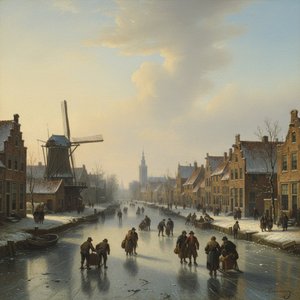
Charles Leickert: Capturing the Dutch Golden Age Light – A Comprehensive Study of Technique, Context, and Legacy
Explore the captivating winter landscapes of Charles Leickert, a master of Dutch Golden Age light & atmosphere. Discover his techniques, symbolism, and lasting legacy – a comprehensive study for art enthusiasts and collectors.

Golden Light & Dutch Skies: Bringing the Magic of Dutch Golden Age Landscapes into Your Home
Transform your home with the breathtaking light of Dutch Golden Age landscapes. Discover how hand-painted oil reproductions of masterworks like Ruisdael and Vermeer bring timeless elegance, atmosphere, and soulful texture to modern interiors. Elevate your space with museum-quality art.
