

 Previzualizare
 Trimite
 Distribuie
 Detalii despre lucrare

 Descarcă
 Produse similare
 Radiografie
 Diapozitive automate
 Statistici
Aeneas's Sacrifice


 Vezi mai mult
Reproducere pictată manual în ulei
Pictură în ulei pe pânză, realizată manual de artiștii noștri la dimensiunea și ramele dorite de dumneavoastră, pe comandă. ( Comută pe Print Comută pe Imagine Digitală)




































Alegeți dintre dimensiunile noastre prestabilite, care respectă proporțiile originale ale operei de artă.

Puteți introduce propriile dimensiuni pentru a se potrivi unui anumit cadru sau spațiu. Dacă dimensiunea selectată nu corespunde proporțiilor imaginii originale, vom decupa opera de artă sau vom extinde pictura cu elemente suplimentare pictate manual. O simulare digitală vă va fi trimisă pentru aprobare înainte de începerea producției.
Vă rugăm să rețineți că previzualizarea de pe ecran nu reflectă decuparea sau extinderea reală. Doar macheta va arăta cu exactitate compoziția finală.
Deși sunt disponibile dimensiuni personalizate, vă recomandăm să selectați o dimensiune din lista predefinită pentru a păstra proporțiile originale.
După plasarea comenzii, echipa OriginalUniqueArt.com va contacta clientul prin e-mail pentru instrucțiuni și îi va furniza o previzualizare a machetei
Livrare în întreaga lume () în 3-4 săptămâni, în loc de cele 5 săptămâni standard. (13 Septembrie). Fără compromisuri în ceea ce privește calitatea.

Livrare expres gratuită la nivel mondial

Pânză de in de înaltă calitate

Asigurare completă pentru transport

Garanție de rambursare a taxelor vamale

Garanția fidelității culorilor

Politica de retur de 100 de zile (doar pentru defecte)

Garanție de rambursare 100%

Ofertă pentru comenzi multiple
 Opțiunea cu sticlă este disponibilă doar pentru dimensiuni de sub 110 cm

Aeneas's Sacrifice
Tehnică de reproducere
Dimensiune reproducere
-


Preț total calculat
$ 300
Biografie artist
Johann Michael Rottmayr (1654 - 1730): Austrian Baroque Master
Johann Michael Rottmayr, born in Lauf an der Pegnitz, Germany around 1654 (sources vary between 1654 and 1656), stands as a pivotal figure in the transition from the High Baroque to the Rococo styles in Central Europe. He wasn’t merely a painter; he was a conduit, skillfully channeling the vibrant energy of Italian Renaissance masters through the lens of burgeoning Austrian artistic sensibilities. Rottmayr's journey began within a family already touched by artistry, providing fertile ground for his innate talents to blossom. His formal training commenced under Johann Carl Loth in Venice – a formative experience that would indelibly shape his aesthetic vision. Loth’s tutelage wasn’t simply about technique; it was an immersion into the world of Titian, Veronese, and Tintoretto, instilling within Rottmayr a deep appreciation for coloristic richness, dramatic composition, and the masterful use of light and shadow. This Venetian influence would remain a cornerstone of his style throughout his career. He wasn’t alone in absorbing Italian influences; Hans Adam Weissenkircher, a contemporary from Lauf, also played a crucial role in bringing these artistic currents northwards, fostering a shared aesthetic dialogue that enriched the region's art scene.Early Life and Artistic Training
Rottmayr’s early life reveals a familial connection to artistry—his mother was herself a painter—a circumstance undoubtedly contributing to his burgeoning talent. Around 1675 he embarked on his artistic education under Johann Carl Loth in Venice, an encounter that proved transformative. Loth’s influence extended far beyond mere instruction; it encompassed a profound understanding of the stylistic innovations championed by masters like Titian, Veronese, and Tintoretto. This immersion instilled within Rottmayr not only technical proficiency but also a fervent admiration for their masterful manipulation of color, form, and light—elements that would define his artistic approach for decades to come. The Venetian connection wasn’t merely academic; it fostered a crucial dialogue with the broader artistic landscape of Italy during this period.Salzburg and Patronage
His relocation to Salzburg in 1689 marked a significant turning point, securing him a prestigious position as the general painter to Prince-Bishop Johann Ernst Graf Thun. This patronage afforded Rottmayr consistent commissions and elevated his reputation within Salzburg’s aristocratic circles—a circumstance that fueled his artistic productivity and allowed him to explore ambitious projects. Notably, he collaborated closely with Johann Bernhard Fischer von Erlach, a leading architect of the time, forging an alliance that yielded remarkable results. Together they undertook monumental undertakings, seamlessly integrating architecture and painting to create immersive spaces designed to inspire awe and reverence. The frescoes adorning Schloss Frain an der Thaya (now Vranov nad Dyjí), particularly the vast oval cupola depicting the Ancestral Hall, exemplify this partnership’s brilliance—a testament to Rottmayr's ability to elevate architectural grandeur through visual artistry.Melk Abbey and Venetian Legacy
Rottmayr’s magnum opus resides in the monumental fresco decorating the central dome of Melk Abbey, completed around 1703. This ambitious undertaking embodies the zenith of his artistic prowess—a breathtaking panorama of celestial splendor achieved through masterful illusionistic techniques reminiscent of Tintoretto and Veronese. The sheer scale of the work, combined with Rottmayr’s meticulous attention to perspective and color, generates an overwhelming sensation of transcendence, transforming the abbey’s interior into a realm of divine beauty. Beyond Melk Abbey, Rottmayr continued to embellish churches and palaces across Austria and Germany—including Karlskirche in Vienna—demonstrating his unwavering commitment to exploring innovative compositional strategies and vibrant palettes. His work stands as an enduring embodiment of Venetian artistic principles adapted to the evolving aesthetic sensibilities of Central Europe.A Synthesis of Styles: Rottmayr’s Artistic Significance
Rottmayr's contribution transcends individual masterpieces; he served as a crucial bridge between the grandeur of the High Baroque and the delicate elegance of the Rococo, synthesizing influences from both traditions into a distinctive artistic idiom. His paintings are characterized by dramatic lighting—a hallmark of Baroque aesthetics—yet they also reveal a growing sensitivity to form and detail—anticipating the stylistic refinements characteristic of the Rococo period. Rottmayr’s legacy continues to inspire admiration for his masterful command of technique, his profound understanding of visual illusion, and his ability to convey spiritual grandeur through artistic expression. He died in Vienna on October 25th, 1730, leaving behind an indelible mark on Austrian art history.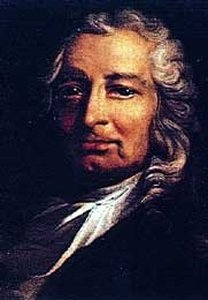
Johann Michael Rottmayr
1654 - 1730 , Germania
Detalii rapide
- Artistic Movement Or Style: Baroque
- Artists Or Movements Influenced By This Artist: ['Austrian Baroque painters']
- Artists Who Influenced This Artist: ['Johann Carl Loth']
- Date Of Birth: Dec 11, 1654
- Date Of Death: Oct 25, 1730
- Full Name: Johann Michael Rottmayr
- Nationality: Austrian
- Notable Artworks:
- Melk Abbey Dome
- Intercession of Charles Borromeo
- Vulcan
- Place Of Birth: Laufen, Germany
