Previzualizare
 Trimite prin felicitare
 Distribuie
 Detalii despre lucrare
 Ghid
Ghid

 Descarcă imaginea
 Produse similare
 Radiografie
 Galerie foto
 Statistici
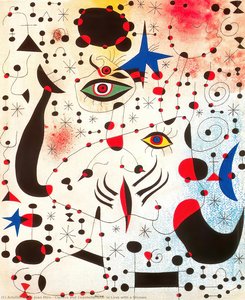
Salome Dancing before Herod
 Acrilic pe pânză
- Artă murală
- Surrealist Abstract
 87.0 x 86.0 cm
 Vezi mai mult
Lucrarea de artă afișată pe această pagină este protejată de legile privind drepturile de autor, ceea ce înseamnă că nu putem crea sau vinde în mod legal o reproducere identică. Această protecție este garantată prin acorduri internaționale, precum Convenția de la Berna și de legile naționale, inclusiv cele prevăzute de Legea dreptului de autor din S.U.A. – Titlul 17. Toate drepturile rezervate. Orice reproducere neautorizată este interzisă.
Această metodă respectă pe deplin reglementările privind drepturile de autor, deoarece nu implică copierea sau duplicarea operei protejate. În schimb, este o reinterpretare creativă – o pictură nouă, influențată de original, dar care nu este identică cu acesta.
Giclée / Imprimare artistică
Printuri giclée sau pe canvas de calitate muzeală, cu proces de producție rapid și opțiuni flexibile de finisare. ( Comandă pictură realizată manual Comută pe Imagine Digitală)




P118B lei10

P118H lei10

P118W lei10

P438Z lei10

P508JH lei12

P508YH lei12

P805H lei10

P805Z lei10

P919BZ lei10

P919G lei10

P919XJ lei10

P959ZH lei10

P968JZ lei12

W106C lei8

W218G lei10

W218JH lei8

W218Y lei10

W307PJ lei10

W316G lei10

W316PJ lei8

W316Y lei10

W398PJ lei8

W4111J lei10

W500HY lei15

W500JH lei15

W692G lei12

W849H lei8

W940BG lei15

W953PJ lei8




Alegeți dintre dimensiunile noastre prestabilite, care respectă proporțiile originale ale operei de artă.

Introduceți lățimea și înălțimea necesare pentru a se potrivi ramei sau peretelui dumneavoastră. O printare poate fi doar tăiată, niciodată extinsă dincolo de dimensiunea imaginii originale, astfel încât o dimensiune cu o formă diferită va pierde o parte din imagine. Vă trimitem o simulare digitală pentru aprobare înainte de a imprima orice. Imaginea afișată pe această pagină nu prezintă tăierea reală — doar simularea arată acest lucru.
Livrare în întreaga lume () în 2 săptămâni, în loc de cele 4/5 săptămâni standard. (25 Octombrie)

Livrare expres gratuită la nivel mondial

Pânză de in de înaltă calitate

Asigurare completă pentru transport

Garanție de rambursare a taxelor vamale

Garanția fidelității culorilor

Politica de retur în 100 de zile (doar pentru defecte de fabricație)

Garanție de rambursare 100%

Ofertă pentru comenzi multiple
 Opțiunea cu sticlă este disponibilă doar pentru dimensiuni de sub 110 cm

Salome Dancing before Herod
Giclée / Imprimare artistică
Dimensiune reproducere
-


Preț total calculat
lei 370
A Banquet of Shadows: Unveiling Joan Miró’s ‘Salome Dancing before Herod’
Joan Miró's ‘Salome Dancing before Herod’, rendered in oil on canvas and measuring 87 x 86 cm, is a captivating departure from the artist’s typically vibrant and abstract compositions. While not immediately recognizable as a work by the master of playful forms and bold colors, this piece reveals a fascinating exploration of narrative and symbolism within Miró's evolving artistic language. The painting depicts a scene steeped in historical and biblical drama – Salome’s fateful dance for Herod, a moment fraught with tension, desire, and impending tragedy. Rather than a literal depiction, however, Miró presents us with an enigmatic gathering around a long table, populated by figures that seem to exist between worlds, their medieval attire hinting at a timeless quality of myth and legend.
Deciphering the Scene: Symbolism and Narrative
The composition is densely packed with individuals, thirteen in total, engaged in what appears to be a lavish, yet unsettling banquet. Their stillness, despite the implied energy of Salome’s dance (though she herself is absent from the scene), creates an atmosphere of expectant dread. The table itself becomes a focal point – laden with bowls, cups, and utensils, it symbolizes both abundance and potential corruption. A solitary cat, positioned in the lower left corner, adds a layer of intrigue; often associated with mystery, independence, and even witchcraft, its gaze draws the viewer into the painting’s hidden depths. The absence of Salome herself is crucial. Miró doesn't show us the act of seduction, but rather its aftermath – or perhaps, the anticipation *of* it. We are left to imagine her movements, her power, and the consequences that will unfold. The work subtly alludes to the biblical story from Matthew 14:3-12 and Mark 6:17-29, where Salome’s dance pleases Herod so much that he promises her anything she asks for, leading to the beheading of John the Baptist.
A Shift in Style: Miró's Exploration of Form and History
While Miró is celebrated for his biomorphic shapes and dreamlike landscapes, ‘Salome Dancing before Herod’ demonstrates a willingness to engage with historical subject matter and more traditional figuration. This painting appears as an intriguing anomaly within his oeuvre, suggesting a period of experimentation where he grappled with narrative representation. The figures are not rendered in the simplified forms we often associate with Miró; instead, they possess a degree of anatomical detail, albeit stylized and somewhat haunting. The color palette is restrained compared to his later works, favoring muted tones that enhance the painting’s somber mood. This stylistic choice underscores the gravity of the subject matter and invites contemplation rather than immediate visual delight. It's as if Miró deliberately subdued his characteristic exuberance to convey a sense of foreboding and moral ambiguity.
The Enduring Legacy: A Reproduction for the Discerning Eye
For those seeking to bring a piece of art history into their homes, a hand-painted reproduction of ‘Salome Dancing before Herod’ offers a unique opportunity. This is not merely a decorative object; it's a window into Miró’s intellectual and artistic journey – a moment where he confronted the weight of historical narrative and explored the darker aspects of human desire. The painting’s complex symbolism and subtle emotional power make it an ideal focal point for any interior, sparking conversation and inviting viewers to delve into its mysteries. A high-quality reproduction faithfully captures the nuances of Miró's brushwork and color palette, ensuring that the artwork’s evocative atmosphere is preserved for generations to come. It stands as a testament to Miró’s versatility and his enduring ability to challenge our perceptions of art and reality.
Întrebări și răspunsuri
Care este dimensiunea și orientarea recomandate pentru printarea lucrării „Salome Dancing before Herod”?
Dimensiunea Dimensiune mare, orientarea Pătrat: aceasta este configurația de imprimare recomandată pentru "Salome Dancing before Herod" de Joan Miró.
Unde pot cumpăra o reproducere pictată manual a operei "Salome Dancing before Herod" de Joan Miró?
„Salome Dancing before Herod” este disponibil ca o reproducere pictată manual în ulei pe pânză de in. Comanda poate fi plasată pe pagina de Reproducere pictată în ulei, cu posibilitatea de a alege dimensiunea dorită.
Ce dimensiuni are "Salome Dancing before Herod" de Joan Miró în realitate?
„Salome Dancing before Herod” măsoară 87 x 86 cm în formatul său original. Dimensiunile originale reprezintă o referință utilă atunci când alegeți dimensiunea unei reproduceri.
Biografie artist
Un vizionar catalan: Viața și artă lui Joan Miró
Joan Miró i Ferrà, născut în Barcelona în 1893, se impune ca una dintre cele mai semnificative figuri ale artei secolului XX. Călătoria sa nu a fost doar o progresie prin stiluri, ci o explorare a lumilor interioare, traducând vise, amintiri și identitatea catalană pe pânză printr-un limbaj vizual unic, profund poetic. Pornind de la începuturi modeste, marcate de boală și de inițialele rezerve ale părinților sale cu privire la pasiunea sa artistică, Miró a perseverat, condus de nevoia înnăscută de a exprima intangibilul — emoțiile, senzațiile și curentul subconștient care zac sub suprafața realității. Primele sale ani de viață au fost îmbibați în tradițiile Barcelonei, un oraș plin de minuni arhitecturale datorită lui Antoni Gaudí, ale cărui forme organice vor influența subtil abstractizările ulterioare ale lui Miró. Profesia de aurar a tatălui său i-a insuflat aprecierea pentru măiestria meticuloasă, în timp ce peisajul aspru catalan a devenit un motiv recurent și o sursă de inspirație pe tot parcursul carierei sale.Influențe timpurii și drumul către Surrealism
Formarea artistică formală a lui Miró a început la La Llotja din Barcelona, unde și-a perfecționat abilitățile în tehnici tradiționale. Totuși, contactul cu mișcările de avangardă care străbateau Parisul a fost cel care i-a aprins cu adevărat evoluția creativă. Culorile vibrante ale Fauvismului și formele fragmentate ale Cubismului au rezonat profund în sufletul său, determinându-l să se mute la Paris în াহত 1920. Această perioadă s-a dovedit a fi crucială, deoarece a întâlnit artiști precum Pablo Picasso și a început să experimenteze compoziții tot mai abstracte. Cu toate acestea, Miró nu a adoptat pur și simplu aceste stiluri; el le-a sintetizat, făurind o cale către propria sa estetică distinctivă. El a căutat să destileze formele până la esența lor, eliminând detaliile reprezentative în favoarea formelor simbolice și a culorilor evovatoare. Această explorare l-a condus către grupul Surrealist în 1924, aliniindu-l cu artiști precum Max Ernst și Salvador Dalí. Deși a îmbrățișat interesul surrealist pentru subconștient, Miró și-a păstrat o sensibilitate unică — opera sa nu era mai degrabă despre imagini șocante sau simbolism freudian, ci despre crearea unei lumi a formelor jucăușe și a sugestiei poetice.Limbajul simbolurilor: Opere cheie și inovații artistice
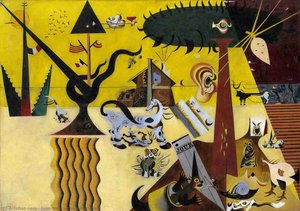
Pe parcursul anilor 1920 și 1930, Miró și-a dezvoltat vocabularul vizual semnătură — un univers populat de forme biomorfice, forme plutitoare și culori vibrante. Fermă (1922), adesea considerată o piatră de temelie a operei sale, exemplifică această tranziție. Nu este doar o reprezentare a vieții rurale, ci o evocare a identității catalane și o reprezentare simbolică a lumii naturale. Spiritul său colaborativ a dus la tehnici inovatoare precum *grattage*, pionierat împreună cu Max Ernst în 1926 pentru designuri destinate baletului lui Sergei Diaghilev, unde texturile erau descoperite prin zgârierea vopselei pe pânză. Seria Interioare Olandeze (1928) a demonstrat capacitatea sa de a reinterpreta maeștrii vechi printr-o lentilă distinct modernă, transformând scene domestice în abstractizări onirice. Pictură (1933), cu culorile sale îndrăznețe și formele simplificate, întipărește explorarea lui Miró asupra subconștientului și respingerea limitelor artistice convenționale. Dincolo de pictură, Miró a experimentat fără teamă cu sculptura, ceramica și gravura, extinzându-și orizonturile creative și demonstrând o versatilitate remarcabilă.Moștenire și influență durabilă
Impactul lui Joan Miró asupra artei secolului XX este incontestabil. El nu a fost pur și simplu un pictor; a fost un vizionar care a provocat însăși definiția expresiei artistice. Opera sa a deschis calea către expresionismul abstract și continuă să inspire artiști din diverse discipline. El a înființat două fundații — Fundació Joan Miró în Barcelona (1975) și Fundació Pilar i Joan Miró în Palma de Mallorca (1981) — asigurându-se astfel că moștenirea sa va dăinui, oferind spații pentru explorare artistică și educație. Pe parcursul lungii sale cariere, a rămas dedicat sfidării limitelor, cuestionării convențiilor și explorării adâncimilor imaginației umane. Arta lui Miró este o mărturie a puterii abstractizării, a simbolismului și a expresiei poetice — o celebrare vibrantă a vieții, a viselor și a spiritului nemuritor al culturii catalane. Opera sa continuă să rezoneze cu publicul din întreaga lume, invitându-ne să intrăm într-o lume în care orice este posibil, iar granițele dintre realitate și fantezie se estompează într-un dans captivant de culoare și formă.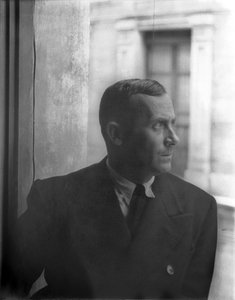
Joan Miró
1893 - 1983 , Spania
Detalii rapide
- Artistic Movement Or Style: Surrealism, Abstract Art
- Artists Or Movements Influenced By This Artist: ['Fauvism']
- Artists Who Influenced This Artist: ['Pablo Picasso']
- Date Of Birth: 1893
- Date Of Death: 1983
- Full Name: Joan Miró i Ferrà
- Nationality: Spaniol
- Notable Artworks:
- The Farm
- Dutch Interiors
- Painting
- Place Of Birth: Barcelona, Spania
Articole similare

Cele mai importante 10 capodopere ale abstracției geometrice | Artă & Decor de lux pe OriginalUniqueArt.com
Descoperă cele mai importante 10 capodopere ale abstracției geometrice! Explorează istoria, artiștii (Mondrian, Kandinsky) și culorile vibrante care au definit arta modernă. Reproduceri de tablouri de lux pe OriginalUniqueArt.com pentru un decor interior rafinat. Explorează colecția online!
Joan Miró: Cele Mai Iconice 25 De Opere – Artă Modernă pentru Decorul Tău
Descoperă cele mai iconice 25 de opere Joan Miró! Explorează biografiile, tehnicile și simbolismul din spatele picturilor abstracte, suprarealiste și catalane. Găsește inspirație pentru decorul tău cu reproduceri artă de calitate superioară pe OriginalUniqueArt.com.
Surrealism: Cele Mai Importante 10 Capodopere Artistice – OriginalUniqueArt.ro
Descoperă cele mai importante 10 capodopere ale suprarealismului! Explorează poveștile din spatele picturilor lui Dali, Magritte și Miró. Reproduceri de artă de calitate muzeală pentru un decor interior unic pe OriginalUniqueArt.ro.

Wassily Kandinsky: Cele Mai Iconice 25 De Opere – Artă Abstractă pentru Decor Rafinat
Descoperă cele mai emblematice 25 de opere ale lui Wassily Kandinsky, pionierul artei abstracte! Explorează culorile vibrante, compozițiile unice și istoria fascinantă din spatele fiecărei picturi. Reproduceri de calitate muzeală pe OriginalUniqueArt.com – inspiră-ți decorul cu artă modernă!

Top 10 Capodopere ale Expresionismului Abstract: Artă, Artiști și Decorațiuni de Lux | OriginalUniqueArt.ro
Descoperă Top 10 capodopere ale Expresionismului Abstract! Explorează poveștile lui Pollock, Rothko și De Kooning. Reproduceri de artă de lux & inspirație decor pe OriginalUniqueArt.ro. Găsește pictura perfectă pentru spațiul tău!