

 Previzualizare
 Trimite prin felicitare
 Distribuie
 Detalii despre lucrare
 Ghid
Ghid

 Descarcă imaginea
 Produse similare
 Radiografie
 Galerie foto
 Statistici
Desnudo


 Vezi mai mult
Achiziționați o imagine digitală de înaltă rezoluție, îmbunătățită, mult superioară previzualizării online.
Fiecare fișier este pregătit cu meticulozitate de specialiștii noștri interni, utilizând instrumente avansate și retușare manuală expertă. Ne asigurăm că fiecare imagine beneficiază de o claritate excepțională, o acuratețe precisă a culorilor și detalii fine.
Fișierul final este livrat prin e-mail în termen de 72 de ore, optimizat pentru utilizare imediată în medii profesionale, editoriale și de imprimare. Aceasta este aceeași calitate în care au încredere studiouri de design, edituri și galerii de top.
Imagine Digitală
Descărcați un fișier la rezoluție înaltă pentru afișare personală, imprimare și proiecte creative. ( Comută pe versiunea Print Comandă pictură realizată manual)
Inclus în fiecare comandă de imagini digitale
Livrare digitală de expertiză, garantată
Când alegeți OriginalUniqueArt.com, nu primiți doar o simplă imagine – primiți o operă de artă digitală îmbunătățită profesional, creată cu precizie și susținută de o garanție de satisfacție. Iată tot ceea ce primești odată cu comanda ta, în mod automat:

Livrare rapidă prin e-mail
Fișierul imaginii digitale la rezoluție înaltă vă va fi trimis prin e-mail în termen de 72 de ore de la finalizarea comenzii – gata pentru utilizare imediată.

Fișier digital optimizat prin IA
Opera ta de artă este optimizată profesional prin intermediul unor instrumente AI avansate și al editării manuale, asigurând un nivel maxim de detalii, claritate și acuratețe a culorilor.

Retransmitere gratuită pe viață
Ai șters sau ai pierdut din greșeală fișierul? Nu îți face griji – ți-l vom retrimite oricând, gratuit.

Fără taxe de import – Întotdeauna
Bucură-te instant de noua ta operă de artă, fără taxe vamale, taxe de import sau costuri de livrare – descărcările digitale sunt întotdeauna fără taxe.

Garanția acurateții culorilor
Asigurăm o reflectare cât mai fidelă a culorilor originale în imaginea ta digitală, prin utilizarea unor instrumente profesionale și a proceselor de gestionare a culorii.

Garanție de satisfacție de 100 de zile
Dacă nu sunteți mulțumit de imaginea digitală achiziționată, o vom revizui sau vă vom returna 100% în termen de 100 de zile – fără nicio întrebare.

Garanție de returnare 100% a banilor
Nu ești mulțumit? Primești rambursarea integrală în termen de 100 de zile de la primirea fișierului digital – fără nicio întrebare.

Reduceri pentru comenzi în volum
Cumpără 3 imagini, economisește 10% - Cumpără 5, economisește 15% - Cumpără 10+, economisește 20%. Ideal pentru proiecte creative, galerii și agenții.
A Dreamscape Unveiled: Exploring Joan Miró’s “Desnudo”
Joan Miró's "Desnudo" (Naked), painted in 1926, isn’t merely a depiction of the human form; it’s an immersion into a surrealist dreamscape—a vibrant testament to the Catalan artist’s unique vision and his profound engagement with the subconscious. This captivating work, rendered primarily in bold blocks of red, yellow, green, and beige against a stark black backdrop, immediately draws the viewer into a world where familiar forms are playfully distorted and imbued with symbolic weight. It's a piece that whispers of fertility, memory, and the boundless potential of imagination, echoing the spirit of early Surrealism while retaining Miró’s distinctly personal style.
The composition itself is deliberately asymmetrical, guiding the eye through a carefully orchestrated arrangement of abstract shapes. A stylized female figure dominates the left side, her form suggestive yet ambiguous—a potent symbol that could represent femininity, creativity, or perhaps simply the raw energy of life itself. Scattered around this central element are a series of intriguing motifs: a vibrant green shape reminiscent of a fruit or leaf, a striking red circle punctuated by yellow tendrils, and a pear-like form adding to the organic chaos. A subtle, dashed horizontal line bisects the canvas, providing a structural anchor within the otherwise fluid arrangement, preventing the piece from dissolving entirely into pure abstraction. This deliberate balance between order and disorder is characteristic of Miró’s approach – he sought to capture the essence of both logic and intuition.
The Language of Color and Line
Miró's masterful use of color is central to the painting’s impact. The limited palette—primarily reds, yellows, greens, and beiges—is applied with a remarkable directness; there’s little blending or softening of edges. Instead, each shape exists as a distinct entity, radiating its own internal glow against the enveloping darkness. This technique creates a powerful visual texture, emphasizing the materiality of the paint itself and lending the work a graphic, almost childlike quality. The sparing use of lines—primarily in the form of the dashed horizontal line and the outlines of the shapes—further contributes to the painting’s abstract feel, reinforcing its sense of immediacy and spontaneity.
Echoes of Surrealism and Catalan Identity
“Desnudo” firmly places itself within the context of early 20th-century Surrealism, drawing inspiration from artists like Joan Miró himself. However, it’s crucial to recognize that Miró developed a highly individual style, deeply rooted in his Catalan heritage. The organic forms—resembling natural elements but rendered with an element of dreamlike distortion—evoke the rugged landscapes and folklore of Catalonia, a region he consistently revisited throughout his career. The influence of Gaudí's architectural innovations is also subtly present, particularly in the flowing curves and biomorphic shapes that populate the composition. The painting feels both intensely personal and deeply connected to its cultural origins.
Symbolism and Emotional Resonance
Beyond its formal qualities, “Desnudo” resonates with a profound sense of dreamlike wonder and playful abstraction. The scattered shapes can be interpreted as fragments of memory, echoes of the subconscious, or perhaps even representations of primal instincts. The central figure’s ambiguous nature invites multiple readings—a symbol of fertility, creativity, or simply the mystery of human existence. Ultimately, Miró's work resists easy interpretation, encouraging viewers to engage with the painting on a deeply personal level and to construct their own meaning within its evocative space. “Desnudo” is not just a painting; it’s an invitation to step into a world where logic dissolves and imagination reigns supreme.
Întrebări și răspunsuri
Ce ton emoțional transmite stilul Surrealist Painting din "Desnudo"?
Emoția Mysterious din "Desnudo" însoțește stilul său Surrealist Painting.
Care este culoarea dominantă în "Desnudo" de Joan Miró?
Black (#050506) este culoarea dominantă a operei "Desnudo" de Joan Miró.
"Desnudo" de Joan Miró este o compoziție de tip portret, peisaj sau pătrată?
"Desnudo" de Joan Miró are un format Portrait. Formatul descrie proporțiile compoziției.
Biografie artist
Un vizionar catalan: Viața și artă lui Joan Miró
Joan Miró i Ferrà, născut în Barcelona în 1893, se impune ca una dintre cele mai semnificative figuri ale artei secolului XX. Călătoria sa nu a fost doar o progresie prin stiluri, ci o explorare a lumilor interioare, traducând vise, amintiri și identitatea catalană pe pânză printr-un limbaj vizual unic, profund poetic. Pornind de la începuturi modeste, marcate de boală și de inițialele rezerve ale părinților sale cu privire la pasiunea sa artistică, Miró a perseverat, condus de nevoia înnăscută de a exprima intangibilul — emoțiile, senzațiile și curentul subconștient care zac sub suprafața realității. Primele sale ani de viață au fost îmbibați în tradițiile Barcelonei, un oraș plin de minuni arhitecturale datorită lui Antoni Gaudí, ale cărui forme organice vor influența subtil abstractizările ulterioare ale lui Miró. Profesia de aurar a tatălui său i-a insuflat aprecierea pentru măiestria meticuloasă, în timp ce peisajul aspru catalan a devenit un motiv recurent și o sursă de inspirație pe tot parcursul carierei sale.Influențe timpurii și drumul către Surrealism
Formarea artistică formală a lui Miró a început la La Llotja din Barcelona, unde și-a perfecționat abilitățile în tehnici tradiționale. Totuși, contactul cu mișcările de avangardă care străbateau Parisul a fost cel care i-a aprins cu adevărat evoluția creativă. Culorile vibrante ale Fauvismului și formele fragmentate ale Cubismului au rezonat profund în sufletul său, determinându-l să se mute la Paris în াহত 1920. Această perioadă s-a dovedit a fi crucială, deoarece a întâlnit artiști precum Pablo Picasso și a început să experimenteze compoziții tot mai abstracte. Cu toate acestea, Miró nu a adoptat pur și simplu aceste stiluri; el le-a sintetizat, făurind o cale către propria sa estetică distinctivă. El a căutat să destileze formele până la esența lor, eliminând detaliile reprezentative în favoarea formelor simbolice și a culorilor evovatoare. Această explorare l-a condus către grupul Surrealist în 1924, aliniindu-l cu artiști precum Max Ernst și Salvador Dalí. Deși a îmbrățișat interesul surrealist pentru subconștient, Miró și-a păstrat o sensibilitate unică — opera sa nu era mai degrabă despre imagini șocante sau simbolism freudian, ci despre crearea unei lumi a formelor jucăușe și a sugestiei poetice.Limbajul simbolurilor: Opere cheie și inovații artistice
Pe parcursul anilor 1920 și 1930, Miró și-a dezvoltat vocabularul vizual semnătură — un univers populat de forme biomorfice, forme plutitoare și culori vibrante. Fermă (1922), adesea considerată o piatră de temelie a operei sale, exemplifică această tranziție. Nu este doar o reprezentare a vieții rurale, ci o evocare a identității catalane și o reprezentare simbolică a lumii naturale. Spiritul său colaborativ a dus la tehnici inovatoare precum *grattage*, pionierat împreună cu Max Ernst în 1926 pentru designuri destinate baletului lui Sergei Diaghilev, unde texturile erau descoperite prin zgârierea vopselei pe pânză. Seria Interioare Olandeze (1928) a demonstrat capacitatea sa de a reinterpreta maeștrii vechi printr-o lentilă distinct modernă, transformând scene domestice în abstractizări onirice. Pictură (1933), cu culorile sale îndrăznețe și formele simplificate, întipărește explorarea lui Miró asupra subconștientului și respingerea limitelor artistice convenționale. Dincolo de pictură, Miró a experimentat fără teamă cu sculptura, ceramica și gravura, extinzându-și orizonturile creative și demonstrând o versatilitate remarcabilă.Moștenire și influență durabilă
Impactul lui Joan Miró asupra artei secolului XX este incontestabil. El nu a fost pur și simplu un pictor; a fost un vizionar care a provocat însăși definiția expresiei artistice. Opera sa a deschis calea către expresionismul abstract și continuă să inspire artiști din diverse discipline. El a înființat două fundații — Fundació Joan Miró în Barcelona (1975) și Fundació Pilar i Joan Miró în Palma de Mallorca (1981) — asigurându-se astfel că moștenirea sa va dăinui, oferind spații pentru explorare artistică și educație. Pe parcursul lungii sale cariere, a rămas dedicat sfidării limitelor, cuestionării convențiilor și explorării adâncimilor imaginației umane. Arta lui Miró este o mărturie a puterii abstractizării, a simbolismului și a expresiei poetice — o celebrare vibrantă a vieții, a viselor și a spiritului nemuritor al culturii catalane. Opera sa continuă să rezoneze cu publicul din întreaga lume, invitându-ne să intrăm într-o lume în care orice este posibil, iar granițele dintre realitate și fantezie se estompează într-un dans captivant de culoare și formă.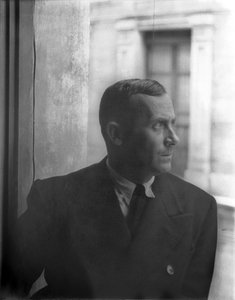
Joan Miró
1893 - 1983 , Spania
Detalii rapide
- Artistic Movement Or Style: Surrealism, Abstract Art
- Artists Or Movements Influenced By This Artist: ['Fauvism']
- Artists Who Influenced This Artist: ['Pablo Picasso']
- Date Of Birth: 1893
- Date Of Death: 1983
- Full Name: Joan Miró i Ferrà
- Nationality: Spaniol
- Notable Artworks:
- The Farm
- Dutch Interiors
- Painting
- Place Of Birth: Barcelona, Spania