Vezi în context
 Trimite
 Distribuie
 Detalii
 Ghidul

 Descarcă
 Produse similare
 Radiografie
 Diaporama
 Statistici
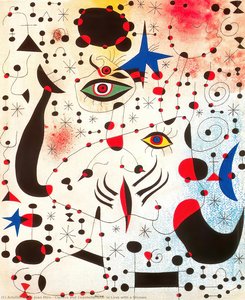
Character and Bird


 Citește mai mult
Lucrarea de artă afișată pe această pagină este protejată de legile privind drepturile de autor, ceea ce înseamnă că nu putem crea sau vinde în mod legal o reproducere identică. Această protecție este garantată prin acorduri internaționale, precum Convenția de la Berna și de legile naționale, inclusiv cele prevăzute de Legea dreptului de autor din S.U.A. – Titlul 17. Toate drepturile rezervate. Orice reproducere neautorizată este interzisă.
Această metodă respectă pe deplin reglementările privind drepturile de autor, deoarece nu implică copierea sau duplicarea operei protejate. În schimb, este o reinterpretare creativă – o pictură nouă, influențată de original, dar care nu este identică cu acesta.
Giclée / Imprimare artistică
Printuri giclée sau pe canvas de calitate muzeală, cu proces de producție rapid și opțiuni flexibile de finisare. ( Comandă pictură realizată manual Treci la imagine digitală)




P118B lei10

P118H lei10

P118W lei10

P438Z lei10

P508JH lei12

P508YH lei12

P805H lei10

P805Z lei10

P919BZ lei10

P919G lei10

P919XJ lei10

P959ZH lei10

P968JZ lei12

W106C lei8

W218G lei10

W218JH lei8

W218Y lei10

W307PJ lei10

W316G lei10

W316PJ lei8

W316Y lei10

W398PJ lei8

W4111J lei10

W500HY lei15

W500JH lei15

W692G lei12

W849H lei8

W940BG lei15

W953PJ lei8




Alegeți dintre dimensiunile noastre prestabilite, care respectă proporțiile originale ale operei de artă.

Introduceți lățimea și înălțimea de care aveți nevoie, pentru a se potrivi ramei sau peretelui dumneavoastră. O printare poate fi doar tăiată, niciodată extinsă dincolo de dimensiunea imaginii originale, astfel încât o dimensiune cu o formă diferită va pierde o parte din imagine. Vă trimitem o simulare digitală pentru aprobare înainte de a imprima orice. Imaginea afișată pe această pagină nu prezintă tăierea reală — doar simularea arată acest lucru.
Livrare în întreaga lume () în 2 săptămâni, în loc de cele 4/5 săptămâni standard. (24 Octombrie)

Livrare expres gratuită la nivel mondial

Pânză de in premium

Asigurare completă pentru transport

Garanție de rambursare a taxelor vamale

Garanția fidelității culorilor

Politica de retur în 100 de zile (doar pentru defecte)

Garanție de rambursare 100%

Reducere pentru comenzi multiple
 Opțiunea cu sticlă este disponibilă doar pentru dimensiuni de sub 110 cm

Character and Bird
Giclée / Imprimare artistică
Dimensiune reproducere
-


Preț total
lei 371
A Dance of Form and Emotion: Unpacking Joan Miró’s “Character and Bird”
Joan Miró's "Character and Bird," painted in 1963, isn’t merely a visual experience; it’s an invitation into the labyrinthine depths of the subconscious. This vibrant abstract expressionist piece pulsates with a raw energy, a testament to the Catalan artist’s lifelong exploration of dreams, memory, and the untamed spirit of his homeland. The work immediately commands attention – not through representational accuracy, but through its audacious use of color, dynamic composition, and a palpable sense of emotional intensity. It's a piece that begs questions, inviting viewers to project their own interpretations onto its enigmatic surface.
Miró’s artistic journey was deeply rooted in Barcelona, a city he consistently depicted with an affectionate blend of familiarity and surrealism. The influence of Gaudí’s organic architecture – the flowing lines, the playful asymmetry, the integration of nature into built form – is subtly present here, informing Miró's own approach to creating forms that seem both familiar and utterly new. His early years were marked by illness and a degree of parental skepticism towards his artistic inclinations, yet he persevered, driven by an unwavering need to translate the intangible—the fleeting sensations, the hidden emotions—onto canvas.
Decoding the Visual Language: Form, Color, and Technique
The composition of “Character and Bird” is a carefully orchestrated chaos. Bold, contrasting colors – deep reds, vibrant blues, earthy greens – collide and intertwine, creating a visual rhythm that’s both unsettling and captivating. Miró employs thick impasto application of paint, building up layers of color to create a tactile surface brimming with texture. Angular lines dominate, injecting a sense of agitation and movement into the scene. These aren't the clean, precise lines of traditional painting; instead, they are jagged, almost frantic, mirroring the intensity of the subject matter.
The figures themselves – a dominant, darkly outlined humanoid form and a slender bird-like figure – are simplified to their essential shapes. They’re not portraits in the conventional sense; rather, they represent archetypal symbols, imbued with emotional weight. The use of black as outline and shadow creates a dramatic contrast against the lighter background, further emphasizing the figures' presence and adding a layer of mystery.
Symbolism and Emotional Resonance: A Journey into the Unconscious
Interpreting Miró’s work is an inherently subjective experience. “Character and Bird” certainly evokes feelings of anxiety and alienation – the distorted figure, the aggressive brushstrokes—suggest a psychological turmoil. However, it's equally possible to read the piece as a celebration of freedom and imagination. The bird itself, a recurring motif in Miró’s oeuvre, often symbolizes hope, flight, and the ability to transcend limitations.
The interplay between the two figures—the imposing character and the delicate bird—could represent a struggle for balance, a negotiation between control and instinct. Miró frequently used his art as a means of exploring the subconscious, tapping into universal themes of identity, desire, and mortality. “Character and Bird” is undoubtedly one such exploration, offering a glimpse into the artist’s inner world and inviting viewers to contemplate their own.
Bringing Miró's Vision Home: A Hand-Painted Reproduction
OriginalUniqueArt offers meticulously crafted hand-painted reproductions of Joan Miró’s “Character and Bird,” capturing the essence of this iconic artwork with unparalleled detail and vibrancy. Each reproduction is created by skilled artists who understand Miró’s unique style and technique, ensuring that you receive a faithful representation of the original while also celebrating its inherent beauty. Whether you're an art collector, an interior designer seeking to add a touch of surrealism to your space, or simply an admirer of Miró’s genius, our reproductions provide a stunning way to experience this masterpiece firsthand.
Întrebări și răspunsuri
Când a fost creată „Character and Bird” și la ce curent artistic aparține?
"Character and Bird" de Joan Miró datează din 1963 și aparține mișcării Surrealism.
Cât de multă lumină par să reflecte culorile din "Character and Bird"?
"Character and Bird" de Joan Miró are o luminanță de Dark. Luminația descrie câtă lumină par să reflecte culorile.
Joan Miró, creatorul operei „Character and Bird”, este cunoscut și sub alte nume?
Joan Miró este cunoscut și sub numele de Joan Miro.
Biografie artist
Un vizionar catalan: Viața și artă lui Joan Miró
Joan Miró i Ferrà, născut în Barcelona în 1893, se impune ca una dintre cele mai semnificative figuri ale artei secolului XX. Călătoria sa nu a fost doar o progresie prin stiluri, ci o explorare a lumilor interioare, traducând vise, amintiri și identitatea catalană pe pânză printr-un limbaj vizual unic, profund poetic. Pornind de la începuturi modeste, marcate de boală și de inițialele rezerve ale părinților sale cu privire la pasiunea sa artistică, Miró a perseverat, condus de nevoia înnăscută de a exprima intangibilul — emoțiile, senzațiile și curentul subconștient care zac sub suprafața realității. Primele sale ani de viață au fost îmbibați în tradițiile Barcelonei, un oraș plin de minuni arhitecturale datorită lui Antoni Gaudí, ale cărui forme organice vor influența subtil abstractizările ulterioare ale lui Miró. Profesia de aurar a tatălui său i-a insuflat aprecierea pentru măiestria meticuloasă, în timp ce peisajul aspru catalan a devenit un motiv recurent și o sursă de inspirație pe tot parcursul carierei sale.Influențe timpurii și drumul către Surrealism
Formarea artistică formală a lui Miró a început la La Llotja din Barcelona, unde și-a perfecționat abilitățile în tehnici tradiționale. Totuși, contactul cu mișcările de avangardă care străbateau Parisul a fost cel care i-a aprins cu adevărat evoluția creativă. Culorile vibrante ale Fauvismului și formele fragmentate ale Cubismului au rezonat profund în sufletul său, determinându-l să se mute la Paris în াহত 1920. Această perioadă s-a dovedit a fi crucială, deoarece a întâlnit artiști precum Pablo Picasso și a început să experimenteze compoziții tot mai abstracte. Cu toate acestea, Miró nu a adoptat pur și simplu aceste stiluri; el le-a sintetizat, făurind o cale către propria sa estetică distinctivă. El a căutat să destileze formele până la esența lor, eliminând detaliile reprezentative în favoarea formelor simbolice și a culorilor evovatoare. Această explorare l-a condus către grupul Surrealist în 1924, aliniindu-l cu artiști precum Max Ernst și Salvador Dalí. Deși a îmbrățișat interesul surrealist pentru subconștient, Miró și-a păstrat o sensibilitate unică — opera sa nu era mai degrabă despre imagini șocante sau simbolism freudian, ci despre crearea unei lumi a formelor jucăușe și a sugestiei poetice.Limbajul simbolurilor: Opere cheie și inovații artistice
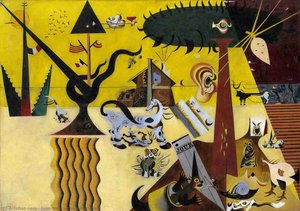
Pe parcursul anilor 1920 și 1930, Miró și-a dezvoltat vocabularul vizual semnătură — un univers populat de forme biomorfice, forme plutitoare și culori vibrante. Fermă (1922), adesea considerată o piatră de temelie a operei sale, exemplifică această tranziție. Nu este doar o reprezentare a vieții rurale, ci o evocare a identității catalane și o reprezentare simbolică a lumii naturale. Spiritul său colaborativ a dus la tehnici inovatoare precum *grattage*, pionierat împreună cu Max Ernst în 1926 pentru designuri destinate baletului lui Sergei Diaghilev, unde texturile erau descoperite prin zgârierea vopselei pe pânză. Seria Interioare Olandeze (1928) a demonstrat capacitatea sa de a reinterpreta maeștrii vechi printr-o lentilă distinct modernă, transformând scene domestice în abstractizări onirice. Pictură (1933), cu culorile sale îndrăznețe și formele simplificate, întipărește explorarea lui Miró asupra subconștientului și respingerea limitelor artistice convenționale. Dincolo de pictură, Miró a experimentat fără teamă cu sculptura, ceramica și gravura, extinzându-și orizonturile creative și demonstrând o versatilitate remarcabilă.Moștenire și influență durabilă
Impactul lui Joan Miró asupra artei secolului XX este incontestabil. El nu a fost pur și simplu un pictor; a fost un vizionar care a provocat însăși definiția expresiei artistice. Opera sa a deschis calea către expresionismul abstract și continuă să inspire artiști din diverse discipline. El a înființat două fundații — Fundació Joan Miró în Barcelona (1975) și Fundació Pilar i Joan Miró în Palma de Mallorca (1981) — asigurându-se astfel că moștenirea sa va dăinui, oferind spații pentru explorare artistică și educație. Pe parcursul lungii sale cariere, a rămas dedicat sfidării limitelor, cuestionării convențiilor și explorării adâncimilor imaginației umane. Arta lui Miró este o mărturie a puterii abstractizării, a simbolismului și a expresiei poetice — o celebrare vibrantă a vieții, a viselor și a spiritului nemuritor al culturii catalane. Opera sa continuă să rezoneze cu publicul din întreaga lume, invitându-ne să intrăm într-o lume în care orice este posibil, iar granițele dintre realitate și fantezie se estompează într-un dans captivant de culoare și formă.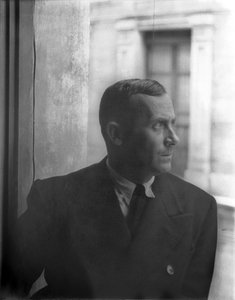
Joan Miró
1893 - 1983 , Spania
Informații rapide
- Artistic Movement Or Style: Surrealism, Abstract Art
- Artists Or Movements Influenced By This Artist: ['Fauvism']
- Artists Who Influenced This Artist: ['Pablo Picasso']
- Date Of Birth: 1893
- Date Of Death: 1983
- Full Name: Joan Miró i Ferrà
- Nationality: Spaniol
- Notable Artworks:
- The Farm
- Dutch Interiors
- Painting
- Place Of Birth: Barcelona, Spania
Articole conexe
Lyrical Abstraction: The Emotional Power of Color and Form in Modern Art History
Explore the profound emotional depth of Lyrical Abstraction. Discover how masters like Raymond Parker used color and form to bridge Impressionism and Abstract Expressionism. Learn about this pivotal movement through our expert-led art history guide.

Top 10 Capodopere ale Expresionismului Abstract: Artă, Artiști și Decorațiuni de Lux | OriginalUniqueArt.ro
Descoperă Top 10 capodopere ale Expresionismului Abstract! Explorează poveștile lui Pollock, Rothko și De Kooning. Reproduceri de artă de lux & inspirație decor pe OriginalUniqueArt.ro. Găsește pictura perfectă pentru spațiul tău!

Wassily Kandinsky: Cele Mai Iconice 25 De Opere – Artă Abstractă pentru Decor Rafinat
Descoperă cele mai emblematice 25 de opere ale lui Wassily Kandinsky, pionierul artei abstracte! Explorează culorile vibrante, compozițiile unice și istoria fascinantă din spatele fiecărei picturi. Reproduceri de calitate muzeală pe OriginalUniqueArt.com – inspiră-ți decorul cu artă modernă!
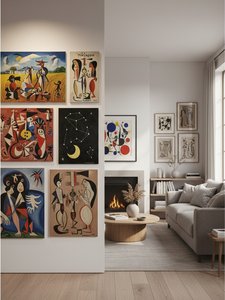
Joan Miró: Cele Mai Iconice 25 De Opere – Artă Modernă pentru Decorul Tău
Descoperă cele mai iconice 25 de opere Joan Miró! Explorează biografiile, tehnicile și simbolismul din spatele picturilor abstracte, suprarealiste și catalane. Găsește inspirație pentru decorul tău cu reproduceri artă de calitate superioară pe OriginalUniqueArt.com.

Cele mai importante 10 capodopere ale abstracției geometrice | Artă & Decor de lux pe OriginalUniqueArt.com
Descoperă cele mai importante 10 capodopere ale abstracției geometrice! Explorează istoria, artiștii (Mondrian, Kandinsky) și culorile vibrante care au definit arta modernă. Reproduceri de tablouri de lux pe OriginalUniqueArt.com pentru un decor interior rafinat. Explorează colecția online!