Vezi în context
 Trimite
 Distribuie
 Detalii
 Ghidul

 Descarcă
 Produse similare
 Radiografie
 Diaporama
 Statistici
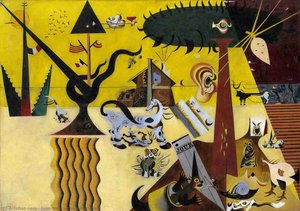
Animated Landscape
 Acrylic On Canvas
- WallArt
- Surrealist Movement
 1927
1927 130.0 x 195.0 cm
 Muzeul Metropolitan de Artă
 Citește mai mult
Lucrarea de artă afișată pe această pagină este protejată de legile privind drepturile de autor, ceea ce înseamnă că nu putem crea sau vinde în mod legal o reproducere identică. Această protecție este garantată prin acorduri internaționale, precum Convenția de la Berna și de legile naționale, inclusiv cele prevăzute de Legea dreptului de autor din S.U.A. – Titlul 17. Toate drepturile rezervate. Orice reproducere neautorizată este interzisă.
Această metodă respectă pe deplin reglementările privind drepturile de autor, deoarece nu implică copierea sau duplicarea operei protejate. În schimb, este o reinterpretare creativă – o pictură nouă, influențată de original, dar care nu este identică cu acesta.
Giclée / Imprimare artistică
Printuri giclée sau pe canvas de calitate muzeală, cu proces de producție rapid și opțiuni flexibile de finisare. ( Comandă pictură realizată manual Treci la imagine digitală)




P118B lei10

P118H lei10

P118W lei10

P438Z lei10

P508JH lei12

P508YH lei12

P805H lei10

P805Z lei10

P919BZ lei10

P919G lei10

P919XJ lei10

P959ZH lei10

P968JZ lei12

W106C lei8

W218G lei10

W218JH lei8

W218Y lei10

W307PJ lei10

W316G lei10

W316PJ lei8

W316Y lei10

W398PJ lei8

W4111J lei10

W500HY lei15

W500JH lei15

W692G lei12

W849H lei8

W940BG lei15

W953PJ lei8




Alegeți dintre dimensiunile noastre prestabilite, care respectă proporțiile originale ale operei de artă.

Introduceți lățimea și înălțimea de care aveți nevoie, pentru a se potrivi ramei sau peretelui dumneavoastră. O printare poate fi doar tăiată, niciodată extinsă dincolo de dimensiunea imaginii originale, astfel încât o dimensiune cu o formă diferită va pierde o parte din imagine. Vă trimitem o simulare digitală pentru aprobare înainte de a imprima orice. Imaginea afișată pe această pagină nu prezintă tăierea reală — doar simularea arată acest lucru.
Livrare în întreaga lume () în 2 săptămâni, în loc de cele 4/5 săptămâni standard. (21 Octombrie)

Livrare expres gratuită la nivel mondial

Pânză de in premium

Asigurare completă pentru transport

Garanție de rambursare a taxelor vamale

Garanția fidelității culorilor

Politica de retur în 100 de zile (doar pentru defecte)

Garanție de rambursare 100%

Reducere pentru comenzi multiple
 Opțiunea cu sticlă este disponibilă doar pentru dimensiuni de sub 110 cm

Animated Landscape
Giclée / Imprimare artistică
Dimensiune reproducere
-


Preț total
lei 368
Animated Landscape: A Surrealist Vision
Joan Miró’s “Animated Landscape,” painted in 1927, transcends mere representation; it embodies the spirit of Surrealism and reflects Miró's profound connection to Catalan identity. This expansive canvas—measuring 130 x 195 cm—immediately captivates with its ethereal palette dominated by muted blues and earthy tones reminiscent of the rugged landscapes of Catalonia.
- Style: Surrealist Abstraction – Miró deliberately eschewed realistic depiction, prioritizing dreamlike imagery and spontaneous gesture. Influenced heavily by artists like André Breton and Pablo Picasso, he sought to liberate art from rational constraints.
- Technique: Miró employed a distinctive technique characterized by freehand brushstrokes combined with calligraphic lines—a method that mirrored the rhythms of poetry and music. He utilized tempera on canvas, achieving remarkable luminosity and textural depth.
The painting’s composition is deliberately unsettling yet harmonious. Dominating the scene are stylized animal figures – birds, fish, and amorphous shapes – arranged in a dynamic interplay that defies conventional perspective. These creatures aren't merely decorative; they represent primal forces and subconscious desires—a recurring theme throughout Miró’s oeuvre.
Historical Context: Created during the Weimar Republic, “Animated Landscape” aligns with the broader Surrealist movement’s fascination with automatism and psychoanalysis. Breton’s manifesto championed accessing the unconscious mind as a pathway to artistic creativity, mirroring Miró's own exploration of inner landscapes.
Symbolism: The umbrella and clock—seemingly incongruous elements—add layers of meaning. The umbrella symbolizes protection from anxieties and uncertainty, while the clock represents time’s relentless passage and the fleeting nature of existence. These symbols contribute to the painting's melancholic beauty and invite contemplation.
Emotional Impact: “Animated Landscape” evokes a sense of wonder and disorientation—a feeling that captures the essence of dreaming. It invites viewers into a realm where logic yields to intuition, fostering an appreciation for the expressive power of art beyond literal representation. This artwork is more than just pigment on canvas; it’s a portal to another world.
- Recommended Reproduction Size: For optimal impact in interior design settings, consider reproductions ranging from 60 x 90 cm to 100 x 150 cm.
- Material Considerations: High-quality Giclée prints on archival paper offer exceptional color fidelity and longevity—preserving Miró’s vision for generations to come.
Întrebări și răspunsuri
Care sunt tehnica și dimensiunile lucrării "Animated Landscape" de Joan Miró?
"Animated Landscape" a fost realizat în Acrylic On Canvas și măsoară 130 x 195 cm în forma sa originală.
Cât de armonioase sunt culorile din "Animated Landscape" de Joan Miró?
Armonia cromatică a operei "Animated Landscape" este descrisă ca fiind Balanced Harmony.
Cum se întâlnesc mișcarea și epoca în "Animated Landscape" de Joan Miró?
"Animated Landscape" de Joan Miró este încadrat în mișcarea Surrealist Movement, din epoca Era modernă a creatorului său.
Biografie artist
Un vizionar catalan: Viața și artă lui Joan Miró
Joan Miró i Ferrà, născut în Barcelona în 1893, se impune ca una dintre cele mai semnificative figuri ale artei secolului XX. Călătoria sa nu a fost doar o progresie prin stiluri, ci o explorare a lumilor interioare, traducând vise, amintiri și identitatea catalană pe pânză printr-un limbaj vizual unic, profund poetic. Pornind de la începuturi modeste, marcate de boală și de inițialele rezerve ale părinților sale cu privire la pasiunea sa artistică, Miró a perseverat, condus de nevoia înnăscută de a exprima intangibilul — emoțiile, senzațiile și curentul subconștient care zac sub suprafața realității. Primele sale ani de viață au fost îmbibați în tradițiile Barcelonei, un oraș plin de minuni arhitecturale datorită lui Antoni Gaudí, ale cărui forme organice vor influența subtil abstractizările ulterioare ale lui Miró. Profesia de aurar a tatălui său i-a insuflat aprecierea pentru măiestria meticuloasă, în timp ce peisajul aspru catalan a devenit un motiv recurent și o sursă de inspirație pe tot parcursul carierei sale.Influențe timpurii și drumul către Surrealism
Formarea artistică formală a lui Miró a început la La Llotja din Barcelona, unde și-a perfecționat abilitățile în tehnici tradiționale. Totuși, contactul cu mișcările de avangardă care străbateau Parisul a fost cel care i-a aprins cu adevărat evoluția creativă. Culorile vibrante ale Fauvismului și formele fragmentate ale Cubismului au rezonat profund în sufletul său, determinându-l să se mute la Paris în াহত 1920. Această perioadă s-a dovedit a fi crucială, deoarece a întâlnit artiști precum Pablo Picasso și a început să experimenteze compoziții tot mai abstracte. Cu toate acestea, Miró nu a adoptat pur și simplu aceste stiluri; el le-a sintetizat, făurind o cale către propria sa estetică distinctivă. El a căutat să destileze formele până la esența lor, eliminând detaliile reprezentative în favoarea formelor simbolice și a culorilor evovatoare. Această explorare l-a condus către grupul Surrealist în 1924, aliniindu-l cu artiști precum Max Ernst și Salvador Dalí. Deși a îmbrățișat interesul surrealist pentru subconștient, Miró și-a păstrat o sensibilitate unică — opera sa nu era mai degrabă despre imagini șocante sau simbolism freudian, ci despre crearea unei lumi a formelor jucăușe și a sugestiei poetice.Limbajul simbolurilor: Opere cheie și inovații artistice
Pe parcursul anilor 1920 și 1930, Miró și-a dezvoltat vocabularul vizual semnătură — un univers populat de forme biomorfice, forme plutitoare și culori vibrante. Fermă (1922), adesea considerată o piatră de temelie a operei sale, exemplifică această tranziție. Nu este doar o reprezentare a vieții rurale, ci o evocare a identității catalane și o reprezentare simbolică a lumii naturale. Spiritul său colaborativ a dus la tehnici inovatoare precum *grattage*, pionierat împreună cu Max Ernst în 1926 pentru designuri destinate baletului lui Sergei Diaghilev, unde texturile erau descoperite prin zgârierea vopselei pe pânză. Seria Interioare Olandeze (1928) a demonstrat capacitatea sa de a reinterpreta maeștrii vechi printr-o lentilă distinct modernă, transformând scene domestice în abstractizări onirice. Pictură (1933), cu culorile sale îndrăznețe și formele simplificate, întipărește explorarea lui Miró asupra subconștientului și respingerea limitelor artistice convenționale. Dincolo de pictură, Miró a experimentat fără teamă cu sculptura, ceramica și gravura, extinzându-și orizonturile creative și demonstrând o versatilitate remarcabilă.Moștenire și influență durabilă
Impactul lui Joan Miró asupra artei secolului XX este incontestabil. El nu a fost pur și simplu un pictor; a fost un vizionar care a provocat însăși definiția expresiei artistice. Opera sa a deschis calea către expresionismul abstract și continuă să inspire artiști din diverse discipline. El a înființat două fundații — Fundació Joan Miró în Barcelona (1975) și Fundació Pilar i Joan Miró în Palma de Mallorca (1981) — asigurându-se astfel că moștenirea sa va dăinui, oferind spații pentru explorare artistică și educație. Pe parcursul lungii sale cariere, a rămas dedicat sfidării limitelor, cuestionării convențiilor și explorării adâncimilor imaginației umane. Arta lui Miró este o mărturie a puterii abstractizării, a simbolismului și a expresiei poetice — o celebrare vibrantă a vieții, a viselor și a spiritului nemuritor al culturii catalane. Opera sa continuă să rezoneze cu publicul din întreaga lume, invitându-ne să intrăm într-o lume în care orice este posibil, iar granițele dintre realitate și fantezie se estompează într-un dans captivant de culoare și formă.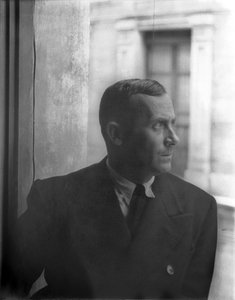
Joan Miró
1893 - 1983 , Spania
Informații rapide
- Artistic Movement Or Style: Surrealism, Abstract Art
- Artists Or Movements Influenced By This Artist: ['Fauvism']
- Artists Who Influenced This Artist: ['Pablo Picasso']
- Date Of Birth: 1893
- Date Of Death: 1983
- Full Name: Joan Miró i Ferrà
- Nationality: Spaniol
- Notable Artworks:
- The Farm
- Dutch Interiors
- Painting
- Place Of Birth: Barcelona, Spania
Articole conexe
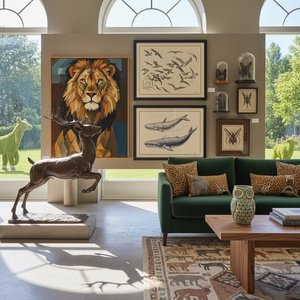
Animalia: Prezența Durabilă a Animalelor în Artă și Design Interior
Explorați prezența fascinantă a animalelor în artă și design interior de-a lungul istoriei. Descoperiți simbolismul, influențele culturale și inspirația oferită de lumea animală.

Peisaje Romantice Iconice: 10 Capodopere Artistice pentru Decorul de Lux
Descoperă 10 capodopere romantice iconice de Caspar David Friedrich, Turner și alți maeștri. Explorează istoria artei, emoțiile din peisaje și găsește tablouri canvas perfecte pentru decorul tău pe OriginalUniqueArt.com!
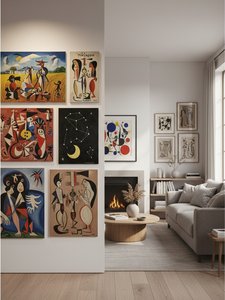
Joan Miró: Cele Mai Iconice 25 De Opere – Artă Modernă pentru Decorul Tău
Descoperă cele mai iconice 25 de opere Joan Miró! Explorează biografiile, tehnicile și simbolismul din spatele picturilor abstracte, suprarealiste și catalane. Găsește inspirație pentru decorul tău cu reproduceri artă de calitate superioară pe OriginalUniqueArt.com.
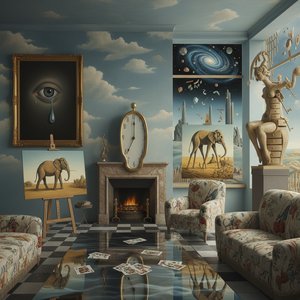
Surrealism: Cele Mai Importante 10 Capodopere Artistice – OriginalUniqueArt.ro
Descoperă cele mai importante 10 capodopere ale suprarealismului! Explorează poveștile din spatele picturilor lui Dali, Magritte și Miró. Reproduceri de artă de calitate muzeală pentru un decor interior unic pe OriginalUniqueArt.ro.

Evocations of Place: A Historical Journey Through Landscape Art
Explore the rich history of landscape art with OriginalUniqueArt. Discover renowned artists, movements like Impressionism & Romanticism, and expert guidance for collecting timeless pieces. Find your perfect serene escape today!