Comută pe versiunea Print
 Vezi mai mult







































 Pentru opere de artă sau reproduceri care depășesc 105 cm (aproximativ 41 de inch) pe oricare dintre laturi, cadrul va fi livrat demontat, sub formă de kit. Această metodă asigură o livrare sigură și previne deteriorarea în timpul transportului.


The Dramatic Tableau of Jean Léon Gérôme
Jean Léon Gérôme’s “Phyrne Before the Areopagus,” painted in 1861, isn't merely a historical scene; it’s a meticulously crafted stage for an ancient drama. This oil-on-canvas masterpiece, now residing within the esteemed collection of the Hamburger Kunsthalle in Hamburg, exemplifies Academicism at its most potent – a style characterized by rigorous research, painstaking detail, and a commitment to portraying history with unwavering accuracy. Gérôme, a master storyteller through his art, transports us directly into the heart of 1st-century Athens, capturing not just an event but the very atmosphere of judgment and consequence.
A Scene of Ancient Justice
The painting depicts a pivotal moment within the Athenian legal system – the Areopagus, a council of elders presided over by Phyrne. The scene unfolds outdoors, bathed in a diffused light that lends an air of solemnity to the proceedings. A simple wooden bench provides a grounding element amidst the figures, while a trumpet held aloft suggests the imminent pronouncement of judgment. The composition is carefully balanced; Phyrne, positioned centrally and slightly elevated, commands attention as she awaits her fate. The faces of the assembled officials – Roman soldiers and magistrates – are etched with expressions ranging from stern contemplation to quiet anticipation, reflecting the gravity of the situation.
Technique and Academic Precision
Gérôme’s mastery lies in his meticulous rendering of detail. Observe the textures of the clothing—the draped robes of the officials, the simple garments of Phyrne – each meticulously painted to convey a sense of weight and material quality. The artist's use of oil paint allows for rich colors and subtle gradations, creating depth and realism within the scene. The architectural elements, particularly the backdrop featuring the Areopagus itself, are rendered with an almost photographic precision, demonstrating Gérôme’s dedication to historical accuracy. This commitment to detail is a hallmark of Academic painting – a style that prioritized observation and representation over spontaneous expression.
Symbolism and Narrative Weight
Beyond its historical depiction, “Phyrne Before the Areopagus” carries significant symbolic weight. The scene represents not just a legal trial but also the clash between cultures—the Roman administration overseeing Greek justice. Phyrne’s posture – poised yet vulnerable – suggests her uncertainty and the potential consequences of her actions. The trumpet call signifies the finality of judgment, while the faces of the officials embody the authority and impartiality (or perceived impartiality) of the Athenian legal system. The painting invites viewers to contemplate themes of justice, power, and cultural exchange—elements that resonate powerfully even today.
A Legacy of Dramatic Historical Painting
Jean-Léon Gérôme’s “Phyrne Before the Areopagus” stands as a testament to his skill and influence. His work helped shape the visual language of historical painting in the 19th century, inspiring generations of artists with his meticulous detail and dramatic storytelling. Reproductions of this compelling scene continue to captivate audiences, offering a glimpse into a distant past and prompting reflection on timeless themes of justice, power, and human drama. It remains a cornerstone of the Hamburger Kunsthalle’s collection and a powerful example of Academic art at its finest.
Întrebări și răspunsuri
Este "Phyrne before the Areopagus" de Jean-Léon Gérôme în domeniul public și care este motivul?
Statutul drepturilor de autor pentru "Phyrne before the Areopagus" - în domeniul public – drepturile de autor au expirat - este determinat de data decesului artistului, în anul 1904.
Ce atmosferă ar aduce într-o încăpere o reproducere a operei "Phyrne before the Areopagus" de Jean-Léon Gérôme?
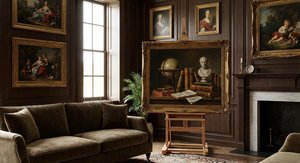
"Phyrne before the Areopagus" de Jean-Léon Gérôme emană o atmosferă Dramatic și este recomandată pentru o Living Room. Întreaga dispoziție este ceea ce lucrarea aduce în spațiul din jurul său.
Cine a creat "Phyrne before the Areopagus"?
Artistul din spatele operei „Phyrne before the Areopagus” este Jean-Léon Gérôme. Lucrarea este catalogată sub numele lui Jean-Léon Gérôme.
 Previzualizare
 Trimite prin felicitare
 Distribuie
 Detalii despre lucrare
 Ghid
Ghid

 Descarcă imaginea
 Produse similare
 Radiografie
 Galerie foto
 Q&A
Q&A Statistici