Previzualizare
 Trimite prin felicitare
 Distribuie
 Detalii despre lucrare
 Ghid
Ghid

 Descarcă imaginea
 Produse similare
 Radiografie
 Galerie foto
 Întrebări și răspunsuri
 Statistici
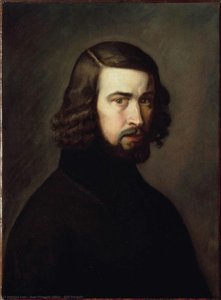
The Carder

- 31.0 x 26.0 cm


 Vezi mai mult
Giclée / Imprimare artistică
Printuri giclée sau pe canvas de calitate muzeală, cu proces de producție rapid și opțiuni flexibile de finisare. ( Comandă pictură realizată manual Comută pe Imagine Digitală)




P118B lei10

P118H lei10

P118W lei10

P438Z lei10

P508JH lei12

P508YH lei12

P805H lei10

P805Z lei10

P919BZ lei10

P919G lei10

P919XJ lei10

P959ZH lei10

P968JZ lei12

W106C lei8

W218G lei10

W218JH lei8

W218Y lei10

W307PJ lei10

W316G lei10

W316PJ lei8

W316Y lei10

W398PJ lei8

W4111J lei10

W500HY lei15

W500JH lei15

W692G lei12

W849H lei8

W940BG lei15

W953PJ lei8




Alegeți dintre dimensiunile noastre prestabilite, care respectă proporțiile originale ale operei de artă.

Introduceți lățimea și înălțimea necesare pentru a se potrivi ramei sau peretelui dumneavoastră. O printare poate fi doar tăiată, niciodată extinsă dincolo de dimensiunea imaginii originale, astfel încât o dimensiune cu o formă diferită va pierde o parte din imagine. Vă trimitem o simulare digitală pentru aprobare înainte de a imprima orice. Imaginea afișată pe această pagină nu prezintă tăierea reală — doar simularea arată acest lucru.
Livrare în întreaga lume () în 2 săptămâni, în loc de cele 4/5 săptămâni standard. (9 Noiembrie)

Livrare expres gratuită la nivel mondial

Pânză de in de înaltă calitate

Asigurare completă pentru transport

Garanție de rambursare a taxelor vamale

Garanția fidelității culorilor

Politica de retur în 100 de zile (doar pentru defecte de fabricație)

Garanție de rambursare 100%

Ofertă pentru comenzi multiple
 Opțiunea cu sticlă este disponibilă doar pentru dimensiuni de sub 110 cm

The Carder
Giclée / Imprimare artistică
Dimensiune reproducere
-


Preț total calculat
lei 386
Jean-François Millet’s “The Carder”: A Window Into Rural Dignity
Jean-François Millet's "The Carder," completed in 1854, stands as an emblem of the Barbizon School and a poignant testament to the enduring fascination with depicting everyday life—specifically, the labor of rural artisans. More than just a visual record, it’s a carefully constructed meditation on human dignity, observation, and the subtle beauty found within the simplest tasks. Millet's decision to portray a woman carding flax – a commonplace activity in Norman villages – wasn’t merely pragmatic; it was deliberate—a conscious effort to elevate the ordinary into something profound.- Composition & Perspective: The painting’s central figure, positioned slightly off-center, draws the eye immediately, while the surrounding figures—children and a man—create a dynamic interplay that reinforces the narrative. Millet employs a shallow perspective, fostering intimacy between the viewer and the subjects and subtly suggesting depth through overlapping forms.
- Technique & Material: Executed in graphite on paper, Millet’s masterful use of hatching and cross-hatching establishes tonal variations and texture with remarkable precision. These meticulous lines capture the softness of skin, the drape of fabric—particularly the woman's shawl—and imbue the scene with a palpable sense of realism.
- Symbolism & Narrative: The mirror reflects an image of the carder’s daughter, symbolizing self-reflection and perhaps hinting at the transmission of knowledge from older to younger generations. The act itself – carding flax – represents perseverance, resilience, and a connection to the land—themes central to Millet's artistic vision.
- Color Palette & Light: Despite its monochrome palette achieved through grayscale tones, “The Carder” is bathed in diffused light, creating an atmosphere of tranquility and highlighting the textures of the scene. The artist’s careful attention to shading contributes significantly to conveying emotion and enhancing visual impact.
Realism's Quiet Triumph: Millet and the Barbizon School
Millet’s work aligns perfectly with the tenets of Realism, a movement that rejected Romantic idealism in favor of unflinching depictions of reality—often focusing on rural life and working-class subjects. Unlike Impressionists who sought to capture fleeting moments of light and color, Millet prioritized accuracy and detail, striving to convey not just what he *saw*, but also what he *felt*. This commitment to observation is evident in every brushstroke, transforming a simple occupation into an exploration of human experience.A Legacy of Dignity: The Enduring Appeal of “The Carder”
“The Carder” continues to resonate with audiences today because it speaks to fundamental questions about humanity—our connection to the natural world and our capacity for empathy. Millet’s ability to distill complex ideas into a deceptively understated image is a testament to his artistic genius, securing his place as one of France's most celebrated painters and an enduring symbol of rural dignity. Its quiet beauty resides in its honest portrayal of everyday life—a reminder that profound art can be found in the most unassuming subjects.Reproductions & Inspiration
OriginalUniqueArt offers high-quality reproductions of Jean-François Millet’s “The Carder,” allowing you to bring this iconic artwork into your home or workspace. Explore our collection and discover how a masterful depiction of rural labor can inspire creativity and contemplation.Întrebări și răspunsuri
Ce dimensiuni are originalul "The Carder"?
Dimensiunile înregistrate pentru "The Carder" de Jean-François Millet sunt 31 x 26 cm. Reproducerile pot fi comandate în alte dimensiuni, păstrând aceleași proporții.
Care este motivul statutului drepturilor de autor pentru "The Carder"?
Statutul drepturilor de autor pentru "The Carder" - în domeniul public – drepturile de autor au expirat - este determinat de data decesului artistului, în anul 1875.
În ce perioadă și în ce stil a fost creat(ă) "The Carder" de Jean-François Millet?
„The Carder” a fost creat în 1854, făcând parte din mișcarea Contemporary Realism.
Biografie artist
A Life Rooted in the Soil: The World of Jean-François Millet
Jean-François Millet, a name inextricably linked to the dignity of rural life and the burgeoning Realist movement in 19th-century France, was not born into the rarefied atmosphere of artistic privilege. Instead, he arrived on October 4, 1814, in Gruchy, a small Norman village nestled within the rolling hills of Basse-Normandie – a world profoundly shaped by agricultural tradition and the rhythms of the land. This upbringing wasn’t merely a setting for his life; it *defined* it, imbuing his vision with an authenticity that resonated deeply with a society undergoing rapid transformation. His parents, Jean-Louis-Nicolas and Aimée-Henriette-Adélaïde Henry Millet, were themselves farmers, instilling in young Jean-François not just a connection to the soil but also a profound understanding of its demands and rewards. Early education wasn’t confined to formal schooling – facilitated by local priests who recognized his intellectual potential – but was equally shaped by the tangible realities of farm work: sowing seeds, reaping harvests, threshing grain – tasks that would later become recurring motifs in his paintings, imbued with a sense of both labor and beauty. This experience wasn't simply observational; it was deeply visceral, a direct engagement with the hardships and resilience inherent in rural existence.From Academic Aspirations to Rural Revelation
Millet’s artistic journey began with a traditional path – formal training. He initially sought instruction from portrait painter Bon Du Mouchel in Cherbourg, followed by Théophile Langlois de Chèvreville, a student of Baron Gros. In 1837, he ventured to the heart of Parisian art, enrolling at the prestigious École des Beaux-Arts and studying under Paul Delaroche. However, the rigid expectations and conventions of the Salon system quickly proved stifling. Despite initial successes, Millet faced repeated rejections, grappling with a growing disillusionment with the prevailing artistic landscape. A pivotal moment arrived in the 1840s – marked by profound personal tragedy: the untimely death of his beloved wife, Pauline-Virginie Ono – and a burgeoning dissatisfaction with the romanticized depictions of peasant life that dominated the art world at the time. He began to actively reject these idealized pastoral scenes, seeking instead to portray rural existence with an uncompromising honesty and a deep respect for its inhabitants. This shift was further solidified by his association with a group of like-minded artists who were challenging the established norms – Constant Troyon, Narcisse Diaz de la Peña, Charles Jacque, and Théodore Rousseau – forming what would become known as the Barbizon school. These painters shared a common commitment to *plein air* painting – working directly from nature – and a rejection of the artificiality and academic polish that characterized much of Salon art. Millet’s decision to relocate to Barbizon in 1849 represented a decisive break with Parisian artistic conventions, an embrace of his artistic destiny firmly rooted in the landscapes and lives surrounding him.The Poetry of Labor: Themes and Techniques
Millet's oeuvre is profoundly characterized by his deep empathy for the working class, particularly peasant farmers. He didn’t merely depict their labor; he elevated it to a level of dignity and spiritual significance previously unseen in art. His paintings are not sentimental idealizations but rather honest portrayals of hardship, resilience, and quiet devotion. The Gleaners (1857), perhaps one of his most iconic works, exemplifies this approach. The three women depicted gathering leftover grain after the harvest aren’t romanticized figures; they are laborers, bent double by toil, yet possessing a remarkable serenity and dignity that commands respect. The Angelus (1850-1861), another masterpiece, captures a moment of profound spirituality – a peasant couple pausing for prayer at sunset – transforming an everyday act into something sacred. The painting’s composition, the subtle play of light, and the figures' postures all contribute to its powerful sense of solemnity and grace. The Sower (1850) is arguably his most recognizable image, representing the cyclical nature of agricultural labor and humanity’s fundamental connection to the land. Millet masterfully captures the farmer scattering seeds across a field, symbolizing hope, fertility, and the promise of future harvests. Technically, Millet drew inspiration from the Dutch Masters, particularly their masterful use of light and shadow – employing *chiaroscuro* to create dramatic effects – and from classical sculpture, evident in the monumental quality of his figures. He developed a distinctive palette, favoring earthy tones that reflected the colors of the countryside, and built up layers of paint with meticulous detail to create a sense of texture and depth, imbuing his scenes with a remarkable realism.A Lasting Legacy: Millet’s Influence and Historical Significance
Jean-François Millet died in Barbizon on January 20, 1875, leaving behind a body of work that profoundly impacted the course of modern art. He played a pivotal role in establishing Realism as a dominant force in painting, challenging the conventions of academic art and paving the way for future movements like Impressionism and Social Realism. His focus on everyday life and social issues resonated deeply with artists who sought to depict the world around them with honesty and authenticity. His influence extended beyond painting; his images became symbols of rural virtue and working-class solidarity, inspiring writers, poets, and political thinkers. Artists such as Correa Benito Rebolledo continued to explore themes of rural life and social justice, directly influenced by Millet’s example. Today, Millet's paintings continue to captivate audiences with their timeless beauty, emotional depth, and enduring message of human dignity. His work serves as a powerful reminder that even in the face of hardship, there is grace, resilience, and profound spiritual meaning to be found in the simplest of lives.Major Works
- The Gleaners (1857): A poignant depiction of women gathering leftover grain.
- The Angelus (1850-1861): A symbol of rural piety and a moment of quiet devotion.
- The Sower (1850): An iconic image representing the cycle of agricultural labor.
- Man with a Hoe: A powerful representation of physical toil and human endurance.
- Harvesters Resting: Capturing a moment of respite amidst arduous work.
- Woman Baking Bread: A depiction of domestic labor imbued with dignity.

Jean-François Millet
1814 - 1875 , Franța
Detalii rapide
- Artistic Movement Or Style: Realism, Barbizon
- Artists Or Movements Influenced By This Artist:
- Impressionism
- Social Realism
- Artists Who Influenced This Artist:
- Dutch Masters
- Delaroche
- Date Of Birth: 4 Oct. 1814
- Date Of Death: 20 Ian. 1875
- Full Name: Jean-François Millet
- Nationality: Francez
- Notable Artworks:
- The Gleaners
- Angelus
- Sower
- Place Of Birth: Gruchy, Franța
Articole similare

Romantic Realism's Finest: 10 Masterpieces for Your Home | OriginalUniqueArt
Explore 10 defining masterpieces of Romantic Realism! Discover Courbet, Millet & Daumier's powerful paintings—capturing emotion and social realities. Find museum-quality reproductions for your home at OriginalUniqueArt.com.

Echoes of Rural Life: Art's Enduring Representations of the Countryside
Explore the rich history of rural life in art! Discover masterpieces from Millet to Mauve & beyond. Learn about Realism, Barbizon School & find inspiration for your home with OriginalUniqueArt.

Jean-François Millet: Realism, Rural Life & the Poetic Depiction of Labor
Explore the life & work of Jean-François Millet, a founder of Realism. Discover his poignant depictions of rural France, iconic paintings like 'The Angelus,' and lasting influence on art history. Learn more at OriginalUniqueArt.
The Barbizon School: Pioneering Realism & the Pastoral Vision in 19th-Century French Painting
Explore the Barbizon School's pivotal role in 19th-century French painting. Discover how these artists revolutionized landscape art with their commitment to Realism and a profound connection to nature. Learn about key figures like Rousseau, Millet & Corot.
Golden Fields & Rustic Souls: Exploring the Timeless Art of Jean-François Millet
Discover the profound beauty of Jean-François Millet’s masterpieces. Explore the soul of the Barbizon School through an expert lens, celebrating the dignity of rural life and the timeless legacy of Realism in fine art history.