Previzualizare
 Trimite prin felicitare
 Distribuie
 Detalii despre lucrare
 Ghid
Ghid

 Descarcă imaginea
 Produse similare
 Radiografie
 Galerie foto
 Întrebări și răspunsuri
 Statistici
Waterfall at Terni

- 27.0 x 31.0 cm


 Vezi mai mult
Giclée / Imprimare artistică
Printuri giclée sau pe canvas de calitate muzeală, cu proces de producție rapid și opțiuni flexibile de finisare. ( Comandă pictură realizată manual Comută pe Imagine Digitală)




P118B lei10

P118H lei10

P118W lei10

P438Z lei10

P508JH lei12

P508YH lei12

P805H lei10

P805Z lei10

P919BZ lei10

P919G lei10

P919XJ lei10

P959ZH lei10

P968JZ lei12

W106C lei8

W218G lei10

W218JH lei8

W218Y lei10

W307PJ lei10

W316G lei10

W316PJ lei8

W316Y lei10

W398PJ lei8

W4111J lei10

W500HY lei15

W500JH lei15

W692G lei12

W849H lei8

W940BG lei15

W953PJ lei8




Alegeți dintre dimensiunile noastre prestabilite, care respectă proporțiile originale ale operei de artă.

Introduceți lățimea și înălțimea necesare pentru a se potrivi ramei sau peretelui dumneavoastră. O printare poate fi doar tăiată, niciodată extinsă dincolo de dimensiunea imaginii originale, astfel încât o dimensiune cu o formă diferită va pierde o parte din imagine. Vă trimitem o simulare digitală pentru aprobare înainte de a imprima orice. Imaginea afișată pe această pagină nu prezintă tăierea reală — doar simularea arată acest lucru.
Livrare în întreaga lume () în 2 săptămâni, în loc de cele 4/5 săptămâni standard. (8 Noiembrie)

Livrare expres gratuită la nivel mondial

Pânză de in de înaltă calitate

Asigurare completă pentru transport

Garanție de rambursare a taxelor vamale

Garanția fidelității culorilor

Politica de retur în 100 de zile (doar pentru defecte de fabricație)

Garanție de rambursare 100%

Ofertă pentru comenzi multiple
 Opțiunea cu sticlă este disponibilă doar pentru dimensiuni de sub 110 cm

Waterfall at Terni
Giclée / Imprimare artistică
Dimensiune reproducere
-


Preț total calculat
lei 386
A Moment Captured: Jean-Baptiste Corot’s “Waterfall at Terni”
Jean-Baptiste-Camille Corot's "Waterfall at Terni," painted in 1826, isn’t merely a depiction of a natural scene; it’s an invitation to experience a fleeting moment of profound tranquility. This oil on paper work, now residing within the Metropolitan Museum of Art’s collection, embodies the core tenets of Corot's artistic philosophy – a deep reverence for nature and a masterful ability to translate its ephemeral qualities onto canvas. The painting transports us to the Italian countryside, specifically the dramatic landscape surrounding Terni, where the ancient Cascata delle Marmore—a marvel of Roman engineering—converges with the Velino River.
Corot’s journey to Italy in 1826 proved transformative. He sought not grand historical narratives or heroic figures, but rather the subtle poetry of the natural world. The inspiration for “Waterfall at Terni” clearly stems from this immersion; the scene feels utterly authentic, as if captured directly from observation. The placement of the waterfall against a backdrop of ancient trees speaks to Corot’s fascination with the interplay between man-made structures and the enduring power of nature – a recurring theme in his work.
The Language of Light and Atmosphere
Corot's technique is characterized by its remarkable candor and seemingly effortless structure. He eschewed the highly finished, polished surfaces favored by some of his contemporaries, opting instead for a looser, more atmospheric approach. Notice how he uses broad brushstrokes to capture the movement of the water, creating an illusion of shimmering light and spray. The colors are muted – predominantly greens, browns, and blues – reflecting the diffused light of a cloudy day. This deliberate restraint allows the viewer’s eye to wander across the canvas, absorbing the details of the landscape.
Crucially, Corot employed his signature *plein-air* technique, working directly from nature. This commitment to capturing the immediate impression of light and color is evident in every detail. The subtle variations in tone and hue suggest a constant shift in illumination, mirroring the ever-changing qualities of the natural world. He wasn’t striving for photographic accuracy; rather, he sought to convey the *feeling* of being present within this breathtaking landscape.
Symbolism and Emotional Resonance
Beyond its technical brilliance, “Waterfall at Terni” resonates with a quiet emotional depth. The waterfall itself symbolizes renewal, fluidity, and the relentless passage of time – powerful concepts that have captivated artists and philosophers for centuries. The two smaller waterfalls on either side add to this sense of movement and dynamism, creating a visual rhythm that draws the eye through the composition. The trees, rendered with delicate precision, provide a grounding element, anchoring the scene in the tangible reality of the landscape.
There’s an undeniable serenity to the painting; it invites contemplation and offers a respite from the complexities of modern life. Corot's ability to capture such a profound sense of peace is a testament to his deep understanding of nature and his artistic skill. It’s a reminder that beauty can be found in the simplest of moments, if only we take the time to observe it.
Bringing “Waterfall at Terni” Home
OriginalUniqueArt offers meticulously crafted hand-painted reproductions of Jean-Baptiste-Camille Corot's "Waterfall at Terni," allowing you to experience this iconic artwork in stunning detail. Each reproduction is created by skilled artists who have painstakingly studied Corot’s original technique, ensuring an authentic and evocative representation. Whether displayed as a statement piece in your living room or a calming addition to your study, this painting will undoubtedly bring a touch of timeless beauty and serenity to your space.
Consider the scale – our 27 x 31 cm reproduction captures the essence of the original while offering a manageable size for various interior settings. Don’t miss the opportunity to own a piece of art history, expertly reproduced with the utmost care and attention to detail. Explore other works by Corot and discover your next treasured masterpiece on OriginalUniqueArt.
Întrebări și răspunsuri
Unde pot vedea o previzualizare a unei reproduceri a operei "Waterfall at Terni" de Jean-Baptiste-Camille Corot?
Pentru o previzualizare a unei reproduceri a operei "Waterfall at Terni" de Jean-Baptiste-Camille Corot, accesați pagina de Previzualizare în spațiu a lucrării.
Care este artistul și care este stilul din spatele operei "Waterfall at Terni"?
Jean-Baptiste-Camille Corot a creat "Waterfall at Terni", parte a mișcării Romantic Landscape Painting.
Unde ar trebui expusă o reproducere a "Waterfall at Terni" de Jean-Baptiste-Camille Corot?
Cu formatul său Landscape, o reproducere a operei „Waterfall at Terni” este recomandată pentru un Living Room.
Biografie artist
A Life Immersed in Light and Landscape
Jean-Baptiste-Camille Corot, a name that resonates with the tranquil beauty of 19th-century French landscape painting, was born into a comfortable Parisian bourgeois family on July 16, 1796. Though initially steered towards a commercial path, destiny – and perhaps an innate artistic sensibility – intervened. His early years were marked by an unconventional upbringing; entrusted to the care of a nurse in the countryside near L’Isle-Adam until age four, he developed a profound connection with nature that would indelibly shape his artistic vision. This initial immersion in rural tranquility stood in stark contrast to the bustling city life awaiting him, yet it laid the foundation for a lifelong pursuit of capturing the ephemeral qualities of light and atmosphere. His parents, successful milliners, provided financial stability, allowing Corot the freedom to explore his burgeoning passion for painting after an unsuccessful attempt at mercantile pursuits – a rare privilege for aspiring artists of that era. This support was crucial, enabling him to dedicate himself fully to artistic training without the immediate pressures of earning a livelihood.From Academic Foundations to Plein-Air Innovation
Corot’s formal artistic education began with studies under Achille Etna Michallon and later Jean-Victor Bertin, both esteemed landscape painters steeped in the neoclassical tradition. This grounding instilled in him a meticulous approach to composition and form, emphasizing clarity and structure. However, Corot wasn't content merely replicating established styles; he yearned for something more authentic, a way to convey not just *what* he saw, but *how* it felt to be immersed within the landscape. A pivotal moment arrived with his first journey to Italy in 1825. The Roman Campagna, bathed in golden light and steeped in history, ignited his imagination. He spent years sketching and painting en plein air – directly from nature – a practice that was still relatively uncommon at the time. This dedication to direct observation allowed him to capture the subtle nuances of light and shadow, the delicate atmospheric effects that would become hallmarks of his style. He wasn’t simply recording topographical details; he was striving to evoke a mood, a feeling of tranquility and harmony. His early Italian works demonstrate a clarity of form and bright palette influenced by classical ideals, yet already hint at the softer, more evocative approach that would define his mature style. He meticulously studied the masters, copying their work in the Roman galleries, but always filtered these lessons through his own increasingly sensitive perception of nature.A Bridge Between Traditions
Corot’s artistic development wasn't linear; it was a delicate balancing act between tradition and innovation. He exhibited regularly at the Paris Salon, initially gaining recognition for works rooted in neoclassical conventions. However, as he continued to explore plein-air painting, his style began to evolve. He moved away from highly finished, detailed compositions towards looser brushwork and a more muted palette. This shift wasn’t a rejection of academic principles entirely; rather, it was an attempt to infuse them with the immediacy and emotional resonance of direct observation. He became a master of tonalism, using subtle variations in value to create depth and atmosphere. His landscapes weren't about dramatic narratives or grand gestures; they were about quiet contemplation, the beauty of everyday scenes – a forest glade, a sun-dappled meadow, a tranquil riverbank. This approach resonated with a growing audience seeking respite from the rapid industrialization and social upheaval of 19th-century France. He skillfully blended elements of realism with an almost poetic sensibility, creating landscapes that felt both familiar and deeply personal. His works often featured solitary figures – shepherds, peasants, or women – lost in contemplation amidst the vastness of nature, reflecting a sense of human vulnerability and connection to the natural world. He wasn’t interested in grand pronouncements or political statements; his art was about finding beauty in the ordinary, elevating the commonplace to a realm of serene contemplation.Major Achievements and Influences
Corot's career spanned several decades, during which he produced an enormous body of work – over 800 paintings, numerous drawings, and pastels. He achieved significant recognition throughout his lifetime, winning medals at the Salon and establishing himself as a leading figure in the Barbizon school, a movement that championed plein-air painting and a direct engagement with nature. His influence extended far beyond the Barbizon school; he served as a crucial link between the neoclassical tradition and the emerging Impressionist movement. Artists like Monet, Pissarro, and Sisley deeply admired his ability to capture the fleeting effects of light and atmosphere, and they built upon his innovations in their own groundbreaking work. Corot’s emphasis on direct observation and plein-air painting paved the way for the Impressionists' radical departure from studio-based practices. However, Corot wasn’t simply a precursor to Impressionism; he was a unique and significant artist in his own right. His vast output – encompassing landscapes, portraits, and figure studies – continues to captivate audiences with its serene beauty and emotional depth. His works can be found in major museums around the world, including the Musée des Beaux-Arts in Dunkirk and the Musée Courbet in Ornans, France, as well as the National Gallery in London and the Metropolitan Museum of Art in New York.Legacy and Enduring Influence
Jean-Baptiste-Camille Corot’s influence on subsequent generations of artists is immeasurable. He fostered a spirit of artistic freedom and encouraged younger artists to find their own voice. His legacy extends beyond painting; he embodied a philosophy of observing, feeling, and translating the beauty of nature onto canvas with honesty and sensitivity. The works “The Repose,” “Interrupted Reading,” and “Agostina” remain iconic examples of his mastery, showcasing his ability to capture both the physical world and the inner life of his subjects with remarkable sensitivity and grace. He died on February 22, 1875, leaving behind a body of work that continues to inspire artists and art lovers alike – a testament to the enduring power of light, landscape, and quiet contemplation.
Jean-Baptiste-Camille Corot
1796 - 1875 , Franța
Detalii rapide
- Artistic Movement Or Style: Realism, Impressionism
- Artists Or Movements Influenced By This Artist:
- Monet
- Pissarro
- Artists Who Influenced This Artist:
- Michallon
- Bertin
- Date Of Birth: 16 iulie 1796
- Date Of Death: 22 februarie 1875
- Full Name: Jean-Baptiste-Camille Corot
- Nationality: Francez
- Notable Artworks:
- Repaus
- Cititoare
- Pescari
- Place Of Birth: Paris, Franța
Articole similare
Capturing Ephemeral Light: A Comprehensive Exploration of Plein Air Painting's History & Enduring Legacy
Explore the rich history of plein air painting, from its origins with Constable & Corot to Impressionism's revolution. Discover techniques, key artists, and the enduring legacy of capturing light outdoors. Learn more at OriginalUniqueArt.

Capodopere ale Secolului al XIX-lea: 10 Lucrări de Artă Esențiale pentru Decorul Tău
Descoperă 10 capodopere ale secolului al XIX-lea! Explorează romantismul lui Delacroix, impresionismul lui Monet și realismul lui Courbet. Găsește inspirație pentru decorul tău cu reproduceri de artă de calitate muzeală pe OriginalUniqueArt.com.
The Allure of Open Airs: Exploring Representations of Outdoors in Art History
Explore the rich history of outdoor painting! From Romantic landscapes to Impressionism's revolution, discover key artists, techniques & the enduring legacy of capturing light and nature in art. Learn more at OriginalUniqueArt.
Capturing Ephemeral Light: Plein Air Painting from Impressionism to Today
Explore the history of plein air painting, from its origins with the Barbizon school to Impressionism's revolution & contemporary practice. Discover techniques, artists like Monet & Renoir, and find museum-quality reproductions at OriginalUniqueArt.
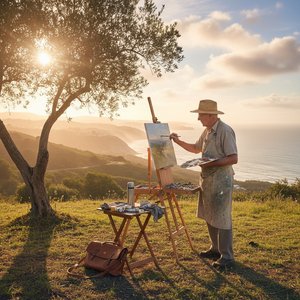
Capturing Ephemeral Light: A Comprehensive Exploration of Plein Air Painting's History & Enduring Legacy
Explore the rich history of plein air painting, from its origins to Impressionism & beyond. Discover key artists, techniques, and the enduring legacy of capturing light in landscape art. Find museum-quality reproductions at OriginalUniqueArt.