Text size

() ·

A painting made for you, by hand

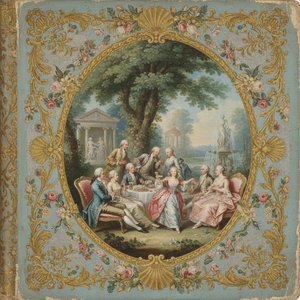
The Champs-Elysées

Reproducere pictată manual în ulei

Pictură în ulei pe pânză, pictată manual de artiștii noștri la dimensiunea și ramele dorite de dumneavoastră, pe comandă. ( Comută pe versiunea Print Comută pe Imagine Digitală)

Descriere obiect de colecție

Experience Watteau's 'The Champs-Elysées,' a captivating Rococo masterpiece depicting elegant figures enjoying a Parisian park scene. Explore its beauty & history!

Biografie artist

Descoperă frumusețea și melancolia lui Jean-Antoine Watteau, maestru al Rococoului! Admira scenele idilice 'fêtes galantes', portretele elegante și influența sa asupra artei secolului XVIII. Vizualizează capodopere precum "Dansul rural"!

from ·

Chapter 1

How large should it be?

Slide to change the size; the picture on the left shows the frame at its real width. The proportions of the original are kept.

Standard
personalizat
CM
INCH

Alegeți dintre dimensiunile noastre prestabilite, care respectă proporțiile originale ale operei de artă.

lățime
înălțime

Introduceți lățimea și înălțimea necesare pentru a se potrivi ramei sau peretelui dumneavoastră. Această lucrare este pictată manual, așa că, pentru o dimensiune cu o formă diferită, artistul poate picta puțin mai mult în jurul imaginii sau poate tăia puțin din margini — dumneavoastră decideți. Vă vom trimite o simulare digitală pentru aprobare înainte de a începe pictarea. Imaginea afișată pe această pagină nu reprezintă rezultatul real — doar simularea este reprezentativă.

Chapter 2

How should it arrive?

Choose the edges of the stretched canvas

Choose your frame

Corner sample of the WhiteWrap canvas edge finish, stretched on lemn masiv bars
White lei1
Corner sample of the BlurSideWrap canvas edge finish, stretched on lemn masiv bars
Blurside lei1
Corner sample of the ExtendedWrap canvas edge finish, stretched on lemn masiv bars
Extended lei1
Corner sample of the P118B picture frame: polistiren turnat, 5 cm wide and 3 cm thick
P118B lei10
Corner sample of the P118H picture frame: polistiren turnat, 5 cm wide and 3 cm thick
P118H lei10
Corner sample of the P118W picture frame: polistiren turnat, 5 cm wide and 3 cm thick
P118W lei10
Corner sample of the P438Z picture frame: polistiren turnat, 5.5 cm wide and 3.5 cm thick
P438Z lei10
Corner sample of the P508JH picture frame: polistiren turnat, 7 cm wide and 3.5 cm thick
P508JH lei12
Corner sample of the P508YH picture frame: polistiren turnat, 7 cm wide and 3.5 cm thick
P508YH lei12
Corner sample of the P805H picture frame: polistiren turnat, 5 cm wide and 3.5 cm thick
P805H lei10
Corner sample of the P805Z picture frame: polistiren turnat, 5 cm wide and 3.5 cm thick
P805Z lei10
Corner sample of the P919BZ picture frame: polistiren turnat, 7 cm wide and 3.5 cm thick
P919BZ lei10
Corner sample of the P919G picture frame: polistiren turnat, 7 cm wide and 3.5 cm thick
P919G lei10
Corner sample of the P919XJ picture frame: polistiren turnat, 7 cm wide and 3.5 cm thick
P919XJ lei10
Corner sample of the P959ZH picture frame: polistiren turnat, 5 cm wide and 3 cm thick
P959ZH lei10
Corner sample of the P968JZ picture frame: polistiren turnat, 6 cm wide and 4 cm thick
P968JZ lei12
Corner sample of the W106C picture frame: lemn masiv, 5 cm wide and 3 cm thick
W106C lei8
Corner sample of the W218G picture frame: lemn masiv, 5 cm wide and 3 cm thick
W218G lei10
Corner sample of the W218JH picture frame: lemn masiv, 5 cm wide and 3 cm thick
W218JH lei8
Corner sample of the W218Y picture frame: lemn masiv, 5 cm wide and 3 cm thick
W218Y lei10
Corner sample of the W307PJ picture frame: lemn masiv, 6 cm wide and 3 cm thick
W307PJ lei10
Corner sample of the W316G picture frame: lemn masiv, 6 cm wide and 3 cm thick
W316G lei10
Corner sample of the W316PJ picture frame: lemn masiv, 6 cm wide and 3 cm thick
W316PJ lei8
Corner sample of the W316Y picture frame: lemn masiv, 6 cm wide and 3 cm thick
W316Y lei10
Corner sample of the W398PJ picture frame: lemn masiv, 5 cm wide and 3 cm thick
W398PJ lei8
Corner sample of the W4111J picture frame: lemn masiv, 6.5 cm wide and 3.5 cm thick
W4111J lei10
Corner sample of the W500HY picture frame: lemn masiv, 7 cm wide and 5 cm thick
W500HY lei15
Corner sample of the W500JH picture frame: lemn masiv, 7 cm wide and 5 cm thick
W500JH lei15
Corner sample of the W692G picture frame: lemn masiv, 8 cm wide and 4 cm thick
W692G lei12
Corner sample of the W849H picture frame: lemn masiv, 5 cm wide and 3 cm thick
W849H lei8
Corner sample of the W940BG picture frame: lemn masiv, 7.5 cm wide and 4.5 cm thick
W940BG lei15
Corner sample of the W953PJ picture frame: lemn masiv, 6 cm wide and 3.5 cm thick
W953PJ lei8
Corner sample of the H24-GOLD picture frame: lemn sculptat cu gesso, 10 cm wide and 6 cm thick
H24-GOLD lei30
Corner sample of the H24-SILVER picture frame: lemn sculptat cu gesso, 10 cm wide and 6 cm thick
H24-SILVER lei30
Corner sample of the H36-GOLD picture frame: lemn sculptat cu gesso, 15 cm wide and 6.5 cm thick
H36-GOLD lei45
Corner sample of the H36-SILVER picture frame: lemn sculptat cu gesso, 15 cm wide and 6.5 cm thick
H36-SILVER lei45

Moulding: . Overall size with the frame: .

Chapter 3

Who paints it, and should anything change?

Examples of what can be changed: Replace face with customer photo; Add pet (e.g., replace cat with dog); Include hidden message in background; Change background landscape or elements.
After order, OriginalUniqueArt.com team will email client for instructions and provide a mockup preview

Livrare în întreaga lume () în 3-4 săptămâni, în loc de cele 5 săptămâni standard. (2 Noiembrie). Fără compromisuri în ceea ce privește calitatea.

Chapter 4

The finishing touches

A nameplate, as in a museum?

Detalii plăcuță din bronz gravat

This elegant plaque features the artist's name and the title of the artwork, finely engraved for a timeless presentation.

It is made from bronze with a refined, elegant finish. The text is precisely laser-engraved for a sharp and permanent result. Measuring 9x2 cm, the plaque is compact yet easy to read. It's built to be durable and scratch-resistant, offering a professional, museum-quality look. Mounting is simple thanks to the included adhesive backing.

Detalii plăcuță din acril transparent

The plaque includes essential engraved details such as the artist's name, the title of the artwork, the date it was created, the type of media used-like oil on canvas or watercolor-a brief description of the piece, and a QR code that links to the complete artwork information.

It is crafted from clear acrylic, offering a sleek, modern appearance. The text is UV-engraved in black to ensure strong visual contrast. With a size of 10x15 cm, it ensures optimal readability. It comes equipped with two metal hooks for secure wall mounting. The plaque is designed to be weather-resistant, making it suitable for various environments, and it includes interactive features that work seamlessly with smartphone scanning.

Detalii placă din acril negru

This elegant plaque includes engraved information such as the artist's name, the title of the artwork, the date it was created, the type of media used (like oil on canvas or watercolor), a short description of the artwork, and a QR code for quick access to more information.

The plaque itself is made from refined black acrylic with a premium finish. The text is laser-engraved in white for high contrast and readability. Its size is 10x15 cm, designed to be easy to read. It comes with two metal hooks for professional mounting. The design is sleek and fits any interior style. It is also weather-resistant and durable, with built-in digital integration for mobile compatibility.

A protective varnish?

When do you need it?

Chapter 5

Your painting, as you ordered it

The Champs-Elysées

Tehnică de reproducere

Dimensiune reproducere

-

Selecție de artiști de elită

Mai multe detalii, rafinament și timp suplimentar de execuție

-

Ramă pentru reproducere artistică

-

-

Pentru opere de artă sau reproduceri care depășesc 105 cm (aproximativ 41 de inch) pe oricare dintre laturi, cadrul va fi livrat demontat, sub formă de kit. Această metodă asigură o livrare sigură și previne deteriorarea în timpul transportului.

Este necesară asamblarea profesională – acest produs nu este de tip DIY (de făcut singur).
Kitul trebuie asamblat, iar pânza întinsă, de către un legător de cadre experimentat, utilizând adeziv pentru lemn (neinclus în colet), o cheie pentru întinderea pânzei și cleme pentru a menține barele la unghi drept în timp ce adezivul se usucă. Asamblarea incorectă sau tensiunea neuniformă a pânzei pot deteriora permanent opera de artă și nu sunt acoperite de garanția noastră.

  • Toate barele din lemn masiv sunt incluse, tăiate cu precizie la dimensiunea necesară.

  • Asamblat cu șuruburile incluse, plus adeziv pentru lemn pentru îmbinările de colț, care nu este furnizat și trebuie achiziționat de către tâmplarul dumneavoastră.

  • Sunt necesare unelte profesionale care nu sunt incluse: o șipte de întindere a pânzei (tensionator) și cleme pentru a menține barele la unghi drept în timp ce adezivul se usucă.

Important:
Îmbinările de colț necesită adeziv pentru lemn, barele trebuie fixate cu clești de strângere până când adezivul este complet uscat, iar întinderea pânzei pe cadrul asamblat necesită un clește pentru întins pânza. Niciunul dintre aceste elemente nu este inclus în kit. Vă rugăm să consultați un încadrator profesionist cu experiență înainte de a comanda această dimensiune.

Etichetă de prezentare

-

-

Lac de protecție

Lac lucios (intensifică nuanțele și oferă protecție împotriva luminii și a umidității)

-

Personalizează opera mea de artă

Exemple de elemente ce pot fi personalizate: Înlocuirea feței cu fotografia clientului; Adăugarea unui animal de companie (de exemplu, înlocuirea unei pisici cu un câine); Includerea unui mesaj ascuns în fundal; Modificarea peisajului sau a elementelor din fundal.

-

Livrare rapidă

Livrare la nivel mondial () în 3-4 săptămâni, în loc de cele 5 săptămâni standard. (2 Noiembrie). Fără compromisuri când vine vorba de calitate.

-

Livrare rapidă

Livrare la nivel mondial () în 5 săptămâni. (9 Noiembrie).

Inclus

Preț total calculat

lei 2253

Preț total lei 2253

Opțiunea cu sticlă este disponibilă doar pentru dimensiuni de sub 110 cm

Included with every order

  • Livrare expres gratuită la nivel mondial
  • Pânză de in de înaltă calitate
  • Asigurare completă pentru transport
  • Garanție de rambursare a taxelor vamale
  • Garanția fidelității culorilor
  • Politica de retur în 100 de zile (doar pentru defecte de fabricație)
  • Garanție de rambursare 100%
  • Ofertă pentru comenzi multiple

The Champs-Elysées: A Rococo Vision of Parisian Leisure

Jean Antoine Watteau's "The Champs-Elysées," painted in 1719, is a quintessential example of the *fête galante* genre and a captivating glimpse into the aristocratic leisure culture of early 18th-century France. Measuring 33 x 43 cm, this oil on canvas masterpiece resides within the esteemed Wallace Collection in London, offering viewers a window into Watteau's masterful ability to blend landscape and figure painting with an unparalleled sense of elegance and charm.

A Scene of Refined Sociability

The painting depicts a group of approximately twelve individuals gathered in what appears to be a park setting, likely the gardens on the Champs-Elysées in Paris. The figures are dressed in fashionable attire of the period, showcasing a variety of colors and styles that reflect the social status and individual tastes of the time. They engage in relaxed conversation and leisurely activities, creating an atmosphere of refined sociability. Watteau's composition skillfully utilizes depth; trees and foliage recede into the background, enhancing the sense of space and tranquility. The diffused lighting contributes to a soft, dreamlike quality that is characteristic of Rococo art.

The *Fête Galante* Genre and Artistic Significance

Watteau's contribution to art history lies significantly in his development of the *fête galante*. This genre, meaning "elegant festival," specifically portrays scenes of aristocratic gatherings in idyllic outdoor settings. Unlike traditional historical or mythological paintings, *fêtes galantes* focused on depicting contemporary leisure activities and social interactions within a picturesque landscape. “The Champs-Elysées” perfectly embodies this style, showcasing Watteau’s skill in capturing the relaxed atmosphere and subtle nuances of his subjects' relationships. The painting isn't merely a depiction of a scene; it is an exploration of beauty, grace, and the pursuit of pleasure – central tenets of Rococo aesthetics.

Technique and Symbolism

Watteau’s technique in "The Champs-Elysées" is characterized by loose brushwork and a slightly hazy effect. He employed glazing techniques to build up layers of color, creating depth and luminosity. The composition relies on flowing lines and organic shapes – trees, figures, water features – which blend together harmoniously. Symbolism within the painting is subtle but present. The carefully chosen attire of the figures suggests their social standing and individual personalities. The overall setting, a meticulously rendered garden, represents an idealized vision of nature—a space for contemplation, conversation, and refined enjoyment. While not overtly symbolic, the scene evokes feelings of serenity, elegance, and the fleeting beauty of life.

Watteau's Legacy and Further Exploration

"The Champs-Elysées" stands as a testament to Watteau’s artistic genius and his pivotal role in transitioning from Baroque to Rococo art. Beyond this iconic work, Watteau left behind a rich body of paintings including "Halt During the Hunt," "Les Charmes de la Vie (The Music Party)," "Harlequin and Columbine," and “The Pleasures of Life,” all housed within the Wallace Collection. For those interested in exploring more of Watteau's works or other artists, OriginalUniqueArt offers a wide range of handmade oil painting reproductions. Additionally, for further information on the Wallace Collection, visit their official website at https://www.wallacecollection.org/.

Întrebări și răspunsuri

Există un ghid pentru "The Champs-Elysées" de Jean-Antoine Watteau?

Pagina Fișă informativă pentru "The Champs-Elysées" de Jean-Antoine Watteau oferă o fișă informativă imprimabilă în două pagini: opera de artă însoțită de tabelul său de identificare, o bandă decenală care o plasează în intervalul de viață al artistului, alte lucrări ale acestuia, paleta de culori extrasă din imagine și citări gata de copiat în patru stiluri diferite.

Ce atmosferă conferă "The Champs-Elysées" de Jean-Antoine Watteau unui interior?

Atmosfera Romantic a operei "The Champs-Elysées" de Jean-Antoine Watteau se potrivește perfect spațiului recomandat: un Living Room.

Din ce perioadă a carierei lui Jean-Antoine Watteau face parte „The Champs-Elysées”?

În cariera lui Jean-Antoine Watteau, „The Champs-Elysées” aparține perioadei Mature Period. Această etapă facilitează compararea sa cu celelalte opere ale artistului.

More about this painting

Previzualizare Previzualizare AR Comută pe versiunea Print Comută pe Imagine Digitală Trimite prin felicitare
Detalii despre lucrare Ghid Adaugă la favorite Descarcă imaginea Produse similare Radiografie Galerie foto Q&A Statistici

In numbers

  • 1719the year it was painted
  • 29frames to choose from
  • standard sizes, in its own proportions
  • 5weeks to paint and deliver it
Jean-Antoine Watteau

Jean-Antoine Watteau

1684 - 1721, Franța

Quick facts about Jean-Antoine Watteau

  • Artistic Movement Or Style: Rococō
  • Artists Or Movements Influenced By This Artist:
    • Fragonard
    • Boucher
  • Artists Who Influenced This Artist:
    • Titian
    • Veronese
    • Rubens
  • Date Of Birth: 1684
  • Date Of Death: 1721
  • Full Name: Jean-Antoine Watteau
  • Nationality: Francez
  • Notable Artworks:
    • Dansul rural
    • Ceres (Vara)
    • Contractul de căsătorie
    • Gilles
    • Pelerinajul către Cythera
  • Place Of Birth: Valenciennes, Franța

Biografie artist

A Delicate Brushstroke: The Life and Art of Jean-Antoine Watteau

Jean-Antoine Watteau, a name synonymous with the blossoming Rococo style, emerged from the northern French city of Valenciennes in 1684. His brief but incandescent career irrevocably altered the course of eighteenth-century painting, shifting its focus from the grandeur and drama of the Baroque to an intimate world of elegance, leisure, and subtle emotion. Unlike many artists who followed a clearly defined path, Watteau’s journey was marked by initial struggles for recognition within the established art institutions of Paris. Born into a family of modest means—his father a master roofer—young Jean-Antoine displayed an early aptitude for drawing, initially sketching the colorful characters and bustling scenes of his hometown streets. This formative experience instilled in him a keen eye for observation and a fascination with everyday life, themes that would permeate his later work. His initial training under local artists Jacques-Albert Gérin and Julien provided a foundation, but it was his move to Paris around 1702 that truly ignited his artistic development.

From Theatrical Scenes to *Fêtes Galantes*

In the vibrant heart of Paris, Watteau entered the workshop of Claude Gillot, a painter specializing in theatrical designs and the popular genre of *fêtes galantes*—depictions of aristocratic outdoor entertainments. This apprenticeship proved pivotal. Gillot’s influence exposed Watteau to the world of commedia dell'arte, with its masked characters and playful narratives, which would become a recurring motif throughout his oeuvre. However, Watteau’s artistic sensibilities didn’t neatly align with the rigid categories favored by the Académie Royale de Peinture et de Sculpture. His genre paintings were deemed unsuitable for official recognition, leading to initial rejection when he attempted to compete for the prestigious Prix de Rome. Undeterred, and demonstrating a remarkable resilience, Watteau persevered, eventually gaining acceptance as a *maître amateur* in 1717—a status that allowed him to exhibit his work independently. This period marked a crucial turning point, allowing him to fully develop his unique style characterized by luminous colors, delicate brushwork, and an air of wistful melancholy. He began to move away from direct theatrical representation towards more poetic and evocative scenes, inventing the *fête galante* as a distinct genre—idyllic gatherings in park-like settings where aristocratic figures engaged in flirtatious pursuits and refined pastimes.

The Essence of Rococo: Style and Masterpieces

Watteau’s paintings are instantly recognizable for their distinctive qualities. He possessed an unparalleled ability to capture the elegance and refinement of aristocratic life, not through bombastic displays of power or wealth, but through subtle gestures, nuanced expressions, and a masterful use of light and color. His figures exude a poetic grace and a delicate emotional depth that sets them apart from the more formal portraits of his predecessors. The Country Dance (1718-1721), perhaps one of his most celebrated works, exemplifies this perfectly—a vibrant scene depicting carefree rustic life with exquisite detail and an underlying sense of longing. Other masterpieces such as Ceres (Summer) (1705) demonstrate his skill in portraying the beauty of nature and the human form, while The Embarkation for Cythera (1717) and its companion piece, Pilgrimage to Cythera, are iconic depictions of mythological journeys to the island of love, imbued with a sense of mystery and romantic yearning. Even his theatrical portraits, like Gilles (1719), possess an enigmatic quality that invites contemplation. Watteau’s technique was equally innovative; he employed a feathery brushstroke and a delicate layering of colors to create a shimmering effect, capturing the fleeting beauty of light and atmosphere.

Influences and Artistic Development

Watteau's artistic lineage is complex, drawing inspiration from diverse sources. He deeply admired Venetian Renaissance masters like Titian and Veronese, particularly their rich color palettes and dynamic compositions. The influence of Flemish artists such as Rubens is also evident in his energetic brushwork and sensuous figures. However, Watteau didn’t simply imitate these predecessors; he synthesized their influences into something entirely new and uniquely his own—a style that became the hallmark of Rococo painting. His early training under Gérin provided a solid grounding in traditional techniques, but it was through his exposure to the theatrical world and the *fêtes galantes* that he developed his distinctive vision. The rejection from the Prix de Rome forced him to forge his own path, leading him to experiment with new approaches to composition, color, and subject matter. This period of independent exploration ultimately shaped his artistic identity and allowed him to establish a style that was both innovative and deeply personal.

Legacy and Enduring Influence

Watteau's artistic lineage is complex, drawing inspiration from diverse sources. He deeply admired Venetian Renaissance masters like Titian and Veronese, particularly their rich color palettes and dynamic compositions. The influence of Flemish artists such as Rubens is also evident in his energetic brushwork and sensuous figures. However, Watteau didn’t simply imitate these predecessors; he synthesized their influences into something entirely new and uniquely his own—a style that became the hallmark of Rococo painting. Despite a tragically short life—he succumbed to tuberculosis in 1721 at the age of just thirty-seven—Watteau left an indelible mark on art history. His work profoundly influenced generations of artists, including Fragonard and Boucher, who further developed the themes and techniques he pioneered. He redefined genre painting, elevating it to a level of artistic sophistication previously reserved for historical or religious subjects. Today, his paintings are treasured in major museums worldwide—from the National Gallery of Art in Washington D.C. to the Museo del Prado in Madrid—continuing to captivate audiences with their beauty, grace, and enduring appeal, solidifying his place as one of the most important and beloved artists of the Rococo period.