

 Previzualizare
 Trimite
 Distribuie
 Detalii despre lucrare

 Descarcă
 Produse similare
 Radiografie
 Diapozitive automate
 Stats
StatsLa Chute d'eau


 Vezi mai mult
Giclée / Imprimare artistică
Printuri giclée sau pe canvas de calitate muzeală, cu proces de producție rapid și opțiuni flexibile de finisare. ( Comandă pictură lucrată manual Switch to Digital Image)




P118B $10

P118H $10

P118W $10

P438Z $10

P508JH $12

P508YH $12

P805H $10

P805Z $10

P919BZ $10

P919G $10

P919XJ $10

P959ZH $10

P968JZ $12

W106C $8

W218G $10

W218JH $8

W218Y $10

W307PJ $10

W316G $10

W316PJ $8

W316Y $10

W398PJ $8

W4111J $10

W500HY $15

W500JH $15

W692G $12

W849H $8

W940BG $15

W953PJ $8




Alegeți dintre dimensiunile noastre prestabilite, care respectă proporțiile originale ale operei de artă.

Puteți introduce propriile dimensiuni pentru a se potrivi unui anumit cadru sau spațiu. Dacă dimensiunea selectată nu corespunde proporțiilor imaginii originale, vom decupa lucrarea de artă sau vom extinde imaginea cu margini oglindite sau cu o culoare uniformă. Un mockup digital va fi trimis pentru aprobarea dumneavoastră înainte de începerea producției.
Vă rugăm să rețineți că previzualizarea de pe ecran nu reflectă decuparea sau extinderea reală. Doar mockup-ul va arăta cu exactitate compoziția finală.
Deși dimensiunile personalizate sunt disponibile, vă recomandăm să selectați o dimensiune din lista predefinită pentru a păstra proporțiile originale.
Livrare în întreaga lume () în 2 săptămâni, în loc de cele 4/5 săptămâni standard. (8 Septembrie)

Livrare expres gratuită la nivel mondial

Pânză de in de înaltă calitate

Asigurare completă pentru transport

Garanție de rambursare a taxelor vamale

Garanția fidelității culorilor

Politica de retur de 100 de zile (doar pentru defecte)

Garanție de rambursare 100%

Ofertă pentru comenzi multiple
 Opțiunea cu sticlă este disponibilă doar pentru dimensiuni de sub 110 cm

La Chute d'eau
Giclée / Imprimare artistică
Dimensiune reproducere
-


Preț total calculat
$ 80
A Moment of Grace: Jean-Antoine Watteau’s *La Chute d'Eau*
Jean-Antoine Watteau, a name that whispers of delicate beauty and fleeting pleasure, gifted the world with a series of paintings known as “fêtes galantes”—scenes of aristocratic leisure and idyllic gatherings. Among these treasures, *La Chute d’Eau*, or "The Waterfall," stands out not merely for its picturesque subject matter but for the profound sense of serenity and understated emotion it evokes. Completed around 1718-1720, this oil on canvas transports us to a secluded corner of the French countryside, a realm where nature's grandeur meets the refined sensibilities of Watteau’s aristocratic clientele.
The painting depicts a small cascade tumbling over mossy rocks into a clear pool. A group of elegantly dressed figures – men and women – are scattered around the waterfall’s edge, some gazing at it with quiet contemplation, others engaged in lighthearted conversation or enjoying a picnic. The composition is remarkably balanced, drawing the eye through the scene with a subtle interplay of diagonals created by the rocks and the flow of water. Watteau masterfully uses atmospheric perspective, softening the distant trees and creating a hazy, dreamlike quality that enhances the painting’s overall sense of tranquility.
The Rococo Palette: Technique and Style
Watteau's signature style is immediately recognizable in *La Chute d’Eau*. He employs a delicate brushstroke, layering thin glazes of color to achieve an astonishing luminosity. The colors are muted yet vibrant—soft blues, greens, and browns dominate the palette, creating a harmonious blend that mirrors the natural world. Notice how he captures the shimmering reflections on the water's surface, using subtle variations in tone to suggest movement and light. The figures themselves are rendered with a remarkable degree of grace and elegance, their clothing flowing and their poses conveying an air of relaxed sophistication. Watteau’s skill lies not just in depicting reality but in capturing the *feeling* of it—the gentle warmth of a summer afternoon, the quiet joy of shared companionship.
The choice of oil paint allowed Watteau to build up layers of color and texture with incredible precision, creating depth and richness that was unparalleled at the time. He expertly utilized chiaroscuro – the contrast between light and shadow – to model forms and create a sense of volume, particularly in the rocks and foliage surrounding the waterfall. This masterful technique contributes significantly to the painting’s captivating realism, despite its idealized setting.
A World of Subtlety: Symbolism and Context
*La Chute d'Eau* is more than just a pretty picture; it’s imbued with symbolic meaning rooted in the conventions of Rococo art. The waterfall itself represents renewal and transformation, mirroring the fleeting nature of beauty and pleasure – central themes of the era. The figures are often interpreted as representing the aristocracy indulging in leisure activities, but Watteau avoids overt displays of wealth or grandeur. Instead, he focuses on capturing a moment of quiet intimacy and shared enjoyment. The presence of animals—a dog and a sheep—adds to the pastoral atmosphere, reinforcing the painting’s connection to nature.
Watteau's work reflects the broader cultural context of 18th-century France, where aristocratic life was increasingly characterized by elaborate entertainments and a focus on refined sensibilities. *La Chute d'Eau* embodies this spirit perfectly, offering a glimpse into a world of elegance, leisure, and understated beauty—a world that continues to captivate viewers centuries later.
Bringing Watteau’s Vision Home: Reproductions
Watteau’s influence on subsequent generations of artists is undeniable. *La Chute d'Eau*, in particular, has served as a model for countless painters and decorators seeking to capture the spirit of Rococo elegance. At OriginalUniqueArt.com and similar platforms, we offer meticulously crafted hand-painted reproductions that faithfully recreate Watteau’s masterpiece, allowing you to bring this exquisite scene into your home or office.
Our reproductions are created using traditional oil painting techniques, employing the same pigments and brushwork as Watteau himself. Each reproduction is a unique work of art, capturing not only the visual details of the original but also its emotional resonance. Whether you’re an art collector, an interior designer, or simply someone who appreciates beauty, a hand-painted reproduction of *La Chute d'Eau* is a stunning addition to any space—a timeless reminder of Watteau’s genius and the enduring allure of the Rococo style.
Biografie artist
A Delicate Brushstroke: The Life and Art of Jean-Antoine Watteau
Jean-Antoine Watteau, a name synonymous with the blossoming Rococo style, emerged from the northern French city of Valenciennes in 1684. His brief but incandescent career irrevocably altered the course of eighteenth-century painting, shifting its focus from the grandeur and drama of the Baroque to an intimate world of elegance, leisure, and subtle emotion. Unlike many artists who followed a clearly defined path, Watteau’s journey was marked by initial struggles for recognition within the established art institutions of Paris. Born into a family of modest means—his father a master roofer—young Jean-Antoine displayed an early aptitude for drawing, initially sketching the colorful characters and bustling scenes of his hometown streets. This formative experience instilled in him a keen eye for observation and a fascination with everyday life, themes that would permeate his later work. His initial training under local artists Jacques-Albert Gérin and Julien provided a foundation, but it was his move to Paris around 1702 that truly ignited his artistic development.From Theatrical Scenes to *Fêtes Galantes*
In the vibrant heart of Paris, Watteau entered the workshop of Claude Gillot, a painter specializing in theatrical designs and the popular genre of *fêtes galantes*—depictions of aristocratic outdoor entertainments. This apprenticeship proved pivotal. Gillot’s influence exposed Watteau to the world of commedia dell'arte, with its masked characters and playful narratives, which would become a recurring motif throughout his oeuvre. However, Watteau’s artistic sensibilities didn’t neatly align with the rigid categories favored by the Académie Royale de Peinture et de Sculpture. His genre paintings were deemed unsuitable for official recognition, leading to initial rejection when he attempted to compete for the prestigious Prix de Rome. Undeterred, and demonstrating a remarkable resilience, Watteau persevered, eventually gaining acceptance as a *maître amateur* in 1717—a status that allowed him to exhibit his work independently. This period marked a crucial turning point, allowing him to fully develop his unique style characterized by luminous colors, delicate brushwork, and an air of wistful melancholy. He began to move away from direct theatrical representation towards more poetic and evocative scenes, inventing the *fête galante* as a distinct genre—idyllic gatherings in park-like settings where aristocratic figures engaged in flirtatious pursuits and refined pastimes.The Essence of Rococo: Style and Masterpieces
Watteau’s paintings are instantly recognizable for their distinctive qualities. He possessed an unparalleled ability to capture the elegance and refinement of aristocratic life, not through bombastic displays of power or wealth, but through subtle gestures, nuanced expressions, and a masterful use of light and color. His figures exude a poetic grace and a delicate emotional depth that sets them apart from the more formal portraits of his predecessors. The Country Dance (1718-1721), perhaps one of his most celebrated works, exemplifies this perfectly—a vibrant scene depicting carefree rustic life with exquisite detail and an underlying sense of longing. Other masterpieces such as Ceres (Summer) (1705) demonstrate his skill in portraying the beauty of nature and the human form, while The Embarkation for Cythera (1717) and its companion piece, Pilgrimage to Cythera, are iconic depictions of mythological journeys to the island of love, imbued with a sense of mystery and romantic yearning. Even his theatrical portraits, like Gilles (1719), possess an enigmatic quality that invites contemplation. Watteau’s technique was equally innovative; he employed a feathery brushstroke and a delicate layering of colors to create a shimmering effect, capturing the fleeting beauty of light and atmosphere.Influences and Artistic Development
Watteau's artistic lineage is complex, drawing inspiration from diverse sources. He deeply admired Venetian Renaissance masters like Titian and Veronese, particularly their rich color palettes and dynamic compositions. The influence of Flemish artists such as Rubens is also evident in his energetic brushwork and sensuous figures. However, Watteau didn’t simply imitate these predecessors; he synthesized their influences into something entirely new and uniquely his own—a style that became the hallmark of Rococo painting. His early training under Gérin provided a solid grounding in traditional techniques, but it was through his exposure to the theatrical world and the *fêtes galantes* that he developed his distinctive vision. The rejection from the Prix de Rome forced him to forge his own path, leading him to experiment with new approaches to composition, color, and subject matter. This period of independent exploration ultimately shaped his artistic identity and allowed him to establish a style that was both innovative and deeply personal.Legacy and Enduring Influence
Watteau's artistic lineage is complex, drawing inspiration from diverse sources. He deeply admired Venetian Renaissance masters like Titian and Veronese, particularly their rich color palettes and dynamic compositions. The influence of Flemish artists such as Rubens is also evident in his energetic brushwork and sensuous figures. However, Watteau didn’t simply imitate these predecessors; he synthesized their influences into something entirely new and uniquely his own—a style that became the hallmark of Rococo painting. Despite a tragically short life—he succumbed to tuberculosis in 1721 at the age of just thirty-seven—Watteau left an indelible mark on art history. His work profoundly influenced generations of artists, including Fragonard and Boucher, who further developed the themes and techniques he pioneered. He redefined genre painting, elevating it to a level of artistic sophistication previously reserved for historical or religious subjects. Today, his paintings are treasured in major museums worldwide—from the National Gallery of Art in Washington D.C. to the Museo del Prado in Madrid—continuing to captivate audiences with their beauty, grace, and enduring appeal, solidifying his place as one of the most important and beloved artists of the Rococo period.
Jean-Antoine Watteau
1684 - 1721 , Franța
Detalii rapide
- Artistic Movement Or Style: Rococō
- Artists Or Movements Influenced By This Artist:
- Fragonard
- Boucher
- Artists Who Influenced This Artist:
- Titian
- Veronese
- Rubens
- Date Of Birth: 1684
- Date Of Death: 1721
- Full Name: Jean-Antoine Watteau
- Nationality: Francez
- Notable Artworks:
- Dansul rural
- Ceres (Vara)
- Contractul de căsătorie
- Gilles
- Pelerinajul către Cythera
- Place Of Birth: Valenciennes, Franța
Articole similare

The Rococo Aesthetic: Opulence, Rebellion & the Pursuit of Pleasure in 18th-Century Art
Explore the opulent world of Rococo art! Discover its origins, key artists like Watteau & Boucher, and lasting influence on design. Expert insights for collectors & enthusiasts.
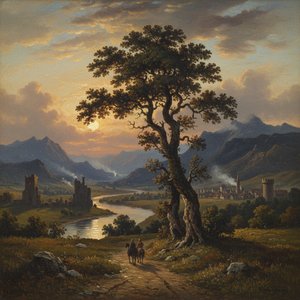
Paul Huet: Capturing the Essence of French Romanticism Through Light and Landscape
Explore the captivating world of Paul Huet (1803-1869), a master of French Romantic landscape painting. Discover his influence on Barbizon & Impressionism, and browse high-quality reproductions at OriginalUniqueArt.

Evocations of Place: A Historical Journey Through Landscape Art
Explore the rich history of landscape art with OriginalUniqueArt. Discover renowned artists, movements like Impressionism & Romanticism, and expert guidance for collecting timeless pieces. Find your perfect serene escape today!

Peisaje Romantice Iconice: 10 Capodopere Artistice pentru Decorul de Lux
Descoperă 10 capodopere romantice iconice de Caspar David Friedrich, Turner și alți maeștri. Explorează istoria artei, emoțiile din peisaje și găsește tablouri canvas perfecte pentru decorul tău pe OriginalUniqueArt.com!

Top 10 Capodopere Rococo: Arta, Istorie și Decor Excepțional | OriginalUniqueArt.ro
Descoperă top 10 capodopere Rococo de la Fragonard, Boucher și Watteau! Explorează istoria artei, tehnicile și culorile vibrante ale stilului Rococo. Reproduceri de artă excepționale pentru decorul perfect pe OriginalUniqueArt.ro.


