
 Previzualizare
 Trimite prin felicitare
 Distribuie
 Detalii despre lucrare
 Ghid
Ghid

 Descarcă imaginea
 Produse similare
 Radiografie
 Galerie foto
 Q&A
Q&A Statistici
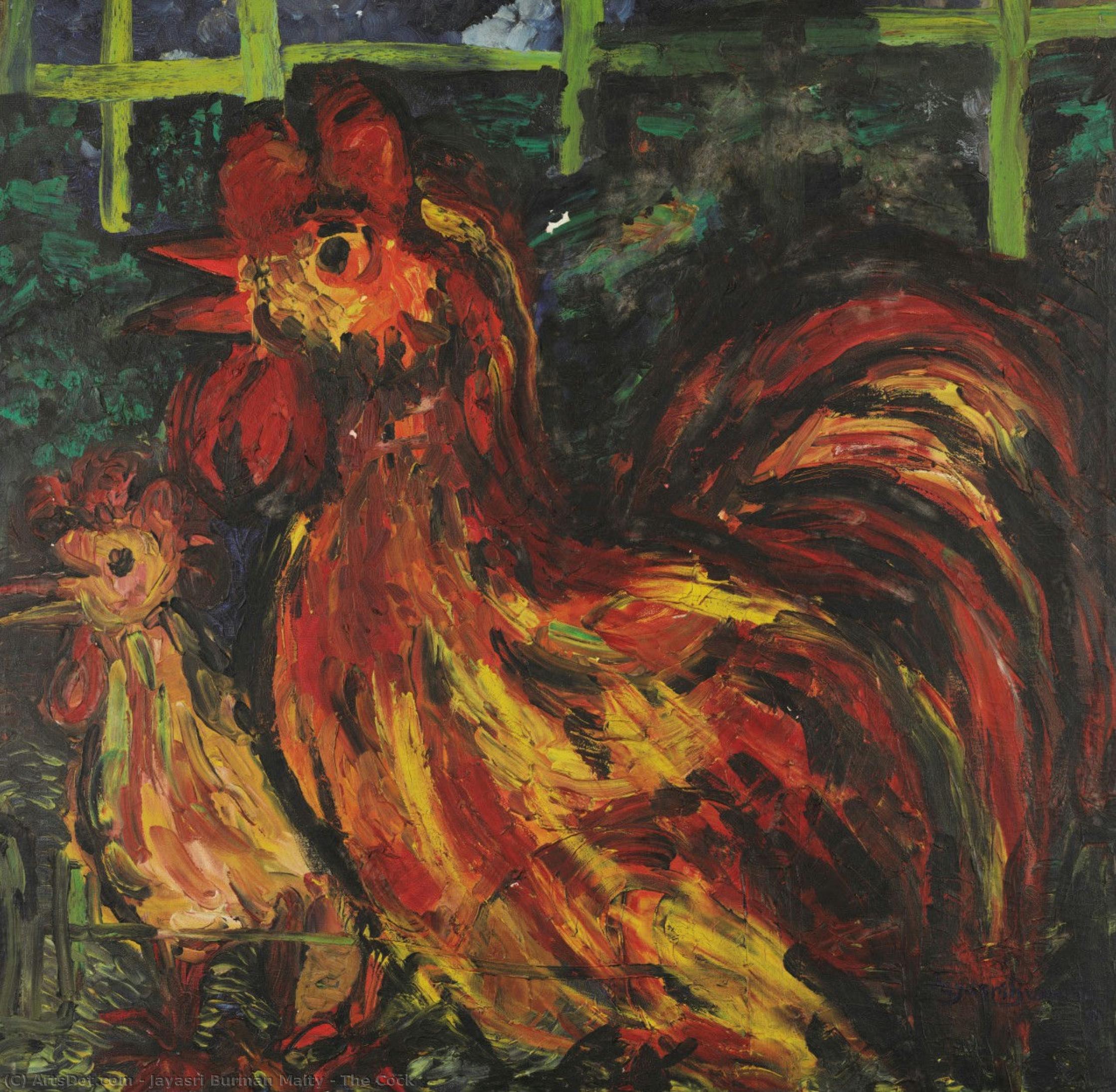
The Cock
 Acrylic On Canvas
- WallArt
- Contemporary Realism
 Modern
 89.0 x 91.0 cm
 Kerala Museum
 Vezi mai mult
Obțineți un fișier gata de imprimare care depășește cu mult calitatea previzualizării web. Fiecare imagine digitală pe care o vindem provine dintr-un master de înaltă rezoluție din baza noastră de date — având, de regulă, o lățime între 5.000 și 15.000 de pixeli — astfel încât să puteți printa în format mare, să decupați strâns sau să reproduceți detalii fine cu încredere.
Niciun fișier nu părăsește studioul nostru fără să fie tratat. Un expert digital verifică nuanțele de culoare în raport cu pictura originală și le corectează acolo unde este necesar, apoi îmbunătățește claritatea și detaliile folosind instrumente profesionale de retușare — rămânând întotdeauna fidel gestului pictural și stilului artistului. Rezultatul este o imagine care seamănă cu tabloul propriu-zis, nu cu o scanare filtrată.
Aprobați înainte de finalizare: expertul nostru vă va trimite imaginea prin e-mail în termen de 72 de ore pentru revizuire. Nu sunteți mulțumit? Solicitați îmbunătățiri sau corecturi, ori cereți o restituire a plății dacă calitatea nu este pe măsura așteptărilor.
Aceasta este calitatea pe care se bazează editorii, studiourile de design, galeriile și tipăriturile.
Imagine Digitală
Descărcați un fișier la rezoluție înaltă pentru afișare personală, imprimare și proiecte creative. ( Comută pe versiunea Print Comandă pictură realizată manual)
Inclus în fiecare comandă de imagini digitale
Livrare digitală de expertiză, garantată
Când alegeți OriginalUniqueArt.com, nu primiți doar o simplă imagine – primiți o operă de artă digitală îmbunătățită profesional, creată cu precizie și susținută de o garanție de satisfacție. Iată tot ceea ce primești odată cu comanda ta, în mod automat:

Livrare rapidă prin e-mail
Fișierul imaginii digitale la rezoluție înaltă vă va fi trimis prin e-mail în termen de 72 de ore de la finalizarea comenzii – gata pentru utilizare imediată.

Fișier digital optimizat prin IA
Opera ta de artă este optimizată profesional prin intermediul unor instrumente AI avansate și al editării manuale, asigurând un nivel maxim de detalii, claritate și acuratețe a culorilor.

Retransmitere gratuită pe viață
Ai șters sau ai pierdut din greșeală fișierul? Nu îți face griji – ți-l vom retrimite oricând, gratuit.

Fără taxe de import – Întotdeauna
Bucură-te instant de noua ta operă de artă, fără taxe vamale, taxe de import sau costuri de livrare – descărcările digitale sunt întotdeauna fără taxe.

Garanția acurateții culorilor
Asigurăm o reflectare cât mai fidelă a culorilor originale în imaginea ta digitală, prin utilizarea unor instrumente profesionale și a proceselor de gestionare a culorii.

Garanție de satisfacție de 100 de zile
Dacă nu sunteți mulțumit de imaginea digitală achiziționată, o vom revizui sau vă vom returna 100% în termen de 100 de zile – fără nicio întrebare.

Garanție de returnare 100% a banilor
Nu ești mulțumit? Primești rambursarea integrală în termen de 100 de zile de la primirea fișierului digital – fără nicio întrebare.

Reduceri pentru comenzi în volum
Cumpără 3 imagini, economisește 10% - Cumpără 5, economisește 15% - Cumpără 10+, economisește 20%. Ideal pentru proiecte creative, galerii și agenții.
A Vibrant Encounter: Jayasri Burman’s “The Cock”
Jayasri Burman’s “The Cock,” a captivating watercolour painting measuring 89 x 91 cm, is more than just a depiction of two birds; it's an immersive experience into the fantastical world conjured by one of India’s most intriguing contemporary artists. Born in Kolkata in 1960, Burman’s artistic journey began with formal training in printmaking under Monsieur Ceizerzi in Paris, a period that undoubtedly shaped her distinctive style and approach to subject matter. Her work has garnered international recognition, showcased at prestigious venues like the 1987 International Triennale in Germany and Gallery Sumukha in Hong Kong, reflecting a commitment to pushing artistic boundaries and exploring themes of hybridity and human connection.
- Subject Matter: The painting centers around a striking juxtaposition – a rooster standing proudly beside a smaller chicken. This seemingly simple pairing immediately draws the viewer into a world where the familiar is rendered strange and beautiful.
- Technique: Burman’s mastery of watercolour is evident in the rich, intense hues she employs. Her bold application of color creates a dynamic visual experience, emphasizing the textures and forms of the birds with remarkable precision. The use of light and shadow adds depth and dimension to the scene, further enhancing its impact.
- Composition: The placement of the rooster as the focal point, coupled with the chicken’s deliberate positioning nearby, generates a compelling narrative tension. The inclusion of a window in the background introduces an element of perspective and invites the viewer to contemplate the relationship between the interior and exterior worlds.
Echoes of the 1960s: A Context for Burman's Vision
To fully appreciate “The Cock,” it’s crucial to understand the artistic landscape from which Jayasri Burman emerged. The 1960s represented a period of profound upheaval and transformation, a time when artists actively rejected the constraints of traditional art forms. Influenced by movements like Pop Art and fueled by social and political change – civil rights struggles, technological advancements, and the rise of counterculture – artists sought to challenge established norms and explore new ways of representing reality. Burman’s work embodies this spirit of experimentation, reflecting a desire to interrogate societal values and propose alternative perspectives.
Symbolism and Narrative
The rooster itself carries significant symbolic weight. Traditionally associated with courage, vigilance, and the rising sun, its presence in the painting suggests an assertion of strength and resilience. The smaller chicken, perhaps representing vulnerability or dependence, adds another layer to the narrative. The fantastical element – the hybrid animals with human heads and female figures that frequently appear in Burman’s work – elevates this scene beyond a simple observation of nature, inviting viewers to contemplate themes of identity, transformation, and the blurred boundaries between the natural and the artificial.
Emotional Impact and Artistic Value
"The Cock" is not merely a beautiful image; it's an emotionally resonant artwork that invites contemplation. Burman’s skillful use of color and composition creates a sense of wonder and intrigue, drawing the viewer into her unique artistic vision. This piece represents a significant addition to Burman’s oeuvre, showcasing her signature style and thematic concerns. A hand-painted reproduction offers collectors and interior designers alike the opportunity to experience the full impact of this captivating artwork in their own spaces – a vibrant reminder of the power of art to challenge, inspire, and transform our perceptions.
Întrebări și răspunsuri
Care sunt formatul și dimensiunile pentru "The Cock"?
"The Cock" de Jayasri Burman Maity este o compoziție de tip Square, cu dimensiunile de 89 x 91 cm în formatul original.
Pot comanda o reproducere în ulei a operei "The Cock"?
„The Cock” este disponibil ca o reproducere pictată manual în ulei pe pânză de in. Comanda poate fi plasată pe pagina de Reproducere pictată în ulei, cu posibilitatea de a alege dimensiunea dorită.
Ce paletă și ce culoare dominantă definesc "The Cock"?
"The Cock" de Jayasri Burman Maity utilizează o paletă de culori Earthy, având culoarea Driftwood (#a87d39) ca nuanță dominantă.
Biografie artist
The Crucible of Change: An Exploration of the Art of the 1960s
The decade of the 1960s wasn’t merely a period in history; it was a seismic shift, a cultural earthquake that irrevocably altered the course of art. Emerging from the shadow of post-war austerity and the formalist strictures of mid-century modernism, artists began to dismantle established conventions, embracing experimentation, challenging societal norms, and forging entirely new visual languages. This wasn’t simply an artistic rebellion; it was a profound reflection of a world grappling with civil rights movements, political upheaval, technological advancements, and a burgeoning counterculture – all converging to create a uniquely volatile and creatively fertile environment. The art of this era wasn't about replicating reality; it was about interrogating it, questioning its values, and proposing alternative ways of seeing.- Pop Art’s Bold Statement: Born from the confluence of consumerism and mass media, Pop Art represented a deliberate rejection of Abstract Expressionism’s emphasis on individual emotion and subjective experience. Artists like Andy Warhol, Roy Lichtenstein, and Robert Rauschenberg took imagery directly from advertising, comic books, and everyday objects – soup cans, celebrities, billboards – elevating them to the status of art. This wasn't simply imitation; it was a commentary on the pervasive influence of mass culture and the blurring lines between high and low art. Warhol’s iconic silkscreen portraits of Marilyn Monroe, for instance, weren’t just beautiful images; they were meditations on celebrity, fame, and the commodification of identity.
- Minimalism: Reducing to Essence Simultaneously, Minimalism emerged as a reaction against the perceived excesses of Abstract Expressionism. Artists like Donald Judd, Sol LeWitt, and Carl Andre stripped art down to its bare essentials – geometric forms, industrial materials, and simple processes. Their works weren’t intended to evoke emotion or tell stories; they were about the materiality of the object itself, challenging viewers to engage with it on a purely perceptual level. The stark simplicity of Judd's boxes, for example, forced a confrontation with space, form, and the viewer’s own experience within that space.
- Conceptual Art: The Idea Takes Center Stage Alongside Pop and Minimalism, Conceptual art gained prominence, prioritizing the idea behind the artwork over its physical manifestation. Artists like Joseph Kosuth questioned the very definition of “art,” exploring concepts such as language, representation, and perception through performance, photography, and text-based works. This shift marked a significant departure from traditional notions of artistic skill and craftsmanship, placing intellectual inquiry at the heart of the creative process.
The Seeds of Rebellion: Influences and Context
To understand the art of the 1960s, it’s crucial to recognize the myriad influences that shaped its trajectory. The post-war economic boom created a climate of unprecedented prosperity, fueling consumerism and transforming American society. Simultaneously, the Civil Rights Movement challenged racial segregation and inequality, while the Vietnam War sparked widespread protests against government policies. These social and political upheavals directly impacted artists’ work, prompting them to engage with issues of identity, power, and social justice.- Dadaism and Surrealism: The legacy of Dada and Surrealism – movements that had emerged in the aftermath of World War I – continued to resonate throughout the 1960s. Artists like Robert Rauschenberg drew inspiration from Dada’s playful irreverence and Surrealism’s exploration of the subconscious, incorporating collage, assemblage, and chance operations into their work.
- The Rise of Mass Media: The proliferation of television, photography, and advertising profoundly influenced artists' visual vocabulary. Warhol’s use of silkscreen printing, for example, was directly inspired by the techniques used in commercial printing, while Lichtenstein’s comic-inspired paintings reflected the growing popularity of superhero comics.
- The Influence of Philosophy: The writings of philosophers like Ludwig Wittgenstein and Jacques Derrida – who challenged traditional notions of language and meaning – had a significant impact on Conceptual artists, encouraging them to question the relationship between art and reality.
Key Figures and Their Distinct Voices
While Pop Art and Minimalism dominated much of the decade’s artistic discourse, numerous other artists were pushing boundaries and experimenting with new approaches. Each artist brought their unique perspective and vision to bear on the challenges and opportunities of the era. Andy Warhol: Perhaps the most recognizable figure of the 1960s art scene, Warhol's silkscreen prints of celebrities and consumer products became synonymous with Pop Art’s embrace of mass culture. His work explored themes of celebrity, fame, and the commodification of images. Roy Lichtenstein: Known for his meticulous reproductions of comic book panels, Lichtenstein elevated commercial art to the level of fine art, challenging traditional notions of artistic skill and originality. Sol LeWitt: A pioneer of Minimalism, LeWitt’s geometric structures and wall drawings explored the relationship between idea and execution, emphasizing the importance of process over product. Joseph Kosuth: A key figure in Conceptual art, Kosuth's works questioned the definition of “art” itself, using language and photography to explore concepts such as representation and meaning.Legacy and Enduring Significance
The art of the 1960s had a profound and lasting impact on the development of contemporary art. Its embrace of new media, its challenge to traditional conventions, and its engagement with social and political issues paved the way for subsequent movements such as Conceptual Art, Performance Art, and Feminist Art. The decade’s emphasis on process over product, idea over image, and participation over spectatorship continues to resonate today, shaping the way artists approach their work and engage with audiences. The 1960s weren't just a moment in art history; they were a catalyst for change—a period that fundamentally redefined what art could be and how it could function within society.
Jayasri Burman Maity
1960 -