

 Previzualizare
 Trimite
 Distribuie
 Detalii despre lucrare

 Descarcă
 Produse similare
 Radiografie
 Diapozitive automate
Red Chair
 1952
1952- Modern
 109.0 x 80.0 cm
 Muzeul Național din Columbia
 Vezi mai mult
Reproducere pictată manual în ulei
Pictură în ulei pe pânză, realizată manual de artiștii noștri la dimensiunea și ramele dorite de dumneavoastră, pe comandă. ( Comandă printul Cumpără imaginea)




P118B $10

P118H $10

P118W $10

P438Z $10

P508JH $12

P508YH $12

P805H $10

P805Z $10

P919BZ $10

P919G $10

P919XJ $10

P959ZH $10

P968JZ $12

W106C $8

W218G $10

W218JH $8

W218Y $10

W307PJ $10

W316G $10

W316PJ $8

W316Y $10

W398PJ $8

W4111J $10

W500HY $15

W500JH $15

W692G $12

W849H $8

W940BG $15

W953PJ $8




Alegeți dintre dimensiunile noastre prestabilite, care respectă proporțiile originale ale operei de artă.

Puteți introduce propriile dimensiuni pentru a se potrivi unui anumit cadru sau spațiu. Dacă dimensiunea selectată nu corespunde proporțiilor imaginii originale, vom decupa opera de artă sau vom extinde pictura cu elemente suplimentare pictate manual. O simulare digitală vă va fi trimisă pentru aprobare înainte de începerea producției.
Vă rugăm să rețineți că previzualizarea de pe ecran nu reflectă decuparea sau extinderea reală. Doar macheta va arăta cu exactitate compoziția finală.
Deși sunt disponibile dimensiuni personalizate, vă recomandăm să selectați o dimensiune din lista predefinită pentru a păstra proporțiile originale.
După plasarea comenzii, echipa OriginalUniqueArt.com va contacta clientul prin e-mail pentru instrucțiuni și îi va furniza o previzualizare a machetei
Livrare în întreaga lume () în 3-4 săptămâni, în loc de cele 5 săptămâni standard. (20 August). Fără compromisuri în ceea ce privește calitatea.

Livrare expres gratuită la nivel mondial

Pânză de in de înaltă calitate

Asigurare completă pentru transport

Garanție de rambursare a taxelor vamale

Garanția fidelității culorilor

Politica de retur în 60 de zile (doar pentru defecte)

Garanție de rambursare 100%

Ofertă pentru comenzi multiple
 Opțiunea cu sticlă este disponibilă doar pentru dimensiuni de sub 110 cm

Red Chair
Tehnică de reproducere
Dimensiune reproducere
-


Preț total calculat
$ 300
Descriere operă de artă
A Moment of Quietude: The Soul of Red Chair
In the quiet corners of art history, certain works possess the uncanny ability to freeze time, capturing a fleeting breath of stillness amidst the chaos of existence. Red Chair, a poignant creation from 1952, serves as such a sanctuary. At first glance, the viewer is met with the intimate portrait of a woman, her form draped in a state of profound repose. She sits upon a striking red chair, her hands resting gently against its back, suggesting a moment of deep reflection or perhaps the heavy pull of sleep. There is an undeniable intimacy in her posture, inviting the observer to step into this private chamber and share in her silent, meditative trance.
The composition is masterfully balanced, weaving together elements of domesticity and subtle mystery. Beyond the central figure, the room breathes with its own quiet life; a birdcage hangs suspended from the ceiling, housing two small birds that act as silent witnesses to the woman's solitude. This inclusion of nature within the domestic sphere adds a layer of delicate tension—the caged beauty contrasting with the unconstrained stillness of the subject. Near the bottom corner, a simple bowl rests, grounding the scene in the tactile reality of everyday life. Every element feels intentional, contributing to an atmosphere that is both heavy with peace and light with the ephemeral nature of a passing thought.
Technique and the Language of Color
The visual impact of this piece relies heavily on its masterful use of color and texture. The Red Chair acts as the chromatic heartbeat of the painting, its bold, saturated hue commanding attention and providing a warm, structural anchor for the more muted tones of the surrounding room. This splash of crimson does not merely serve a decorative purpose; it vibrates against the softer, perhaps more melancholic palette used for the woman's skin and the shadows of the interior. The artist employs a technique that emphasizes form through light, allowing the contours of the woman's relaxed limbs to emerge from the background with a soft, almost dreamlike quality.
For the discerning collector or interior designer, this work offers a sophisticated interplay of warmth and tranquility. The way the light interacts with the textures—the perceived weight of the chair, the delicate feathers of the birds, and the smooth surface of the bowl—creates a multidimensional experience. It is a piece that does not shout for attention but rather commands it through a steady, rhythmic presence. When rendered as a high-quality reproduction, the depth of these colors and the subtle nuances of the brushwork can transform a modern living space into a gallery of contemplative elegance.
Symbolism and Emotional Resonance
Beyond its aesthetic beauty, Red Chair invites deep psychological inquiry. The symbolism of the birdcage is particularly evocative; it can be interpreted as a metaphor for the human condition—the tension between our desire for freedom and the comforts of the structures we build around ourselves. Is the woman truly at peace, or is her stillness a form of confinement? This ambiguity is precisely what gives the painting its enduring emotional resonance. It captures the bittersweet essence of solitude, where one can find both profound rest and a haunting sense of isolation.
To possess a reproduction of this work is to bring a piece of this complex emotional landscape into one's own home. It serves as a focal point for conversation and a source of inspiration for those who appreciate art that explores the depths of the human spirit. Whether placed in a sunlit study or a dimly lit library, the painting radiates a sense of timelessness, reminding us that even in our most quiet, solitary moments, there is a profound beauty to be found in the simple act of being.
Biografie artist
The Architect of Catalan Modernisme: Jaume Torres i Grau
In the vibrant, sun-drenched streets of Barcelona at the turn of the twentieth century, a profound architectural transformation was taking place, driven by the spirit of Modernisme. At the heart of this movement stood Jaume Torres i Grau, an architect whose vision helped sculpt the very identity of the Catalan capital. Born in 1879, Torres i Grau emerged from a period of intense cultural awakening, bringing to his craft a unique ability to blend ornamental beauty with structural innovation. His life and work serve as a testament to an era when architecture was not merely about shelter, but about expressing the soul of a nation through stone, iron, and intricate design.
The early years of Torres i Grau’s career were defined by a masterful command of the Modernista style, characterized by organic forms and a deep reverence for craftsmanship. Working alongside his brother Raimon within the Sociedad Hermanos Torres, Jaume contributed to some of the most iconic residential ensembles in Barcelona. His hands shaped the elegant facades of the buildings on Aribau and París streets between 1905 and 1907, where the rhythmic interplay of light and shadow across decorative elements created a sense of movement within the urban fabric. These works were not isolated structures but part of a larger dialogue with the city, reflecting the burgeoning prosperity and artistic ambition of the Catalan bourgeoisie.
A Transition Toward Classical Elegance
As the twentieth century progressed, the exuberant curves of Modernisme began to yield to new aesthetic currents. Torres i Grau demonstrated an extraordinary artistic plasticity, evolving his style in harmony with the shifting cultural tides of Spain. By the 1920s, his work underwent a significant metamorphosis, moving away from the floral excesses of his youth toward the more disciplined and monumental forms of Novecentismo. This period saw him embracing the grandeur of Baroque and Classicist influences, seeking a sense of order, permanence, and civic dignity.
This stylistic evolution is perhaps most brilliantly realized in his contribution to the Edificio de Correos y Telégrafos on Vía Layetana. In this monumental project, completed between 1926 and 1928, one can witness the architect's ability to command scale and authority. The transition from the whimsical to the classical allowed him to create spaces that felt both timeless and deeply rooted in the historical continuity of Europe. His later works were characterized by a sophisticated restraint, where the beauty lay in the precision of proportion and the strength of the architectural silhouette.
Legacy in the Heart of Barcelona
The enduring significance of Jaume Torres i Grau lies in his ability to have captured two distinct eras of Spanish history through the medium of built space. He was a bridge between the romantic, organic dreamscapes of the late 19th century and the structured, rationalist aspirations of the early 20th century. His architectural legacy remains etched into the very bones of Barcelona, visible in landmarks such as:
- Casa Ramos: A stunning example of his early mastery located in Plaza de Lesseps, showcasing the intricate detailing of the Modernista period.
- Casa Elena Castellano: An exquisite residential work on Calle de Santa Anna that exemplifies the delicate ornamentation of his formative years.
- The Central Post Office: A monumental achievement that stands as a pillar of the city's classical architectural heritage.
Though he passed away in 1945, the spirit of Torres i Grau continues to resonate through the streets he helped define. To walk through Barcelona is to engage in a silent conversation with his vision—a vision that transformed a growing metropolis into a living gallery of stone and light. His work remains an essential chapter in the story of Catalan identity, reminding us that architecture is the most permanent form of poetry.
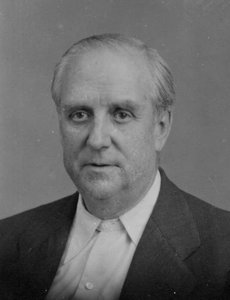
jaume torres i grau
1879 - 1945 , Spain
Detalii rapide
- Artistic Movement Or Style: Expressionism, Surrealism, Bauhaus
- Artists Or Movements Influenced By This Artist:
- Kandinsky
- Bauhaus
- Artists Who Influenced This Artist:
- Leonardo da Vinci
- Wassily Kandinsky
- Date Of Birth: 18 December 1879
- Date Of Death: 29 June 1940
- Full Name: Paul Klee
- Nationality: Swiss-German
- Notable Artworks:
- Angelus Novus
- Senecio
- Twittering Machine
- Place Of Birth: Münchenbuchsee, Switzerland
Articole similare

Crimson Threads of Narrative: Exploring Symbolism & Representation in Artworks Featuring the Red Dress
Explore the rich symbolism of the red dress in art history! From ancient power displays to iconic portraits like Cézanne’s 'Madame Cezanne', discover the cultural and artistic significance behind this captivating color. Expert analysis & insights.
Top 10 Capodopere Artistice pentru o Atmosferă de Serenitate | OriginalUniqueArt.ro
Descoperă top 10 capodopere artistice care evocă serenitatea! Explorează poveștile din spatele picturilor Monet, Van Gogh și alți artiști renumiți. Găsește inspirație pentru decorul interior zen cu reproduceri de artă de calitate muzeală pe OriginalUniqueArt.com.
Feathered Visions: A Historical & Artistic Exploration of Birds in Painting
Explore the rich history of birds in painting! Discover symbolism, artistic movements & master artists like Audubon. High-quality reproductions available at OriginalUniqueArt.
Top 10 Opere de Artă pentru o Atmosferă Senină și Relaxantă | OriginalUniqueArt.ro
Descoperă top 10 opere de artă care emană liniște și serenitate! Explorează poveștile din spatele picturilor Monet, Van Gogh și alți maeștri. Găsește inspirație pentru decorul interior cu reproduceri de calitate muzeală pe OriginalUniqueArt.ro
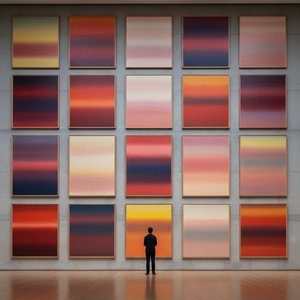
Mark Rothko: Cele Mai Iconice 25 De Capodopere – Artă Abstractă pentru Decor Rafinat
Descoperă cele mai iconice 25 de picturi abstracte ale lui Mark Rothko! Explorează istoria, culorile și emoțiile din spatele fiecărei capodopere. Reproduceri artă de calitate muzeală & inspirație decor pe OriginalUniqueArt.com.

