
 Previzualizare
 Trimite
 Distribuie
 Detalii despre lucrare

 Descarcă
 Produse similare
 Radiografie
 Diapozitive automate
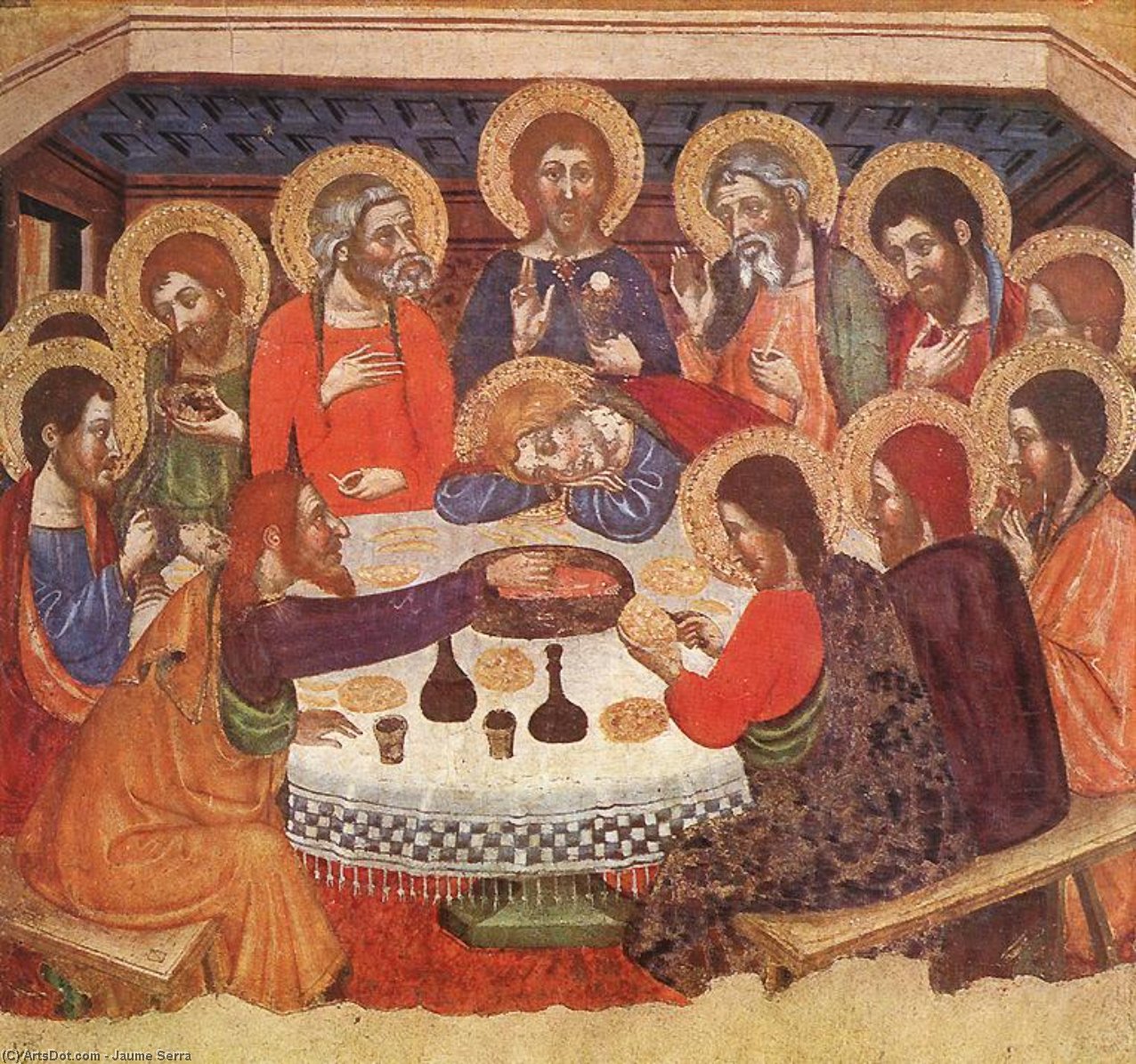
The Last Supper


 Vezi mai mult
Reproducere pictată manual în ulei
Pictură în ulei pe pânză, realizată manual de artiștii noștri la dimensiunea și ramele dorite de dumneavoastră, pe comandă. ( Comandă printul Cumpără imaginea)




































Alegeți dintre dimensiunile noastre prestabilite, care respectă proporțiile originale ale operei de artă.

Puteți introduce propriile dimensiuni pentru a se potrivi unui anumit cadru sau spațiu. Dacă dimensiunea selectată nu corespunde proporțiilor imaginii originale, vom decupa opera de artă sau vom extinde pictura cu elemente suplimentare pictate manual. O simulare digitală vă va fi trimisă pentru aprobare înainte de începerea producției.
Vă rugăm să rețineți că previzualizarea de pe ecran nu reflectă decuparea sau extinderea reală. Doar macheta va arăta cu exactitate compoziția finală.
Deși sunt disponibile dimensiuni personalizate, vă recomandăm să selectați o dimensiune din lista predefinită pentru a păstra proporțiile originale.
După plasarea comenzii, echipa OriginalUniqueArt.com va contacta clientul prin e-mail pentru instrucțiuni și îi va furniza o previzualizare a machetei
Livrare în întreaga lume () în 3-4 săptămâni, în loc de cele 5 săptămâni standard. (14 August). Fără compromisuri în ceea ce privește calitatea.

Livrare expres gratuită la nivel mondial

Pânză de in de înaltă calitate

Asigurare completă pentru transport

Garanție de rambursare a taxelor vamale

Garanția fidelității culorilor

Politica de retur în 60 de zile (doar pentru defecte)

Garanție de rambursare 100%

Ofertă pentru comenzi multiple
 Opțiunea cu sticlă este disponibilă doar pentru dimensiuni de sub 110 cm

The Last Supper
Tehnică de reproducere
Dimensiune reproducere
-


Preț total calculat
$ 300
Biografie artist
Jaume Serra: A Master of Catalan Gothic
Jaume Serra (d. after 1405) stands as one of the most celebrated figures in late medieval Catalan art, a painter whose distinctive style—characterized by stylized figures and profound influence from Sienese artistic traditions—continues to fascinate scholars and captivate audiences today. Born sometime around 1387, Serra’s artistic lineage traced back to a family deeply rooted in Catalonia's vibrant artistic landscape during the fourteenth century. His brothers, Pere, Francesc, and Joan Serra, were equally accomplished painters practicing the Italogótico style, mirroring the stylistic innovations originating from Siena under Ferrer Bassa. This shared heritage instilled within them a meticulous approach to craftsmanship and an unwavering dedication to conveying spiritual narratives with remarkable precision.- Early Influences & Familial Tradition: Serra’s artistic education undoubtedly benefited from the familial legacy of artists active in Catalonia. The Serra brothers' commitment to Sienese techniques—particularly the use of slanted eyes and diminutive mouths—became a hallmark of their oeuvre, establishing a recognizable visual language that distinguishes their work from contemporaries.
- The Monastery Altarpieces: Serra’s contribution to Catalan Gothic art reached its zenith through his collaboration on monumental altarpiece projects commissioned by monasteries. Notably, the altarpiece of Santa María de Sigena, now housed in Barcelona's Museu Nacional d'Art de Catalunya, exemplifies Serra’s mastery and embodies the stylistic ideals of the period. Alongside Pere Serra, he meticulously crafted this ambitious undertaking, showcasing their profound understanding of spatial composition and decorative embellishment.
Stylistic Characteristics & Technique
Serra's artistic style is instantly recognizable due to several key features. The aforementioned stylized figures—characterized by disproportionately small eyes and mouths—are not merely stylistic choices but deliberate expressions of theological contemplation. These diminutive representations serve as a visual metaphor for humility and spiritual devotion, reflecting the prevailing piety of the era. Furthermore, Serra’s meticulous application of tempera paint on wooden panels demonstrates an unparalleled level of technical skill. The vibrant colors achieved through layering thin glazes—particularly blues and greens—create luminous surfaces that convey depth and luminosity, capturing the ethereal beauty of religious iconography.- Madonna of Humility: Serra’s most celebrated masterpiece is undoubtedly “Madonna of Humility,” a devotional painting depicting Mary holding the infant Jesus in a posture of profound humility. The composition—characterized by serene stillness and symbolic gestures—captures the essence of Marian piety, reflecting the spiritual fervor of Catalan society during Serra's lifetime.
- Collaboration on Monastery Altarpieces: Serra’s involvement in the creation of altarpiece ensembles for monasteries like Zaragoza – “Virgin from the Convent of the Holy Sepulchre” and “Martin de Alpartil or The Resurrection”—solidified his reputation as a leading artist of his time. These monumental works represent collaborative endeavors, showcasing the brothers' collective artistic vision and technical prowess.
Legacy & Historical Significance
Jaume Serra’s altarpiece “The Holy Spirit,” currently residing in Manresa Cathedral, stands as a testament to Catalan Gothic art’s enduring legacy. Its meticulous execution—documented between 1356 and 1359—demonstrates the artistic standards upheld by Catalan artists during the fourteenth century. The division of this altar between Madrid's Prado Museum and Várez Fisa Collection underscores its importance as a cultural treasure, ensuring its preservation for future generations. Serra’s contribution to Catalan art history is undeniable; his stylistic innovations and unwavering dedication to craftsmanship continue to inspire admiration and scholarly inquiry.- The Shrine of Our Lady of Tobed: Serra's involvement in the creation of “Shrine of Our Lady of Tobed” – completed between 1356 and 1359 – exemplifies his artistic skill and collaborative spirit. The central table, depicting Mary Magdalene and John the Baptist, showcases Serra’s meticulous attention to detail and symbolic representation.
Further Exploration
For a deeper understanding of Jaume Serra's artistic achievements and influence, consult resources such as Wikipedia (
Jaume Serra
1405
Detalii rapide
- Artistic Movement Or Style: Italogótico
- Artists Or Movements Influenced By This Artist: ['Sienese art']
- Artists Who Influenced This Artist: ['Ferrer Bassa']
- Date Of Death: 1405
- Full Name: Jaume Serra
- Nationality: Catalan
- Notable Artworks:
- Madonna of Humility
- Altarpiece of Saint Stephen
- Place Of Birth: Catalonia

