 Previzualizare
 Trimite prin felicitare
 Distribuie
 Detalii despre lucrare
 Ghid
Ghid

 Descarcă imaginea
 Produse similare
 Radiografie
 Galerie foto
 Întrebări și răspunsuri
 Statistici
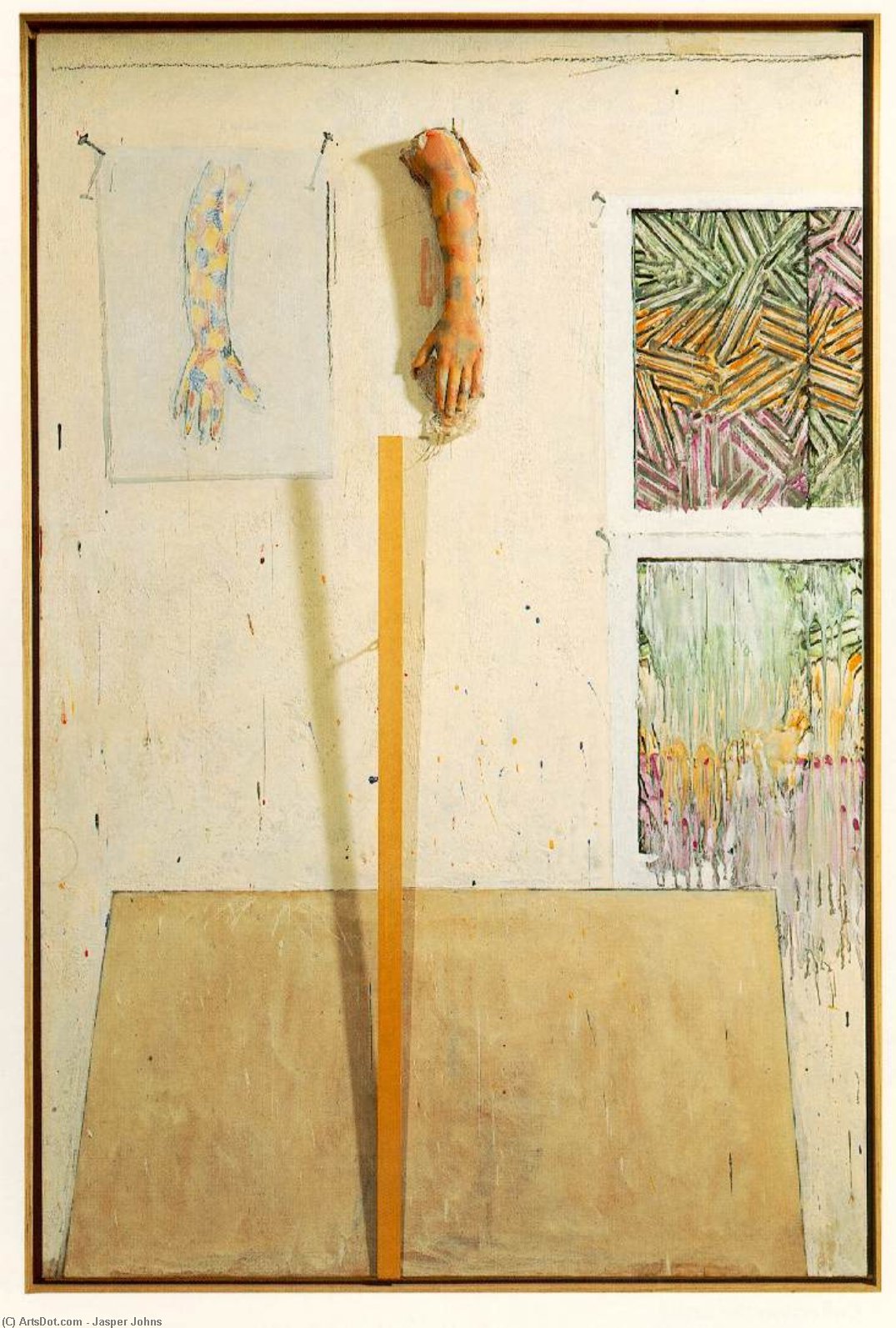
In the Studio

 Vezi mai mult
Obțineți un fișier gata de imprimare care depășește cu mult calitatea previzualizării web. Fiecare imagine digitală pe care o vindem provine dintr-un master de înaltă rezoluție din baza noastră de date — având, de regulă, o lățime între 5.000 și 15.000 de pixeli — astfel încât să puteți printa în format mare, să decupați strâns sau să reproduceți detalii fine cu încredere.
Niciun fișier nu părăsește studioul nostru fără să fie tratat. Un expert digital verifică nuanțele de culoare în raport cu pictura originală și le corectează acolo unde este necesar, apoi îmbunătățește claritatea și detaliile folosind instrumente profesionale de retușare — rămânând întotdeauna fidel gestului pictural și stilului artistului. Rezultatul este o imagine care seamănă cu tabloul propriu-zis, nu cu o scanare filtrată.
Aprobați înainte de finalizare: expertul nostru vă va trimite imaginea prin e-mail în termen de 72 de ore pentru revizuire. Nu sunteți mulțumit? Solicitați îmbunătățiri sau corecturi, ori cereți o restituire a plății dacă calitatea nu este pe măsura așteptărilor.
Aceasta este calitatea pe care se bazează editorii, studiourile de design, galeriile și tipăriturile.
Imagine Digitală
Descărcați un fișier la rezoluție înaltă pentru afișare personală, imprimare și proiecte creative. ( Comută pe versiunea Print Comandă pictură realizată manual)
Inclus în fiecare comandă de imagini digitale
Livrare digitală de expertiză, garantată
Când alegeți OriginalUniqueArt.com, nu primiți doar o simplă imagine – primiți o operă de artă digitală îmbunătățită profesional, creată cu precizie și susținută de o garanție de satisfacție. Iată tot ceea ce primești odată cu comanda ta, în mod automat:

Livrare rapidă prin e-mail
Fișierul imaginii digitale la rezoluție înaltă vă va fi trimis prin e-mail în termen de 72 de ore de la finalizarea comenzii – gata pentru utilizare imediată.

Fișier digital optimizat prin IA
Opera ta de artă este optimizată profesional prin intermediul unor instrumente AI avansate și al editării manuale, asigurând un nivel maxim de detalii, claritate și acuratețe a culorilor.

Retransmitere gratuită pe viață
Ai șters sau ai pierdut din greșeală fișierul? Nu îți face griji – ți-l vom retrimite oricând, gratuit.

Fără taxe de import – Întotdeauna
Bucură-te instant de noua ta operă de artă, fără taxe vamale, taxe de import sau costuri de livrare – descărcările digitale sunt întotdeauna fără taxe.

Garanția acurateții culorilor
Asigurăm o reflectare cât mai fidelă a culorilor originale în imaginea ta digitală, prin utilizarea unor instrumente profesionale și a proceselor de gestionare a culorii.

Garanție de satisfacție de 100 de zile
Dacă nu sunteți mulțumit de imaginea digitală achiziționată, o vom revizui sau vă vom returna 100% în termen de 100 de zile – fără nicio întrebare.

Garanție de returnare 100% a banilor
Nu ești mulțumit? Primești rambursarea integrală în termen de 100 de zile de la primirea fișierului digital – fără nicio întrebare.

Reduceri pentru comenzi în volum
Cumpără 3 imagini, economisește 10% - Cumpără 5, economisește 15% - Cumpără 10+, economisește 20%. Ideal pentru proiecte creative, galerii și agenții.
In the Studio – A Surreal Echo of Artistic Struggle
The artwork, “In the Studio” by Jasper Johns, stands as a haunting meditation on creativity and isolation—a piece that transcends mere visual representation to delve into profound psychological themes. Executed in oil paint on canvas, this enigmatic composition captures a moment frozen in time within an artist’s workspace, presenting a tableau of unsettling beauty and symbolic resonance. Its muted palette – predominantly beige and cream for the wall – immediately establishes a sense of age and vulnerability, mirroring perhaps the anxieties inherent in confronting one's own artistic process.Style & Technique: Surrealism Infused with Expressionism
Johns’ approach aligns seamlessly with both Surrealist and Expressionist sensibilities. The loose brushwork employed throughout—particularly on the textured wall—creates a palpable physicality that contrasts sharply with the ethereal quality of the abstract windows. This textural layering contributes to an overall feeling of unease, mirroring the artist's internal turmoil. The technique prioritizes capturing emotion rather than precise observation, evident in the bold colors splashed across the window panes – pinks, purples, and blues—which erupt from geometric grids with a deliberate disregard for conventional perspective. It’s a masterful blend that elevates the artwork beyond simple depiction into a powerful statement about artistic experience.Historical Context & Symbolism: Detachment and Fragmentation
Painted in the aftermath of World War II, “In the Studio” reflects the broader anxieties of the era—a period marked by disillusionment and questioning of established norms. Johns’ exploration of fragmented forms and symbolic imagery speaks to the psychological complexities of the time. The prominent severed arm hanging on the wall serves as a potent emblem of detachment – representing not only physical separation but also the artist's fractured self-perception. This unsettling visual motif underscores the difficulty of achieving wholeness in creative endeavor, mirroring Johns’ own personal struggles with identity and belonging.Emotional Impact & Artistic Legacy
“In the Studio” compels viewers to confront uncomfortable truths about artistic ambition and vulnerability. The artwork’s subdued colors and textured surface evoke a sense of melancholy and contemplation, inviting introspection on themes of loss and perseverance. Jasper Johns' masterful manipulation of color and form cemented his place as a pivotal figure in 20th-century art—a pioneer who dared to challenge conventions and explore the subconscious mind. Its enduring appeal lies in its ability to capture the essence of artistic struggle with unflinching honesty, ensuring that “In the Studio” continues to resonate with audiences today.Întrebări și răspunsuri
Unde pot vedea o previzualizare a unei reproduceri a operei "In the Studio" de Jasper Johns?
Pentru o previzualizare a unei reproduceri a operei "In the Studio" de Jasper Johns, accesați pagina de Previzualizare în spațiu a lucrării.
Ce emoție transmite "In the Studio" de Jasper Johns?
Tonul emoțional înregistrat pentru "In the Studio" de Jasper Johns este Melancholic. Acesta rezumă sentimentul exprimat de operă.
Unde pot descărca "In the Studio" de Jasper Johns?
Imaginea pentru "In the Studio" de Jasper Johns poate fi descărcată de pe pagina dedicată lucrării, Descărcare: descărcare imagine digitală de înaltă rezoluție.
Biografie artist
Tinerețe, familie și formare
Jasper Johns s-a născut pe 15 mai 1930, în Augusta, Georgia. Căsnicia părinților săi s-a încheiat prin divorț când acesta era încă foarte tânăr, fapt care l-a determinat să fie crescut în Carolina de Sud. O mare parte a copilăriei și-a petrecut-o în Allendale, Carolina de Sud, locuind cu bunicii pe malul părinților. Ulterior, a petrecut timp cu mama sa și cu tatăl ei vitreg în Columbia, iar în cele din urmă a locuit cu mătușa sa, Gladys, lângă Lacul Murray. Talentul său s-a manifestat devreme, începând să deseneze încă de la vârsta de trei ani. Până când a ajuns la liceu, Jasper Johns era deja complet dedicat artei sale, ajungând în cele din urmă să absolve ca valedictorian al clasei din 1947 de la High School Edmunds din Sumter, Carolina de Sud.
Formarea sa academică a început în sudul Americii. A absolvit trei semestre la Universitatea din Carolina de Sud, în Columbia. După ce a părăsit universitatea, s-a mutat în New York în 1949, un pas decisiv în viața sa. Acolo, s-a înscris la Parsons School of Design pentru a-și continua studiile. În acei ani de formare, a lucrat în diverse joburi neobișnuite, inclusiv ca vânzător într-o librărie, înainte ca drumul său să fie întrerupt de serviciul militar obligatoriu.
Serviciul militar și revenirea la New York
Traiectoria primilor sale ani de viață a fost întreruptă în 1951, când a fost înrolat în Armata Statelor Unite în timpul Războiului din Coreea. Această perioadă de serviciu l-a îndepărtat de școlile de artă de pe Coasta de Est, plasându-l în două medii de o diversitate profundă. A petrecut timp fiind staționat la Fort Jackson, în Carolina de Sud, înainte de a fi trimis în Sendai, Japonia. Acești ani de datorie militară i-au oferit o distanță necesară față de scena artistică în plină expansiune pe care începuse să o exploreze în New York.
Până în vara anului 1953, s-a întors în New York City. Orașul era un loc al tranziției, iar el a găsit un loc de muncă la Marboro Books. Această perioadă de angajare i-a permis să se readapteze în mediul urban, navigând printre straturile sociale și artistice ale metropolei. Tocmai în acele luni de după serviciul militar a început să stabilească conexiunile care vor defini practica sa ulterioară, lucrând alături de alții în lofturile și atelierele orașului.
Apariția unui nou limbaj vizual
Până în anul 1954, s-a produs o schimbare fundamentală în modul în care obiectele erau abordate pe pânză. În locul gesturilor spontane și અભεξετας care definiseră acea eră, a apărut o orientare către lucrurile pe care mintea le cunoaște deja. Aceasta însemna utilizarea unor simboluri care nu necesita explicații: steaguri, hărți, ținte, litere și numere. Acestea nu erau simple ilustrări ale unor evenimente specifice, ci mai degrabă forme recognoscibile utilizate pentru a explora modul în care percepem sensul. Opera sa a devenit o metodă de a privi actul însuși al vederii, folosind elementul familiar pentru a pune la îndoialenie natura reprezentării.
Această abordare l-a ajutat să se impună ca o figură centrală în dezvoltarea artei americane de după război. Prima sa expoziție solo a avut loc în 1958 la Galeria Leo Castelli, unde prezența acestor simboluri comune a întâlnit, pentru prima dată, un public larg. Picturile nu încercau să evadeze din lume prin abstractizare; ele aduceau lumea în atelier prin intermediul acestor motive silențioase și repetitive. Eliminând necesitatea narațiunii, accentul s-a mutat asupra suprafeței și a modului în care un simbol funcționează ca un cod vizual.
Tehnică și Stil Artistic
Suprafața unei picturi semnate de Jasper Johns oferă adesea o senzație de densitate și acumulare. Artistul a apelat frecvent la tehnica encausticii, un proces în care pigmentul este amestecat cu ceară fierbinte pentru a crea un strat gros și texturat. Această metodă conferă o profunzime fizică ce pare să plămăduască suprafața pânzii, integrând uneori colajuri și hârtie de ziar direct în ceară. Aceste straturi nu sugerează un gest rapid sau spontan; dimpotrivă, opera sa emană un sentiment de control conștient. Fiecare urmă și fiecare formă par plasate cu o intenție precisă, îndepărtându-se de picăturile haotice și emoționale specifice altor stiluri de la mijlocul secolului. El a preferat o abordare mult mai calculată în modul în care o imagine este construită.
Dincolo de pânza de pictură, mărturia mâinii sale se regăsește în multiple forme. Artistul a oscilat între textura densă a encausticii și liniile precise și ascuțite ale gravurii. Practica sa artistică a cuprins litografia, serigrafia, gravura pe ac cu acid și aquatinta. Aceste metode i-au permis să repete anumite forme și simboluri, oferindu-le texturi variate. Adesea, a utilizat aceleași motive — numere, litere sau hărți — pentru a observa modul în care acestea se transformă atunci când se schimbă metoda de aplicare. Întreaga sa creație se concentrează pe modul în care privitorul recunoaște o formă și pe transformarea acelei recunoașteri atunci când suprafața devine stratificată sau fragmentată.
- Target (1958)
- White Flag (1955)
- Colored alphabet (aprox. 1959)
- False Start (1959)
- Perilous Night (1982)
Lucrări Cheie și Imagini Iconice
Opera sa se concentrează adesea pe lucruri pe care mintea le cunoaște deja. În mijlocul anilor '50, pictura Flag (1954–55) a utilizat un colaj al steagului cu stele și dungi, suprapunând ziarul cu pigmentul. Această abordare a transformat un simbol familiar într-o suprafață texturată de ceară și hârtie. Imagistica a evoluat de la aceste simboluri mari și plate către forme mai concentrate. A urmat seria țintelor, utilizând centrul punctului pentru a pune sub semnul întrebării modul în care privitorul percepe o formă simplă. O astfel de piesă, Target with Four Faces (1958), a plasat fețe în interiorul câmpului roșu, creând un sentiment de neliniște prin aranjamentul lor repetitiv și lipsit de expresie.
Accentul pus pe obiectele recognosabile a continuat și în anii '60. Lucrarea din 1961, Map, a folosit reprezentări fragmentate ale Statelor Unite pentru a analiza geografia și identitatea. Această perioadă a marcat, de asemenea, o tranziție către forme tridimensionale care imită obiectele de zi cu zi. În 1960, a fost realizată seria Painted Bronze (Beer Cans). Aceste sculpturi au fost turnate în bronz, dar pictate astfel încât să semene exact cu obiectele comune pe care le reprezentau, estompând linia dintre un obiect real și unul pictat.
- White Flag (1955)
- Three Flags (1958)
- False Start (1959)
- Colored Alphabet (aprox. 1959)
Cercul de Asociați Influenți
În lofturile din Manhattan, atmosfera era încărcată de idei comune și de discreta frecare a proximității. Jasper Johns locuia în apartamente adiacente cu Robert Rauschenberg, o relație care a fost atât romantică, cât și artistică până în 1961. Își petreceau zilele proiectând vitrine pentru magazine precum Tiffany și Bonwit Teller, lucrând umăr la umăr pentru a transforma banalul în ceva cu totul diferit. Această apropiere însemna ca lucrările lor să fie într-o conversație constantă, un schimb continuu de gânduri și experimente vizuale care au ajutat la definirea unei noi direcții pentru arta americană.
Cercul de influență s-a extins și în tărâmurile sunetului și ale mișcării. Jasper Johns era prieten apropiat cu compozitorul John Cage și cu coregraful Merce Cunningham. Aceste conexiuni au adus un tip de ritm diferit gândirii sale, unul cu rădăcini în avangardă. El a navigat printr-un peisaj în care granițele dintre disciplinele diferite erau poroase, fiind influențat de modul în care Cage și Cunningham abordau structura și haosul. Chiar și ideile lui Marcel Duchamp persistau în fundal, oferind un cadru pentru a pune la îndoială însăși natura a ceea ce poate reprezenta un obiect atunci când este plasat în interiorul unei rame.
Moștenire și influență durabilă
Tranziția de la gesturile spontane și libere ale Expresionismului Abstract către imagini recognoscibile ale Pop Art s-a produs, în mare parte, prin mâinile sale. Luând lucruri pe care mintea le cunoaște deja — steaguri, ținte și numere — și tratându-le ca pe subiecte de investigație, el a schimbat modul în care artiștii abordau pânza. Această mișcare către cotidian a deschis calea pentru opera lui Andy Warhol și Roy Lichtenstein, care vor construi ulterior pe aceste idei despre cultura de masă și obiectul de consum.
Prezența sa în lumea artei a fost marcată de un recunoaștere extraordinară. În 1988, a fost laureat al Leului de Aur la Bienala de la Veneția, iar mai târziu, în 2011, a primit Medalia Presidentială pentru Libertate. Aceste onoruri reflectă o carieră dedicată cuestionării naturii reprezentării și a modului în care simbolurile funcționează într-o societate aflată în continuă transformare.
- Flag (1954–55)
- Target (1958)
- Map (1961)
- Perilous Night (1982)
Unde pot fi admirate operele sale astăzi
Pentru a experimenta personal forța picturilor și sculpturilor sale, călătoria ideală este cea către New York. Museum of Modern Art găzduiește mai multe dintre piesele sale emblematice, în timp ce Whitney Museum of American Art și Metropolitan Museum of Art își păstrează, de asemenea, operele în colecțiile lor prețioase. Aceste instituții oferă o perspectivă asupra diverselor etape ale evoluției sale artistice, de la primele experimente cu tehnica encausticii, până la explorările sale ulterioare axate pe spațiul atelierului de pictură.
Prezența sa artistică depășește granițele Statelor Unite. La Londra, Tate Modern adăpostește lucrări care reflectă interesul său de mult timp pentru modul în care percepem simbolurile familiare. Admirarea acestor obiecte în contexte atât de diferite permite o privire mai atentă asupra modului în care utilizarea texturii și a repetiției se transformă sub incidența unor lumini diferite.
- White Flag, 1955
- Target, 1958
- Map, 1961
- Perilous Night, 1982
- Dancers on a Plane, circa 1964

Jasper Johns
1930 - , Statele Unite ale Americii
Detalii rapide
- Artists Or Movements Influenced By This Artist:
- Pop Art
- Andy Warhol
- Roy Lichtenstein
- Artists Who Influenced This Artist: ['Marcel Duchamp']
- Date Of Birth: 1930
- Full Name: Jasper Johns
- Nationality: American
- Notable Artworks:
- Flag
- Target
- Map
- False Start
- White Flag
- Place Of Birth: Augusta, Statele Unite ale Americii