
 Previzualizare
 Trimite prin felicitare
 Distribuie
 Detalii despre lucrare
 Ghid
Ghid

 Descarcă imaginea
 Produse similare
 Radiografie
 Galerie foto
 Întrebări și răspunsuri
 Statistici
After the Hunt

- 44.0 x 34.0 cm


 Vezi mai mult
Giclée / Imprimare artistică
Printuri giclée sau pe canvas de calitate muzeală, cu proces de producție rapid și opțiuni flexibile de finisare. ( Comandă pictură realizată manual Comută pe Imagine Digitală)




P118B lei10

P118H lei10

P118W lei10

P438Z lei10

P508JH lei12

P508YH lei12

P805H lei10

P805Z lei10

P919BZ lei10

P919G lei10

P919XJ lei10

P959ZH lei10

P968JZ lei12

W106C lei8

W218G lei10

W218JH lei8

W218Y lei10

W307PJ lei10

W316G lei10

W316PJ lei8

W316Y lei10

W398PJ lei8

W4111J lei10

W500HY lei15

W500JH lei15

W692G lei12

W849H lei8

W940BG lei15

W953PJ lei8




Alegeți dintre dimensiunile noastre prestabilite, care respectă proporțiile originale ale operei de artă.

Introduceți lățimea și înălțimea necesare pentru a se potrivi ramei sau peretelui dumneavoastră. O printare poate fi doar tăiată, niciodată extinsă dincolo de dimensiunea imaginii originale, astfel încât o dimensiune cu o formă diferită va pierde o parte din imagine. Vă trimitem o simulare digitală pentru aprobare înainte de a imprima orice. Imaginea afișată pe această pagină nu prezintă tăierea reală — doar simularea arată acest lucru.
Livrare în întreaga lume () în 2 săptămâni, în loc de cele 4/5 săptămâni standard. (11 Noiembrie)

Livrare expres gratuită la nivel mondial

Pânză de in de înaltă calitate

Asigurare completă pentru transport

Garanție de rambursare a taxelor vamale

Garanția fidelității culorilor

Politica de retur în 100 de zile (doar pentru defecte de fabricație)

Garanție de rambursare 100%

Ofertă pentru comenzi multiple
 Opțiunea cu sticlă este disponibilă doar pentru dimensiuni de sub 110 cm

After the Hunt
Giclée / Imprimare artistică
Dimensiune reproducere
-


Preț total calculat
lei 386
A Moment Frozen in Time: The Spirit of the Dutch Golden Age
In the quiet, evocative atmosphere of Jan Weenix’s "After the Hunt," we are transported back to the year 1665, into a world where the boundaries between man, animal, and nature blur into a singular, harmonious moment. This masterful work serves as more than just a depiction of a post-hunt gathering; it is a window into the social fabric of the Dutch Golden Age. The scene captures a profound sense of camaraderie, where the adrenaline of the chase has subsided, leaving behind a lingering warmth of shared triumph and quiet companionship. As we gaze upon the man standing beside his loyal hounds, we feel the weight of tradition and the deep-seated connection to the land that defined the era.
The composition is a delicate dance of light and shadow, rendered with the meticulous precision that Jan Weenix inherited from his father’s workshop. Though the palette may appear restrained, it possesses a rich, tonal depth that breathes life into every texture—from the coarse fur of the hunting dogs to the soft, atmospheric haze of the background. The presence of other figures, engaged in low-toned conversation, adds layers of narrative complexity, suggesting a community bound by shared rituals and the seasonal rhythms of the hunt. A horse visible in the distance provides a sense of scale and depth, anchoring the group within a vast, breathing landscape.
Mastery of Realism and the Art of Detail
To behold this painting is to witness the pinnacle of Dutch Baroque realism. Weenix possessed an extraordinary ability to render the physical world with such clarity that the viewer can almost hear the soft panting of the dogs or the rustle of the basket held by the central figure. His technique, rooted in the tradition of observing nature with scientific accuracy, allows for a breathtaking interplay of textures. The way light catches the edges of the figures and settles into the folds of their attire creates a sense of three-dimensional presence that is both captivating and immersive.
For the discerning collector or interior designer, this piece offers an unparalleled opportunity to introduce a sense of historical grandeur and quiet sophistication into a space. The artwork does not merely decorate a wall; it commands attention through its subtle emotional resonance. It evokes a feeling of timelessness, making it an ideal centerpiece for a study, a library, or a formal dining room where conversation and reflection are encouraged. A high-quality reproduction of this work preserves the delicate nuances of Weenix’s brushwork, allowing the legacy of 17th-century Dutch mastery to reside within a modern setting.
Symbolism and the Emotional Landscape
Beyond its technical brilliance, "After the Hunt" is steeped in the symbolism of the era. The hunt itself was often a metaphor for the pursuit of virtue, social status, and the mastery of one's environment. The dogs, symbols of fidelity and instinct, stand as steadfast companions to the human spirit, representing the controlled wildness that exists within civilization. There is an underlying theme of peace following conflict—the transition from the intensity of the hunt to the restorative calm of the gathering.
The emotional impact of the painting lies in its ability to evoke nostalgia for a lost era of elegance and connection. It invites the viewer to pause, to breathe, and to appreciate the beauty found in the quiet intervals of life. Whether you are drawn to the historical significance of Jan Weenix’s lineage or the atmospheric allure of his landscapes, this painting remains a profound testament to the enduring power of art to capture the very essence of human experience.
Întrebări și răspunsuri
Din ce stil face parte "After the Hunt"?
"After the Hunt" de Jan Weenix face parte din mișcarea Dutch Golden Age Realism. Acest curent oferă contextul stilistic al operei.
Care este utilizarea recomandată pentru o printă a lucrării "After the Hunt"?
Utilizarea recomandată pentru o printă a lucrării "After the Hunt" este Harmony.
Care este orientarea lucrării "After the Hunt" de Jan Weenix?
"After the Hunt" de Jan Weenix este o compoziție de tip Portrait. Proporțiile merită verificate înainte de a alege dimensiunea printului.
Biografie artist
O moștenire a realismului olandez: Viața și arta lui Jan Weenix
Jan Weenix, născut în Amsterdam în 1641, a apărut dintr-o linie de descendenți îmbibată în tradiție artistică, moștenind pasiunea pentru pictură de la tatăl său, estimatul Jan Baptist Weenix. Deși detaliile precise referitoare la primii săi ani rămân parțial evazive, este clar că tânărul Jan a primit o instruire fundamentală în atelierul tatălui său, absorbind tehnici esențiale pentru reprezentarea atât a naturilor moarte, cât și a subiectelor animale — o marcă distinctivă a artei Epocii de Aur olandeze. Această influență familială nu a fost doar una tehnică; ea a înscripționat o apreciere profundă pentru observația meticuloasă a naturii și un angajament față de redarea frumuseții sale cu un realism uimitor. Călătoria artistică a bătrunelului Weenix, inclusiv șederile în Italia care i-au infuzat opera cu o sensibilitate italianizantă, fără îndoială a modelat și estetica în devenire a lui Jan. Deși inițial a fost umbrit de reputația tatălui său, Jan s-a remarcat rapid, trasând o cale unică în peisajul vibrant al picturii olandeze din secolul al XVII-lea.Înflorirea unui stil baroc
Stilul artistic al lui Weenix a înflorit în apogeul perioadei baroce și reflectă dorința epocii pentru dramă, detalii bogate și compoziții dinamice. El nu a lucrat izolat; influențele contemporanilor săi, precum Hendrick Cornelisz Vroom, renumit pentru picturile sale marine, și potențial al altor specialiști în tematici animale precum Melchior de Hondecoeter și Gillis Claesz d'Hondecoeter, i-au informat subtil abordarea. Totuși, Weenix a sintetizat aceste inspirații într-un stil distinctiv, propriu. Canvasurile sale sunt caracterizate printr-o precizie aproape fotografică în redarea texturilor — strălucirea penelor, finețea blănii, delicate translucența fructelor — toate realizate printr-o pensulă magistrală și o înțelegere profundă a luminii și umbrei. Chiaroscuro, jocul dramatic dintre lumină și întuneric, este utilizat pentru a crea adâncime și interes vizual, atras de realismul convingător al scenei. O paletă de culori vibrante însuflețește și mai mult subiectele sale, oferindu-le un sentiment de imediat și vitalitate. El poseda o abilitate excepțională de a aranja elementele în cadrul tabloului, creând compoziții echilibrate și armonioase, care sunt atât atractive vizual, cât și captivante narativ.Capodopere și patronaj
Pe parcursul întregii sale cariere, Jan Weenix a produs un corpus substanțial de lucrări celebrate pentru strălucirea lor tehnică și subiectele captivante. Tablouri precum Natură moartă cu vânat și fructe lângă o vază de grădină (1714) exemplifică capacitatea sa de a integra fără cusătură elemente diverse — păsări de vânat, fructe suculente, detalii arhitecturale — într-o aranjare complexă și vizual uluitoare. Natură moartă cu un lepor și alt vânat (1697) demonstrează măiestria sa în anatomia animalelor și a texturilor, surprindând calitatea vie a subiectelor sale cu o acuratețe remarcabilă. Chiar și lucrările mai mici, precum Un maimuță șezând (înainte de 1685), dezvăluie talentul său de a dărui animalelor personalitate și caracter expresiv. Această îndemânare nu a trecut neobservată de către patronii importanți. În 1702, Weenix a primit o invitație la curtea lui Johann Wilhelm, Elector Palatin, unde a lucrat alături de alți artiști renumiți, creând scene de vânătoare la scară largă pentru Schloss Bensberg — o dovadă a reputației sale crescute și a priceperii artistice. Aceste comenzi i-au oferit atât siguranță financiară, cât și oportunități de a-și perfecționa și mai mult abilitățile.O influență durabilă asupra artei olandeze
Jan Weenix a jucat un rol crucial în popularizarea naturelor moarte cu teme de vânătoare și a picturilor cu vânat în perioada barocă, elevând aceste genuri dincolo de simpla decorațiune. Operele sale erau extrem de căutate de colecționari, contribuind semnificativ la dezvoltarea tradițiilor artistice olandeze. El nu a replicat pur și simplu natura; el a interpretat-o prin lentila sa unică, însuflețind picturile cu un sentiment de realism, dramă și frumusețe estetică ce a rezonat profund cu publicul contemporan. Moștenirea sa se extinde dincolo de propriile creații; fiica sa, Maria Weenix, a continuat tradiția familiei ca fiind o pictoriță de flori pricepută, asigurându-se că numele Weenix rămâne sinonim cu excelența artistică pentru generațiile ce vor veni. Astăzi, picturile lui Jan Weenix sunt prețuite în muzee și colecții private din întreaga lume, continuând să inspire artiștii și să captiveze publicul prin reprezentările lor magistrale ale lumii naturale — o mărturie a contribuției sale durabile la bogata tapiserie a istoriei arte olandeze.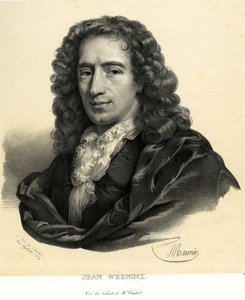
Jan Weenix
1641 - 1719 , Țările de Jos
Detalii rapide
- Artistic Movement Or Style: Baroc olandez
- Artists Or Movements Influenced By This Artist: ['Maria Weenix']
- Artists Who Influenced This Artist:
- Jan Baptist Weenix
- Hendrick Vroom
- Date Of Birth: 1641
- Date Of Death: 1719
- Full Name: Jan Weenix
- Nationality: Olandez
- Notable Artworks:
- Moarte de vânat și natură moartă cu fructe
- Natură moartă cu un iepure
- O maimuță șezândă
- Păunul alb
- Place Of Birth: Amsterdam, Țările de Jos
Articole similare
Abraham Hendricksz van Beyeren: Pioneering Dutch Still Life & the Banquet Tradition
Explore the captivating world of Dutch Golden Age still life with Abraham van Beyeren. Discover his innovative techniques, symbolic banquet scenes & lasting influence on art history. Learn about collecting these masterpieces.

Golden Age Reflections: Dutch Baroque Painting & Cultural Innovation
Explore the Dutch Golden Age of painting! Discover key artists like Vermeer & ter Borch, their innovative techniques, and the rich cultural context behind these Baroque masterpieces. Learn about collecting & appreciating this iconic art period.
Animalia: Prezența Durabilă a Animalelor în Artă și Design Interior
Explorați prezența fascinantă a animalelor în artă și design interior de-a lungul istoriei. Descoperiți simbolismul, influențele culturale și inspirația oferită de lumea animală.

Jan Jansz Wijnants: A Study in Dutch Golden Age Still Life & Floral Transience
Explore the captivating world of Jan Wijnants and Dutch Golden Age still life painting. Discover symbolism, masterful techniques & lasting influence on floral art history. Learn more!

Top 10 Capodopere Baroc Olandez: Artă, Istorie și Decorațiuni Interioare de Lux
Descoperă top 10 capodopere Baroc Olandez! Rembrandt, Vermeer și alți maeștri. Explorează istoria artei, tehnicile unice și atmosfera luxoasă a picturilor baroce. Reproduceri de artă de calitate muzeală pe OriginalUniqueArt.com.

